
In the landscape of modern personal finance, healthcare costs remain one of the most volatile and significant line items in the average household budget. While many individuals focus on optimizing their investment portfolios or reducing discretionary spending, they often overlook a major area of financial leakage: the varying costs of prescription medications. GoodRx has emerged not merely as a digital coupon provider, but as a critical financial tool that introduces price transparency and market competition into the pharmaceutical sector. Understanding how to use GoodRx effectively is a fundamental skill for anyone looking to master their personal finances and reduce unnecessary out-of-pocket expenditures.
Understanding GoodRx as a Personal Finance Tool
To use GoodRx effectively, one must first view it through the lens of a financial comparison engine. Unlike traditional insurance, which often operates on a “black box” pricing model, GoodRx provides a transparent marketplace for medication.
The Hidden Costs of Prescription Medication
The pharmaceutical industry in the United States does not have standardized pricing. The cost of a single generic drug can fluctuate by hundreds of dollars depending on the pharmacy’s location, its corporate affiliation, and the contracts it has with Pharmacy Benefit Managers (PBMs). For a savvy consumer, this price variance represents an opportunity for “healthcare arbitrage.” By using GoodRx, you are essentially scanning the market to find the lowest price point for a specific commodity. This is no different than using a comparison tool for insurance premiums or mortgage rates; it is a calculated move to ensure that your capital is being deployed as efficiently as possible.
How GoodRx Bridges the Gap Between Insurance and Out-of-Pocket Costs
Many consumers mistakenly believe that their employer-sponsored or private health insurance always provides the lowest price for prescriptions. However, in an era of high-deductible health plans (HDHPs), the “negotiated rate” of an insurance company is frequently higher than the cash price available through GoodRx.
Using GoodRx allows you to bypass the insurance infrastructure when it is financially advantageous to do so. In many cases, a prescription might cost $50 through a copay but only $15 through a GoodRx coupon. By opting for the latter, you are directly increasing your monthly cash flow. However, it is important to note that when you use GoodRx instead of insurance, the amount paid typically does not count toward your insurance deductible. This creates a strategic decision point: do you pay more now to reach your deductible sooner, or do you save the cash immediately? For most consumers who do not expect to hit their annual out-of-pocket maximum, the immediate cash savings offered by GoodRx are the more mathematically sound choice.
Navigating the GoodRx Interface for Maximum Savings
The utility of GoodRx is built upon its user-friendly digital interface, but maximizing its value requires more than just a surface-level search. It requires a systematic approach to data entry and pharmacy selection.
Using the Search and Comparison Features
The first step in using GoodRx is searching for your specific medication. It is vital to ensure that the dosage, form (tablet vs. capsule), and quantity precisely match your prescription. A slight variation in dosage can lead to a significant price discrepancy. Once the parameters are set, the tool generates a list of nearby pharmacies and their respective prices.
This is where the “financial tool” aspect becomes apparent. The search results often reveal that a pharmacy just two blocks further away might offer the medication for 40% less. To use GoodRx efficiently, you should treat your choice of pharmacy as a logistics decision. The time spent driving an extra mile could result in an hourly “savings rate” that far exceeds your professional wage.
Interpreting the “Estimated Price” vs. Coupon Specifics
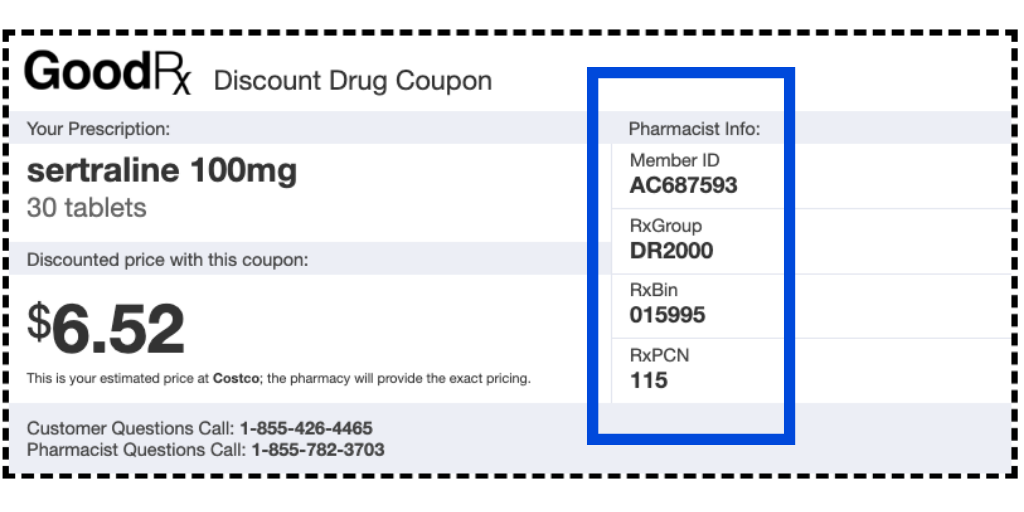
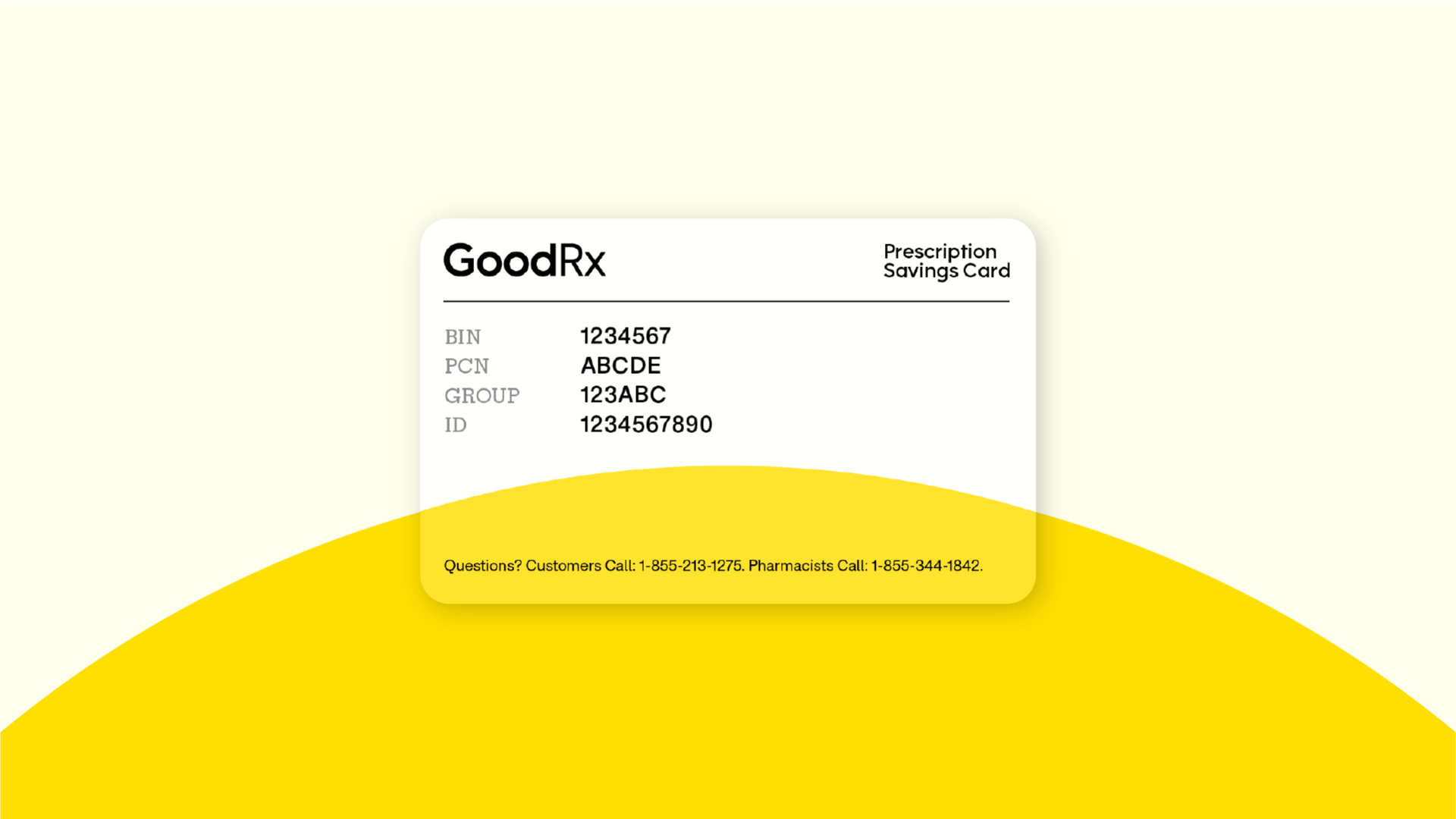
A common mistake is assuming that the price shown on the screen is automatically applied at the register. To secure the discount, you must present the specific coupon—either via the mobile app, a printout, or a text message—to the pharmacist. These coupons contain specific codes (BIN, PCN, Group, and Member ID) that the pharmacy technician must input into their system as a secondary “insurance” provider.
Furthermore, GoodRx prices are dynamic. They can change based on new contracts between the platform and pharmacy chains. Professional users of the tool check the price every time they refill a prescription, rather than assuming the price from three months ago still holds. This habit of “price auditing” ensures that you are never overpaying due to market fluctuations.
Advanced Strategies for Strategic Budgeting with GoodRx
For those who manage chronic conditions or multiple family prescriptions, GoodRx can be integrated into a broader wealth management strategy.
Comparing GoodRx with Insurance Copays
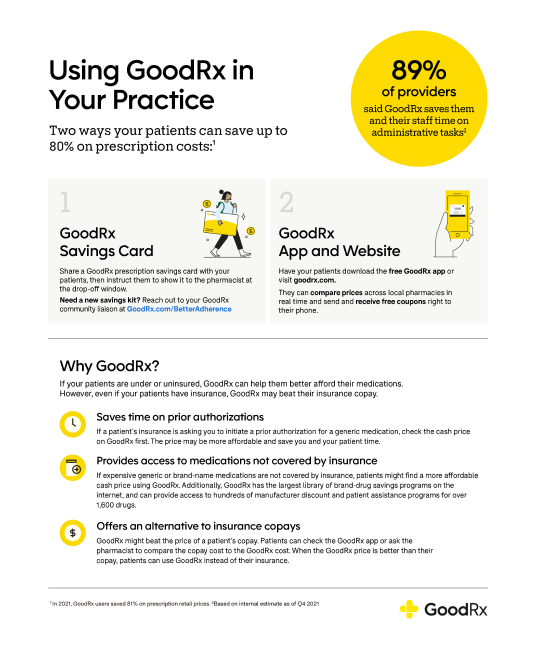
A sophisticated approach to using GoodRx involves a side-by-side comparison with your insurance formulary. Most insurance providers have a “tier” system for drugs. Tier 1 drugs are low-cost generics, while Tier 3 or 4 drugs are expensive brand names.
If your medication falls into a high tier, your insurance copay might be exorbitant. By checking GoodRx before arriving at the pharmacy, you can determine if the “cash price” is lower than your copay. This is a critical step in “low-deductible” vs. “high-deductible” planning. If you are far from meeting your deductible, saving the $30 difference on a monthly script adds up to $360 in annual savings—capital that could be redirected into a Roth IRA or an emergency fund.
Utilizing GoodRx Gold for High-Volume Medical Needs
For households with high prescription volume, the standard free version of GoodRx may not be the most cost-effective option. GoodRx Gold is a subscription-based tier that offers even deeper discounts. From a business finance perspective, this should be viewed as a “break-even” analysis. If the monthly subscription fee is $9.99, but it saves you an additional $30 per month over the free version, the ROI (Return on Investment) is clear.
GoodRx Gold also allows for family plans, covering multiple individuals under one subscription. This is an excellent way for families to consolidate their healthcare spending and achieve a level of predictability in their monthly budget.
Integrating GoodRx into Your Long-Term Financial Planning
The financial implications of using GoodRx extend beyond the pharmacy counter and into the realm of tax planning and long-term savings.
Impact on Health Savings Accounts (HSA) and FSAs
If you have a Health Savings Account (HSA) or a Flexible Spending Account (FSA), you can use these tax-advantaged funds to pay for the discounted prices found on GoodRx. This creates a double-benefit scenario: you are using “pre-tax” dollars to pay a “discounted” price.
When you use GoodRx, you are essentially reducing the “burn rate” of your HSA. Since HSA funds can be invested in the stock market and grow tax-free for retirement, every dollar you save using a GoodRx coupon is a dollar that stays in your investment account, compounding over decades. For a young professional, saving $50 a month on prescriptions via GoodRx and keeping that money in an HSA-invested S&P 500 index fund could result in tens of thousands of dollars in additional retirement wealth.
Managing Family Healthcare Costs Digitally
For those acting as the “Chief Financial Officer” of their household, GoodRx provides a way to track and manage the healthcare costs of dependents or elderly parents. The app allows users to save prescriptions to a “dashboard,” making it easy to monitor price changes across different family members. This digital record-keeping simplifies the budgeting process, allowing for more accurate forecasting of annual medical expenses. In professional financial planning, reducing “unknowns” is just as important as reducing costs, and GoodRx provides the data necessary to eliminate the surprise of a high-cost medication bill.
Conclusion: Maximizing the Tool for Financial Empowerment
Using GoodRx is not merely about finding a “discount code”; it is about participating in a more transparent and efficient healthcare economy. By applying the principles of price comparison, market analysis, and tax-advantaged spending, consumers can transform a mandatory expense into a managed variable.
In a world where healthcare inflation often outpaces wage growth, tools like GoodRx are essential for maintaining financial health. Whether you are navigating a temporary illness or managing a lifelong condition, the disciplined use of this platform ensures that you are not overpaying for essential services. By integrating GoodRx into your monthly financial routine—alongside your banking and investment apps—you take a significant step toward total fiscal responsibility and long-term wealth preservation.
aViewFromTheCave is a participant in the Amazon Services LLC Associates Program, an affiliate advertising program designed to provide a means for sites to earn advertising fees by advertising and linking to Amazon.com. Amazon, the Amazon logo, AmazonSupply, and the AmazonSupply logo are trademarks of Amazon.com, Inc. or its affiliates. As an Amazon Associate we earn affiliate commissions from qualifying purchases.