
In the intricate world of personal finance, certain numbers act as vital keys to unlocking and managing your money. Among these, the routing number stands as a fundamental identifier, facilitating the seamless flow of funds between financial institutions. Whether you’re setting up direct deposit, paying bills online, or initiating a wire transfer, knowing where to locate this crucial nine-digit code is essential for every financially astute individual. This guide delves into the various methods of finding your routing number, offering insights into its significance and best practices for its secure use, all within the exclusive realm of personal and business finance.

Decoding the Routing Number: Your Digital Banking Identifier
At its core, a routing number is more than just a sequence of digits; it’s a critical component of the American financial infrastructure. Understanding what it is and its role is the first step towards effectively managing your money in the digital age.
What is a Routing Number and Why is it Essential?
A routing number, officially known as an ABA (American Bankers Association) Routing Transit Number, is a nine-digit code that identifies your financial institution in a transaction. Its primary purpose is to specify which bank or credit union holds an account, ensuring that funds are transferred to the correct destination. Established over a century ago to facilitate check processing, its role has expanded dramatically with the advent of electronic banking.
Today, routing numbers are indispensable for a vast array of financial operations:
- Direct Deposit: Your employer uses your routing number (alongside your account number) to deposit your paycheck directly into your bank account. This eliminates the need for physical checks and speeds up access to your funds.
- Automatic Bill Payments (ACH Transfers): When you authorize a utility company, landlord, or other service provider to automatically withdraw funds from your account, your routing number helps ensure these payments go through successfully. ACH (Automated Clearing House) transfers rely heavily on accurate routing information.
- Electronic Funds Transfers (EFTs): This broad category includes online payments, person-to-person transfers, and many other digital transactions where money moves between accounts at different institutions.
- Wire Transfers: For faster, often larger, and irrevocable transfers, a routing number (sometimes a specific one for wires) directs the funds.
- Tax Refunds and Payments: The IRS uses routing numbers for direct deposit of tax refunds and for taxpayers to make electronic payments.
In essence, without a routing number, the intricate network of financial transactions would grind to a halt. It acts as the postal code for your bank, guiding your money to its intended destination with precision and security.
Routing Numbers vs. Account Numbers: A Clear Distinction
A common point of confusion for many is distinguishing between a routing number and an account number. While both are critical for financial transactions, they serve distinct purposes, and mixing them up can lead to significant headaches.
- Routing Number (9 digits): As established, this identifies your financial institution. Think of it as the address of the bank itself. All accounts within a specific branch or region of a bank typically share the same routing number for most transaction types.
- Account Number (typically 10-12 digits, but can vary): This identifies your specific account within that financial institution. It’s unique to your checking, savings, or other individual account. Think of this as your specific apartment number within the bank building.
You need both numbers for most electronic transactions because the routing number directs the funds to the correct bank, and the account number then directs them to the correct account within that bank. Providing one without the other, or providing them incorrectly, will likely result in a failed transaction, a delayed payment, or, in the worst case, funds being sent to the wrong recipient. Always double-check both sets of numbers before finalizing any transaction.
Your Go-To Sources for Locating Your Routing Number
Fortunately, finding your routing number is a straightforward process, thanks to various accessible resources. Depending on your preference and the situation, you have several reliable avenues to explore.
The Classic Checkbook Method
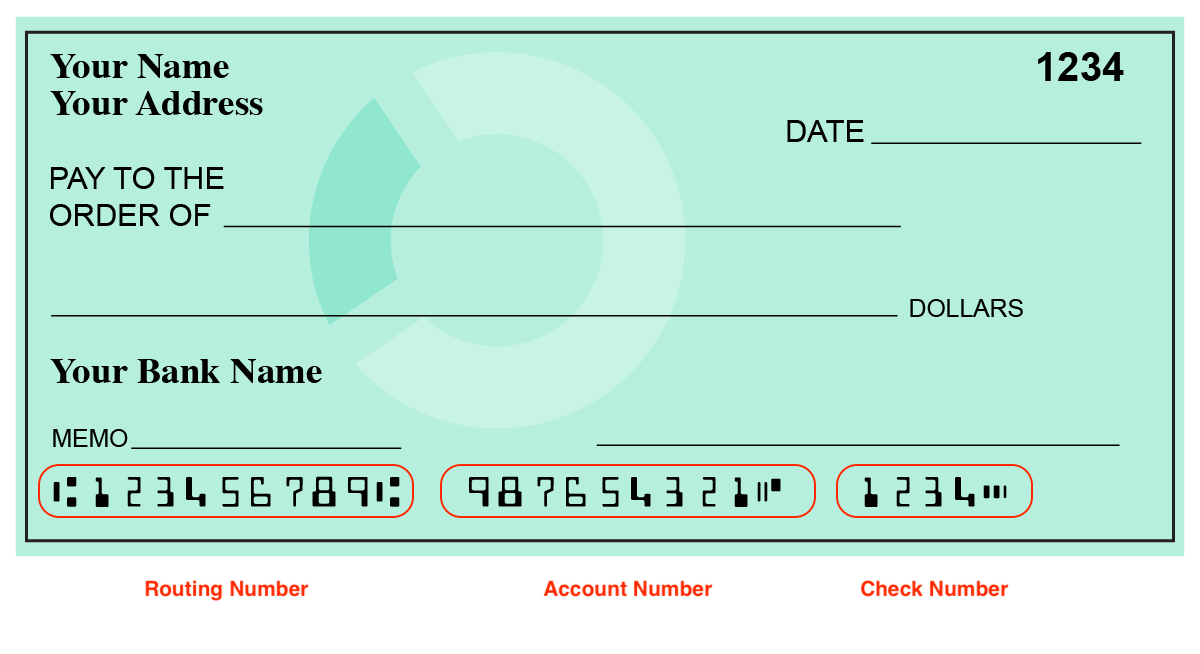
For many, the most traditional and readily available source for a routing number is their personal checkbook. If you have a physical check, you’re in luck:
- Location: Look at the bottom left-hand corner of any check from your checking account.
- Format: You’ll typically see three sets of numbers printed in magnetic ink. The first set of nine digits is your routing number. It’s usually enclosed within two colon-like symbols (:).
- Example: On a standard check, the numbers usually appear as:
: [Routing Number] : [Account Number] : [Check Number] :
This method is quick, easy, and doesn’t require internet access. However, if you primarily use digital banking and don’t keep physical checks, you’ll need to explore other options.
Navigating Your Online Banking Portal
In today’s digital age, online banking portals are a treasure trove of financial information, including your routing number. This is often the quickest and most convenient method for those who manage their accounts online.
- Log In: Access your bank’s official website and log into your online banking account using your username and password.
- Locate Account Details: Once logged in, navigate to the specific account for which you need the routing number (e.g., your checking account). Banks typically display this information prominently within the account’s details page.
- Look for Specific Labels: Search for sections labeled “Account Details,” “Direct Deposit Information,” “View Account Information,” or similar. Your routing number will usually be listed alongside your account number. Some banks might have a dedicated “Routing Number” link or section.
- Be Aware of Multiple Numbers: Some banks might display different routing numbers for specific transaction types (e.g., one for ACH transfers and another for wire transfers). Ensure you select the correct number for your intended purpose.
Always use your bank’s official website and be wary of phishing attempts that try to mimic banking portals.
Leveraging Your Bank’s Mobile App
For on-the-go access, most financial institutions offer robust mobile banking apps that mirror the functionality of their online portals. Finding your routing number through the app is usually just a few taps away.
- Open and Log In: Launch your bank’s mobile app on your smartphone or tablet and log in using your credentials or biometric authentication.
- Select Account: Tap on the specific account (e.g., checking) for which you need the routing number.
- Find Information: Look for options like “Account Info,” “Details,” “Show Details,” or “Direct Deposit Info.” The routing number is typically displayed there, often alongside your account number.
- Quick Links: Many apps provide quick links or an “FAQ” section within the app where you can find common information like routing numbers.
Mobile apps offer unparalleled convenience, making it easy to retrieve your routing number even when you’re away from a computer.
Direct Contact: When All Else Fails
If you’re unable to find your routing number through checks, online banking, or your mobile app, or if you simply prefer human interaction, contacting your financial institution directly is always a reliable option.
- Customer Service Hotline: Call your bank’s customer service number (usually found on their website, the back of your debit card, or on a recent statement). Be prepared to verify your identity with personal information (e.g., account number, address, date of birth, mother’s maiden name).
- Visit a Local Branch: If there’s a physical branch nearby, you can visit in person. A teller or customer service representative will be able to provide you with the correct routing number after verifying your identity.
- Bank Website Search: Many bank websites have a search bar or a dedicated “Routing Number” page in their help or FAQ sections. A quick search on their official site can often yield the information without needing to log in.
Using official channels ensures you receive accurate information directly from your bank, minimizing the risk of errors or scams.
Situational Insights and Common Queries
While the general methods for finding your routing number are straightforward, certain situations or specific needs can introduce nuances. Understanding these can prevent confusion and ensure smooth transactions.
Do Routing Numbers Change? Mergers & Acquisitions
For the most part, a routing number assigned to a specific bank branch remains constant. However, there are exceptions, particularly in the dynamic landscape of financial services:
- Bank Mergers and Acquisitions: When one bank acquires another, or two banks merge, the routing numbers of the acquired or merging institutions may change. Often, the acquiring bank’s routing numbers become the standard.
- Notification: If your bank’s routing number changes due to a merger, you will typically receive ample notification from the bank (via mail, email, or online banking messages) well in advance of the change. This notice will explain the new routing number and advise you on updating any direct deposits, automatic payments, or other services.
- Transition Period: Banks usually implement a transition period during which both the old and new routing numbers remain valid to allow customers time to update their information. However, it’s always best to update your details as soon as possible to avoid any interruptions.
Always pay attention to communications from your bank regarding changes to your account or bank services.
The Specificity of Wire Transfers
While the general routing number suffices for most ACH transfers (direct deposits, bill payments), wire transfers can sometimes require a different routing number or additional information.
- Domestic Wire Transfers: Some banks use a specific routing number for incoming domestic wire transfers that differs from their standard ACH routing number. This is less common but important to verify.
- International Wire Transfers: For international wire transfers, you’ll typically need a SWIFT (Society for Worldwide Interbank Financial Telecommunication) code or BIC (Bank Identifier Code) instead of or in addition to a routing number. The SWIFT code identifies the bank globally, while the routing number is specific to U.S. domestic transfers.
- Confirmation is Key: Before initiating or receiving a wire transfer, always confirm the correct routing/SWIFT code with your bank and, if possible, with the recipient to avoid delays or misdirected funds, which can be difficult to recover.
When dealing with wire transfers, it’s always prudent to be extra cautious and verify all details directly with your financial institution.
When Multiple Accounts Come into Play
If you have multiple accounts at the same bank (e.g., checking, savings, money market), you might wonder if they each have a different routing number.
- Generally the Same: For accounts at the same financial institution, the routing number is usually consistent across all your accounts (checking, savings, etc.) for standard ACH transactions. The routing number identifies the bank, not the specific account type.
- Exception: Some larger banks, especially those with a national presence, might use different routing numbers for different regions or states, even if it’s the same bank. Again, checking your specific account details online or on a check is the best way to confirm.
- Different Banks, Different Numbers: If you have accounts at different banks, each bank will undoubtedly have its own unique routing number.
Always confirm the routing number for the specific account and bank you intend to use for a transaction to avoid any mix-ups.
Safeguarding Your Financial Identity
Knowing your routing number is powerful, but with power comes responsibility. Protecting this and other financial information is paramount to maintaining your financial security and preventing fraud.
Best Practices for Sharing Your Routing Number
While your routing number is designed to be shared for legitimate transactions, it’s not something you should broadcast indiscriminately.
- Share When Necessary: It’s safe to share your routing number with trusted entities for specific purposes like setting up direct deposit with your employer, authorizing automatic bill payments, or initiating a one-time electronic transfer with a reputable company.
- Be Skeptical of Unsolicited Requests: Never provide your routing number in response to unsolicited emails, phone calls, or texts, especially if they claim to be from your bank or a government agency. Banks will rarely ask for this information directly through these channels.
- Avoid Public Exposure: Do not write your routing number on public documents or share it on social media. While a routing number alone isn’t usually enough to completely compromise an account (an account number is also needed), it’s a piece of the puzzle that fraudsters can exploit.
Think of your routing number as a semi-private piece of information – meant for specific, authorized uses, but not for general public disclosure.
The Importance of Verification
Before confirming any transaction that involves your routing number, always double-check the details.
- Review All Information: When setting up a direct deposit or automatic payment, take a moment to review the routing number, account number, and recipient details carefully. A single typo can lead to significant delays or misdirected funds.
- Confirm with Recipient: If you are sending money to someone, confirm their routing and account numbers directly with them, ideally through a separate, secure communication channel (e.g., a phone call after receiving details via email).
- Beware of Phishing and Scams: Fraudsters often try to trick individuals into providing banking details by impersonating legitimate entities. Always verify the authenticity of any request for your routing number, especially if it seems urgent or unusual. Use official contact information for the organization, not numbers or links provided in suspicious communications.
Verification is your final line of defense against costly errors and potential fraud.
Securing Your Banking Information
Protecting your routing number is part of a broader strategy for safeguarding all your financial data.
- Physical Security: Shred old bank statements, voided checks, and any documents containing your routing and account numbers before discarding them.
- Digital Security: Use strong, unique passwords for your online banking accounts. Enable two-factor authentication (2FA) whenever possible. Be cautious about where you store digital copies of sensitive financial documents.
- Monitor Accounts: Regularly review your bank statements and online transaction history for any unauthorized activity. Report suspicious transactions to your bank immediately.
- Secure Networks: Avoid accessing your online banking or performing financial transactions on public Wi-Fi networks, which can be insecure.
A proactive approach to security is the best way to protect your money and financial identity.
Maximizing Your Routing Number for Financial Efficiency
Once you understand what a routing number is and how to find it securely, you can leverage it to enhance your personal financial management and streamline your daily money matters.
Streamlining Payments and Deposits
Your routing number is a key enabler for automating and simplifying many of your financial interactions.
- Automated Bill Pay: By providing your routing and account numbers to utility companies, mortgage lenders, and other service providers, you can set up automatic payments. This ensures bills are paid on time, avoiding late fees and improving your credit score.
- Direct Deposit: Opting for direct deposit for your paycheck, government benefits, or tax refunds guarantees timely access to your funds, eliminates the hassle of cashing checks, and contributes to better financial planning.
- Seamless Transfers: Effortlessly move money between your own accounts at different banks, or send funds to friends and family through various payment apps and services that utilize ACH transfers.
Embracing these automated processes frees up time and reduces the mental load of managing numerous financial obligations.

Empowering Your Financial Management
Having ready access to your routing number means you’re always prepared to take control of your financial life.
- Quick Setup for New Services: Whether opening a new investment account, linking to a budgeting app, or signing up for a new financial product, your routing number is often one of the first pieces of information required.
- Responding to Urgent Needs: In situations requiring immediate financial action, such as an emergency transfer or an urgent payment, knowing where to quickly find your routing number can be invaluable.
- Informed Decision-Making: Understanding the role of your routing number in different transactions helps you make more informed decisions about how your money moves and how you interact with financial services.
In conclusion, the routing number, while seemingly a small detail, is a fundamental pillar of modern financial operations. By knowing how and where to find it, understanding its purpose, and adhering to best security practices, you empower yourself to navigate the financial landscape with confidence and efficiency. It’s a simple piece of information with profound implications for your personal finance journey.
aViewFromTheCave is a participant in the Amazon Services LLC Associates Program, an affiliate advertising program designed to provide a means for sites to earn advertising fees by advertising and linking to Amazon.com. Amazon, the Amazon logo, AmazonSupply, and the AmazonSupply logo are trademarks of Amazon.com, Inc. or its affiliates. As an Amazon Associate we earn affiliate commissions from qualifying purchases.