
In the intricate world of personal finance, understanding the fundamental components of your financial tools is paramount. While digital transactions increasingly dominate our economic landscape, the traditional paper check still holds a significant, albeit niche, role. Whether you’re setting up direct deposit, authorizing automatic bill payments, or simply trying to understand a financial statement, knowing how to locate your account number on a check is an essential piece of financial literacy. This seemingly small detail is a critical key to your banking relationship, uniquely identifying your specific funds within the vast infrastructure of your financial institution.

This article delves into the anatomy of a check, precisely pinpointing where your account number resides, explaining its significance, and guiding you on how to find this crucial identifier even when a physical check isn’t readily available. Furthermore, we’ll explore the vital importance of safeguarding this information in an age where digital security is more critical than ever, ensuring you’re empowered to manage your money safely and efficiently.
Understanding the Anatomy of a Check
A standard paper check might appear straightforward at first glance, but it’s a meticulously designed financial instrument containing several pieces of vital information. Each element serves a specific purpose, working together to facilitate secure and accurate transactions. Understanding these components is the first step to confidently navigating your financial responsibilities.
The Routing Number: Your Bank’s Address
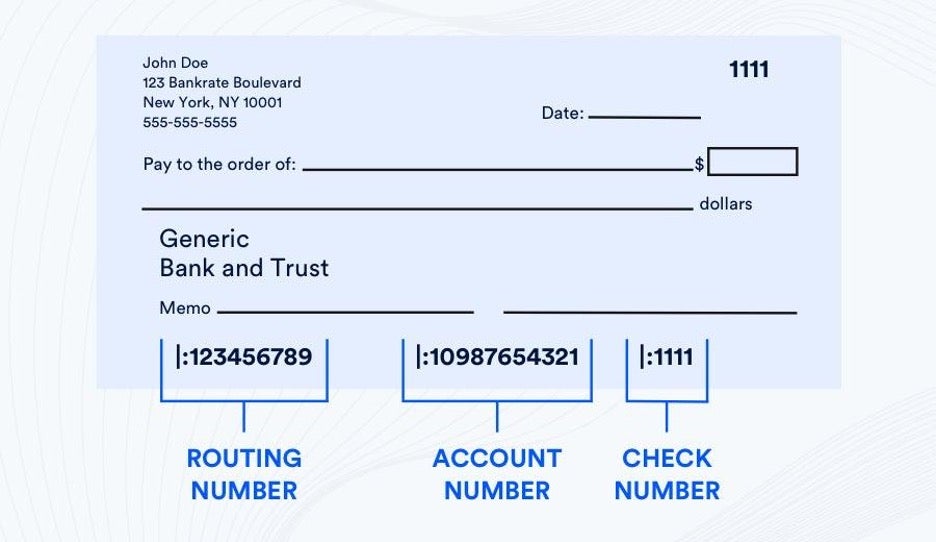
The routing number is a nine-digit code that acts like a street address for your bank. It identifies the specific financial institution that holds the account the check is drawn against. When you write a check, this number tells the receiving bank where to send the request for funds. For electronic transactions, such as direct deposits or wire transfers, the routing number ensures that funds are directed to the correct bank. It’s crucial for the smooth operation of the interbank payment system. On most personal checks, the routing number is the first set of numbers printed at the bottom, usually enclosed by special symbols and often precedes your account number. It’s specifically designed to be machine-readable, using magnetic ink character recognition (MICR) technology.
The Account Number: Your Personal Identifier
The account number is arguably the most critical piece of information on your check, as it uniquely identifies your specific bank account. Unlike the routing number, which identifies your bank, the account number points to your individual funds within that bank. This sequence of numbers, which can vary in length (typically 10 to 12 digits), is essential for almost any financial transaction involving your account. On a standard check, the account number is usually found in the middle of the three sets of numbers printed at the bottom, positioned between the routing number and the check number. It is also printed using the same magnetic ink for processing accuracy. This number is what differentiates your money from every other customer’s money at your bank, making its accuracy and security paramount.
The Check Number: Tracking Your Transactions
The check number is a sequential identifier that helps you and your bank keep track of individual checks you’ve written. Each check in your checkbook will have a unique number, typically found in two places: in the upper right-hand corner of the check and as the third set of numbers printed at the bottom, often at the very end. This number allows you to reconcile your bank statements, confirm which checks have cleared, and maintain an organized record of your spending. For instance, if you write check #101 for groceries and #102 for rent, these numbers provide a clear audit trail. When managing your finances, cross-referencing these numbers with your transaction records or online banking portal can help prevent fraud and resolve discrepancies.
Other Key Elements: Payee, Date, Amount, Signature
While not part of the numeric sequence at the bottom, other elements on a check are equally vital for its validity and successful processing. The payee line indicates who the check is payable to. The date line specifies when the check was written, impacting when it can be cashed. The amount in numbers and amount in words sections prevent discrepancies and fraud, as both must match. Finally, your signature authenticates the check, authorizing your bank to release funds from your account. Without a valid signature, a check is merely a piece of paper and cannot be processed. Understanding all these components provides a comprehensive view of how checks function within the broader financial system.
Why Your Account Number Matters (And When You’ll Need It)
Your bank account number is far more than just a string of digits; it’s a digital key to accessing and managing your financial life. While you might not frequently write paper checks, the account number remains a cornerstone for numerous essential financial operations, linking your identity to your funds across various platforms and services. Knowing when and how to provide it correctly is crucial for seamless financial interactions.
Setting Up Direct Deposit and Bill Pay
One of the most common scenarios requiring your account number is setting up direct deposit for your paycheck, government benefits, or tax refunds. Employers and government agencies need both your routing and account numbers to electronically transfer funds directly into your bank account. This eliminates the need for paper checks, speeding up access to your funds and reducing the risk of lost or stolen checks. Similarly, when you establish automated bill payments—whether for utilities, rent, or loan repayments—you’ll typically provide your account and routing numbers to authorize the service provider to debit funds directly from your account on a recurring basis. This automates your payments, helping you avoid late fees and manage your budget more effectively.
Authorizing Automatic Payments and Withdrawals
Beyond recurring bills, many services and subscriptions offer the convenience of automatic payments. This could include gym memberships, streaming services, or insurance premiums. While credit card details are often used, some providers offer direct debit from your bank account, which requires your account and routing numbers. Furthermore, if you’re making a significant one-time payment, such as a down payment or a large purchase, you might opt for an ACH (Automated Clearing House) transfer, which leverages your bank account number for a secure, direct transaction. Understanding that you are authorizing withdrawals means you should always review the terms and conditions and only provide your information to trusted entities.
Linking External Accounts and Financial Apps
In today’s interconnected financial world, you might use various financial apps or services to manage your money, such as budgeting tools, investment platforms, or peer-to-peer payment services. To fully integrate these tools with your primary banking, you’ll often need to link your bank account. This process typically involves providing your routing and account numbers to establish a secure connection, allowing funds to be transferred between accounts or for the app to track your transactions. For instance, if you use a budgeting app like Mint or YNAB, connecting your bank account provides real-time transaction data. Similarly, linking an investment account to your checking account requires these numbers to facilitate deposits and withdrawals.
Initiating Wire Transfers or ACH Payments
For larger, time-sensitive, or international money transfers, wire transfers are often used. These transactions require precise routing and account numbers to ensure funds reach the correct recipient quickly and securely. Similarly, ACH payments, while typically used for direct deposits and recurring bill payments, can also be initiated for one-off transfers between individuals or businesses, often with lower fees than wire transfers. In both cases, providing the correct account number for the recipient is critical; an error could lead to funds being misdirected, causing delays and potential loss. Always double-check these numbers before confirming any transfer.
Verifying Your Identity with Financial Institutions
Occasionally, when you contact your bank’s customer service or set up new financial products, they may ask for your account number as part of their identity verification process. This helps them confirm that they are speaking with the authorized account holder before discussing sensitive information or making changes to your account. While they will never ask for your full Social Security Number over the phone without extensive prior verification steps, your account number, combined with other personal details, is a common and secure way for them to authenticate your identity. This is a security measure designed to protect you from unauthorized access to your funds.
Locating Your Account Number Beyond the Checkbook
While the most direct way to find your account number is on a physical check, what happens when you don’t have your checkbook handy, or you primarily conduct your banking digitally? Fortunately, financial institutions provide multiple convenient and secure methods to access this crucial information without needing a paper check.
Online Banking Portals: Digital Access
Your bank’s online banking portal is often the easiest and most secure place to find your account number when you don’t have a check. Once you log in with your credentials, navigate to your account details or summary page. Most banks prominently display your account number alongside your account balance, transaction history, and other relevant information. Look for sections labeled “Account Details,” “Account Summary,” “View Account Information,” or similar. Some banks might partially mask the account number for security reasons, displaying only the last few digits. In such cases, there’s usually an option to “Show Full Account Number” or “Reveal Details” which might require re-entering your password or answering a security question to fully display it.
Bank Statements: Official Records
Your monthly bank statements, whether paper or electronic (e-statements), are official records of your account activity and always include your full account number. If you receive paper statements, you’ll find the account number typically near the top of the statement, along with your name, address, and the statement period. For e-statements, you can access them through your online banking portal, download the PDF version, and locate the number in the same prominent position. Bank statements are reliable sources, as they are generated directly by your financial institution and contain all necessary identifying information for your account. Keep in mind that older statements might not be readily available online, so having a system for archiving these documents can be beneficial.
Mobile Banking Apps: Convenience at Your Fingertips
Most modern banks offer robust mobile banking applications that provide a high level of convenience for managing your finances on the go. After logging into your app, similar to the online banking portal, you can usually find your account number by tapping on the specific account you wish to view. Look for options like “Account Details,” “Information,” or a gear/settings icon within the account view. Just like online portals, some apps might initially mask portions of the account number for security, requiring an additional tap or authentication step to reveal the full sequence. The convenience of mobile banking makes it an excellent option for quickly retrieving your account number when you’re away from your computer or checkbook.
Contacting Your Bank Directly: When All Else Fails
If you’ve exhausted digital options or prefer direct assistance, contacting your bank’s customer service is always a reliable method. You can typically find their customer service number on your bank’s website, on the back of your debit card, or on a recent bank statement. When you call, be prepared to go through a verification process, which might involve confirming personal details, answering security questions, or verifying recent transactions. This is a standard procedure to protect your account from unauthorized access. Once your identity is confirmed, the customer service representative will be able to provide you with your account number verbally. Visiting a local branch in person is another option, where a bank teller can assist you after verifying your identity with a valid ID.
Protecting Your Financial Information: Security Best Practices
Understanding where your account number is located is only half the battle; protecting it from unauthorized access is equally, if not more, important. Your account number, especially when combined with your routing number, acts as a key to your financial resources. In an era rife with identity theft and financial fraud, adopting robust security practices is non-negotiable for safeguarding your money and personal data.
Safeguarding Your Checkbook and Checks
Despite the shift to digital, many households still possess a physical checkbook. Treat your checkbook like cash or a valuable document. Store it in a secure location where it’s not easily accessible to others, and avoid leaving blank checks lying around. When you’re not using them, keep them locked away. When you do write a check, ensure you shred any voided or canceled checks before discarding them. Never pre-sign checks, and be cautious about who you give checks to. If your checkbook is lost or stolen, report it to your bank immediately so they can take appropriate action, such as closing the account or placing alerts.
Beware of Phishing and Scams
Criminals frequently attempt to trick individuals into revealing their bank account information through sophisticated phishing scams. These often involve emails, text messages, or phone calls that appear to be from legitimate organizations (like your bank, a government agency, or a well-known company). They might claim there’s an issue with your account, a prize to claim, or an urgent action required, all designed to prompt you to click a malicious link or provide your details. Always be skeptical of unsolicited requests for your account number, password, or other sensitive information. Never click on suspicious links or provide details unless you have independently verified the request’s legitimacy directly with the organization using official contact information. Remember, your bank will rarely ask for your full account number via email or text.
Secure Online Banking Habits
Your online banking portal and mobile app are secure gateways to your financial information, but their security relies heavily on your habits. Always use strong, unique passwords for your online banking accounts, combining uppercase and lowercase letters, numbers, and symbols. Enable two-factor authentication (2FA) whenever possible, which adds an extra layer of security by requiring a code from your phone or another device in addition to your password. Be wary of public Wi-Fi networks when accessing sensitive financial information, as they can be less secure. Always log out of your online banking session when finished, especially if using a shared computer. Regularly update your operating system and web browser to ensure you have the latest security patches.
Monitoring Your Accounts Regularly
Proactive account monitoring is one of the most effective ways to detect and mitigate fraud. Make it a habit to regularly review your bank statements and online transaction history for any unauthorized or suspicious activity. Set up transaction alerts with your bank so you receive notifications for large withdrawals, purchases above a certain amount, or any unusual activity. The sooner you identify fraudulent transactions, the quicker your bank can act to protect your funds and investigate the issue. Many banks offer zero-liability policies for unauthorized transactions, but timely reporting is typically a condition for these protections.
What To Do If Your Information Is Compromised
If you suspect your account number or other financial information has been compromised, act immediately.
- Contact your bank: Report the suspected fraud or theft immediately. They can freeze your account, issue a new account number, and guide you through the next steps.
- Change passwords: Update all your online banking passwords to strong, unique ones.
- Monitor credit reports: Check your credit reports from the three major credit bureaus (Experian, Equifax, TransUnion) for any new accounts opened in your name. You can place a fraud alert or a credit freeze if necessary.
- File a police report: In cases of identity theft, filing a police report can provide additional documentation.
- Report to relevant authorities: Consider reporting to the Federal Trade Commission (FTC) at IdentityTheft.gov.
Taking swift action can significantly limit the damage and help you recover from financial fraud.
The Evolution of Banking: Checks in a Digital Age
The landscape of personal finance is in constant flux, with digital innovations continually reshaping how we manage and interact with our money. While paper checks have seen a notable decline in usage, the underlying principles of account identification remain crucial, adapting to new technological paradigms. Understanding this evolution helps us appreciate the enduring importance of our bank account numbers, even as their primary method of use shifts.
The Declining Role of Paper Checks
For decades, paper checks were the primary non-cash payment method, a cornerstone of personal and business transactions. However, the rise of electronic funds transfers, debit cards, credit cards, online bill pay, and mobile payment apps has significantly reduced their prevalence. Many people now go months, or even years, without writing a single physical check. The convenience, speed, and often lower costs associated with digital payments have made them the preferred choice for most consumers. Banks and businesses have also encouraged this shift, investing heavily in digital infrastructure to streamline operations and enhance security. The process of physically clearing a check is slower and more labor-intensive compared to the instantaneous nature of many digital transfers.
Digital Payments and Their Security Implications
The decline of paper checks doesn’t mean the “account number” concept has become obsolete; rather, it has been digitized and integrated into the infrastructure of modern payment systems. When you use your debit card, for instance, the transaction is ultimately linked back to your bank account number. Online transfers and peer-to-peer payments leverage your account and routing numbers behind the scenes to move funds electronically. While these digital methods offer speed and convenience, they also introduce new security challenges. Data breaches, phishing attempts, and malware are ever-present threats. Therefore, understanding the digital pathways your money travels and the security measures protecting them is just as important as safeguarding a physical checkbook. The focus shifts from protecting a physical item to securing your digital credentials and being vigilant about online threats.

The Enduring Importance of Account Numbers
Despite the shift, your bank account number remains a fundamental identifier in the financial ecosystem. It is the unique address for your money within your bank. While you might use an app to pay a friend, or tap your card at a store, the underlying system still relies on these core identifiers to ensure funds are debited from your account and credited to another. It’s the stable anchor in a sea of evolving payment methods. From receiving your salary via direct deposit to paying your mortgage or investing in a new venture, your account number facilitates these essential transactions, often without you even seeing it. Therefore, even as we embrace the convenience of digital banking, a foundational understanding of where your account number is, what it does, and how to protect it, continues to be a vital component of robust personal financial management. It empowers you to navigate the complexities of modern money with confidence and security.
aViewFromTheCave is a participant in the Amazon Services LLC Associates Program, an affiliate advertising program designed to provide a means for sites to earn advertising fees by advertising and linking to Amazon.com. Amazon, the Amazon logo, AmazonSupply, and the AmazonSupply logo are trademarks of Amazon.com, Inc. or its affiliates. As an Amazon Associate we earn affiliate commissions from qualifying purchases.