
In the modern financial landscape, moving money from one point to another feels instantaneous. Whether you are receiving your monthly salary via direct deposit, paying a utility bill online, or sending a digital check to a friend, a complex infrastructure works behind the scenes to ensure those funds land in the correct destination. At the heart of this infrastructure is a nine-digit code known as the routing number.
While it may seem like a trivial string of digits printed on the bottom of a check, the routing number is a fundamental tool in personal finance and business banking. Understanding what it is, how it works, and why it differs from your account number is essential for anyone looking to manage their money with precision and security.
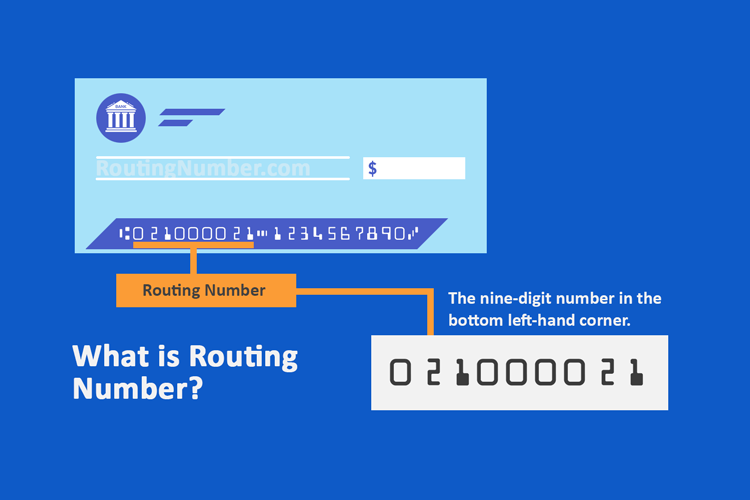
Understanding the Fundamentals of the Routing Number
A routing transit number (RTN) is a nine-digit numerical code used by financial institutions to identify themselves within the United States. Established by the American Bankers Association (ABA) in 1910, these numbers were originally designed to facilitate the sorting and shipping of paper checks. Today, they serve as the digital “address” for your bank, ensuring that transactions across the Federal Reserve or the Automated Clearing House (ACH) network are processed accurately.
The Anatomy of the Nine-Digit Code
A routing number is not a random sequence of integers. It is a structured code that provides specific information about the financial institution.
- The First Four Digits: These represent the Federal Reserve routing symbol. They identify the geographic location of the bank or the specific Federal Reserve district that services the institution.
- The Middle Four Digits: These are the unique identifier for the specific bank or thrift institution. This portion of the code ensures that the transaction is directed to the correct brand, even if that bank has thousands of branches across the country.
- The Ninth Digit: Known as the “check digit,” this number is calculated using a complex mathematical formula based on the previous eight digits. If the math doesn’t add up, the system flags the routing number as invalid, preventing processing errors before they occur.
ABA Routing Numbers vs. ACH Routing Numbers
It is a common misconception that every bank has only one routing number. In reality, many larger institutions utilize different numbers depending on the type of transaction. An ABA Routing Number is typically used for paper checks and domestic wire transfers. Conversely, an ACH Routing Number is used for electronic transfers, such as direct deposits and automated bill payments. While these numbers are often the same for smaller community banks, national banks frequently separate them to streamline their internal accounting and liquidity management.
The Role of the Fractional Routing Number
If you look closely at a physical check, you might notice a fraction-like number usually located in the upper right-hand corner. This is the Fractional Routing Number. It is a legacy system used to identify the same information as the nine-digit code at the bottom of the check but serves as a backup for processing centers. While rarely used by consumers today, it remains a vital part of the redundant security architecture of the American money system.
Why Routing Numbers are Essential for Your Personal Finances
The routing number acts as the gatekeeper for almost every transaction that involves moving money out of or into a bank account. Without this code, the financial system would be a chaotic sea of “John Smiths” and “Main Street Banks,” with no way to verify which specific vault the money belongs to.
Facilitating Direct Deposits and Government Benefits
For the average consumer, the most frequent encounter with a routing number happens during the setup of a direct deposit. Whether you are starting a new job or setting up your Social Security benefits, you must provide your routing number to ensure the electronic transfer is routed to your specific bank. Because these transfers occur via the ACH network, providing the correct routing number is the difference between getting paid on time and having your funds stuck in a “pending” status or returned to the sender.
Empowering the ACH Network and Automatic Bill Pay
The Automated Clearing House (ACH) network is the engine of the U.S. financial system. It handles trillions of dollars in transactions annually, including rent payments, mortgage installments, and utility bills. When you authorize a company to “pull” money from your account, you provide your routing number to tell their bank which institution to contact. This interbank communication is what allows for the seamless, paperless economy we enjoy today.
The Longevity of Paper Checks and the MICR Line
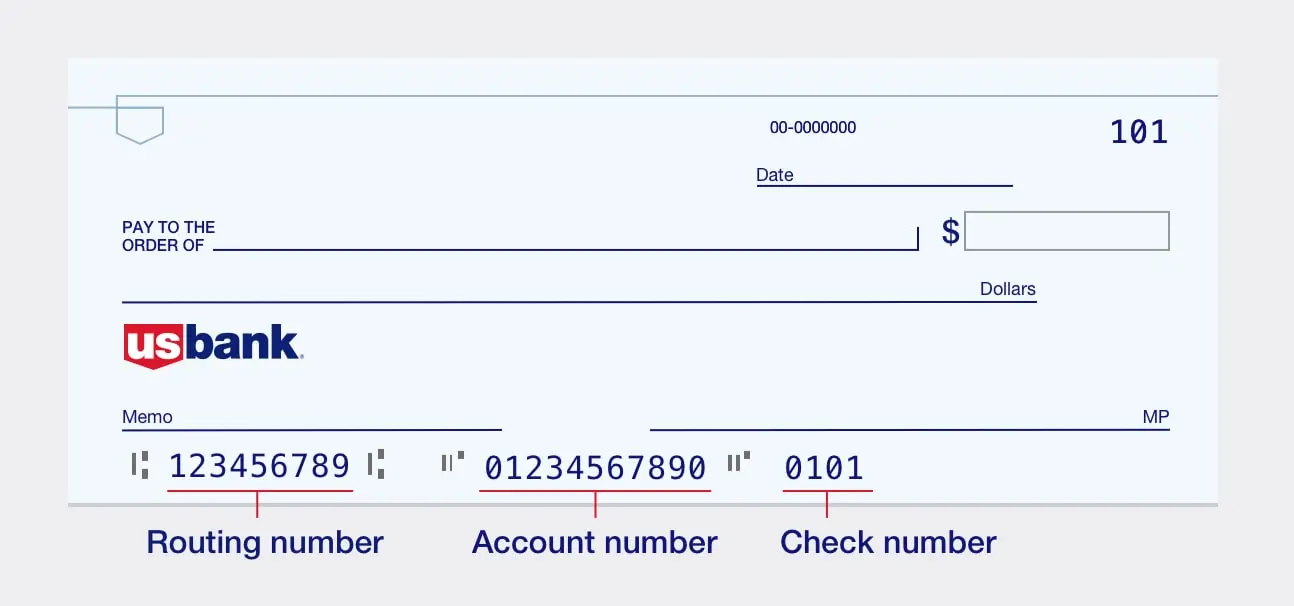
Despite the rise of digital wallets and peer-to-peer apps, paper checks remain a staple for many business transactions and large personal payments. At the bottom of every check is the MICR (Magnetic Ink Character Recognition) line. This line contains the routing number, your account number, and the check number. When a check is scanned, the routing number tells the clearinghouse exactly which bank needs to deduct the funds. Understanding this helps you realize that the routing number identifies the institution, while the account number identifies you.

How to Locate and Verify Your Bank’s Routing Number
Finding your routing number is usually a straightforward process, but it is vital to double-check the information to avoid costly financial errors. A single digit out of place can result in a rejected transfer or, in rare cases, funds being sent to the wrong institution.
Finding the Number on a Physical Check
The most traditional way to find your routing number is to look at a check associated with your account. On a standard personal check, you will see three sets of numbers at the bottom:
- The Routing Number: The first nine digits on the far left, flanked by a specific symbol.
- The Account Number: Usually the middle set of numbers.
- The Check Number: The shortest set of numbers, usually on the far right.
Utilizing Online Banking and Mobile Apps
In an era of paperless banking, many people no longer carry checkbooks. Most modern banking apps provide the routing number within the “Account Details” or “Direct Deposit Information” section. When accessing this online, be sure to verify whether you need the routing number for “Electronic/ACH” or “Wire Transfers,” as they may be different.
Official Bank Websites and the ABA Directory
If you are unable to access your account online, most banks list their routing numbers on their official websites, often in the “Frequently Asked Questions” or “Contact Us” sections. Furthermore, the American Bankers Association maintains a lookup tool and a directory of all valid routing numbers. This is a highly secure way to verify a number if you are setting up a high-value transaction, such as a down payment on a home.
Routing Numbers vs. Account Numbers and SWIFT Codes
To manage your money effectively, you must distinguish between the various codes used in the banking world. Mixing these up is one of the leading causes of failed financial transactions.
The Identity Distinction: Bank vs. Individual
The best way to visualize the difference between a routing number and an account number is to think of a large apartment complex.
- The Routing Number is the street address of the building. It tells the mail carrier (the Federal Reserve) exactly which building to go to.
- The Account Number is your specific apartment number. It tells the building manager (your bank) which specific door to deliver the package to.
Without both, the delivery (your money) cannot be completed.
Domestic vs. International: The Rise of SWIFT/BIC
Routing numbers are a uniquely American convention. If you are sending or receiving money internationally, a nine-digit routing number will not suffice. Instead, you will need a SWIFT code (Society for Worldwide Interbank Financial Telecommunication) or a BIC (Bank Identifier Code). While a routing number identifies a bank within the U.S. domestic system, the SWIFT code identifies the bank on a global scale. If you are a freelancer working with international clients or an investor in foreign markets, knowing the difference is crucial for maintaining your cash flow.
Protecting Your Financial Information and Maintaining Security
Because routing numbers are public information (anyone can find a bank’s routing number online), many people wonder if they are sensitive data. The answer is nuanced: while a routing number alone cannot be used to steal your money, it is a key piece of the puzzle that fraudsters use in “ACH fraud.”
Is a Routing Number Sensitive?
By itself, a routing number is not confidential. However, when combined with your account number, it provides everything needed to initiate a withdrawal. This is why you should be cautious about sharing images of your checks on social media or providing your banking details to unverified “online income” schemes.
Best Practices for Financial Safety
To keep your money secure, treat your routing and account number combination with the same care as your Social Security number.
- Monitor Your Statements: Regularly check your transaction history for unauthorized ACH withdrawals.
- Use Secure Portals: Only enter your routing information on encrypted, reputable websites (look for the “https” and the padlock icon).
- Be Wary of Wire Transfer Requests: If someone asks for your routing number to “wire” you money as part of a prize or a job offer you didn’t apply for, it is almost certainly a scam.
Conclusion: The Foundation of Financial Literacy
The routing number is more than just a sequence of digits; it is the silent facilitator of the American economy. By understanding its structure, its function in the ACH network, and how to distinguish it from other financial identifiers, you empower yourself to navigate the world of personal finance with confidence. Whether you are optimizing your side hustle income or simply ensuring your bills are paid on time, the routing number is a tool that ensures your capital moves safely and efficiently through the global financial ecosystem.
aViewFromTheCave is a participant in the Amazon Services LLC Associates Program, an affiliate advertising program designed to provide a means for sites to earn advertising fees by advertising and linking to Amazon.com. Amazon, the Amazon logo, AmazonSupply, and the AmazonSupply logo are trademarks of Amazon.com, Inc. or its affiliates. As an Amazon Associate we earn affiliate commissions from qualifying purchases.