
In the complex ecosystem of personal finance, certain strings of numbers act as the DNA of your financial identity. While most people are intimately familiar with their debit card digits or their account numbers, the “Routing Transit Number” (RTN) often remains a mysterious nine-digit code that only surfaces during tax season or when setting up a new job’s direct deposit. However, understanding how to find and use this number is a fundamental skill in modern financial management.
Whether you are managing a high-yield savings account, setting up automated investment transfers, or ensuring your side hustle payments arrive on time, the routing number is the bridge that connects different financial institutions. This guide provides an exhaustive look at what this number is, how to find it across various platforms, and why it remains a cornerstone of the global banking system.

Understanding the Anatomy of a Routing Transit Number
Before searching for the number, it is essential to understand what it represents. The Routing Transit Number was developed by the American Bankers Association (ABA) in 1910. Its primary purpose was to simplify the sorting and shipment of paper checks, but today it serves as the digital address for every financial institution in the United States.
The Nine-Digit Breakdown
Every RTN is exactly nine digits long. These numbers are not random; they follow a specific structure dictated by the Federal Reserve. The first four digits identify the Federal Reserve bank district where the institution is located. The next two digits represent the specific thrift or bank identifier. The seventh and eighth digits identify the specific Federal Reserve check processing center originally assigned to the bank, and the final ninth digit is a “check digit” used for verification to ensure the number was entered correctly.
Why the RTN Matters for Your Money
In the niche of personal finance, the RTN is the “GPS coordinate” for your money. Without it, the Electronic Funds Transfer (EFT) system would not know which of the thousands of banks in the country should receive your funds. Whether you are transferring money to a brokerage account or paying a mortgage, the RTN ensures that your capital moves through the Automated Clearing House (ACH) network with precision and speed.
Quick Methods to Find Your Routing Number
Locating your routing number is generally straightforward, provided you know where to look. Depending on whether you prefer tactile records or digital interfaces, there are several reliable methods to retrieve this information.
Locating it on Physical Paper Checks
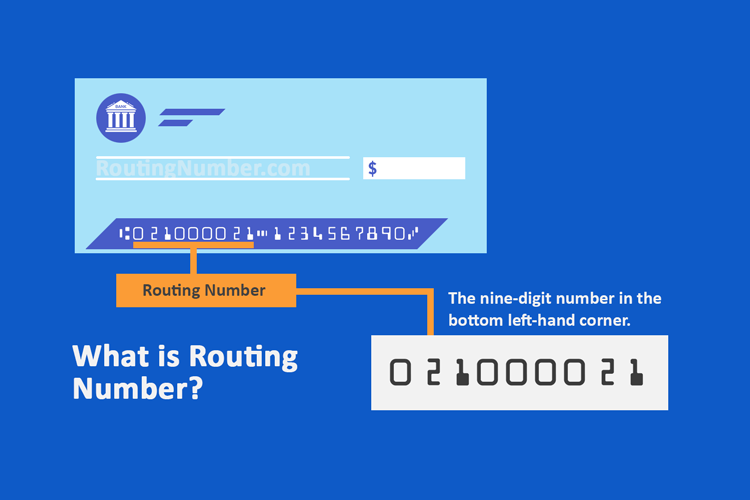
For those who still use traditional checkbooks, the routing number is hiding in plain sight. If you look at the bottom-left corner of a personalized check, you will see a string of numbers printed in a unique font known as MICR (Magnetic Ink Character Recognition). The first set of nine digits on the far left is your routing transit number. It is typically followed by your account number and then the specific check number.
Leveraging Online Banking and Mobile Apps
In the era of digital finance, most consumers have moved away from paper. To find your routing number via a mobile app or web portal:
- Log in to your bank’s secure portal.
- Navigate to “Account Details” or “Account Information.”
- Look for a tab labeled “ACH/Direct Deposit” or “Wire Instructions.”
Most major banks, such as Chase, Bank of America, or Wells Fargo, feature the routing number prominently on the account summary page because they know it is a frequently searched item for users setting up external transfers.
Bank Statements and Official Correspondence
If you do not have a checkbook and cannot access your app, your monthly bank statement is the next best source. This document, whether received via mail or downloaded as a PDF, usually lists the routing number at the top of the first page or within the “Account Summary” section. This is often the most secure way to verify the number, as it comes directly from the institution’s official ledger.

Why Different Routing Numbers Exist for the Same Bank
One of the most common points of confusion in personal finance is discovering that a single bank may have multiple routing numbers. This is not a mistake; rather, it is a functional requirement of the banking system based on geography and transaction type.
Wire Transfers vs. ACH Transfers
It is a critical distinction in financial management: a routing number for an ACH transfer (like payroll or utility bills) is often different from a routing number for a domestic or international wire transfer. Wire transfers move through the Fedwire system, which operates on different protocols than the ACH network. Before initiating a high-value wire transfer—perhaps for a home down payment or a business investment—always verify with your bank whether a specific “Wire Routing Number” is required. Using the standard ACH routing number for a wire transfer can lead to significant delays or rejected transactions.
Geographic and Regional Variations
Larger national banks often have different routing numbers based on the state or region where the account was originally opened. For example, a customer who opened an account in California will have a different RTN than a customer who opened an account in New York, even if they both use the same national bank. This is a vestige of the Federal Reserve district system. When searching for your number on a bank’s general website, you will often be prompted to select your state to ensure you receive the correct regional code.
Security and Best Practices in the Digital Age
While a routing number is not as sensitive as a Social Security number or a password, it is still a key piece of your financial identity. Managing this information with care is a vital part of maintaining digital financial security.
Is the Routing Number Private?
Technically, routing numbers are public information. You can find the routing number for any major bank with a simple search on the ABA’s official website. However, the combination of your routing number and your private account number is what allows funds to be withdrawn from your account. Therefore, you should only provide these two numbers together to trusted entities, such as your employer’s HR department, the IRS, or established financial institutions.
Verifying Routing Numbers Online
To prevent “fat-finger” errors—manually typing a wrong digit—many financial experts recommend using an RTN validation tool. The American Bankers Association provides an online lookup tool where you can input a routing number to verify which bank it belongs to. This is an excellent step to take before sending a large sum of money to a new recipient; by verifying the RTN, you ensure that the destination institution matches your expectations, providing an extra layer of due diligence in your financial transactions.
The Role of RTNs in Modern Financial Management
The routing transit number is more than just a code; it is a tool that facilitates the growth of your personal net worth. By understanding its utility, you can better navigate the modern financial landscape.
Direct Deposits and Automated Investing
The most common use for the RTN in personal finance is the setup of direct deposits. For those pursuing financial independence, the “pay yourself first” model relies on the RTN. By providing your routing and account numbers to your payroll provider, you can split your paycheck so that a portion goes directly into a brokerage or retirement account before you even see it. This automation is the backbone of consistent wealth building.
Real-Time Payments and the Future
As the world moves toward real-time payment systems (like the FedNow Service), the importance of the routing number remains. While newer technologies like Zelle or Venmo often use email addresses or phone numbers as proxies, the underlying settlement still happens between banks using—you guessed it—routing transit numbers. As we look toward the future of money, the RTN remains the bedrock of stability, ensuring that even as the speed of commerce increases, the accuracy of the destination remains absolute.
In conclusion, finding your routing transit number is a simple task that opens the door to sophisticated financial management. Whether you are looking at the bottom of a check, browsing your mobile app, or verifying a wire transfer code, these nine digits are essential for moving your capital safely and efficiently. By mastering these small details of your financial life, you gain greater control over your money and the pathways it takes to grow.
aViewFromTheCave is a participant in the Amazon Services LLC Associates Program, an affiliate advertising program designed to provide a means for sites to earn advertising fees by advertising and linking to Amazon.com. Amazon, the Amazon logo, AmazonSupply, and the AmazonSupply logo are trademarks of Amazon.com, Inc. or its affiliates. As an Amazon Associate we earn affiliate commissions from qualifying purchases.