
In the modern era of digital banking, the way we interact with our financial institutions has undergone a radical transformation. Gone are the days when a physical passbook was the only way to track your wealth. Today, JPMorgan Chase, one of the largest financial entities in the world, provides a suite of digital tools designed to give consumers total control over their liquidity. However, amidst the sleek interfaces and biometric logins, fundamental pieces of information—like your account number—remain the bedrock of your financial life. Whether you are setting up a direct deposit for a new job, authorizing an ACH transfer for a mortgage payment, or linking your account to a high-yield savings vehicle, knowing how to quickly and securely locate your Chase account number is a foundational skill in personal finance.
Understanding the Importance of Your Chase Account Number in Personal Finance
Before diving into the “how-to,” it is essential to understand the “why.” Your account number is a unique identifier that distinguishes your specific holdings from millions of others within the Chase ecosystem. In the broader context of personal finance, this number acts as your digital financial address.
The Critical Distinction: Account Numbers vs. Routing Numbers
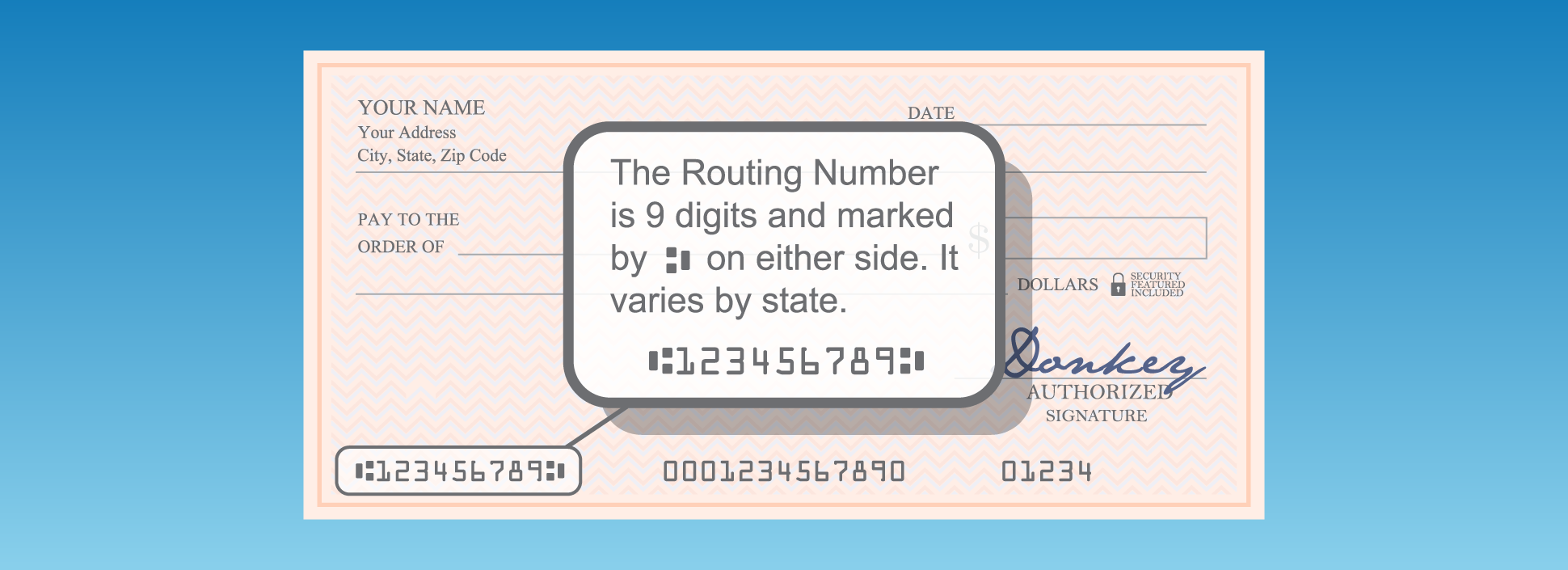
One of the most common points of confusion for those new to financial management is the difference between an account number and a routing number. Your Chase routing number (also known as an ABA routing transit number) identifies the specific financial institution—in this case, Chase—and the geographic region where your account was opened. Think of the routing number as the zip code and the account number as the specific street address of your money. You need both to move funds through the automated clearing house (ACH) network or to wire money internationally.
The Role of Account Identification in Financial Security
In an age of rising digital fraud, your account number is sensitive data. While it is necessary for legitimate transactions, it must be guarded with the same diligence as your Social Security number. Understanding where to find this number within secure environments—like the Chase encrypted app—rather than looking for it in unsecured emails or physical notes is a vital step in maintaining your financial health and preventing identity theft.
Digital Methods: Finding Your Account Number via Chase Financial Tools
As we move toward a cashless society, Chase has invested heavily in its digital infrastructure. Most users find that the most efficient way to access their account details is through the official Chase online platforms.
Navigating the Chase Mobile App
The Chase Mobile® app is a powerhouse of personal finance management. To find your account number here, follow these steps:
- Log in using your biometric data (FaceID/Fingerprint) or your secure password.
- On the main dashboard, tap the specific account you are interested in (e.g., “Total Checking”).
- Once the account details screen opens, look for the “Account Details” section or a link that says “See full account number.”
- For security purposes, Chase often masks the number (showing only the last four digits). You will likely need to tap the “Show” or “View” icon, which may prompt a secondary security check.
Utilizing the Chase Online Banking Portal
For those who prefer a desktop view for their financial planning, the Chase Online portal offers a comprehensive overview of your assets.
- Sign in to your account at Chase.com.
- On the accounts summary page, click on the specific account you need.
- Near the top of the account activity page, you will see your account name followed by the masked account number (e.g., …1234).
- Click on the link “Show account number” to reveal the full string of digits. This is particularly useful when you are copy-pasting the number into another financial tool, such as an investment platform or a tax preparation software.
Accessing Electronic Statements (eStatements)
If you need your account number for a formal application—such as a loan or a rental agreement—an eStatement is often required as proof of account ownership.
- Within the online portal or app, navigate to the “Statements & Documents” section.
- Select the most recent monthly statement and download it as a PDF.
- Your full account number is typically located at the top right or top left of the first page. This document is a “gold standard” in personal finance because it displays your name, address, and account details in a format recognized by all major financial institutions.
Traditional and Physical Methods for Locating Account Details

While digital tools are convenient, there are times when technology is unavailable or when a physical document is more practical.
Decoding Your Paper Checks
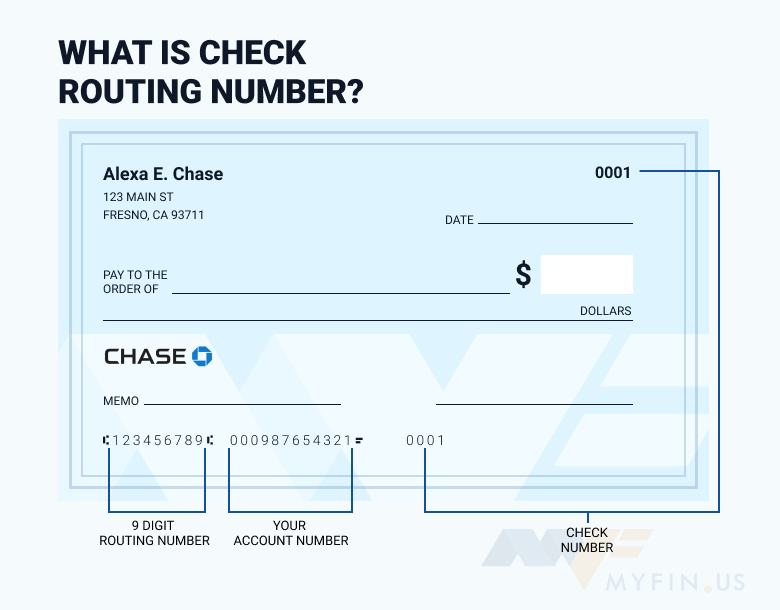
For those who still use paper checks for rent or service payments, your account number is literally at your fingertips. At the bottom of every Chase check, you will see three sets of numbers printed in a specialized font known as MICR (Magnetic Ink Character Recognition).
- The first set (nine digits) is your Routing Number.
- The second set is your Account Number.
- The third set is the specific Check Number.
Understanding how to read a check is a classic financial literacy skill that remains relevant for anyone managing a domestic budget.
Reviewing Monthly Paper Statements
If you have not opted into paperless billing, Chase mails a physical statement to your registered address every month. Just like the eStatement, the paper version contains your full account number. In the niche of personal finance, experts often recommend shredding these documents once they have been reconciled and filed digitally to prevent “dumpster diving” identity theft.
In-Branch Assistance and Verification
If you are unable to access your account online and do not have checks, you can visit a Chase branch. You will need to provide a government-issued photo ID. A personal banker can provide you with your account and routing numbers and can also print a “Direct Deposit Form,” which is a professional document that includes all the information an employer needs to funnel your salary into your account.
Protecting Your Financial Identity: Best Practices for Account Security
Finding your account number is only half the battle; the other half is ensuring that this information does not fall into the wrong hands. In the realm of business and personal finance, information security is a form of wealth protection.
Avoiding Phishing and Social Engineering
Be wary of any email, text, or phone call claiming to be from Chase asking for your full account number. Chase will never ask for your full account number via an unsolicited communication. Fraudsters often use the “urgent” tone to trick individuals into revealing financial identifiers. Always navigate directly to the official website or app rather than clicking links in messages.
Secure Storage and Digital Hygiene
If you must store your account number for easy access, do not save it in a “Notes” app on your phone or in an unencrypted Word document. Use a dedicated password manager that offers encrypted “Secure Notes” features. This ensures that even if your device is compromised, your financial “keys” remain locked behind a layer of high-level encryption.
Leveraging Your Account Information for Financial Growth
Once you have located and secured your account number, you can use it as a tool to improve your financial standing. Effective money management relies on the seamless movement of capital.
Automating Your Savings and Investments
One of the most effective strategies in personal finance is “paying yourself first.” By using your Chase account number to set up an automated transfer to a brokerage account or a high-yield savings account (HYSA), you remove the psychological barrier of manual saving. The account number is the bridge that allows your money to move from your daily spending pool into your long-term wealth-building vehicles.
Streamlining Bill Payments and Cash Flow
Linking your Chase account directly to your recurring bills (utilities, insurance, car payments) via your account and routing numbers—rather than using a debit card—can often be more secure and prevent service interruptions. Debit cards expire and can be cancelled due to fraud, but your account number remains constant, ensuring your financial obligations are met without manual intervention every time a card is replaced.
Conclusion: Mastering Your Financial Tools
Understanding the technical details of your bank account is a small but vital part of a broader financial strategy. By knowing how to navigate the Chase ecosystem—from the mobile app to physical statements—you empower yourself to make faster, more secure, and more informed financial decisions. In the journey toward financial independence, your bank account is your home base; knowing its “address” is the first step in ensuring that your money is working as hard as you are.
aViewFromTheCave is a participant in the Amazon Services LLC Associates Program, an affiliate advertising program designed to provide a means for sites to earn advertising fees by advertising and linking to Amazon.com. Amazon, the Amazon logo, AmazonSupply, and the AmazonSupply logo are trademarks of Amazon.com, Inc. or its affiliates. As an Amazon Associate we earn affiliate commissions from qualifying purchases.