
In the landscape of American personal finance, JPMorgan Chase & Co. stands as a titan. As one of the “Big Four” banks, it offers a sophisticated blend of traditional reliability and cutting-edge financial technology. Choosing to open a Chase account is often the first step in a broader strategy to streamline personal cash flow, build a credit profile, or scale a business. Whether you are a student looking for your first checking account or a high-net-worth individual seeking a premium banking relationship, understanding the mechanics and strategic advantages of the Chase ecosystem is essential. This guide provides a professional deep dive into the selection, application, and optimization process for opening a Chase account.

Choosing the Right Chase Account for Your Financial Goals
Before initiating an application, it is imperative to align your choice of account with your specific financial trajectory. Chase offers a diverse suite of products, each tailored to different stages of wealth accumulation and management.
Chase Total Checking® vs. Chase Secure Banking℠
The most common entry point is the Chase Total Checking® account. It is designed for everyday financial management, providing access to over 15,000 ATMs and 4,700 branches. For many, the primary draw is the user-friendly interface and the ability to waive the monthly service fee through qualifying direct deposits or by maintaining a minimum daily balance.
Conversely, for those focused on financial recovery or strict budgeting, Chase Secure Banking℠ offers a unique value proposition. Unlike traditional checking, it lacks paper checks, which helps prevent overdraft fees. This is a strategic “Money” tool for individuals who want to manage their spending strictly within their available balance while still enjoying the security of a major financial institution.
High-Yield Options and Savings Strategies
In the realm of personal finance, liquidity is king. Chase provides several savings tiers, such as Chase Savings℠ and Chase Premier Savings℠. While the base interest rates are conservative compared to online-only “neo-banks,” the value lies in the “relationship rates.” By linking a savings account to a premium checking account, users can unlock slightly higher yields and benefit from automated savings tools like “Autosave,” which uses algorithmic triggers to move money from checking to savings based on your spending patterns.
Specialized Accounts for Students and Businesses
Chase also caters to specific demographics through Chase High School Checking℠ and Chase College Checking℠. These accounts are instrumental in building financial literacy, often featuring lower fees and simplified requirements. For entrepreneurs, Chase Business Complete Banking® is a cornerstone of business finance. It integrates payment processing directly into the checking account, allowing small business owners to manage their cash flow, payroll, and merchant services through a single dashboard.
Preparing for the Application: Documentation and Eligibility
Banking in the United States is governed by strict “Know Your Customer” (KYC) and Anti-Money Laundering (AML) regulations. To ensure a seamless application process, one must have the necessary documentation ready.
Personal Identification Requirements
To open an account, you must provide a government-issued photo ID. This is typically a U.S. Driver’s License, a State ID, or a Passport. Furthermore, you will need your Social Security Number (SSN) or Individual Taxpayer Identification Number (ITIN). These identifiers are not just for security; they are essential for Chase to report interest income to the IRS and to conduct the soft credit inquiry that often accompanies new account openings.
Financial Documentation and Opening Deposits
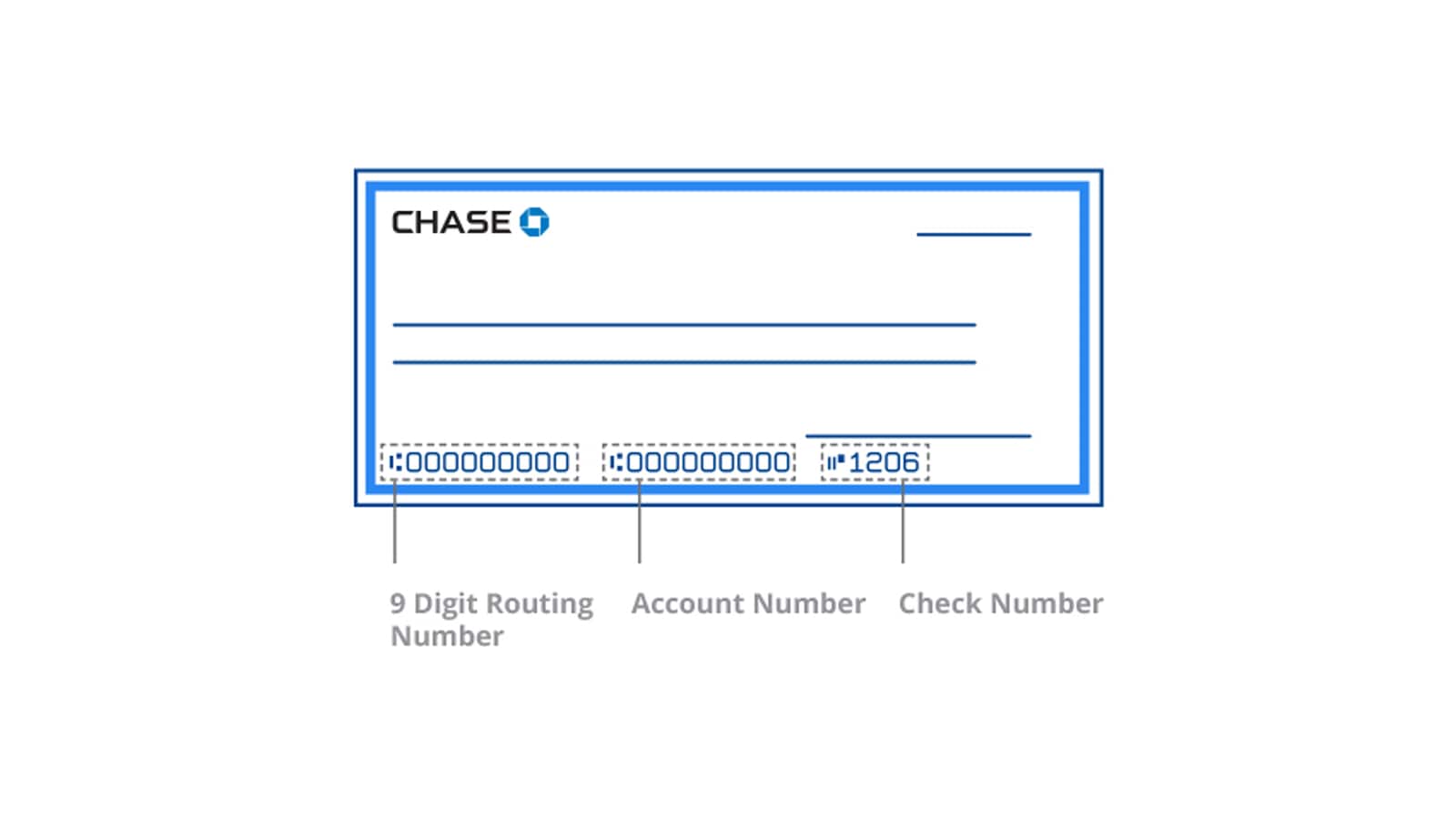
While some Chase accounts allow for a $0 opening deposit, others require a minimum initial funding amount to activate. If you are transferring funds from another institution, have your current routing and account numbers available. From a wealth management perspective, it is often wise to have at least $25 to $100 ready for an initial deposit to ensure the account remains in good standing from day one.
Age and Residency Considerations
Generally, you must be 18 years old to open an individual bank account. For minors, a co-owner (typically a parent or guardian) is required. Furthermore, while Chase has a massive digital presence, they typically require a U.S. residential address. If you are an international student or a foreign professional, you may need to visit a branch in person to provide secondary proof of residency, such as a utility bill or a lease agreement.
Step-by-Step Guide to Opening a Chase Account Online
The digital transformation of finance has made it possible to open a Chase account in under ten minutes. The online application is streamlined, yet it requires precision to avoid processing delays.
Navigating the Chase Website or Mobile App
The process begins at the Chase official website or via the Chase Mobile® app. A professional tip for the savvy consumer: always look for “Coupon Codes” or promotional offers before signing up. Chase frequently offers sign-up bonuses ranging from $200 to $600 for new customers who meet certain direct deposit requirements. Entering these codes at the start of the application is a simple way to generate an immediate return on your new financial relationship.
Filling Out the Digital Application
The application will prompt you for personal details, including your employment status and annual income. This information helps the bank assess your financial profile for future credit offers. You will also be asked to choose between an individual or joint account. Joint accounts are common in household finance for shared expenses, but they grant both parties equal access to the funds, which is an important legal and financial distinction to consider.
Verification and Security Protocols
Once the data is entered, Chase uses third-party verification services to confirm your identity. You may be asked “out-of-wallet” questions—questions about your past addresses or vehicle registrations that only you would know. Once verified, you will set up your digital banking credentials. Implementing Multi-Factor Authentication (MFA) at this stage is a critical step in digital security to protect your capital from unauthorized access.
In-Person Branch Applications: The Traditional Approach
Despite the rise of digital banking, there are distinct strategic advantages to opening an account at a physical Chase branch, particularly for complex financial needs.
Scheduling an Appointment with a Personal Banker
For those looking to establish a long-term relationship with the bank, scheduling an appointment is recommended. A personal banker can provide insights into products that may not be prominently featured online, such as the Chase Private Client program. This tier of banking offers personalized investment advice through J.P. Morgan wealth management and can be a pivot point for high-level financial planning.
What to Bring to the Branch
If you choose the in-person route, bring two forms of identification (e.g., a Driver’s License and a Credit Card or Social Security Card). If you are opening a business account, you will also need your Employer Identification Number (EIN) and your Articles of Organization or Incorporation. Having these physical documents allows the banker to bypass certain digital verification hurdles that occasionally flag legitimate applicants.
Instant Debit Card Issuance and Onboarding
One of the primary perks of visiting a branch is the potential for an “Instant Issue” debit card. While online applicants must wait 5–7 business days for their card to arrive in the mail, many branches can print a functional debit card on-site. This allows you to fund the account and begin utilizing your capital immediately, which is vital for urgent financial transitions.
Optimizing Your New Account for Financial Success
Opening the account is merely the beginning. To truly leverage the power of the Chase ecosystem, you must optimize the account for efficiency and growth.
Setting Up Direct Deposit and Autopay
To avoid monthly maintenance fees and qualify for sign-up bonuses, setting up a direct deposit is the most effective strategy. From a personal finance standpoint, this “automates” your wealth building. Simultaneously, enrolling in “Bill Pay” for your recurring expenses ensures that you never miss a payment, thereby protecting your credit score—a fundamental pillar of financial health.
Leveraging the Chase Mobile® App for Wealth Management
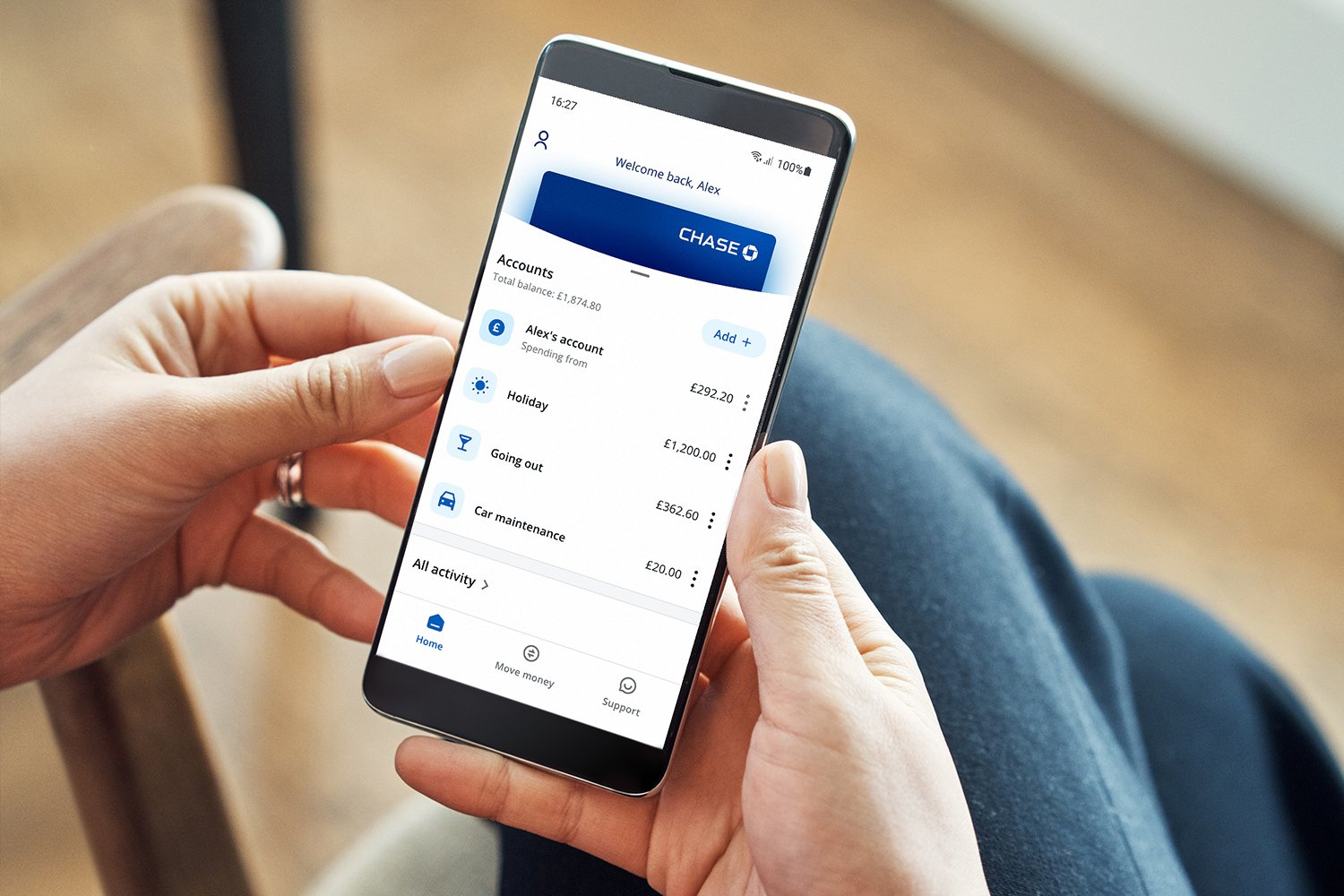
The Chase app is more than just a tool to check balances; it is a comprehensive financial dashboard. Users can monitor their “Credit Journey,” a free service that tracks your VantageScore® and provides tips for improvement. Furthermore, the app integrates with J.P. Morgan Self-Directed Investing, allowing you to move money from your checking account into stocks or ETFs with a few taps. This integration is a prime example of how modern banking tools facilitate seamless wealth accumulation.
Avoiding Fees and Maintaining Minimum Balances
A professional approach to banking requires a keen eye on the “fine print.” To ensure your account remains a net positive for your net worth, you must understand the fee structure. This includes knowing the daily balance required to waive fees, understanding the window for “overdraft protection,” and being aware of out-of-network ATM charges. By maintaining the requisite “relationship balance,” you ensure that the bank’s services remain a tool for your benefit rather than a drain on your resources.
In conclusion, opening a Chase account is a strategic move into a robust financial ecosystem. By selecting the right account tier, preparing the correct documentation, and utilizing the bank’s digital and physical infrastructure, you set a solid foundation for your financial future. Whether your goal is daily liquidity, business expansion, or long-term investment, Chase provides the tools necessary to navigate the complexities of modern money management with confidence and professional rigor.
aViewFromTheCave is a participant in the Amazon Services LLC Associates Program, an affiliate advertising program designed to provide a means for sites to earn advertising fees by advertising and linking to Amazon.com. Amazon, the Amazon logo, AmazonSupply, and the AmazonSupply logo are trademarks of Amazon.com, Inc. or its affiliates. As an Amazon Associate we earn affiliate commissions from qualifying purchases.