
When a consumer asks, “Where is Costco?” they are rarely just looking for a pin on a map. In the modern retail landscape, that question represents a search for a specific brand experience—one defined by high-quality curation, a “treasure hunt” atmosphere, and an ironclad commitment to value. From a brand strategy perspective, the physical location of a Costco warehouse is the result of a meticulously calculated master plan. It is not merely about real estate; it is about the intersection of corporate identity, demographic synergy, and market psychology.
Understanding “where” Costco chooses to plant its flag offers a masterclass in brand positioning. Unlike traditional retailers that aim for a presence on every street corner, Costco’s “where” is defined by scarcity, intentionality, and a deep understanding of its core audience. This article explores the strategic framework behind Costco’s geographic footprint and how its location strategy reinforces its status as one of the world’s most disciplined brands.

The Brand Blueprint: How Costco Selects Its “Where”
Costco does not choose its locations at random. Its site selection process is a fundamental component of its corporate identity. The brand positions itself as an exclusive club for the discerning consumer, and its locations must reflect that prestige while remaining accessible enough to facilitate high-volume bulk shopping.
Demographics and the High-Income Suburban Identity
The primary driver of Costco’s “where” is the psychographic and demographic profile of the surrounding population. The Costco brand thrives in areas characterized by high household income and homeownership. Because the Costco business model relies on bulk purchasing, its ideal customer must have two things: the disposable income to spend $200+ per visit and the physical space (a garage, pantry, or basement) to store large quantities of goods.
By focusing on affluent suburban corridors, Costco reinforces its brand as a “smart” choice for the wealthy. It is one of the few brands that successfully bridges the gap between luxury and utility. You will find a Costco in a zip code where the residents drive premium SUVs, reinforcing the brand association that buying in bulk is a savvy financial move for those who could afford to shop anywhere.
The Real Estate of Bulk: Designing the Warehouse Experience
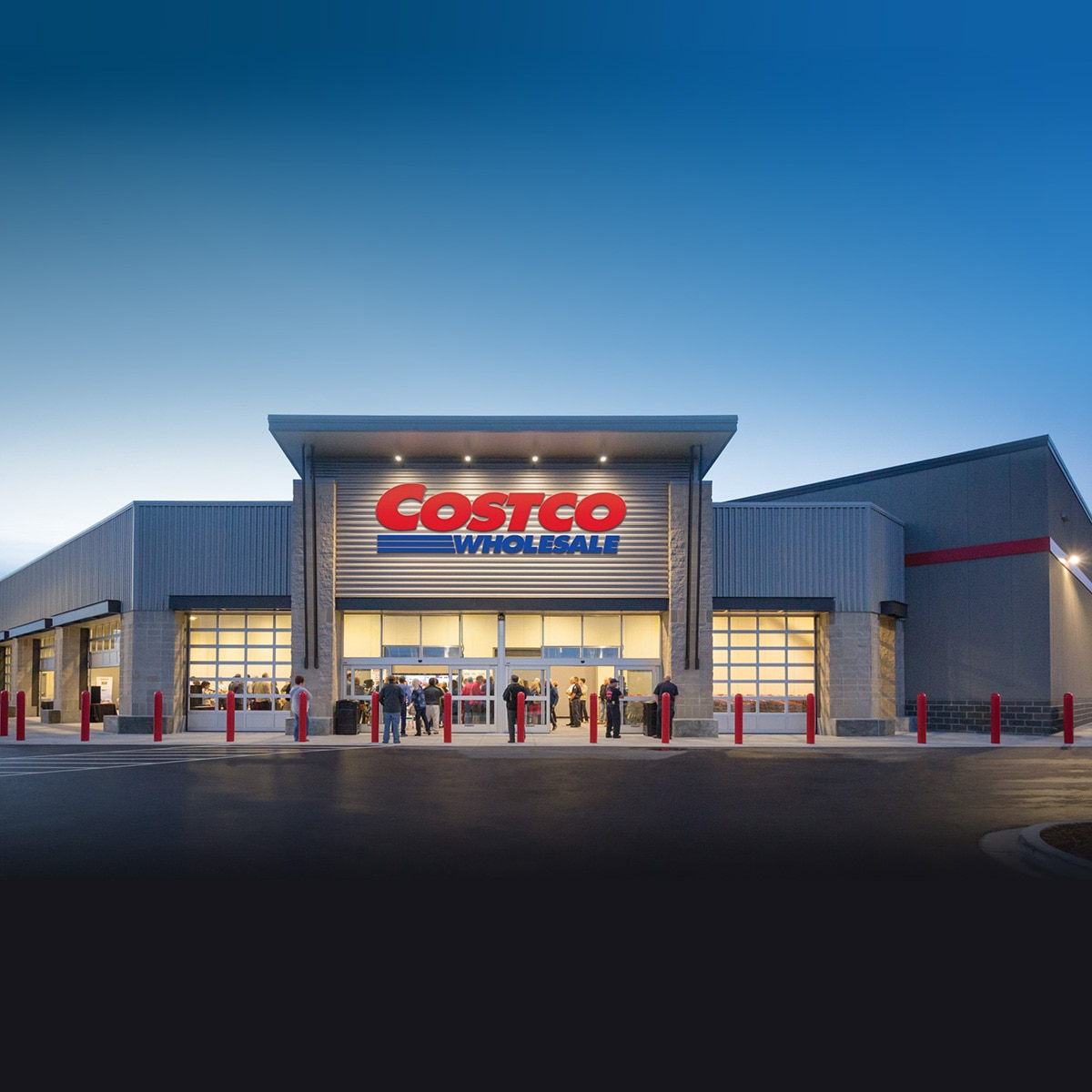
The physical nature of a Costco warehouse—averaging 145,000 square feet—dictates its geography. The brand avoids high-rent urban centers unless they can secure a footprint large enough to maintain their “no-frills” aesthetic. This industrial, concrete-floor design is a deliberate branding choice. It signals to the member that every dollar saved on decor is a dollar passed on to them in product savings.
The “where” also involves the “how.” Costco locations are often situated near major highway interchanges. This isn’t just for logistics; it’s about the “destination” nature of the brand. Costco members are willing to drive 20 to 30 minutes to reach a warehouse because the brand has successfully positioned the trip as an event rather than a chore. The location becomes a hub, drawing from a wide radius and creating a sense of community among “the initiated.”
Beyond Borders: Costco’s International Brand Adaptation
As Costco moves into international markets, the question of “where” becomes even more complex. The brand has demonstrated a remarkable ability to export its American-style warehouse model while adapting its identity to fit local cultural nuances. This international expansion is a cornerstone of its long-term brand strategy.
Cracking the Code in Asia: The China and Japan Success Stories
When Costco opened its first warehouse in Shanghai, China, the world watched to see if the bulk-buy model would translate to a market characterized by smaller living spaces and a preference for fresh, daily shopping. The result was a viral success that forced the store to close early on its first day due to overwhelming crowds.
In Asia, Costco’s “where” is strategically chosen to represent an “American lifestyle” brand. The products—ranging from Kirkland Signature staples to luxury handbags—create a brand identity of authenticity and high standards. By selecting high-density urban fringes in markets like Shenzhen and Tokyo, Costco has positioned itself as an aspirational destination. In these markets, the brand identity isn’t just about saving money; it’s about accessing a curated selection of global goods that cannot be found elsewhere.
Maintaining Brand Consistency in Diverse Markets
The challenge of global expansion is maintaining a unified brand voice across different geographies. Whether a Costco is in Iceland, Australia, or Mexico, the core pillars of the brand remain identical: the membership fee, the limited SKU count, and the “treasure hunt” layout.

This consistency is vital. A Costco member from Seattle should be able to walk into a warehouse in Madrid and feel an immediate sense of brand familiarity. This “geographic portability” of the brand identity is what allows Costco to scale so effectively. They do not change their soul for a new market; they simply find the locations where their soul will resonate most clearly.
The Digital “Where”: Costco’s E-commerce and Omnichannel Strategy
In the 21st century, “where is Costco” also refers to its presence in the digital ether. For years, Costco was a laggard in the e-commerce space, a choice that was actually a deliberate brand strategy. The brand was built on the “treasure hunt” experience—the idea that you come in for milk and leave with a 75-inch television and a kayak. That experience is difficult to replicate on a smartphone screen.
Bridging the Gap Between Physical Warehouses and Online Presence
Today, Costco’s digital “where” serves to complement, not replace, its physical warehouses. The brand strategy online focuses on items that are difficult to stock in-store—patios, high-end jewelry, and bulk electronics. By differentiating the online inventory from the warehouse inventory, Costco ensures that the digital experience doesn’t cannibalize the foot traffic that is the lifeblood of its business model.
This omnichannel approach allows the brand to reach members where they are. The “where” of Costco is now in the pocket of every member via their app, allowing for digital membership cards and gas price checks. However, the brand remains disciplined: they use digital tools to drive people back to the physical locations, reinforcing the core brand identity of the warehouse experience.
The Role of the App in the Local Brand Experience
The Costco app is a bridge between the digital and physical “where.” By integrating features like “Warehouse Offers” and “Gas Station Prices,” the app serves as a navigational tool that pulls the consumer into the physical store. From a marketing perspective, this is genius. It acknowledges the consumer’s need for digital convenience while doubling down on the brand’s greatest strength: the physical environment of the warehouse.
The Future of the Warehouse: Where Costco is Headed Next
Looking forward, the brand’s geographic strategy is evolving to meet new challenges. The retail world is changing, and Costco is identifying new “wheres” that will define its growth over the next decade.
Emerging Markets and the Next Growth Frontiers
Costco is increasingly looking toward markets that mimic the suburban growth patterns of the United States in the 1980s and 90s. This includes further expansion into Eastern Europe and intensified efforts in the secondary cities of China. The brand’s strategy is to identify the “new middle class” globally—consumers who are newly empowered with disposable income and a desire for high-quality Western goods.
By being early movers in these markets, Costco establishes brand loyalty that can last for generations. They aren’t just opening stores; they are planting the seeds of a brand identity that equates “Costco” with “quality of life.”
Sustainability and Localized Logistics
The “where” of Costco is also being influenced by sustainability and supply chain efficiency. To maintain its brand promise of low prices, Costco is investing in vertical integration—such as its own chicken processing plants and logistics fleets. This means that “where” Costco is located is increasingly determined by its proximity to its own supply chain hubs.
This “farm-to-warehouse” brand strategy is becoming a key talking point for the company. It allows them to tell a story of quality control and environmental responsibility, which appeals to a younger, more socially conscious demographic. As the brand moves forward, its locations will not just be points of sale, but links in a highly efficient, transparent, and sustainable ecosystem.
Conclusion: The Location is the Message
In conclusion, “where is Costco” is a question that reveals the heart of the brand’s strategic genius. Through a combination of demographic precision, cultural adaptability, and a disciplined approach to both physical and digital spaces, Costco has built a brand that transcends mere retail.
The “where” of Costco is a physical manifestation of its corporate values: efficiency, exclusivity, and an unrelenting focus on the member. Whether it is a suburban warehouse in Ohio or a bustling flagship in Shanghai, the location serves to reinforce the brand’s identity as a sanctuary of value in a chaotic retail world. As the company continues to expand, its geographic footprint will remain its most powerful marketing tool—a map of where the brand’s unique promise meets the world’s most loyal consumers.
aViewFromTheCave is a participant in the Amazon Services LLC Associates Program, an affiliate advertising program designed to provide a means for sites to earn advertising fees by advertising and linking to Amazon.com. Amazon, the Amazon logo, AmazonSupply, and the AmazonSupply logo are trademarks of Amazon.com, Inc. or its affiliates. As an Amazon Associate we earn affiliate commissions from qualifying purchases.