
In the contemporary landscape of live entertainment, the transition from physical box offices to sophisticated digital marketplaces has transformed how fans access high-demand events. At the center of this evolution is Ticketmaster, a platform that utilizes complex algorithms, data verification, and multi-layered security protocols to manage the surge of traffic during ticket releases. Understanding how to navigate this ecosystem is no longer a matter of luck; it is a technical endeavor that requires a deep dive into the software architecture, API integrations, and digital security measures that govern the presale process.
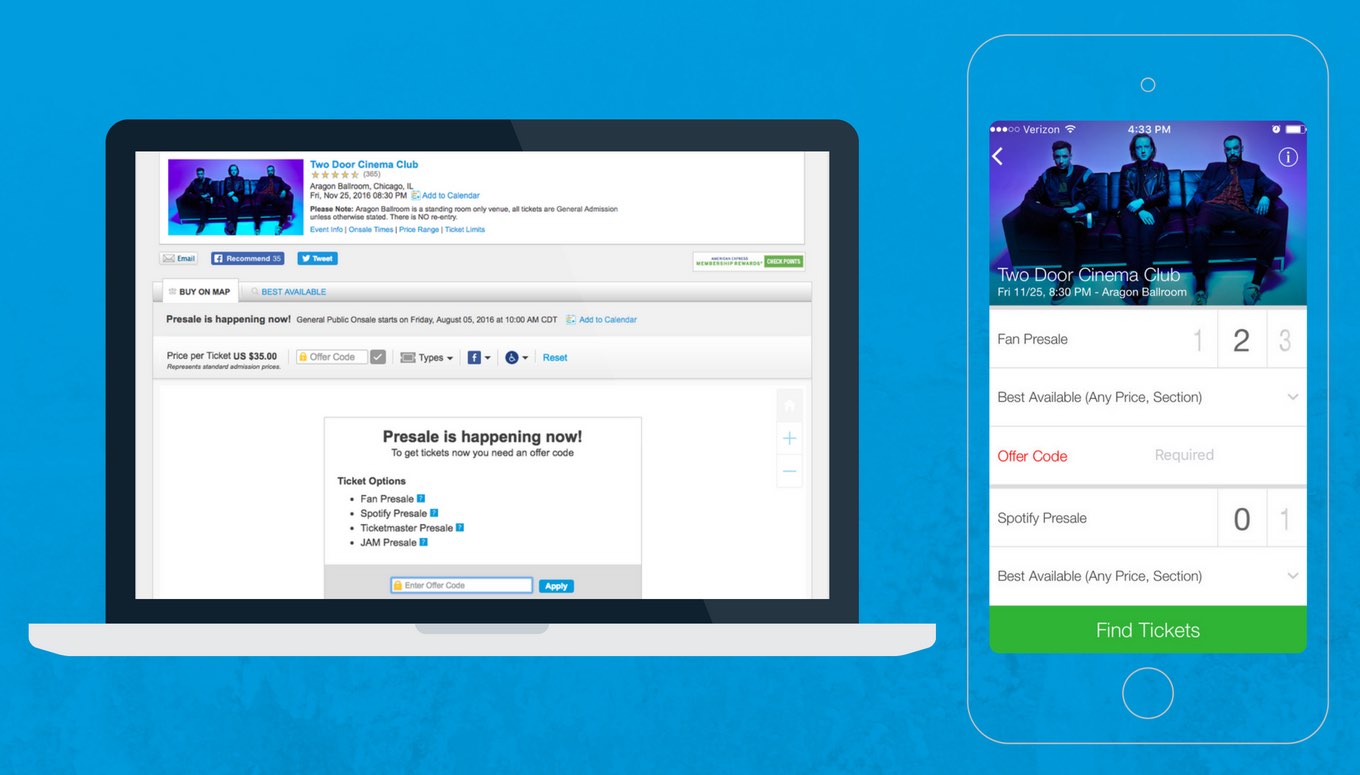
For those looking to secure tickets before the general public, the “presale” represents the most viable path to success. However, gaining entry into these exclusive windows requires more than just a fast internet connection. It requires a strategic optimization of one’s digital footprint and an understanding of the underlying technology that identifies a legitimate human user versus a sophisticated bot.
The Architecture of Priority Access: Understanding the Verified Fan System
The most significant hurdle in the modern ticketing era is the “Verified Fan” program. This is not merely a registration list but a sophisticated data-vetting engine designed to filter out automated scalping software (bots) and prioritize real users.
How Machine Learning Filters Out Automated Bots
The Verified Fan technology uses machine learning models to analyze account history and behavior. When you register for a presale, the system doesn’t just look at your email address; it cross-references your account’s “reputation score.” This score is built over time through various telemetry data: how long the account has existed, previous purchase history, and even interaction patterns on the site. By analyzing these data points, Ticketmaster’s backend can predict with high statistical probability whether an account belongs to a genuine fan or a “bot farm.”
The Logic of the Registration Window and Code Distribution
The presale process begins days before the tickets actually go on sale. During the registration window, Ticketmaster’s servers collect user data, which is then processed through a deduplication algorithm to ensure that single users aren’t utilizing multiple identities to circumvent purchase limits. Once the verification phase is complete, the system utilizes a randomized selection process to distribute unique, alphanumeric access codes via SMS. These codes are tied to specific user IDs and device fingerprints, making them difficult to transfer or sell on secondary markets—a technical deterrent against bulk ticket acquisition.
Strategic Account Optimization and Digital Footprint
To ensure a seamless transition from the waiting room to the checkout page, a user’s digital environment must be configured for maximum efficiency. Technical glitches during the high-pressure minutes of a presale are often the result of client-side issues rather than server-side failures.
Configuring Your Profile and Browser Environment
The first step in technical preparation is the optimization of the browser environment. Ticketmaster’s web interface relies heavily on JavaScript and persistent cookies to maintain session integrity. Users should ensure that their browsers are updated to the latest version to support the most recent security patches and rendering engines. It is also critical to disable any aggressive ad-blockers or VPNs (Virtual Private Networks). VPNs, in particular, often share IP addresses across hundreds of users; if the Ticketmaster security layer detects multiple login attempts from a single IP, it may trigger a “403 Forbidden” error or flag the session as suspicious, effectively locking the user out of the presale.
The Importance of Payment Middleware and Saved Credentials
Latency is the enemy of the presale. Every second spent typing in a credit card number or an expiration date is a second where the ticket inventory could be depleted. By leveraging Ticketmaster’s encrypted payment vault—storing credit card information in the “My Account” section prior to the sale—users bypass several steps in the checkout API. This creates a more direct path from “Add to Cart” to “Confirm Purchase,” reducing the number of server requests required to finalize the transaction. Furthermore, ensuring that the billing address on file matches the credit card’s records precisely prevents a mismatch error during the real-time authorization handshake between Ticketmaster and the banking institution.
Navigating the Presale Ecosystem: API Integrations and Third-Party Partnerships
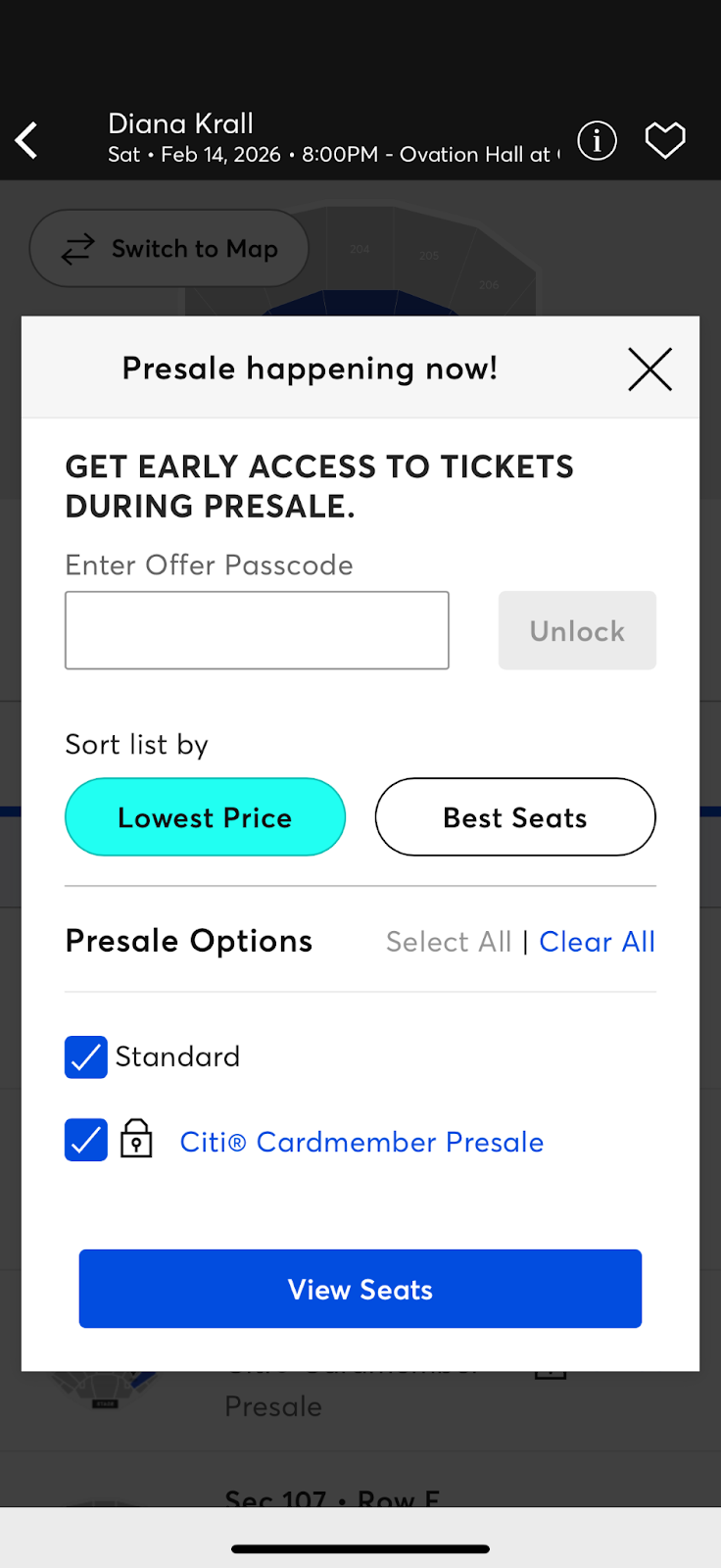
Ticketmaster does not operate in a vacuum. Much of its presale inventory is gated behind partnerships with financial institutions and digital service providers. Accessing these requires an understanding of how these different platforms communicate via APIs.
Leveraging Credit Card API Portals
Major financial entities like American Express, Chase, and Capital One often have dedicated presale allocations. This process typically involves an API handshake where the ticketing platform verifies the first six digits of a credit card (the BIN number) to unlock a specific inventory tier. To utilize these, users must often enter the site through a specific landing page that triggers the partner-specific authentication layer. Understanding which cards hold which “keys” is a vital component of a successful digital strategy.
Spotify and Artist-Specific Digital Integrations
Streaming platforms like Spotify have integrated their listener data with Ticketmaster’s backend. This “Fans First” initiative uses streaming telemetry to identify the top percentage of listeners for a specific artist. When an artist announces a tour, Spotify triggers an automated email containing a unique presale link or code to these users. This is a prime example of cross-platform data synchronization, where your digital consumption habits on one software platform (Spotify) serve as a credential for access on another (Ticketmaster).
Execution Infrastructure: Optimizing Hardware and Connectivity
When the countdown timer hits zero, the performance of your hardware and the stability of your network become the primary variables for success.
Mobile App vs. Desktop: The Latency Factor
A common debate among power users is whether to use the Ticketmaster mobile app or a desktop browser. From a technical standpoint, the mobile app often offers a more streamlined experience because it communicates through a dedicated API designed for mobile data packets, which can sometimes be more resilient than the standard web-based HTTP requests. However, the app requires a strong, stable signal. For those on a desktop, a hardwired Ethernet connection is always superior to Wi-Fi, as it minimizes packet loss and reduces the “ping” or latency between the user’s computer and the Ticketmaster Content Delivery Network (CDN).
Cache Management and Session Persistence
Before a presale begins, it is advisable to clear the browser cache and cookies—specifically for Ticketmaster—to ensure that no “stale” session data interferes with the new login. Once the user enters the “Waiting Room,” it is vital not to refresh the page. The Waiting Room is a sophisticated queue management script that assigns a “token” to each user based on their arrival time. Refreshing the page can result in the loss of that token, effectively sending the user to the back of the virtual line.
Security Protocols and Real-Time Queue Management
Ticketmaster’s “Smart Queue” is the final technical hurdle. This system is designed to act as a load balancer, preventing the transaction servers from crashing under the weight of millions of simultaneous requests.
Understanding the Smart Queue Logic
The Smart Queue utilizes a “First-In, First-Out” (FIFO) logic, but with several layers of security verification running in the background. As you move forward in the queue, the system is performing real-time checks on your session. It monitors for “automated behavior,” such as rapid clicking or multiple browser tabs being open under the same account. Opening multiple tabs for the same event can lead to a “Session Conflict” error, as the backend database struggles to sync the same user ID across different queue positions.
Multi-Factor Authentication (MFA) and Session Integrity
In recent years, Ticketmaster has integrated mandatory Multi-Factor Authentication (MFA) into the login process for high-demand presales. This adds a layer of security where a code is sent to the user’s registered mobile device. This step is crucial for verifying “session persistence”—proving that the person who registered for the code is the same person currently trying to buy the tickets. From a technical perspective, ensuring that your mobile device is charged and has a clear signal is as important as the computer you are using to browse the site.
In conclusion, securing a presale on Ticketmaster is a process defined by technical preparation and an understanding of digital systems. By optimizing account settings, ensuring hardware and network reliability, and understanding the data-driven nature of “Verified Fan” and partner integrations, users can significantly increase their chances of navigating the digital queue successfully. In the high-stakes world of online ticketing, those who master the tech are the ones who get the seats.
aViewFromTheCave is a participant in the Amazon Services LLC Associates Program, an affiliate advertising program designed to provide a means for sites to earn advertising fees by advertising and linking to Amazon.com. Amazon, the Amazon logo, AmazonSupply, and the AmazonSupply logo are trademarks of Amazon.com, Inc. or its affiliates. As an Amazon Associate we earn affiliate commissions from qualifying purchases.