
In the rapidly evolving landscape of personal finance, the boundary between traditional banking and digital technology has blurred. Cash App, developed by Block, Inc., has emerged as a cornerstone of this transition, providing users with a versatile platform to manage their wealth, spend efficiently, and bridge the gap between physical cash and digital assets. At the heart of this ecosystem is the Cash Card—a Visa debit card that allows users to spend their Cash App balance at any retailer that accepts Visa. However, to maximize the utility of this financial tool, one must master the various methods of funding the account.

Understanding how to add money to a Cash App card is more than a technical necessity; it is a fundamental skill for modern financial management. Whether you are seeking to streamline your daily spending, save through instant rewards, or manage your side-hustle income, knowing the nuances of account funding is essential.
Understanding the Role of Cash App in Modern Personal Finance
Before diving into the mechanics of adding funds, it is important to understand why Cash App has become such a pivotal tool in the personal finance space. Unlike traditional brick-and-mortar banks, fintech platforms prioritize speed, accessibility, and user-centric features that encourage better money habits.
The Shift from Traditional Banking to Fintech
For decades, personal finance was synonymous with monthly statements, physical branches, and high overhead costs. Today, the shift toward mobile-first banking has democratized access to financial tools. Cash App serves as a “financial hub” that integrates peer-to-peer (P2P) payments, stock trading, Bitcoin investment, and everyday spending into a single interface. By adding money to your Cash App card, you are essentially moving liquidity into a more agile environment where money can be deployed instantly.
Why Your Cash Card is a Central Tool for Liquidity
Liquidity refers to how quickly you can access and spend your money. While a traditional savings account might offer security, it often lacks the immediate utility needed for daily transactions. The Cash Card bridges this gap. By maintaining a funded Cash App balance, you ensure that your capital is ready for use, whether you’re splitting a dinner bill via the app or using the physical card to buy groceries. This fluidity is a hallmark of sophisticated personal finance management in the 21st century.
Practical Methods to Fund Your Cash App Balance
There are three primary ways to ensure your Cash App card is ready for use: digital transfers from linked accounts, physical cash deposits at retail locations, and incoming P2P transfers. Each method serves a different financial need, depending on your current source of income and your proximity to physical infrastructure.
Linking a Bank Account or Debit Card
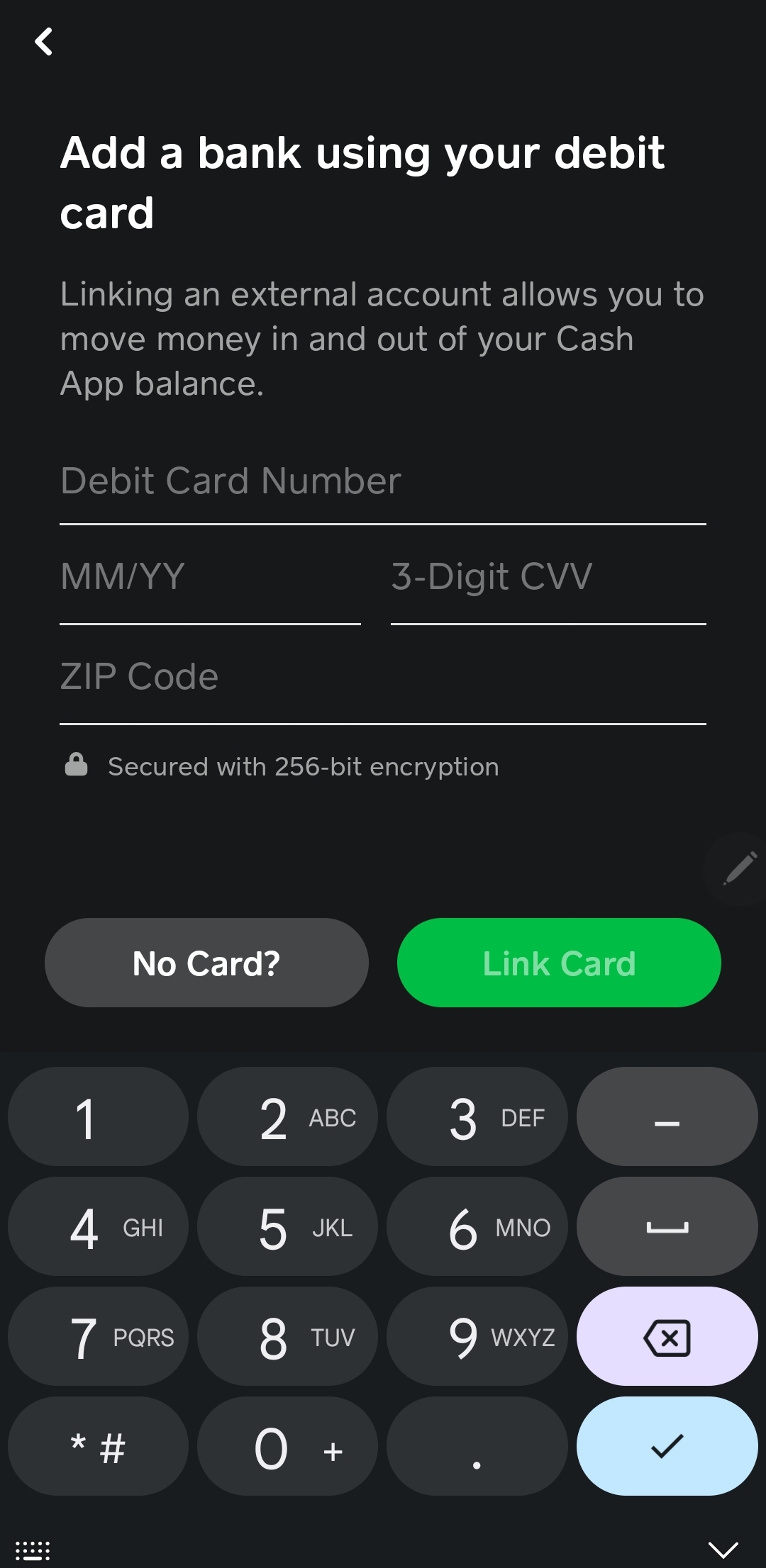
The most common and efficient way to add money to your Cash App card is by linking a traditional bank account or a debit card. This creates a bridge between your “stagnant” bank funds and your “active” digital wallet.
- Standard Transfers: To do this, you navigate to the “Banking” tab in the app, select “Add Cash,” and choose the amount you wish to transfer. These transfers are typically instantaneous when using a debit card, allowing for immediate spending.
- Financial Strategy: From a personal finance perspective, linking your primary bank account allows you to treat Cash App as a “discretionary spending” envelope. By transferring a set amount of “fun money” or “grocery budget” each month, you can prevent overspending on your main account and better track your financial goals.
Adding Cash at Physical Retail Locations
One of the most innovative features of Cash App is its ability to accept physical currency deposits, often referred to as “Paper Money” deposits. This is a game-changer for those who receive tips in cash or prefer to keep a portion of their wealth in physical form but need digital access for online purchases.
To use this method, you generate a barcode within the app, which a cashier at a participating retailer (such as Walgreens, 7-Eleven, or Walmart) scans. You hand over the cash, and the funds are added to your balance for a small fee. This method integrates the “unbanked” or “underbanked” into the digital economy, providing a secure way to digitize physical wealth without needing a traditional bank branch.
Receiving Payments from Other Users
The P2P aspect of Cash App is perhaps its most famous feature. Receiving money from friends, family, or clients is an effortless way to fund your card. Whether you are collecting payment for a side hustle or getting reimbursed for a group gift, these funds land directly in your Cash App balance. Utilizing this as a funding source is an excellent way to manage “found money” or irregular income streams, keeping them separate from your primary salary.

Maximizing the Utility of Your Cash App Card
Simply having money on your card is the first step; using that money strategically is what defines a savvy financial actor. Cash App offers several built-in features that can help your money work harder for you.
Leveraging “Cash Boosts” for Everyday Savings
“Cash Boosts” are essentially instant discount programs that you can apply to your Cash Card. When you have funds on your card, you can select a “Boost” for specific retailers—such as coffee shops, grocery stores, or gas stations—and receive an immediate percentage or dollar amount off your purchase.
From a money management perspective, this is “micro-saving.” If you consistently use a 5% grocery boost, you are effectively increasing your purchasing power without increasing your income. It is a disciplined way to lower your cost of living through the smart application of digital financial tools.
Direct Deposit and Early Paycheck Access
For many users, the ultimate way to “add money” to their Cash App card is to bypass traditional banks entirely through direct deposit. Cash App provides users with a routing and account number, allowing employers to deposit paychecks directly into the app.
The financial advantage here is often speed. Many Cash App users receive their paychecks up to two days earlier than they would at a traditional bank. In the world of finance, time is money. Having access to your capital 48 hours earlier can help avoid late fees on bills, allow for earlier investment in the market, or simply provide a greater cushion for weekend expenses.
Security and Management of Your Digital Assets
As you increase the amount of money you hold within digital ecosystems, the importance of financial security cannot be overstated. Managing your Cash App balance requires a professional approach to digital hygiene.
Best Practices for Financial Security on Mobile Apps
To protect your funds, it is vital to utilize the security features provided by the platform. This includes enabling “Security Lock” (requiring FaceID, TouchID, or a PIN for every transaction) and “Incoming Mail” notifications. In the niche of personal finance, your “digital vault” is only as secure as your weakest password. Treating your Cash App card with the same level of scrutiny as a high-balance credit card is essential for long-term financial health.
Monitoring Transactions and Budgeting
The transparency of digital wallets allows for superior tracking of expenses. Unlike cash, which can “disappear” without a trace, every cent added to and spent from your Cash App card is logged. Periodically reviewing these transactions is a core habit of successful money managers. By categorizing your Cash Card spending, you can identify leaks in your budget and adjust your funding habits accordingly.
The Future of Digital Wallets and Your Financial Health
As we look toward the future, the concept of “adding money to a card” is expanding. It is no longer just about USD; it is about a diversified portfolio of assets that can be liquidated or moved at a moment’s notice.
Integrating Stocks and Bitcoin into Your Strategy
Cash App allows users to buy stocks and Bitcoin directly with their balance. This means that “adding money” to your account can be the first step toward long-term wealth building. You can set up “Auto-Invest” to take a portion of the funds you add each week and put them into an S&P 500 ETF or Bitcoin. This transforms the Cash App card from a mere spending tool into a comprehensive wealth-management engine.
In conclusion, knowing how to add money to your Cash App card is the entry point into a sophisticated world of digital finance. By utilizing linked accounts for discipline, retail deposits for liquidity, and direct deposits for speed, you can create a seamless financial workflow. When combined with the savings power of Cash Boosts and the growth potential of integrated investing, the Cash App card becomes more than just a piece of plastic—it becomes a vital asset in your journey toward financial independence.
aViewFromTheCave is a participant in the Amazon Services LLC Associates Program, an affiliate advertising program designed to provide a means for sites to earn advertising fees by advertising and linking to Amazon.com. Amazon, the Amazon logo, AmazonSupply, and the AmazonSupply logo are trademarks of Amazon.com, Inc. or its affiliates. As an Amazon Associate we earn affiliate commissions from qualifying purchases.