
In the evolving landscape of digital finance, the ability to move fluidly between physical currency and digital assets is a cornerstone of modern money management. Cash App, developed by Block, Inc., has transcended its origins as a simple peer-to-peer (P2P) payment tool to become a robust financial ecosystem. Central to this ecosystem is the Cash App Card—a customizable Visa debit card that allows users to spend their digital balance at physical and online retailers. However, the utility of the card is entirely dependent on one’s ability to fund it efficiently. Understanding how to add cash to your Cash App card is not merely a technical necessity; it is a strategic move for anyone looking to optimize their personal liquidity and leverage the benefits of contemporary financial tools.
Understanding the Role of the Cash App Card in Modern Personal Finance
The shift toward a cashless society does not happen overnight, and for many, the transition requires a bridge between traditional banking and digital-first platforms. The Cash App Card serves as this bridge, providing users with the flexibility of a traditional bank account without the often-cumbersome overhead of legacy institutions.
The Transition from Digital Balances to Physical Spending
For many freelancers, gig workers, and side-hustlers, income often arrives in fragmented digital bursts. Whether it is a payment for a freelance project or a split dinner bill from a friend, that money often sits idle in a digital wallet. The Cash App Card transforms these digital bits into usable capital. By understanding the mechanics of funding the card, users can ensure that their digital earnings are immediately available for real-world expenses, from groceries to gas, thereby increasing the velocity of their personal capital.
Why Maintaining a Liquid Balance Matters
Liquidity refers to how quickly an asset can be converted into spendable cash without losing value. In a financial emergency or even during day-to-day budgeting, having a funded Cash App card ensures that you are not reliant on the clearing times of traditional ACH transfers, which can take several business days. By mastering the various methods of adding funds—whether through digital transfers or physical cash deposits—you create a high-liquidity environment that supports agile financial decision-making.
Primary Methods for Adding Funds to Your Cash App Ecosystem
The most common way to fund a Cash App card is by leveraging existing digital infrastructure. This involves moving money from established financial institutions into the Cash App environment. This method is preferred by those who use Cash App as a secondary spending account or a tool for specific budget categories.
Linking a Traditional Bank Account or Debit Card
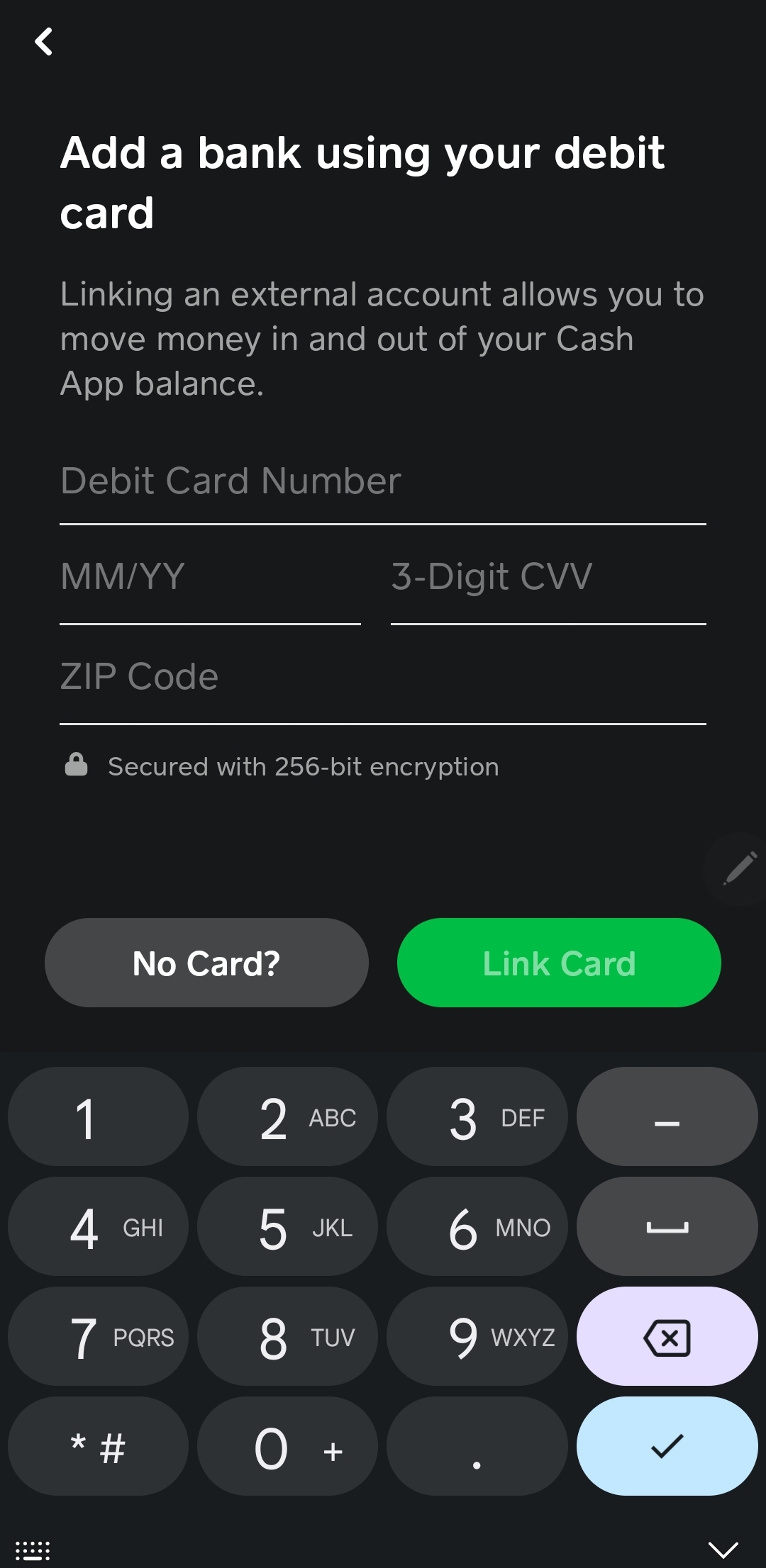
To initiate a seamless flow of funds, the first step is linking a source account. Cash App utilizes encrypted protocols to connect to your traditional bank. By linking a debit card, users can perform “Instant Deposits,” though these may come with a small percentage fee. Alternatively, linking a bank account via routing and account numbers allows for standard transfers. From a financial strategy standpoint, linking a dedicated “bills” account to Cash App can help insulate your primary savings from daily spending, acting as a disciplined budgeting firebreak.
Utilizing the “Add Cash” Feature within the App
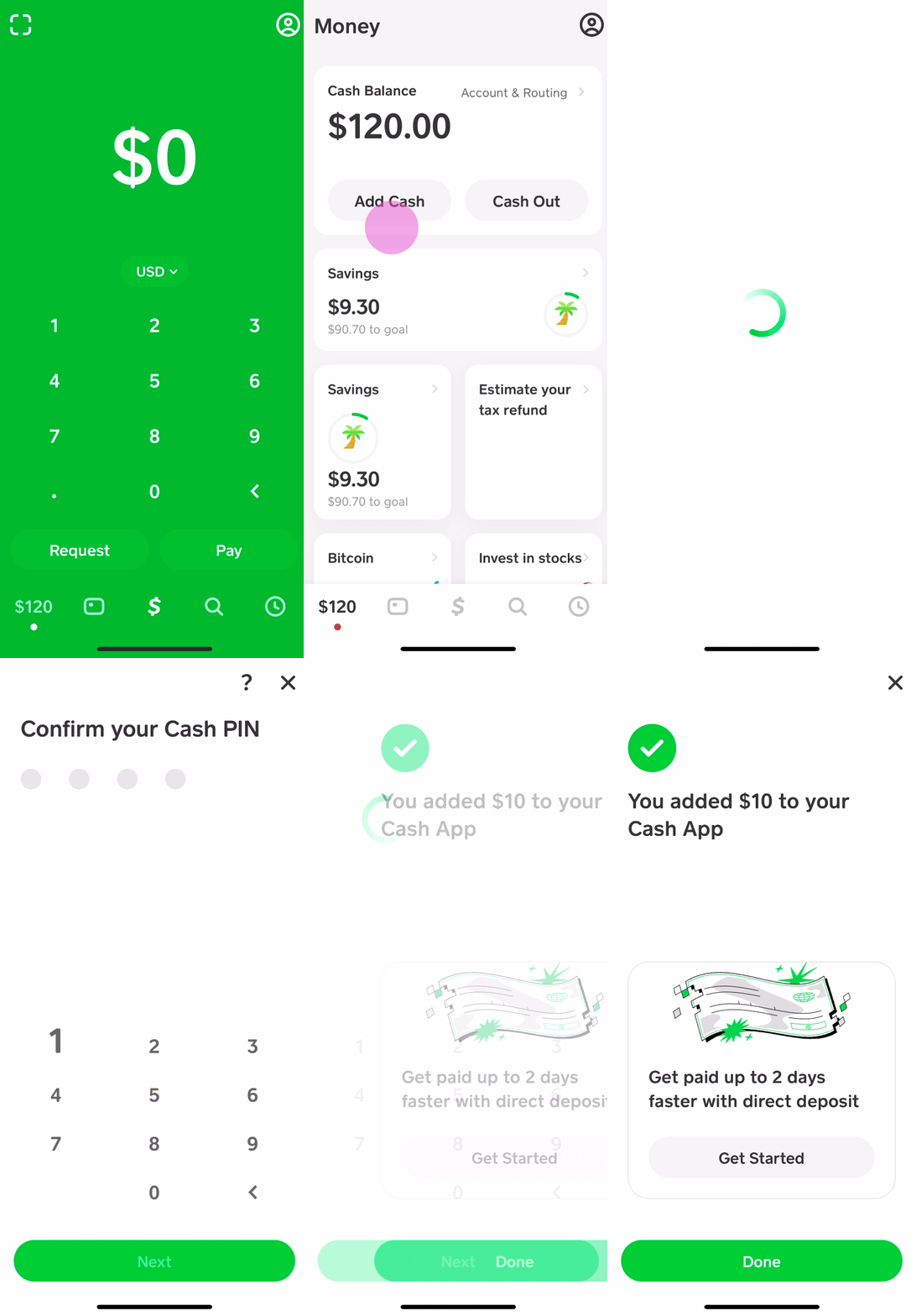
Once a source is linked, the “Add Cash” function becomes your primary tool. Within the banking tab of the app, users can select specific increments—$10, $25, $50, or custom amounts—to move from their bank to their Cash App balance. This balance is what the Cash App Card draws from. For those practicing “envelope budgeting,” this is an excellent way to digitize the process: you “Add Cash” to the app at the start of the week, and that becomes your strict limit for discretionary spending on the card.
Direct Deposit: Automating Your Inflow
For those looking to move away from traditional banks entirely, Cash App offers a direct deposit feature. By providing your employer with the routing and account numbers found in your Cash App settings, you can have your paycheck deposited directly into the app. Financially, this is advantageous as it often allows users to access their funds up to two days earlier than traditional banks. It eliminates the “funding” step entirely, as the card is automatically replenished every payday.
Bridging the Gap: Adding Physical Cash at Retail Locations
One of the most innovative features of Cash App is its “Paper Money” deposit functionality. This feature acknowledges that we still live in a world where physical cash exists—tips, cash gifts, or sales from local marketplaces. Converting this physical cash into a digital balance is crucial for maintaining a unified financial record.

How Paper Money Deposits Work at Partner Retailers
Cash App has partnered with major national retailers, including 7-Eleven, Walgreens, Walmart, and Family Dollar, to allow for cash “reloads.” Instead of needing a bank teller or an expensive wire service, you can simply walk into a retail location and hand physical bills to the cashier. This democratizes access to digital finance for the unbanked or underbanked, allowing them to participate in the digital economy using physical currency.
Generating the Barcode for In-Store Deposits
To use this method, you must navigate to the “Paper Money” section within the Cash App banking tab. The app will generate a unique, time-sensitive barcode. The cashier scans this barcode, takes your cash, and the funds are typically credited to your account within minutes. From a money management perspective, this is a vital tool for those who receive a portion of their income in cash but want to use that money for online subscriptions, digital bill pay, or to take advantage of the Cash App Card’s “Boosts.”
Understanding Transaction Fees and Limits
It is important to note the financial costs associated with physical deposits. Most retail deposits incur a flat fee (typically around $4 per transaction). Furthermore, there are limits—often $500 per transaction and $1,000 per seven days. For the savvy financial planner, this means that depositing small amounts of cash frequently is inefficient due to the flat fee. It is more cost-effective to aggregate your physical cash and make a single larger deposit once a month to minimize the percentage of your capital lost to transaction costs.
Peer-to-Peer Transfers and Secondary Funding Sources
Beyond self-funding, your Cash App card balance can be replenished through the platform’s social features. This is often the fastest way to increase your balance without touching your external bank accounts.
Receiving Payments from Other Users
The P2P nature of Cash App means that any money sent to your $Cashtag is immediately available on your Cash App Card. For those involved in the “gig economy” or peer-to-peer sales (such as through Facebook Marketplace), accepting payments via Cash App is a direct injection of liquidity into your spending card. Unlike some other platforms that hold funds for 24–48 hours, Cash App funds are generally available for immediate use at the point of sale via the card.
Security Best Practices for P2P Funding
When using P2P transfers as a primary funding method, financial security is paramount. Always verify the identity of the sender before confirming a transaction. Because Cash App transactions are often instantaneous and irreversible, they are targets for social engineering scams. To protect your capital, treat your $Cashtag like a bank account number; only share it with trusted parties and enable “Security Lock” features (Pin or Touch ID) for every transfer and card use.
Strategic Financial Management Using Your Funded Cash App Card
Adding cash to your card is the tactical step; using those funds to improve your financial standing is the strategic goal. The Cash App Card offers unique features that traditional debit cards lack, making it a powerful tool for the financially conscious consumer.
Leveraging “Cash Boosts” for Budget Optimization
One of the most compelling reasons to fund your Cash App card is “Boosts”—instant discount rewards at specific merchants (e.g., 5% off groceries or $1 off at coffee shops). By strategically adding just enough cash to cover these specific categories, you can essentially manufacture a “discount” on your cost of living. This is a form of micro-investing where the “return” is the money saved on essential expenses.
Monitoring Expenses and Real-Time Financial Tracking
Unlike traditional bank statements that may take days to update, Cash App provides immediate push notifications for every transaction. This real-time feedback loop is essential for maintaining a strict budget. When you add cash to the card, you are setting a boundary. By monitoring the balance in real-time, you develop a more intuitive sense of your spending habits, allowing for more disciplined financial behavior over the long term.
Conclusion: Digital Banking as a Tool for Financial Freedom
The ability to easily add cash to a Cash App card represents more than just a convenience; it represents the decentralization of personal finance. By mastering the various funding avenues—from digital bank links and direct deposits to physical retail reloads—you gain total control over your liquidity.
In a world where financial agility is increasingly linked to economic success, utilizing tools like the Cash App Card allows individuals to manage their money with the precision of a professional treasurer. Whether you are using it to partition your spending, save on daily purchases through Boosts, or bridge the gap between cash and digital commerce, the Cash App Card is a foundational element of a modern financial toolkit. By applying the strategies outlined above, you ensure that your money is always where you need it, when you need it, and working as hard as possible for your financial future.
aViewFromTheCave is a participant in the Amazon Services LLC Associates Program, an affiliate advertising program designed to provide a means for sites to earn advertising fees by advertising and linking to Amazon.com. Amazon, the Amazon logo, AmazonSupply, and the AmazonSupply logo are trademarks of Amazon.com, Inc. or its affiliates. As an Amazon Associate we earn affiliate commissions from qualifying purchases.