
In the rapidly evolving landscape of financial technology, the way we perceive and handle currency has shifted from physical bills to digital ledgers. Among the vanguard of this movement is Cash App, a versatile financial tool developed by Block, Inc. Originally designed as a peer-to-peer (P2P) payment service, it has transformed into a comprehensive personal finance ecosystem. Whether you are looking to split a dinner bill, invest in the stock market, or manage your daily expenses through a dedicated debit card, understanding how to use Cash App effectively is essential for modern financial literacy. This guide explores the multifaceted utility of the platform, framing it as a central pillar of your digital financial strategy.
1. Setting Up for Success: Integrating Cash App into Your Financial Ecosystem
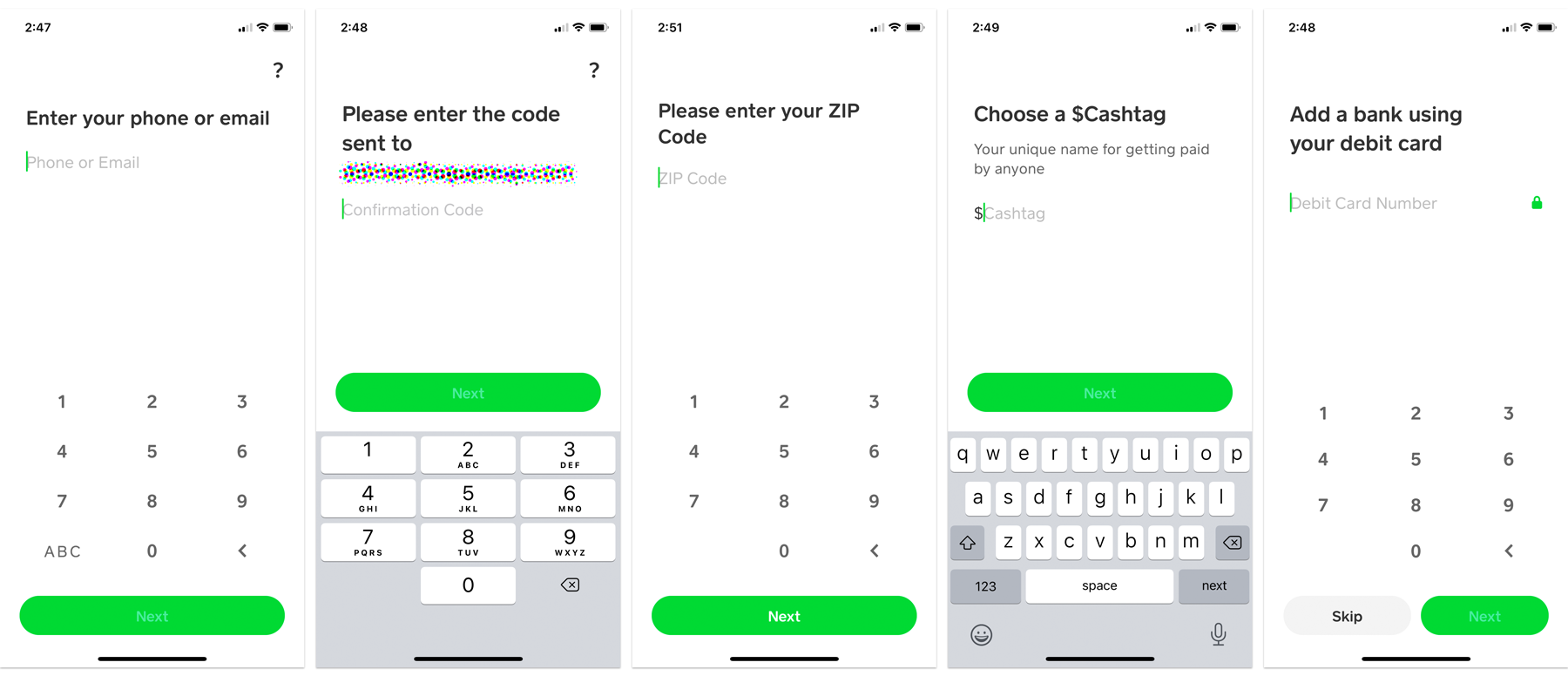
Before diving into transactions, it is crucial to establish a secure and well-integrated foundation. Cash App is more than just a software application; it acts as a bridge between your traditional banking institution and the digital economy.
Establishing Your Financial Identity with a $Cashtag
The first step in using Cash App is the creation of your $Cashtag. This unique identifier serves as your financial handle, allowing others to send you money without needing your phone number or email address. When choosing a $Cashtag, consider it a part of your financial persona—keep it professional and easy to remember. Once established, this handle simplifies the receipt of funds, making your personal finance operations more fluid and less prone to manual entry errors.
Linking Accounts and Verifying Identity
To unlock the full potential of the platform, you must link a primary funding source, such as a debit card or bank account. In the “Money” tab, you can securely input your credentials to facilitate the flow of capital. Furthermore, identity verification is a critical step for serious users. By providing your full legal name, date of birth, and the last four digits of your Social Security Number, you increase your transaction limits and gain access to advanced features like Bitcoin trading and stock investing. This verification process is not merely a formality; it is a regulatory requirement designed to protect your assets and maintain the integrity of the financial system.
Understanding the Cash Balance vs. Linked Accounts
A common point of confusion for new users is the distinction between the “Cash Balance” and a linked bank account. Your Cash Balance is an internal ledger within the app. When you receive money, it stays here until you decide to “Cash Out” to your bank or spend it using the Cash Card. Learning to manage this balance is the first step in effective digital budgeting.
2. Navigating Peer-to-Peer Transactions: The Core of Mobile Money Management
At its heart, Cash App is a tool for the seamless transfer of value. Mastering P2P transactions is about more than just pressing a button; it involves understanding the nuances of timing, fees, and accuracy.
Sending and Requesting Payments
The interface is intentionally minimalist. To send a payment, you simply enter the amount, tap “Pay,” and enter the recipient’s $Cashtag, email, or phone number. Conversely, the “Request” feature is a powerful tool for personal accounting. If you have covered a collective expense, sending a formal request ensures that your personal budget remains balanced. Always include a memo in the “For” field; these digital breadcrumbs are invaluable when reviewing your monthly spending habits or preparing for tax season.
Standard vs. Instant Deposits: Managing Liquidity
When you choose to move money from your Cash App balance to your linked bank account, you are presented with two options: Standard and Instant. Standard deposits are free and typically arrive within 1-3 business days. Instant deposits, however, incur a small percentage fee but provide immediate liquidity. From a financial management perspective, relying on Instant deposits can erode your capital over time through fees. Planning your transfers in advance to utilize the free Standard option is a hallmark of a savvy financial tool user.
Avoiding Common Transactional Pitfalls
Because P2P payments are often instantaneous and irreversible, precision is paramount. Double-checking the recipient’s $Cashtag before confirming a transaction is a non-negotiable habit. For large transfers, it is a recommended best practice to send a small “test” amount first to ensure the connection is valid. This level of diligence protects your hard-earned money from being sent into the digital void.
3. The Cash Card and Banking Features: Beyond the Digital Interface
Cash App transcends the limits of a smartphone app by offering the “Cash Card,” a customizable Visa debit card linked directly to your balance. This feature integrates your digital funds into the physical world of retail and services.
Leveraging “Boosts” for Instant Savings
One of the most powerful personal finance tools within the app is the “Boost” feature. Boosts are essentially instant rewards or discounts applied to specific merchants (e.g., 5% off at grocery stores or $1 off at coffee shops). Unlike traditional credit card rewards that accumulate over months, Boosts are applied the moment you swipe your Cash Card. By strategically selecting and activating these Boosts before making a purchase, you can significantly reduce your cost of living and increase your monthly savings rate.
Direct Deposit and Financial Consolidation
For those looking to streamline their finances, Cash App provides routing and account numbers, allowing it to function as a primary or secondary bank account. You can have your paycheck, tax refunds, or government stimulus payments deposited directly into the app. Using Cash App for direct deposit often grants users access to their funds up to two days earlier than traditional banks. This accelerated access to capital can be a game-changer for managing recurring bills and avoiding late fees.
ATM Access and Reimbursements
The Cash Card can be used at any ATM. While Cash App charges a fee for these withdrawals, they often offer fee reimbursements if you have a certain amount of direct deposits hitting your account each month. Understanding these tiers allows you to access cash without the overhead costs usually associated with out-of-network banking.
4. Advanced Wealth Building: Investing in Stocks and Bitcoin
Perhaps the most disruptive feature of Cash App is its democratized investment platform. It lowers the barrier to entry for the stock market and cryptocurrency, allowing users to build wealth with as little as $1.
Fractional Shares: Making the Market Accessible
Historically, investing in high-priced stocks was difficult for those with limited capital. Cash App’s stock feature allows for “fractional sharing.” This means you can buy $10 worth of a company whose share price is $3,000. For a personal finance enthusiast, this allows for diversification across various sectors without needing a massive initial investment. You can set up “Auto-Invest” to practice dollar-cost averaging—a proven strategy for long-term wealth accumulation where you buy a fixed dollar amount of an asset on a regular schedule.
Navigating the Bitcoin Marketplace
Cash App was one of the first major financial tools to embrace Bitcoin. Users can buy, sell, and even send Bitcoin to other wallets. The app provides real-time charts and the ability to set custom price alerts. While cryptocurrency is a volatile asset class, the app’s interface makes the technical side of “on-ramping” (buying crypto with fiat currency) incredibly simple. It also allows for “Paid in Bitcoin,” where a percentage of your direct deposit is automatically converted into BTC, facilitating a passive investment strategy.
Tax Reporting and Responsibility
With the privilege of easy investing comes the responsibility of tax reporting. Cash App generates necessary tax documents (like Form 1099-B) for your stock and Bitcoin trades. Integrating these documents into your annual tax filing is essential to remain compliant with financial regulations. Using the “Cash App Taxes” feature (formerly Credit Karma Tax) can further simplify this process, providing a free filing service that syncs with your app data.
5. Security and Best Practices for Digital Asset Management
As you centralize more of your financial life within a single app, security becomes your highest priority. Protecting your digital wallet is equivalent to locking your front door.
Implementing Multi-Layered Authentication
The first line of defense is the app’s internal security settings. You should always enable the “Security Lock” feature, which requires your passcode, Touch ID, or Face ID every time you open the app or make a payment. Furthermore, ensuring that the email and phone number linked to your account have Two-Factor Authentication (2FA) enabled adds an extra layer of protection against unauthorized access.
Recognizing and Avoiding Scams
Because of its popularity, Cash App is often a target for bad actors. Common scams include “Cash Flipping” schemes or fraudulent customer support accounts on social media. It is vital to remember that Cash App staff will never ask for your sign-in code, PIN, or Social Security Number over the phone or social media. Transactions should only be conducted with people you know and trust. Treat your Cash App balance like physical cash—once it’s gone, it is very difficult to recover.

Setting Transaction Limits for Budgetary Control
Finally, use the app’s notification system to stay informed. Setting up push notifications for every transaction ensures that you are alerted the moment money moves. This not only helps in spotting unauthorized activity but also keeps you mindful of your spending. By regularly reviewing your transaction history and setting personal limits, you transform Cash App from a simple utility into a sophisticated instrument for financial discipline.
In conclusion, mastering Cash App requires a blend of technical know-how and financial prudence. By utilizing it as a hub for P2P transfers, daily spending via the Cash Card, and long-term wealth building through fractional shares and Bitcoin, you can streamline your personal finances into a single, cohesive system. In the digital age, the tools we use define our financial health; using Cash App with intent and security ensures that you remain the master of your money, rather than a passenger in the digital economy.
aViewFromTheCave is a participant in the Amazon Services LLC Associates Program, an affiliate advertising program designed to provide a means for sites to earn advertising fees by advertising and linking to Amazon.com. Amazon, the Amazon logo, AmazonSupply, and the AmazonSupply logo are trademarks of Amazon.com, Inc. or its affiliates. As an Amazon Associate we earn affiliate commissions from qualifying purchases.