
In the realm of personal finance, a vehicle is often one of the most significant assets an individual owns, second only to real estate. However, unlike property, a car is a depreciating asset. The moment you drive it off the lot, its value begins to erode. Consequently, when the time comes to part ways with your vehicle, the decision of “where” to sell is not merely a matter of convenience—it is a critical financial maneuver.
To treat your car sale as a business transaction requires a shift in mindset. You are not just getting rid of a machine; you are liquidating an asset to recoup as much capital as possible. Whether you intend to use the proceeds as a down payment for a new investment, to pay off high-interest debt, or to bolster your savings, maximizing your return on investment (ROI) is the ultimate goal. This guide explores the financial nuances of the modern automotive marketplace, categorizing the options by their impact on your bottom line.
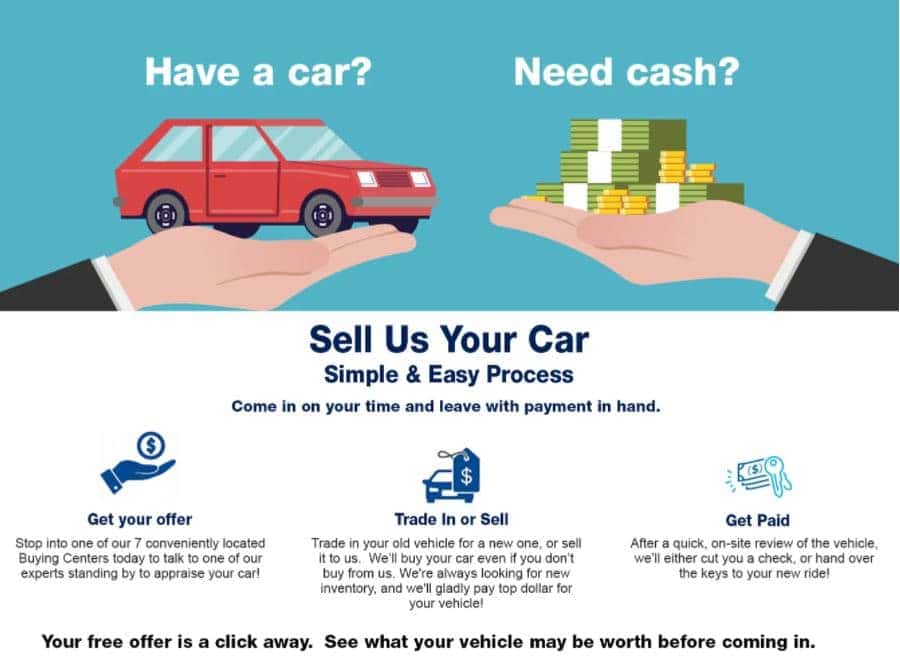
Assessing the Financial Landscape: Trade-In vs. Private Sale vs. Instant Cash Offers
The first step in any strategic divestment is understanding the different “exit strategies” available. Each venue for selling your car offers a different balance between liquidity (how fast you get the cash) and the total sale price (the size of the check).
The Convenience Tax of Dealership Trade-ins
The traditional dealership trade-in is the most common method of selling a car, primarily because of its simplicity. From a personal finance perspective, however, this is often the least efficient way to recoup value. Dealerships operate on a “wholesale” mindset. They need to acquire your car at a price low enough to cover reconditioning, marketing, and a profit margin when they resell it.
When you trade in a car, you are essentially paying a “convenience tax.” You avoid the hassle of cleaning, listing, and showing the car, but you typically receive 15% to 25% less than the car’s actual market value. The only financial silver lining here is the potential tax credit. In many jurisdictions, you only pay sales tax on the difference between the new car’s price and your trade-in’s value. Before choosing this route, calculate if the tax savings outweigh the lower offer price.
Private Party Sales: Capturing the Full Market Value
If your primary goal is the highest possible ROI, the private party market is unrivaled. By cutting out the middleman, you capture the “retail” value of the vehicle. This is where you find the buyers who are looking for a reliable car and are willing to pay a fair market price based on platforms like Kelley Blue Book or Edmunds.
However, a private sale requires a significant investment of “sweat equity.” You must manage the advertising, vet potential buyers, and handle the legal paperwork. From a financial risk management standpoint, you must also be vigilant against fraud and ensure secure payment methods, such as cashier’s checks verified at the issuing bank or escrow services. For those with the time and patience, this method yields the highest net profit.
The Rise of Instant Cash Offer (ICO) Platforms
The last decade has seen the emergence of digital disruptors that occupy the middle ground between dealerships and private sales. Companies like Carvana, Vroom, and various “instant offer” tools from major automotive sites use algorithmic pricing to give you a firm offer within minutes.
From a financial standpoint, these platforms are fascinating because they often overpay during periods of high demand to gain market share. For a seller, these platforms offer high liquidity—often picking the car up from your driveway—while offering a price that is frequently higher than a traditional dealer trade-in. This is often the “sweet spot” for sellers who value their time but still want a competitive financial return.
Timing the Market: When to Liquidate Your Automotive Asset
In investing, timing is everything. The same principle applies to the automotive market. Understanding the external economic factors and internal depreciation curves can save you thousands of dollars.
Depreciation Curves and the “Sweet Spot” for Resale
Every car follows a depreciation curve. The steepest drop occurs in the first year (roughly 20%), and it continues at about 10% to 15% per year for the next four years. From a wealth management perspective, the “sweet spot” to sell is often right before a major milestone that triggers a price cliff.
Common price cliffs include the expiration of the manufacturer’s bumper-to-bumper warranty (usually at 36,000 miles) and the 100,000-mile mark. Psychologically, buyers view a car with 99,000 miles much differently than one with 101,000 miles, despite there being no physical difference in the machine. Selling just before these milestones allows you to exit the asset while it still retains “perceived” premium value.
Seasonal Fluctuations in Car Pricing
The time of year you choose to list your car can significantly impact the final sale price. Economics 101—supply and demand—is in full effect here. For example, convertibles and sports cars command a premium in the spring and early summer when buyers are looking for “fun” vehicles. Conversely, All-Wheel Drive (AWD) SUVs and trucks see a price surge in the late autumn as buyers prepare for winter weather.

Furthermore, consider the tax season. In the United States, the months of February through April see an influx of buyers with tax refund checks in hand. This increased liquidity in the consumer market often leads to faster sales and higher prices for used vehicles, particularly in the sub-$10,000 price bracket.
Optimizing the Asset for Maximum ROI
To treat your car sale like a professional business transaction, you must prepare the asset for the “market.” This doesn’t mean spending thousands on repairs, but rather making strategic investments that yield a high return.
Maintenance Documentation as Financial Security
In the world of used goods, information is currency. A car with a complete, organized folder of maintenance records—oil changes, brake replacements, tire rotations—is worth significantly more than an identical car with no history.
From a buyer’s perspective, documentation reduces the “risk premium.” If they know the car has been well-maintained, they are less likely to haggle for a lower price to cover potential “hidden” repairs. If you are planning to sell your car in the next six months, start consolidating your receipts now. This simple act of organization can add 5% to 10% to your final sale price.
Low-Cost Refurbishments with High-Yield Returns
Before listing your car, consider the “curb appeal.” A professional detail, which might cost $150 to $300, can often increase the selling price by $500 to $1,000. It is a high-yield investment.
However, be wary of “over-improving” the asset. Replacing a cracked windshield is usually worth it because it removes a major objection for the buyer. Replacing tires that still have 40% life left is usually not worth it, as you will likely not recoup the full cost of the new set. Stick to cosmetic cleanliness and addressing “deal-breaker” mechanical issues to maximize your net profit.
Navigating the Financial Logistics of the Sale
The final stage of selling your car involves the actual transfer of funds and legal liability. This is where many sellers make mistakes that can lead to unexpected costs or legal headaches.
Handling Liens and Negative Equity
Selling a car that you still owe money on adds a layer of financial complexity. If the car is worth more than the loan balance (positive equity), the process is straightforward: the buyer pays the lender, the lender releases the title, and you keep the difference.
However, if you have “negative equity” (you owe more than the car is worth), you must be prepared to bridge the gap. You will need to pay the lender the difference out of pocket before the title can be transferred. From a financial planning perspective, it is often better to wait until you have reached the break-even point unless the monthly payments are causing a significant strain on your cash flow.
Tax Implications and Reporting Your Sale
In many regions, selling a personal vehicle for less than you paid for it (which is the case 99% of the time) does not result in a taxable event because there is no capital gain. However, if you are a “flipper” or happen to sell a collector car for a profit, you are required to report that gain to the tax authorities.
Always keep a bill of sale that clearly states the date, sale price, and the VIN. This document is your financial shield. It proves when your liability for the vehicle ended (avoiding future tickets or toll charges) and provides the necessary trail for your personal accounting.

Conclusion: Making the Data-Driven Decision
Choosing where to sell your car is a balancing act between time, effort, and capital. If you are in a high-income bracket where your time is worth hundreds of dollars an hour, the convenience of an Instant Cash Offer or a dealer trade-in might actually be the most “profitable” choice when accounting for the opportunity cost of your time.
However, for the average consumer looking to bolster their financial health, the private market or a competitive online buyer usually offers the best path to maximizing the value of their automotive asset. By understanding depreciation, timing the market, and preparing the vehicle as a premium product, you transform a simple chore into a strategic financial win. Treat your car like the significant asset it is, and the market will reward your diligence.
aViewFromTheCave is a participant in the Amazon Services LLC Associates Program, an affiliate advertising program designed to provide a means for sites to earn advertising fees by advertising and linking to Amazon.com. Amazon, the Amazon logo, AmazonSupply, and the AmazonSupply logo are trademarks of Amazon.com, Inc. or its affiliates. As an Amazon Associate we earn affiliate commissions from qualifying purchases.