
When we ask the question, “What is the salary?” we are usually looking for a single number—a yearly figure or an hourly rate that defines our professional value in the eyes of an employer. However, in the modern financial landscape, the concept of a “salary” has evolved into something far more complex than a simple bi-weekly deposit into a checking account. For the financially savvy professional, understanding salary is the first step in a broader strategy of capital allocation, tax optimization, and long-term wealth building.
This article explores the multi-faceted nature of compensation within the “Money” niche, breaking down the mechanics of earned income, the hidden value of benefits, and how to leverage your earnings to move from a state of labor-dependence to financial independence.
1. Defining the Core: What Is Salary in the Modern Economy?
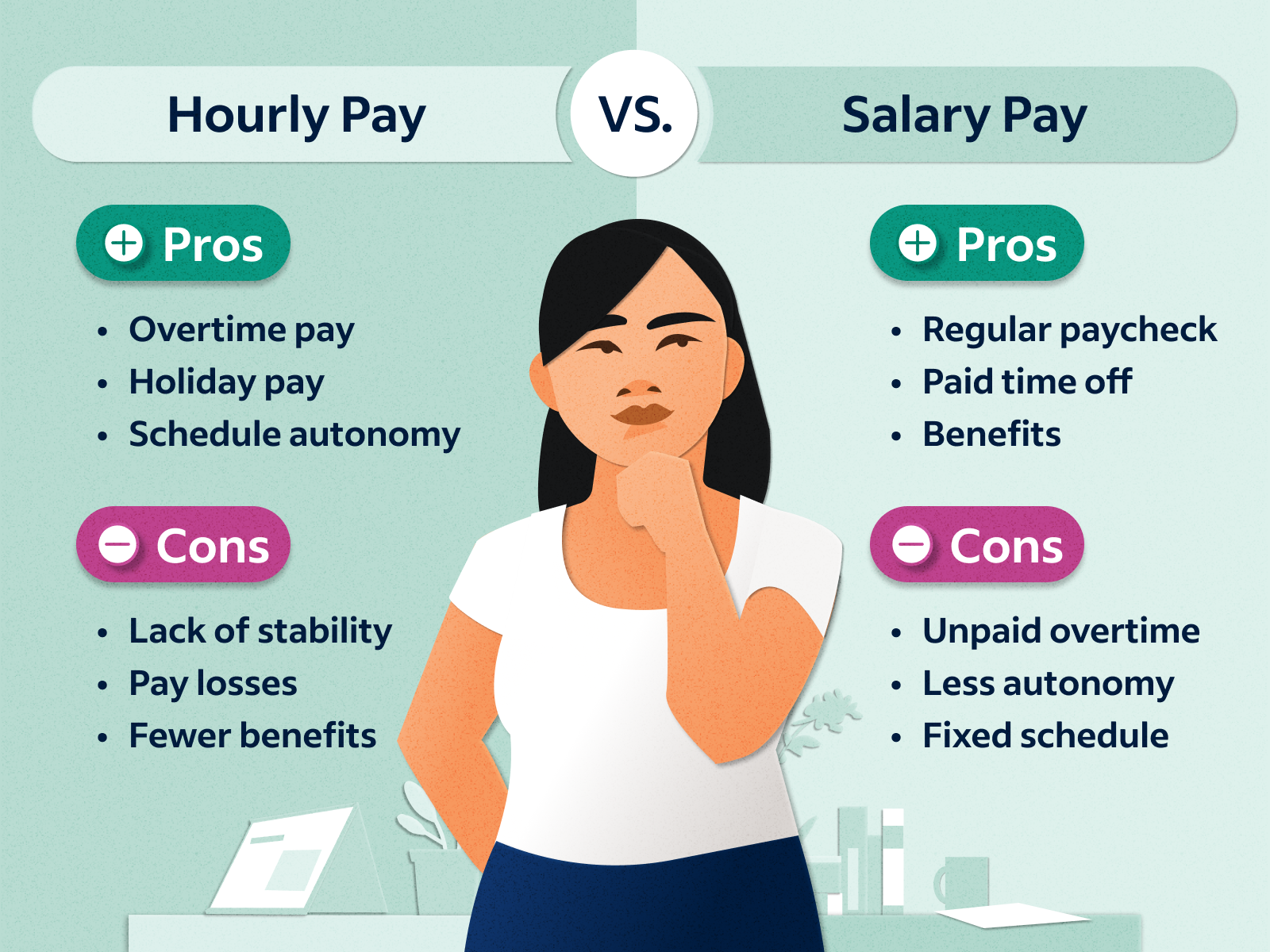
At its most basic level, a salary is a fixed amount of money paid to an employee by an employer in return for work performed. Unlike wages, which are paid by the hour, a salary is typically expressed as an annual sum. However, to truly understand “what the salary is,” one must look beneath the surface of the gross offer.
The Critical Distinction Between Gross and Net Income
The gross salary is the number listed on your offer letter, but it is rarely the amount that hits your bank account. In the world of personal finance, your “take-home pay” or net income is the only figure that truly dictates your lifestyle and investment capacity. Understanding the deductions—Federal and State income taxes, FICA (Social Security and Medicare), and local levies—is essential. For many high-earners, the gap between gross and net can be as high as 40%, meaning a $100,000 salary might only provide $60,000 in actual liquidity.
Fixed vs. Variable Compensation Structures
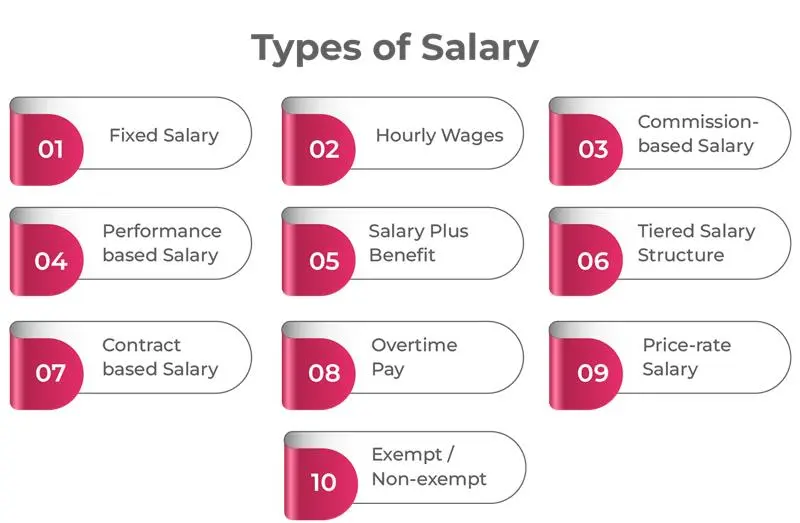
In many sectors, particularly finance, sales, and executive leadership, the “base salary” is only a fraction of the total earnings. Variable compensation, such as performance bonuses, commissions, and profit-sharing, adds a layer of volatility to one’s financial planning. While a high variable component offers a higher ceiling for wealth accumulation, it requires a more robust emergency fund to manage the “lean months.” Calculating the “expected value” of a salary involves weighing the certainty of the base against the probability of the bonus.
2. Beyond the Paycheck: Decoding the Total Rewards Package
When evaluating “what the salary is,” a sophisticated professional looks at the “Total Rewards” statement. This includes non-cash benefits that have a direct impact on your net worth and financial security. Often, a lower base salary with superior benefits can result in higher long-term wealth than a high salary with no perks.
Health and Retirement Benefits as Financial Assets
Employer-sponsored health insurance is a significant form of “shadow income.” If an employer pays $15,000 annually toward a premium that you would otherwise have to pay out of pocket, that is effectively tax-free income. Similarly, the 401(k) or pension match is one of the few “guaranteed” returns in the investing world. If an employer matches 6% of your salary, failing to contribute is equivalent to leaving a 6% raise on the table. In the context of “Money,” these benefits are the foundation of a defensive financial strategy.
Equity and Stock Options: Owning a Piece of the Pie
In the corporate and startup worlds, “salary” often includes equity components like Restricted Stock Units (RSUs) or Employee Stock Purchase Plans (ESPPs). These are not just income; they are investment vehicles. They allow an employee to shift from being a mere laborer to being a capital owner. Understanding the vesting schedule—the timeline over which you earn the right to these shares—is crucial. A $200,000 RSU grant over four years adds $50,000 to your annual “true salary,” provided the company’s valuation holds or grows.
3. The Market Value of Your Skills: How Salaries Are Determined
To maximize one’s income, one must understand the “market” for labor. Salaries are not arbitrary; they are the result of supply and demand, geographic factors, and economic cycles. Knowing your market value is the primary tool for increasing your “top-line” revenue.
Geographic Arbitrage and the Impact of Remote Work
Traditionally, salaries were tethered to the cost of living (COL) in specific hubs like New York City, London, or San Francisco. However, the rise of remote work has introduced the concept of geographic arbitrage. This involves earning a “high-hub” salary while living in a “low-cost” area. When asking “what is the salary,” you must also ask, “what is the purchasing power of that salary?” A $120,000 income in Austin, Texas, often provides a higher quality of life and a greater savings rate than $180,000 in Manhattan.
Industry Standards and Economic Cycles
Salaries are also highly sensitive to industry health. In booming sectors like renewable energy or specialized financial services, salaries often outpace inflation. Conversely, during high-interest-rate environments, corporate budgets tighten, and “salary freezes” become common. Monitoring industry benchmarks through tools like Bureau of Labor Statistics data or professional association surveys ensures that you are being compensated fairly for the current economic climate.
4. Strategies for Salary Negotiation and Career Growth
Negotiation is perhaps the highest-leverage activity in personal finance. A successful 10% increase in starting salary doesn’t just affect one year; it compounds over a 30-year career through raises, bonuses, and retirement matches based on that higher baseline.
Researching Benchmarks and Leveraging Data
You cannot negotiate effectively without data. Understanding “what the salary is” for your specific role, level, and location is the prerequisite for a raise. Utilizing transparency websites, networking with peers, and even interviewing at other firms can provide the “price discovery” necessary to advocate for your worth. In business finance terms, you are the service provider, and your salary is the contract price. You must justify that price with a clear Return on Investment (ROI) for the employer.
The Psychology of the Negotiation Table
Successful salary negotiation moves the conversation from “what I need” to “the value I create.” It is an exercise in professional branding and financial alignment. By demonstrating how your work increases revenue, decreases costs, or mitigates risk, you frame your salary not as an expense to the company, but as an investment. Furthermore, understanding the timing—negotiating during a performance review or after the successful completion of a major project—is key to securing the best financial outcome.
5. From Salary to Wealth: Managing Your Income for Long-Term Growth
A high salary does not guarantee wealth. There are countless stories of high-earners living paycheck to paycheck due to “lifestyle creep.” To truly master the “Money” aspect of your career, you must view your salary as the raw material for building an investment portfolio.
The Rule of Percentage-Based Budgeting
The most effective way to manage a salary is through percentage-based allocation. The 50/30/20 rule is a classic framework: 50% for needs, 30% for wants, and 20% for savings and debt repayment. However, for those seeking early financial independence, the goal should be to increase the “20%” as the salary grows. If you receive a $10,000 raise and maintain your current lifestyle, that entire $10,000 (minus taxes) can be funneled directly into income-producing assets.

Turning Earned Income into Passive Cash Flow
The ultimate goal of earning a salary is to eventually not need one. This transition occurs when your “passive income” from investments (dividends, real estate, interest) exceeds your living expenses. Every dollar of your salary should be viewed as a “worker” that can be sent out to earn more dollars. By maximizing your salary through negotiation and benefits, and then disciplinedly investing the surplus into diversified assets, you transform a temporary stream of labor-based income into permanent, generational wealth.
In conclusion, “what is the salary” is not a question with a simple numerical answer. It is a comprehensive evaluation of your current financial value, your future security, and your ability to build capital. By understanding the nuances of total compensation, market dynamics, and strategic negotiation, you can ensure that your career serves as a powerful engine for your broader financial goals.
aViewFromTheCave is a participant in the Amazon Services LLC Associates Program, an affiliate advertising program designed to provide a means for sites to earn advertising fees by advertising and linking to Amazon.com. Amazon, the Amazon logo, AmazonSupply, and the AmazonSupply logo are trademarks of Amazon.com, Inc. or its affiliates. As an Amazon Associate we earn affiliate commissions from qualifying purchases.