
When we discuss personal finance, we often focus on wealth accumulation, investment portfolios, and real estate. However, one of the most significant variables in any financial plan is the cost of health insurance. It is not merely a medical necessity; it is a critical component of risk management and capital preservation. For most individuals and families, health insurance represents one of the largest monthly line items in their budget, often rivaling housing costs.
Understanding how much health insurance will cost requires looking beyond the monthly sticker price. To build a robust financial future, you must analyze premiums, out-of-pocket maximums, and the tax advantages of various plan structures. This guide breaks down the financial architecture of health insurance to help you project your expenses and protect your assets.

1. The Foundation of Cost: Monthly Premiums and the Metal Tiers
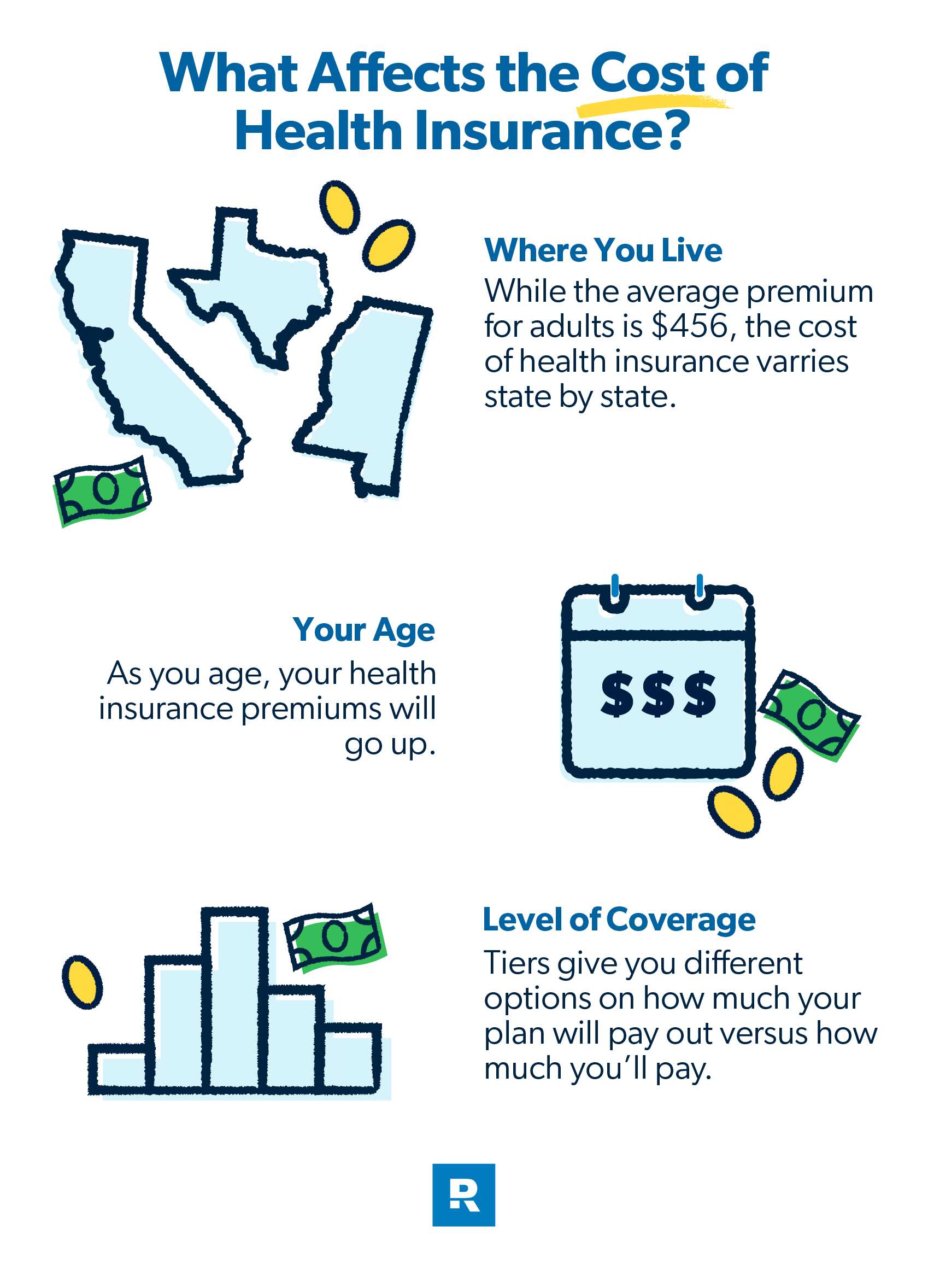
The most visible cost of health insurance is the monthly premium—the fixed amount you pay to keep the policy active. In the United States, particularly within the Health Insurance Marketplace, these costs are categorized into “Metal Tiers.” These tiers do not reflect the quality of medical care but rather the financial split between what the insurer pays and what the consumer pays.
Understanding the Financial Split
The metal tiers are designed to help consumers balance their monthly cash flow against their potential out-of-pocket exposure.
- Bronze Plans: These typically have the lowest monthly premiums but the highest costs when you receive care. Financially, these are best for individuals who have a healthy “emergency fund” and do not expect frequent medical visits. The insurer generally covers 60% of costs, while you cover 40%.
- Silver Plans: These represent the “middle ground.” They have moderate premiums and moderate costs for care. A unique financial feature of Silver plans is their eligibility for “cost-sharing reductions” if your income falls within certain brackets, which can significantly lower your deductible.
- Gold and Platinum Plans: These carry high monthly premiums but very low costs at the point of service. From a budgeting perspective, these plans offer high predictability. If you have a chronic condition, a Platinum plan (where the insurer pays 90%) may actually be cheaper annually than a Bronze plan when total expenditures are calculated.
The Impact of Age and Geography
Your physical location and age are two of the most significant legal determinants of your premium. Insurers use “rating areas” to set prices based on the local cost of living and the density of healthcare providers. Furthermore, while the Affordable Care Act (ACA) limits how much more seniors can be charged compared to younger individuals, premiums generally increase as you age. Financial planning for retirement must account for this “age band” pricing, which can see premiums triple between age 21 and age 64.
2. The “Hidden” Costs: Deductibles, Copays, and Coinsurance
To accurately answer “how much will health insurance cost,” you must calculate your “Maximum Out-of-Pocket” (MOOP) limit. This is the absolute most you would have to pay in a calendar year for covered services. For many, the financial danger isn’t the premium—it’s the unexpected medical event that triggers a high deductible.
The Deductible as a Financial Barrier
The deductible is the amount you pay out of your own pocket before your insurance company begins to pick up the tab. In recent years, High Deductible Health Plans (HDHPs) have become a standard in the industry. From a money management perspective, if you choose a plan with a $7,000 deductible, you must ensure that your liquid savings can cover this amount at any given moment. Failing to account for this can lead to high-interest debt, which compounds the financial strain of a medical crisis.
Copayments vs. Coinsurance
Once the deductible is met, you enter the phase of “cost-sharing.”
- Copayments are fixed fees (e.g., $30 for a specialist) that provide a predictable expense for routine maintenance.
- Coinsurance is a percentage (e.g., 20% of a hospital bill).
In a major surgical scenario, coinsurance can be financially devastating if you haven’t reached your out-of-pocket maximum. When evaluating a plan’s cost, always run a “worst-case scenario” calculation: (Annual Premium) + (Maximum Out-of-Pocket Limit) = Total Financial Exposure.
3. Tax Strategies and Subsidies: Reducing the Net Cost
While the “sticker price” of health insurance can be daunting, the tax code offers several mechanisms to reduce the net financial impact. For those focusing on wealth optimization, these tools are essential.
Advanced Premium Tax Credits (APTC)
For individuals purchasing through the Marketplace, the federal government offers subsidies based on modified adjusted gross income (MAGI). These tax credits act as an immediate discount on your monthly premium. From a personal finance standpoint, managing your income—perhaps by increasing contributions to a traditional 401(k) or IRA—can lower your MAGI, thereby increasing your eligibility for subsidies and potentially saving you thousands of dollars in annual premiums.
The Power of the Health Savings Account (HSA)
If you opt for an HSA-qualified High Deductible Health Plan, you gain access to what many financial advisors call the “ultimate investment vehicle.” The HSA offers a triple-tax advantage:
- Tax-Deductible Contributions: Money goes in pre-tax, reducing your current year’s taxable income.
- Tax-Free Growth: You can invest the funds in stocks or bonds, and the gains are not taxed.
- Tax-Free Withdrawals: As long as the money is used for qualified medical expenses, it is never taxed.
By utilizing an HSA, the “cost” of your health insurance is partially offset by the tax savings and the long-term investment growth of the account.
4. Employer-Sponsored vs. Private Coverage: The Total Compensation View
When evaluating a job offer or deciding whether to go into business for yourself, the structure of the health insurance plan is a major financial pivot point.
The Invisible Subsidy of Employer Plans
Most employers cover 70% to 80% of the premium cost for their employees. If an employer-sponsored plan costs you $200 a month, the actual market value of that plan might be $800. When calculating your “total compensation,” the employer’s contribution to your health insurance is essentially tax-free income. If you move from a corporate job to a “side hustle” or full-time entrepreneurship, you must factor in this several-thousand-dollar “pay cut” that comes from paying the full premium yourself.
Group Rates and Negotiated Power
Insurance companies offer lower rates to large corporations because the risk is spread across a larger “pool” of people. As a solo entrepreneur or freelancer, you are often entering a risk pool that is more volatile, leading to higher costs. To mitigate this, many business owners join professional organizations or chambers of commerce that offer access to group-rate insurance, leveraging collective bargaining to lower individual costs.
5. Long-Term Financial Planning: The Cost of Being Uninsured
In the world of finance, skipping insurance is often viewed as a “short-term gain, long-term catastrophe” strategy. While the immediate cost of health insurance is zero if you don’t buy it, the “expected cost” is actually much higher when adjusted for risk.
Risk Management and Asset Protection
A single three-day hospital stay can cost upwards of $30,000. Without insurance, this expense can wipe out a decade of disciplined saving and investing. Health insurance, therefore, acts as a hedge against bankruptcy. In the context of “Money,” insurance is the floor that prevents a medical emergency from collapsing your entire financial house.
Investing in Preventative Care
Most modern insurance plans cover 100% of preventative services (screenings, vaccinations, annual check-ups) with no out-of-pocket cost. From a financial ROI (Return on Investment) perspective, utilizing these services is a way to catch expensive chronic conditions early. Managing high blood pressure now is significantly cheaper than paying for the aftermath of a heart attack five years from now.

Conclusion: Finding Your Financial Equilibrium
So, how much will health insurance cost? For a single individual in 2024, the average national premium for a silver plan is roughly $450 to $600 per month before subsidies. For a family, that number can easily exceed $1,500. However, the true cost is a calculation of your premium, your tax bracket, your potential out-of-pocket liability, and the tax-advantaged savings you can accrue through an HSA.
To master your personal finances, you must stop viewing health insurance as a “bill” and start viewing it as a “strategic expense.” By choosing the right metal tier, maximizing tax credits, and utilizing accounts like the HSA, you can turn a necessary expense into a tool for long-term financial stability. In the end, the most expensive health insurance is the one that fails to protect your assets when you need it most.
aViewFromTheCave is a participant in the Amazon Services LLC Associates Program, an affiliate advertising program designed to provide a means for sites to earn advertising fees by advertising and linking to Amazon.com. Amazon, the Amazon logo, AmazonSupply, and the AmazonSupply logo are trademarks of Amazon.com, Inc. or its affiliates. As an Amazon Associate we earn affiliate commissions from qualifying purchases.