
Retirement is no longer a static event signaled by a gold watch and a fixed pension. In the modern financial landscape, it is a dynamic phase of life that requires meticulous planning, disciplined saving, and a deep understanding of economic variables. The question “How much money do I need?” is perhaps the most critical financial inquiry any professional will face. However, the answer is rarely a single, universal number. Instead, it is a personalized calculation based on lifestyle expectations, longevity, market conditions, and tax strategies.
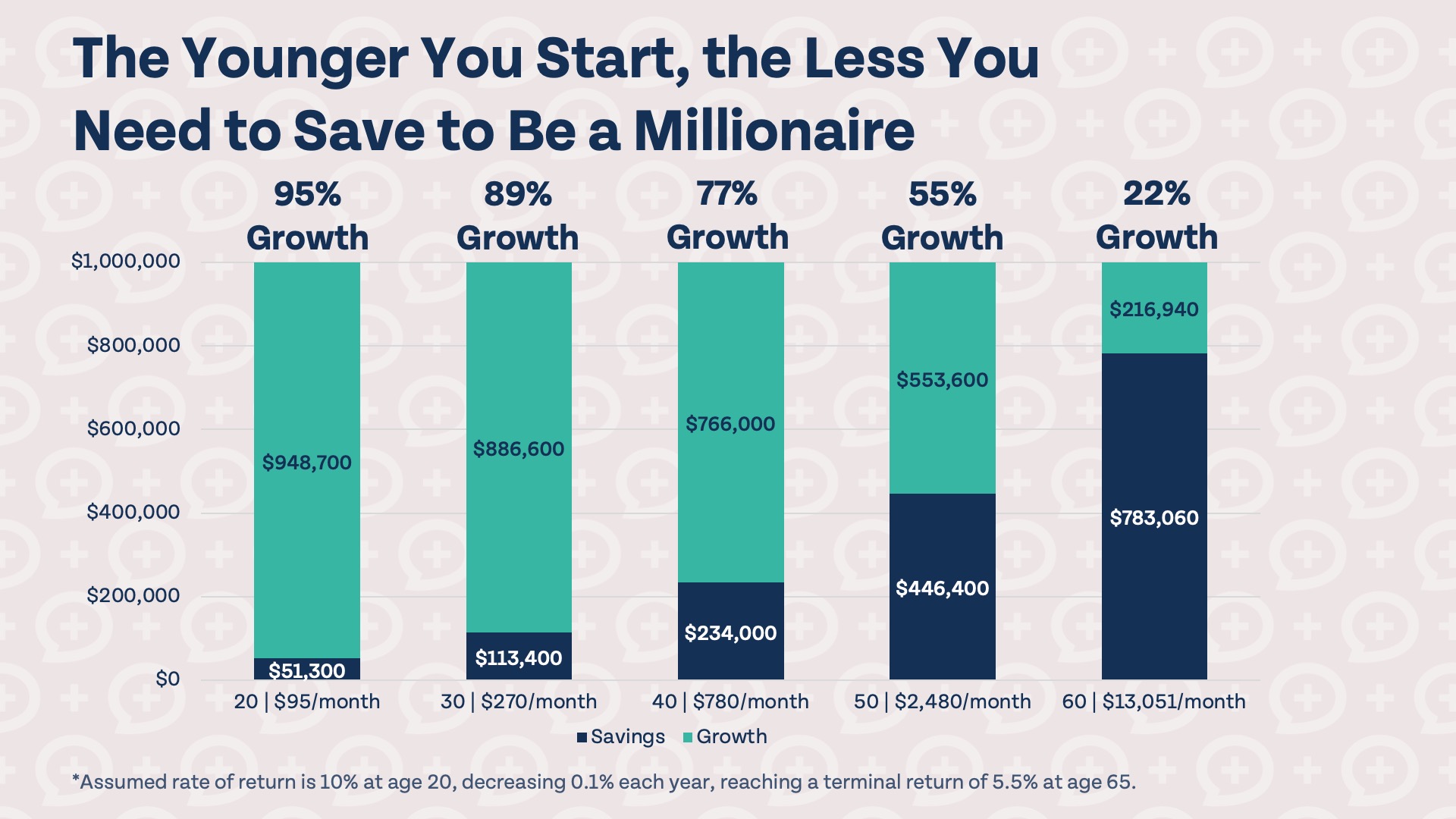
To move from uncertainty to clarity, one must dissect the components of a sustainable retirement fund. This guide explores the foundational math of retirement, the variables that can disrupt even the best-laid plans, and the strategic frameworks necessary to ensure your capital outlives your calendar.
The Foundation: Calculating Your Retirement “Number”
Before you can build a portfolio, you must define the target. For decades, the financial industry has relied on specific heuristics to help individuals estimate their needs. While these are starting points rather than absolute truths, they provide the necessary framework for long-term modeling.
The 4% Rule and the Multiplier Method
One of the most enduring benchmarks in personal finance is the “4% Rule,” derived from the Trinity Study. This rule suggests that if you withdraw 4% of your initial portfolio value in the first year of retirement and adjust that amount for inflation every year thereafter, your money has a high probability of lasting 30 years.
To find your “number” using this logic, you simply invert the math: multiply your desired annual retirement income by 25. For example, if you determine that you need $100,000 per year to maintain your lifestyle, your target nest egg is $2.5 million. While critics argue that low interest rates and high market valuations may require a more conservative 3.3% or 3.5% withdrawal rate, the 25x multiplier remains the gold standard for initial estimation.
Identifying Your Expected Annual Expenses
The accuracy of your retirement number is only as good as your budget projections. Most financial planners suggest the “Replacement Ratio” method, aiming for 70% to 85% of your pre-retirement income. The logic is that you will no longer be saving for retirement, your payroll taxes will vanish, and your mortgage may be paid off.
However, a more precise approach involves “Lifestyle Forecasting.” This categorizes expenses into “Needs” (housing, utilities, food, healthcare) and “Wants” (travel, hobbies, philanthropy). Early retirement often sees a “spending smile”—high activity and spending in the early “go-go” years, a dip in the “slow-go” years, and a spike in the “no-go” years due to medical costs.
Adjusting for Inflation and Purchasing Power
The greatest threat to a fixed-income lifestyle is the silent erosion of purchasing power. An annual inflation rate of just 3% will double the cost of living in approximately 24 years. When calculating how much money you need, you must account for the fact that $100,000 today will not buy the same lifestyle in 2045. Your investment strategy must therefore prioritize “real returns”—growth that exceeds the Consumer Price Index (CPI)—to ensure your standard of living does not degrade over time.
Key Variables That Influence Your Nest Egg
A retirement plan is not a “set it and forget it” document. Several external and personal variables can significantly shift the amount of capital required to sustain your independence.
Healthcare Costs and Long-Term Care
Healthcare is often the largest “X-factor” in retirement planning. According to recent data, an average 65-year-old couple may need approximately $315,000 (after-tax) saved just to cover medical expenses throughout retirement, excluding long-term care.
Medicare covers many costs, but it does not cover everything. Deductibles, premiums for Parts B and D, and supplemental Medigap policies add up. Furthermore, the potential need for assisted living or nursing home care can deplete a portfolio rapidly. Integrating Health Savings Accounts (HSAs) into your accumulation phase or considering Long-Term Care Insurance (LTCI) are vital strategies for protecting your core retirement fund from medical volatility.
Lifestyle Choices and Geo-Arbitrage
Where you choose to live will dictate the velocity at which you consume your savings. A $2 million portfolio provides a vastly different quality of life in New York City compared to Lisbon, Portugal, or San Jose, Costa Rica.
“Geo-arbitrage”—the practice of earning money in a high-cost economy and spending it in a lower-cost one—has become a popular strategy for accelerating retirement. By relocating to a state with no income tax or a country with a lower cost of living, you can effectively “lower your number.” If you can reduce your annual expenses from $100,000 to $60,000 through relocation, your required nest egg drops from $2.5 million to $1.5 million.
Longevity Risk: Planning for a Century
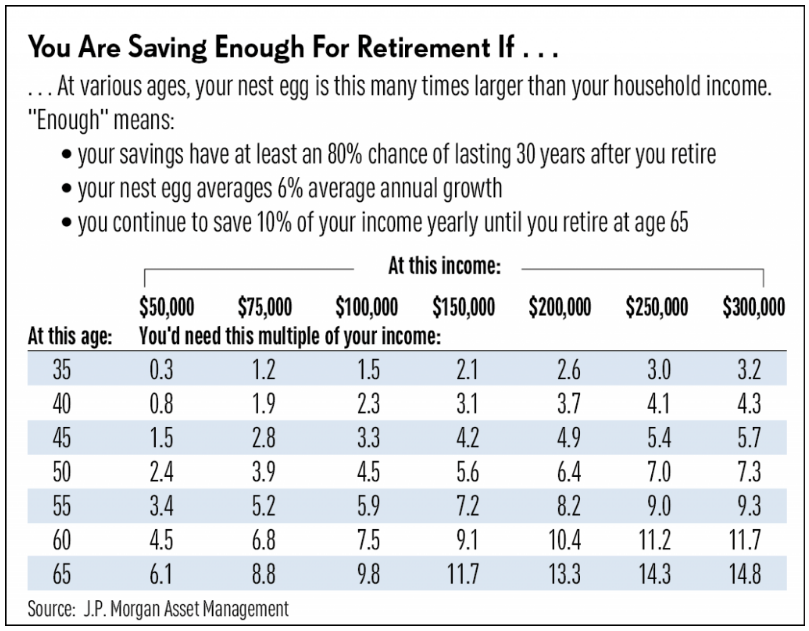
The greatest risk in modern retirement is “longevity risk”—the risk of outliving your money. With advancements in biotechnology and healthcare, planning for a 30-year retirement is increasingly becoming a conservative minimum. Financial models should now ideally project out to age 95 or 100. This requires a shift in mindset: your portfolio cannot be entirely moved into “safe” assets like bonds or cash upon retirement. A portion of your capital must remain in growth-oriented equities to provide the fuel for a multi-decade journey.
Strategic Asset Allocation and Growth
How you structure your wealth is just as important as how much you save. A well-diversified portfolio acts as an engine that generates the cash flow needed for your lifestyle while protecting the principal.
The Role of Equities, Bonds, and Real Estate
A balanced portfolio typically utilizes three main pillars. Equities (stocks) provide the long-term growth necessary to combat inflation. Fixed income (bonds) acts as a stabilizer, reducing volatility and providing predictable interest payments. Real estate—whether through direct ownership or Real Estate Investment Trusts (REITs)—offers a hedge against inflation and a source of non-correlated income.
The “Glide Path” is a crucial concept here. As you approach retirement, your allocation typically shifts from aggressive growth to capital preservation. However, maintaining a “Dividend Growth” strategy can be particularly effective, as it focuses on companies that consistently increase their payouts, providing a rising stream of income that can cover expenses without the need to sell shares in a down market.
Tax-Advantaged Accounts: 401(k)s, IRAs, and HSAs
Efficiency is the hidden multiplier of wealth. Utilizing tax-advantaged accounts allows your money to compound faster.
- Traditional 401(k)/IRA: Provides an upfront tax break, but withdrawals are taxed as ordinary income.
- Roth 401(k)/IRA: Contributions are made with after-tax dollars, but all growth and withdrawals are tax-free—a massive advantage if tax rates rise in the future.
- HSAs: The “Triple Tax Advantage” (tax-deductible contributions, tax-free growth, and tax-free withdrawals for medical expenses) makes this one of the most powerful retirement tools available.
Diversifying Income Streams
Total reliance on a volatile stock market can lead to “Retirement Anxiety.” The most resilient retirees develop multiple streams of income. This might include Social Security, a corporate pension, rental income from investment properties, and a portfolio of dividend-paying stocks. By diversifying the sources of your income, you reduce the impact if one sector—such as the housing market or the stock market—underperforms for a season.
The Impact of Timing and Market Volatility
Even with a large sum of money, the timing of your retirement can dictate your long-term success. This is often referred to as the “red zone” of retirement planning—the five years before and after you stop working.
Sequence of Returns Risk
Sequence of returns risk is the danger that the market experiences a significant downturn early in your retirement. If you are forced to sell assets to fund your life when the market is down 20%, you are effectively cannibalizing your principal, leaving less capital to participate in the eventual recovery. This can lead to a “death spiral” for a portfolio. To mitigate this, many advisors recommend a “Cash Bucket” or “Liquidity Buffer”—keeping 1–2 years of living expenses in high-yield savings or money market accounts so you never have to sell stocks during a bear market.
Strategic Social Security Claiming
When to claim Social Security is a million-dollar decision. Although you can claim as early as age 62, your monthly benefit increases by approximately 8% for every year you delay until age 70. For many, using portfolio assets to “bridge” the gap between 65 and 70 allows them to lock in a significantly higher guaranteed, inflation-adjusted income stream for the rest of their lives. This effectively lowers the amount of “withdrawal pressure” on the remaining investment portfolio.
Dynamic Withdrawal Strategies for Sustainability
The final piece of the puzzle is how you take the money out. Rigidly adhering to a 4% withdrawal regardless of market conditions is often sub-optimal.
Guardrail Strategies vs. Fixed Withdrawals
Modern financial planning often utilizes “Dynamic Spending” or “Guardrails.” This approach involves setting a ceiling and a floor for withdrawals. If the market performs exceptionally well, you might increase your spending (the ceiling). If the market enters a recession, you trigger a “rule” to reduce discretionary spending by a certain percentage (the floor). This flexibility significantly increases the probability of portfolio survival and allows you to enjoy your wealth more fully during prosperous years.

The Importance of Annual Reassessment
Retirement planning is an iterative process. Tax laws change, inflation fluctuates, and personal goals evolve. An annual review of your “Safe Withdrawal Rate” and your asset allocation is essential. By treating your retirement fund as a managed fund—where you are both the beneficiary and the Chief Investment Officer—you can navigate the complexities of the modern economy with confidence.
Ultimately, the amount of money you need for retirement is the amount that allows you to maintain your desired standard of living without the fear of outliving your resources. By combining the 25x rule with a deep understanding of healthcare costs, tax efficiency, and dynamic withdrawal strategies, you can transform the daunting task of retirement planning into a structured, achievable roadmap toward lifelong financial independence.
aViewFromTheCave is a participant in the Amazon Services LLC Associates Program, an affiliate advertising program designed to provide a means for sites to earn advertising fees by advertising and linking to Amazon.com. Amazon, the Amazon logo, AmazonSupply, and the AmazonSupply logo are trademarks of Amazon.com, Inc. or its affiliates. As an Amazon Associate we earn affiliate commissions from qualifying purchases.