
The decision to retire is often intertwined with questions about financial security, and for many, Social Security benefits form a crucial part of that equation. A common misconception, however, is that one cannot work or earn income once they start receiving Social Security. This couldn’t be further from the truth. The reality is more nuanced: you absolutely can earn money while collecting Social Security benefits, but there are specific rules and limitations that depend on your age and how much you earn. Understanding these rules is paramount for anyone planning their retirement income strategy, ensuring they maximize their benefits while potentially supplementing their income through work.
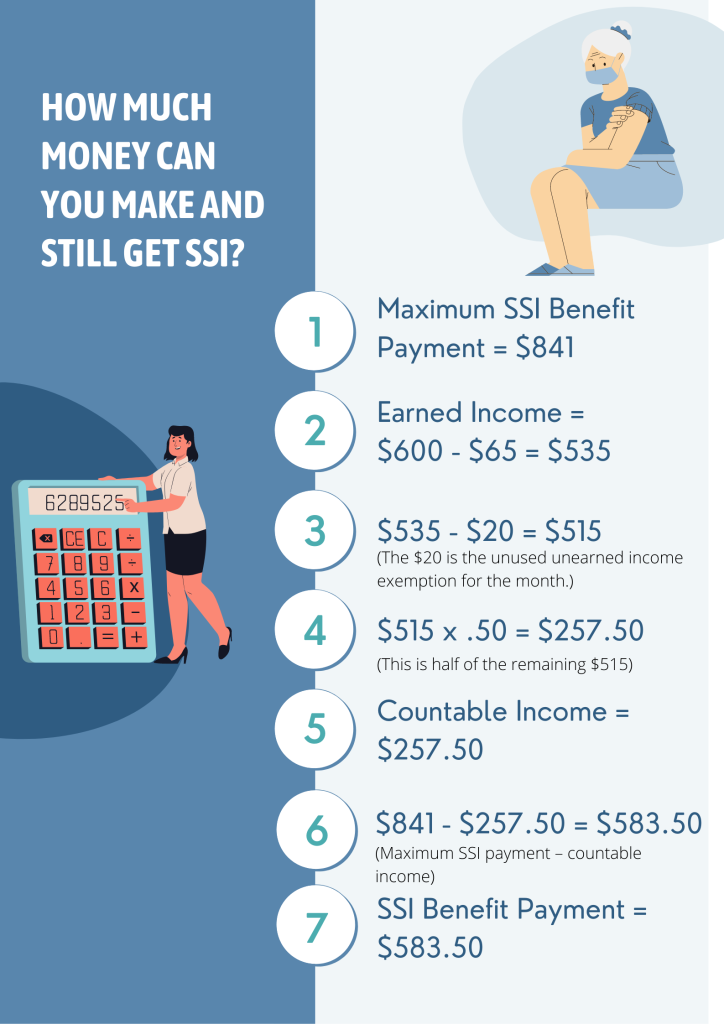
This article delves into the intricacies of earning money while on Social Security, clarifying the earnings test, exploring strategies to optimize your income, and highlighting important considerations to help you navigate this complex landscape. Our goal is to provide a comprehensive, insightful guide that empowers you to make informed decisions about your financial future in retirement.
Understanding Social Security’s Earnings Test
The cornerstone of working while receiving Social Security benefits is the “earnings test.” This test applies only if you are below your Full Retirement Age (FRA). Once you reach your FRA, the earnings test no longer applies, and you can earn as much as you want without your Social Security benefits being reduced.
The Full Retirement Age (FRA) Threshold
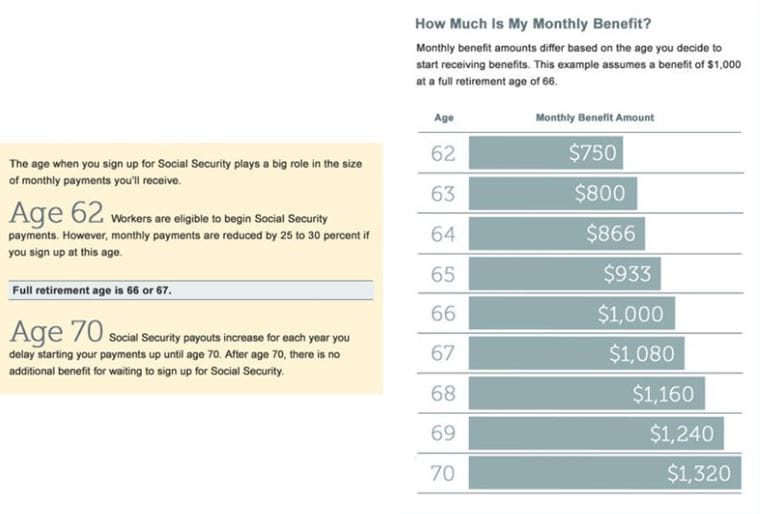
Your Full Retirement Age (FRA) is the age at which you are entitled to receive 100% of your primary Social Security benefit. This age varies depending on your birth year. For those born between 1943 and 1954, FRA is 66. It gradually increases for later birth years, reaching 67 for those born in 1960 or later. Knowing your FRA is critical because it dictates when the earnings test ceases to affect your benefits. Claiming benefits before your FRA results in a permanent reduction in your monthly payment, in addition to being subject to the earnings test. Therefore, understanding your specific FRA is the first step in planning any work-income strategy in conjunction with Social Security.
Earnings Limits Before Full Retirement Age
If you start receiving Social Security benefits before your Full Retirement Age and continue to work, your benefits may be reduced if your earnings exceed a certain limit. For 2024, the annual earnings limit for those under FRA for the entire year is $22,320. If you earn more than this amount, Social Security will deduct $1 from your benefits for every $2 you earn above the limit. This reduction is not a permanent loss; rather, the withheld benefits are factored into a recalculation once you reach FRA, potentially leading to higher future monthly payments. However, in the short term, it means a direct reduction in the amount you receive from Social Security. This mechanism aims to balance the program’s intent – providing income in retirement – with the ability for individuals to supplement their income, particularly in part-time capacities.
Earnings Limits in the Year You Reach FRA
A different, more generous earnings limit applies in the calendar year you reach your Full Retirement Age. For 2024, this limit is $59,520, but it only applies to earnings made before the month you reach your FRA. For every $3 you earn above this higher limit, Social Security will deduct $1 from your benefits. Importantly, once you reach your FRA month, the earnings test disappears entirely. This means you can earn an unlimited amount of money from your FRA month onward without any reduction in your Social Security benefits. This transitional rule acknowledges that many people might continue working full-time or near full-time right up until their FRA, providing a smoother transition into full retirement without immediate and severe benefit reductions.
No Earnings Limit at or After Full Retirement Age
This is perhaps the most liberating aspect of working while on Social Security: once you reach your Full Retirement Age or are older, there are absolutely no restrictions on how much you can earn. Your monthly Social Security benefits will not be reduced, no matter how high your income from work. This allows retirees to pursue second careers, launch businesses, or simply continue working full-time without worrying about jeopardizing their Social Security payments. This provision encourages experienced individuals to remain in the workforce, contributing their skills and knowledge, while also enjoying the financial security that comes with their earned retirement benefits.
Strategies for Maximizing Income While Receiving Benefits
Navigating the Social Security earnings test effectively requires strategic planning. The goal is often to balance your desire to work with optimizing the Social Security benefits you receive. There are several approaches you can take, ranging from adjusting when you claim benefits to understanding how different income types are treated.
Delaying Benefits Strategically
One of the most powerful strategies to maximize your lifetime Social Security income is to delay claiming benefits beyond your earliest eligibility age (62) and, if possible, even beyond your Full Retirement Age (FRA). For each year you delay claiming benefits past your FRA, up to age 70, your monthly benefit amount increases by a certain percentage, known as “delayed retirement credits.” These credits can boost your monthly payment significantly, potentially by 8% per year. While delaying means foregoing earlier payments, it results in a much higher guaranteed income stream later on. If you plan to work consistently past your FRA, delaying benefits allows you to earn without any benefit reduction while simultaneously building a larger future benefit. This strategy is particularly appealing for those who are in good health and expect to have a long lifespan, as the higher monthly payments can eventually outweigh the earlier missed benefits.
Understanding Different Income Types
Not all income counts towards the Social Security earnings test. Only “earned income” is considered. This typically includes wages from an employer and net earnings from self-employment. Income from investments, pensions, annuities, government retirement benefits, and even IRA withdrawals generally does not count against the earnings limit. This distinction is crucial for financial planning. For instance, if you’re working part-time and also drawing income from a personal investment portfolio, only your part-time wages would be subject to the earnings test. This allows retirees to diversify their income streams without necessarily impacting their Social Security benefits, providing flexibility and greater financial stability.
The “Retirement Test” vs. The “Work Test”
While the term “retirement test” is often used interchangeably with “earnings test,” it’s more accurate to think of it as a “work test.” Social Security isn’t concerned with whether you feel retired, but rather with how much earned income you are bringing in. This means that even if you’ve officially “retired” from a long career, if you take on a new job or start a business that generates earned income, that income will be subject to the earnings test rules if you are below your FRA. Conversely, you could be receiving significant non-earned income (like from a large investment portfolio) and still collect full Social Security benefits, provided your earned income stays below the limits or you are past your FRA. The focus is squarely on income derived from current labor, not passive income or deferred compensation.
Planning Your Work Schedule
For those who are below their FRA and wish to work without significantly impacting their Social Security benefits, careful planning of your work schedule can be beneficial. One strategy is to reduce your work hours to ensure your annual earnings stay below the limit. Another option, especially for those close to FRA, is to plan a “full retirement year” where you intentionally keep your earnings very low or stop working entirely for the majority of the year, particularly in the months leading up to your FRA. This can help you collect more of your Social Security benefits during that transitional year. For self-employed individuals, carefully managing your net earnings through expense deductions and income deferral (where legally permissible) can also play a role in staying below the thresholds.
The Impact of Working on Future Social Security Benefits

While the earnings test might seem like a punitive measure, working while receiving Social Security can actually have a positive long-term impact on your overall benefits. The system is designed with a degree of flexibility that allows for adjustments based on your continued contributions to the workforce.
Benefit Re-calculation
Social Security calculates your benefit based on your 35 highest-earning years. If you continue to work while receiving benefits, and your current earnings are higher than some of your past 35 lowest-earning years, the Social Security Administration (SSA) will automatically recalculate your benefit amount. This recalculation occurs annually, usually around the end of the year, and can result in a higher monthly benefit going forward. Essentially, new, higher earnings replace older, lower-earning years in your earnings record, thereby increasing your average indexed monthly earnings (AIME), which is the basis for your primary insurance amount (PIA). This means that even if some of your benefits were withheld due to the earnings test, the act of working longer could ultimately lead to a larger benefit check in the future, particularly after you reach your Full Retirement Age.
Clawback and Withholding
When your earnings exceed the annual limit before your FRA, Social Security doesn’t just reduce a small portion of your benefits; they actually withhold entire monthly benefit checks until the excess earnings are accounted for. For instance, if you earn significantly over the limit, you might not receive any Social Security benefits for several months. This is often referred to as a “clawback” or withholding. However, it’s important to understand that these withheld benefits are not permanently lost. They are factored into the benefit recalculation at your FRA. The SSA essentially considers that you “earned” these benefits back by continuing to work. So, while the immediate impact might be a temporary cessation of benefits, the long-term effect is usually an increase in your future monthly payments, compensating for the earlier withholding.
Taxation of Social Security Benefits
An often-overlooked consequence of earning more money while on Social Security is the potential for your benefits to become taxable. If your “provisional income” (which includes your adjusted gross income, tax-exempt interest, and 50% of your Social Security benefits) exceeds certain thresholds, a portion of your Social Security benefits may be subject to federal income tax. For single filers, if your provisional income is between $25,000 and $34,000, up to 50% of your benefits may be taxable. If it’s above $34,000, up to 85% of your benefits may be taxable. For married couples filing jointly, these thresholds are $32,000 and $44,000, respectively. Earning additional income from work can push your provisional income above these thresholds, leading to a tax liability on your Social Security benefits that you might not have had otherwise. This requires careful tax planning alongside your income and benefits strategy.
Navigating Self-Employment While Receiving Social Security
Self-employment offers a unique pathway for retirees to earn income, providing flexibility and control over their work environment. However, for those receiving Social Security benefits, it comes with specific considerations regarding how earnings are reported and treated.
Reporting Net Earnings
For self-employed individuals, it’s not the gross income that counts towards the Social Security earnings test, but rather your “net earnings from self-employment.” This is your gross income minus all your allowable business expenses. The Social Security Administration uses this net figure to determine if you’ve exceeded the earnings limit. This distinction is critical because it means that prudent financial management and thorough record-keeping of business expenses can directly impact whether your self-employment income triggers a reduction in your Social Security benefits. Maximizing legitimate business deductions can help keep your net earnings below the threshold, allowing you to retain more of your Social Security payments.
The Importance of Accurate Record-Keeping
Accurate and meticulous record-keeping is paramount for self-employed individuals, especially when receiving Social Security benefits. You need to precisely track all income and expenses related to your business to correctly determine your net earnings. Miscalculating your net earnings can lead to under-reporting (potentially resulting in future penalties or benefit overpayments that need to be returned) or over-reporting (leading to unnecessary benefit reductions). The SSA may request proof of your earnings, such as tax returns and business ledgers, so having a clear and organized system for your financial records is essential for compliance and peace of mind.
Business Structure Considerations
The way your self-employment income is structured can also have implications. For example, if you operate as a sole proprietor, your entire net profit is typically considered self-employment income subject to the earnings test. However, if you’ve structured your business as an S-corporation, you might take a reasonable salary (which counts as earned income) and also receive distributions (which are generally not considered earned income for Social Security purposes). This strategy can potentially allow you to manage the amount of earned income that counts against the earnings test, although it comes with its own set of complexities, tax implications, and regulatory requirements. Consulting with a tax professional or financial advisor experienced in small business structures and Social Security rules is highly recommended to ensure you choose the most appropriate and compliant structure for your individual circumstances.
Important Considerations and Resources
Beyond the direct earnings test, several other factors come into play when you choose to work while receiving Social Security. Understanding these can help you avoid unwelcome surprises and make holistic financial decisions.
Spousal and Dependent Benefits
If you are receiving Social Security benefits and your spouse or dependent children are also receiving benefits based on your earnings record, their benefits may also be affected if your earned income exceeds the limits. The earnings test applies to the primary beneficiary’s work income. If your benefits are reduced or withheld due to your earnings, the benefits for your spouse or children derived from your record may also be reduced or suspended. This means that a decision to work while on Social Security has broader implications that extend beyond just your own payments, requiring a family-wide financial planning perspective.
Medicare Premiums
While not directly tied to the Social Security earnings test, a higher income from working can lead to increased Medicare Part B and Part D premiums. This is known as the Income-Related Monthly Adjustment Amount (IRMAA). Medicare premiums are determined by your modified adjusted gross income (MAGI) from two years prior. If your earned income pushes your MAGI above certain thresholds, you could face significantly higher Medicare premiums. For instance, if you retired and had lower income for a few years, then decided to work significantly, your Medicare premiums in future years could jump. This is an important consideration as it impacts your overall healthcare costs in retirement.
Consulting the SSA and Financial Advisors
The rules surrounding Social Security and earnings can be complex and are subject to change. The best source for accurate and personalized information is the Social Security Administration (SSA) itself. You can visit their website (SSA.gov), call their toll-free number, or visit a local office to get clarification on your specific situation. Furthermore, consulting with a qualified financial advisor who specializes in retirement planning can provide invaluable guidance. An advisor can help you integrate your Social Security claiming strategy, work income, investment portfolio, and tax planning into a cohesive financial plan, ensuring you make the most informed decisions for your unique circumstances. Their expertise can help you navigate the nuances and optimize your financial outcomes.
In conclusion, earning money while receiving Social Security benefits is not only permissible but often a smart financial move that can enhance your retirement security. The key lies in understanding the specific rules, particularly the earnings test thresholds and how they apply before your Full Retirement Age. By strategically planning your work, understanding different income types, and being aware of the broader financial and tax implications, you can successfully integrate work into your retirement lifestyle, ensuring a robust and comfortable financial future. Remember, proactive planning and seeking expert advice are your best allies in navigating this important aspect of retirement.
aViewFromTheCave is a participant in the Amazon Services LLC Associates Program, an affiliate advertising program designed to provide a means for sites to earn advertising fees by advertising and linking to Amazon.com. Amazon, the Amazon logo, AmazonSupply, and the AmazonSupply logo are trademarks of Amazon.com, Inc. or its affiliates. As an Amazon Associate we earn affiliate commissions from qualifying purchases.