
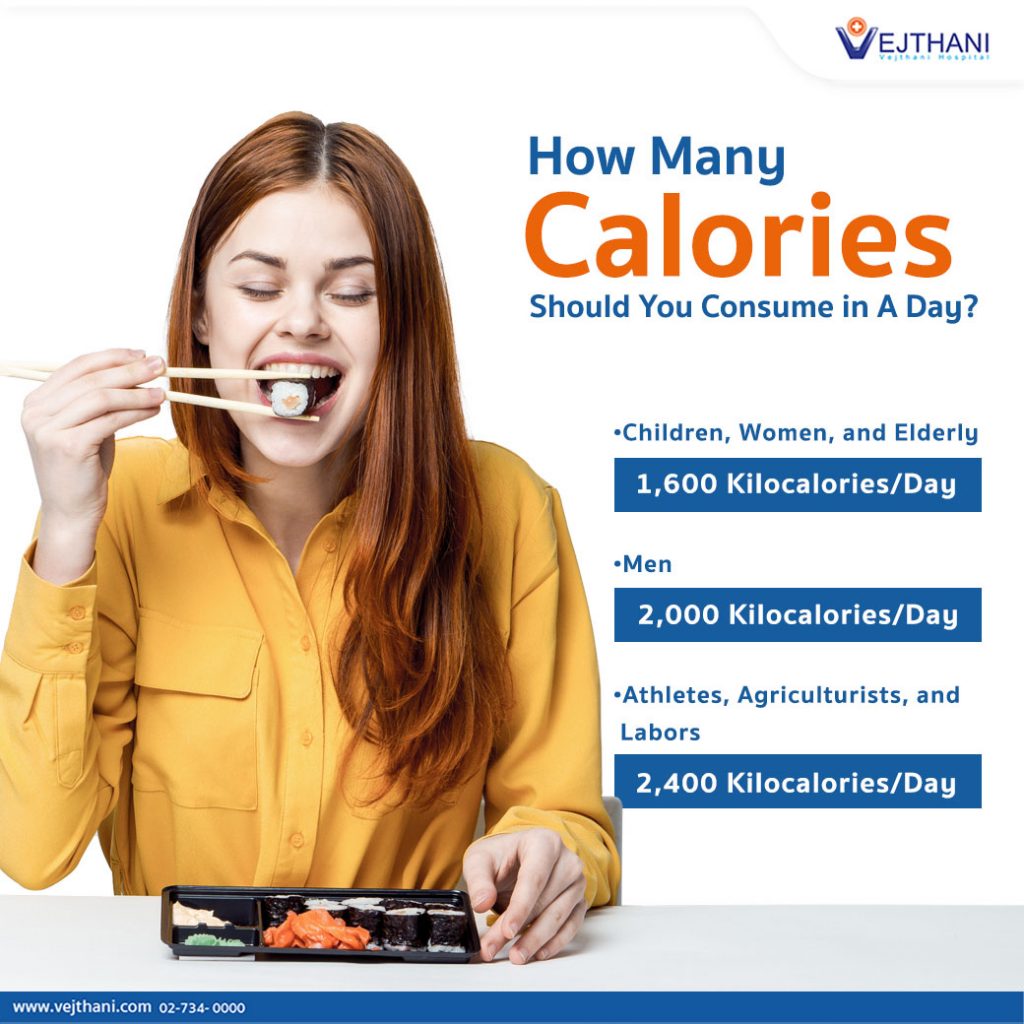
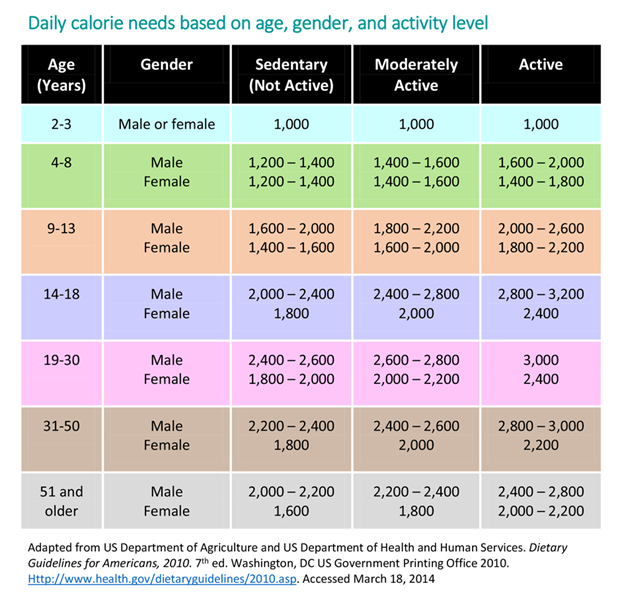
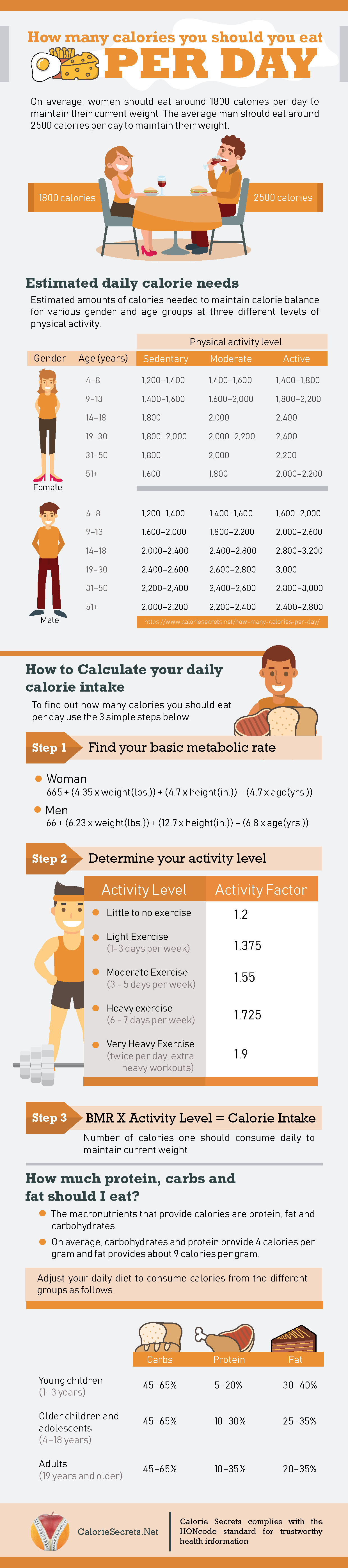
In the early days of nutritional science, determining how many calories an individual should consume was a matter of generalized mathematics. We relied on the Mifflin-St Jeor equation or the Harris-Benedict formula—pen-and-paper calculations that used static variables like age, height, and weight to provide a rough estimate. However, the digital revolution has transformed this “best guess” approach into a high-precision data science. Today, the question of “how many calories should you intake a day” is no longer answered by a static chart on a doctor’s wall, but by a sophisticated stack of wearable sensors, artificial intelligence, and cloud-based biological modeling.
The Evolution of Metabolic Tracking: From Formulas to Real-Time Data
The shift from manual estimation to digital precision represents one of the most significant leaps in consumer health technology. For decades, the industry relied on Basal Metabolic Rate (BMR) formulas that were developed in clinical settings with limited demographic variety. Today, the “Quantified Self” movement has integrated technology into the very fabric of our metabolic understanding.
The Rise of Wearable Sensor Arrays
Modern wearables, such as the Apple Watch, Garmin Fenix series, and the Oura Ring, have moved far beyond simple step counting. These devices utilize photoplethysmography (PPG) to track heart rate variability (HRV) and resting heart rate, which are critical metrics in determining metabolic load. By processing these data points through proprietary algorithms, these gadgets can estimate active calorie burn with a degree of accuracy that was previously only available in sports science laboratories. When a device tells you exactly how many calories you’ve burned during a high-intensity interval training (HIIT) session versus a sedentary afternoon, it redefines your “intake” requirements in real-time.
Integrated Ecosystems and TDEE
Total Daily Energy Expenditure (TDEE) is the holy grail of caloric calculation. Tech ecosystems now allow for the seamless integration of different data silos. Your smart scale (like Withings or Fitbit Aria) syncs your body fat percentage to your phone; your wearable syncs your movement; and your sleep tracker calculates your recovery state. When these data points converge, software can provide a dynamic caloric target that fluctuates based on your actual physiological state rather than a theoretical average.
AI and Machine Learning: Personalizing Your Nutritional Blueprint
The core of the “how many calories” question is now being solved by Artificial Intelligence. While traditional apps required manual entry, the next generation of nutritional software leverages machine learning to remove human error and provide predictive insights.
Computer Vision and Image-Based Recognition
One of the greatest barriers to accurate caloric intake is the “reporting bias”—the tendency for humans to underestimate what they eat. Enter Computer Vision. Startups and established tech giants are integrating AI that can analyze a photograph of a meal and estimate its caloric density. By utilizing neural networks trained on millions of food images, these tools can identify portion sizes and macronutrient distributions. This technology transforms a smartphone camera into a sophisticated nutritional scanner, providing a data-driven answer to how much “room” is left in a user’s daily caloric budget.
Predictive Analytics and Adaptive Coaching
Advanced AI platforms now use predictive modeling to forecast how a specific caloric intake will affect a user’s weight and performance over time. If the data shows that a user’s metabolism is adapting to a certain caloric level (the “plateau” effect), AI-driven apps like Carbon Diet Coach or MacroFactor automatically adjust the daily calorie recommendations. These algorithms function as digital nutritionists, analyzing trends in weight change against reported intake to calculate a user’s “true” expenditure, bypassing the inaccuracies of standard formulas.
Large Language Models (LLMs) as Nutritional Consultants
The emergence of GPT-based tools has introduced a new layer of interactivity. Users can now engage with AI to parse complex nutritional data. Instead of looking at a raw number, a user can ask, “Based on my 10km run today and my goal of losing 0.5kg a week, how many calories should I intake, and what should the macro split look like?” The AI synthesizes data from multiple sources to provide a professional-grade recommendation in seconds.
The Future of In-Body Tech: Biosensors and Continuous Monitoring
We are currently moving from “wearable” tech to “near-body” and “in-body” tech. This transition is providing the most granular data ever seen in the consumer market, fundamentally changing how we calculate caloric needs based on blood chemistry.
Continuous Glucose Monitors (CGMs) for the Non-Diabetic
The most significant trend in high-end health tech is the adoption of Continuous Glucose Monitors (CGMs) by the general population. Companies like Levels and Nutrisense use biosensors—small filaments that sit just under the skin—to track blood glucose levels in real-time. This technology shows exactly how a specific caloric intake affects blood sugar stability. If a certain calorie count leads to massive glucose spikes and crashes, the “how many” question becomes secondary to the “what” and “when.” Tech-savvy users are now using these data streams to find their “metabolic sweet spot,” where caloric intake facilitates stable energy without fat storage.
The Integration of Metabolic Health and Digital Security
As we move toward a world where our caloric intake is dictated by bio-data, the security of that data becomes paramount. Digital security in the health-tech space is a burgeoning niche. The transition of metabolic data from local devices to the cloud requires robust encryption and HIPAA-compliant infrastructures. Users are increasingly looking for “Privacy by Design” in their nutritional apps, ensuring that their metabolic profiles—which are as unique as fingerprints—are protected from third-party exploitation.
Gamification and Behavioral Software: The Psychology of Intake
Technology does not just calculate numbers; it influences behavior. The design of user interfaces (UI) and user experiences (UX) in health apps plays a massive role in how individuals adhere to their caloric goals.
The Role of Nudge Theory in Health Apps
Top-tier apps employ “Nudge Theory,” using push notifications and haptic feedback to guide users toward their caloric targets. If the software detects that a user is consistently over-consuming calories in the evening, it can preemptively send a “nudge” or suggest a high-volume, low-calorie alternative based on historical data. This behavioral tech ensures that the calculated “daily intake” isn’t just a number, but a reachable goal facilitated by software design.
Social Fitness and Competitive Data
The social layer of technology—platforms like Strava or MyFitnessPal’s community features—uses social proof to influence caloric adherence. By turning caloric management into a shared digital experience, companies leverage the network effect to improve user outcomes. When your social circle’s data is visible (within privacy constraints), it creates a feedback loop that encourages precision in tracking and intake.
Conclusion: The Shift from Estimation to Absolute Precision
The question “how many calories should you intake a day” has been thoroughly disrupted by the technology sector. We have moved away from the era of generalized advice and entered the era of the Digital Twin. By creating a digital representation of our physical selves through a combination of wearables, AI-driven software, and biosensors, we can now determine our nutritional needs with unprecedented accuracy.
As AI continues to evolve and sensors become even less intrusive, the friction between “knowing” and “doing” will continue to decrease. The future of caloric intake is not found in a textbook, but in the seamless integration of our biological signals with the sophisticated algorithms that live in our pockets and on our wrists. In this tech-driven landscape, your daily calorie count is a dynamic, living data point—optimized for your unique biology, your daily activity, and your long-term digital health profile.
aViewFromTheCave is a participant in the Amazon Services LLC Associates Program, an affiliate advertising program designed to provide a means for sites to earn advertising fees by advertising and linking to Amazon.com. Amazon, the Amazon logo, AmazonSupply, and the AmazonSupply logo are trademarks of Amazon.com, Inc. or its affiliates. As an Amazon Associate we earn affiliate commissions from qualifying purchases.