
Understanding how to calculate income is the cornerstone of financial literacy. Whether you are a salaried employee, a freelancer navigating the gig economy, or a business owner looking to scale, the ability to accurately measure your financial inflows is essential for budgeting, tax compliance, and long-term wealth building. Income is rarely as simple as a single number on a paycheck; it is a multi-layered metric that reflects your economic health and potential.
In this guide, we will break down the complexities of income calculation, moving from basic employment earnings to complex business profits and investment yields. By mastering these calculations, you gain the clarity needed to make informed decisions about your spending, saving, and investing strategies.
Understanding the Fundamentals of Gross vs. Net Income
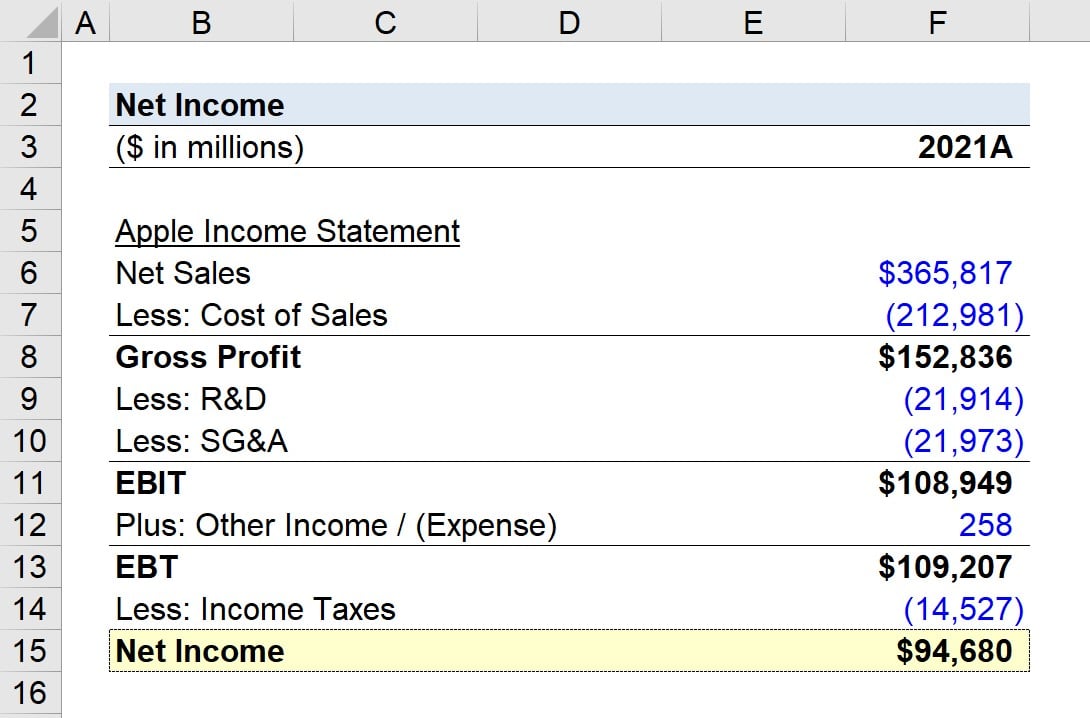
The most common point of confusion for many individuals is the difference between gross income and net income. While the former represents your total earning potential, the latter represents the reality of what you actually have available to spend.
Defining Gross Income: The Starting Point
Gross income is the total amount of money you earn before any deductions, taxes, or contributions are taken out. For a traditional employee, this is typically the “top-line” figure stated in an employment contract or offer letter. If you are paid an hourly wage, gross income is calculated by multiplying your hourly rate by the number of hours worked in a given period.
It is important to remember that gross income includes more than just your base salary. It encompasses bonuses, overtime pay, commissions, and any tips received. For tax purposes, the IRS and other global tax authorities use gross income as the baseline for determining your tax bracket and eligibility for certain credits.
Deductions and Taxes: The Path to Net Income
Net income, often referred to as “take-home pay,” is the amount remaining after all mandatory and voluntary deductions are subtracted from your gross income. Mandatory deductions typically include federal, state, and local income taxes, as well as social insurance contributions (such as FICA in the United States).
Voluntary deductions might include:
- Health, dental, and vision insurance premiums.
- Retirement plan contributions (e.g., 401(k) or 403(b)).
- Life insurance or disability insurance premiums.
- Flexible Spending Account (FSA) or Health Savings Account (HSA) contributions.
To calculate your net income, use the formula:
Gross Income – (Taxes + Mandatory Deductions + Voluntary Deductions) = Net Income.
Why the Distinction Matters for Budgeting
Relying on your gross income to create a household budget is a recipe for financial distress. Budgeting should always be based on net income. When you understand exactly how much money lands in your bank account each month, you can accurately allocate funds for fixed costs (like rent or mortgages) and variable costs (like groceries and entertainment). Furthermore, understanding the gap between gross and net income helps you evaluate the “true cost” of your workplace benefits, allowing you to see how much your employer-sponsored insurance and retirement matches are actually worth.
Calculating Income for Business Owners and Freelancers
For the self-employed, the calculation of income is significantly more complex than for a salaried employee. Freelancers and business owners do not have the luxury of a pre-calculated paycheck; they must manage their own “bottom line.”
Revenue vs. Profit: Knowing the Difference
In the world of business, the first step is distinguishing between revenue and profit. Revenue (often called gross receipts) is the total amount of money your business brings in from selling products or services. However, revenue is not income.
Income for a business owner is generally defined as “Net Profit.” This is the money that remains after all business-related expenses have been paid. If your business generates $10,000 in revenue but costs $7,000 to operate, your actual income is only $3,000.
Tracking Business Expenses
To calculate your business income accurately, you must meticulously track every expense associated with your operations. These are categorized into:
- Cost of Goods Sold (COGS): Direct costs of producing the goods sold by a company (materials, direct labor).
- Operating Expenses: Costs required to run the business that are not directly tied to production (rent, utilities, marketing, software subscriptions).
- Interest and Taxes: Interest paid on business loans and any specific business-related taxes.
The formula for self-employed income is:
Total Revenue – Total Business Expenses = Net Business Income.
It is vital to maintain a separate bank account for business activities to avoid the “co-mingling” of funds, which makes it nearly impossible to calculate true income during tax season.

Accounting for Irregular Cash Flow
Unlike a 9-to-5 job, freelance and business income often fluctuates. One month may bring a windfall, while the next brings a dry spell. To calculate a reliable “monthly income” for personal planning, experts recommend using a trailing twelve-month (TTM) average. By totaling your net profit over the last year and dividing by twelve, you can establish a “baseline” income that accounts for seasonality and market volatility.
Evaluating Investment and Passive Income Streams
True wealth is often built through passive income—money earned with minimal ongoing effort. Calculating this type of income requires a different set of metrics focused on asset performance and yield.
Dividend Income and Interest
If you hold stocks, mutual funds, or exchange-traded funds (ETFs) that pay dividends, or if you have money in high-yield savings accounts and bonds, you are earning investment income.
- Interest Income: Calculated based on the Annual Percentage Yield (APY) of your accounts.
- Dividend Income: Calculated by multiplying the number of shares you own by the dividend per share.
For example, if you own 100 shares of a company that pays a $2.00 annual dividend, your annual dividend income is $200. While this may seem straightforward, it is important to track whether these dividends are being “reinvested” (DRIP) or taken as cash, as this affects your immediate liquidity versus long-term growth.
Real Estate and Rental Yields
For real estate investors, calculating income involves looking at the “Cash Flow.” This is not simply the rent collected from a tenant. To find the net rental income, you must subtract the mortgage payment, property taxes, insurance, maintenance costs, and property management fees from the gross rent.
A key metric used here is the Cap Rate (Capitalization Rate), calculated as:
Net Operating Income / Property Asset Value. This helps investors compare the profitability of different properties regardless of how they are financed.
Capital Gains: Realized vs. Unrealized
Income from investments also includes capital gains—the profit made from selling an asset for more than its purchase price.
- Unrealized Gains: The increase in value of an asset you still own (paper profit). While this increases your net worth, it is not “income” in a spendable sense.
- Realized Gains: The profit triggered when you actually sell the asset. This is considered taxable income and must be calculated based on the “holding period” (short-term vs. long-term) to determine the tax rate applied.
Advanced Metrics for Financial Health
Once you have a firm grasp on your gross, net, business, and investment incomes, you can use more advanced metrics to assess your overall financial stability and borrowing power.
Disposable vs. Discretionary Income
While often used interchangeably, these two terms represent different stages of financial freedom:
- Disposable Income: This is essentially your net income—the money left after taxes to pay for all necessities (housing, food, transport).
- Discretionary Income: This is the money left over after you have paid for all taxes and all essential living expenses. This is the “fun money” used for vacations, luxury items, or additional investments.
Calculating your discretionary income is the most effective way to determine how much you can afford to pivot toward aggressive debt repayment or wealth-building ventures.
Debt-to-Income Ratio (DTI)
The Debt-to-Income ratio is a critical number used by lenders (such as mortgage providers) to measure your ability to manage monthly payments. To calculate your DTI, divide your total monthly debt payments (credit cards, student loans, mortgages) by your gross monthly income.
A DTI of 36% or less is generally considered healthy. If your DTI is too high, it indicates that a significant portion of your income is already committed to past spending, leaving little room for future financial growth.
The Role of Financial Tools and Automation
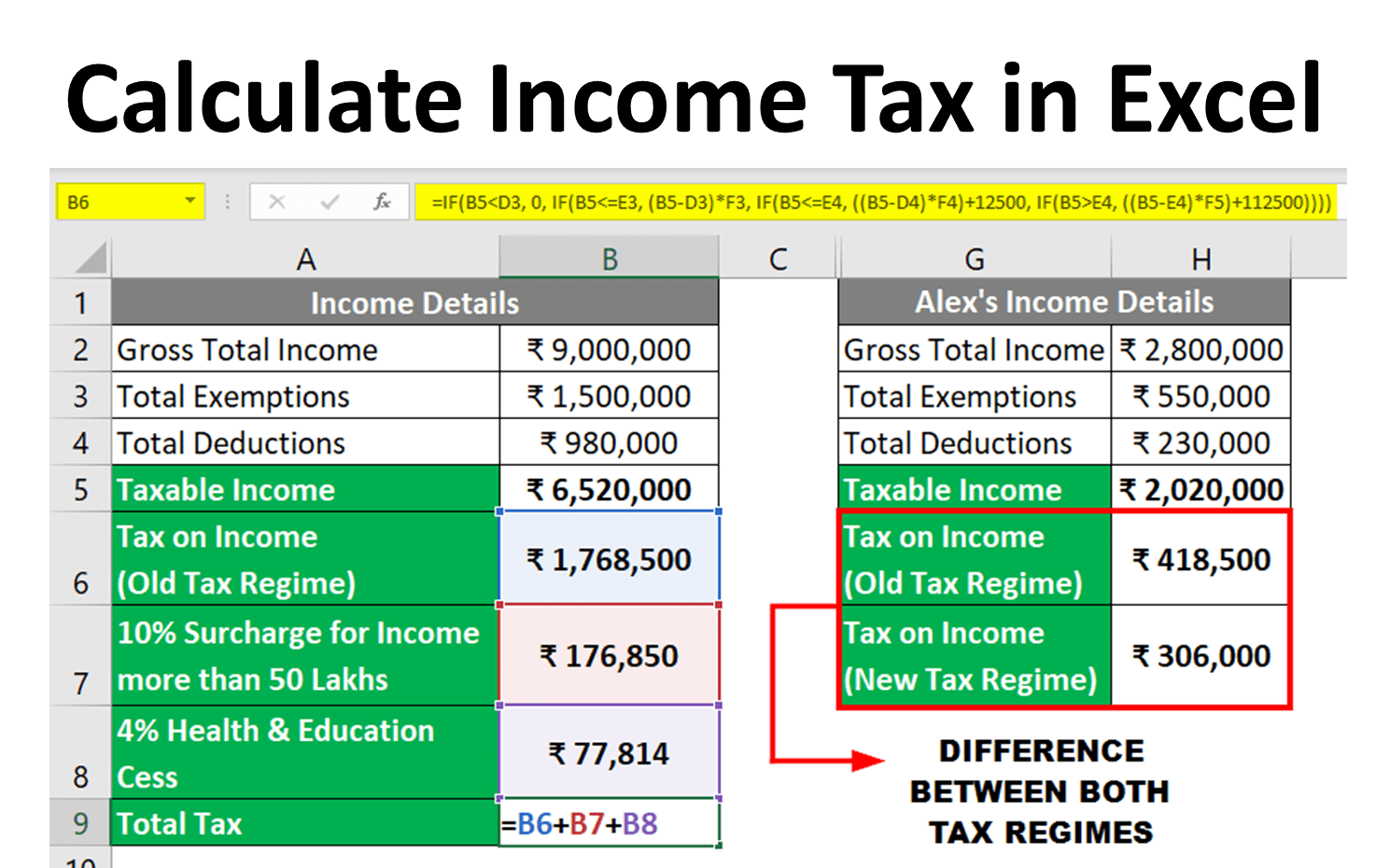
In the modern era, calculating income manually on a legal pad is becoming obsolete. Utilizing financial tools—ranging from simple spreadsheets to sophisticated accounting software—can provide real-time insights into your income streams. Automation tools can categorize your expenses, track dividend payouts, and even estimate your tax liability in real-time. By leveraging technology, you can move from “guessing” your income to “knowing” your income with surgical precision.
Conclusion: The Strategic Importance of Income Tracking
Calculating income is more than a mathematical exercise; it is an act of strategic planning. When you accurately define your gross and net earnings, account for the nuances of business expenses, and track the yield of your investments, you transform from a passive earner into an active wealth manager.
By consistently monitoring these figures, you can identify trends, capitalize on high-performing income streams, and cut ties with ventures that are no longer profitable. Ultimately, the goal of calculating income is to ensure that your money is working as hard for you as you are working for it. With a clear picture of your financial inflows, you are better equipped to navigate the complexities of the modern economy and secure your financial future.
aViewFromTheCave is a participant in the Amazon Services LLC Associates Program, an affiliate advertising program designed to provide a means for sites to earn advertising fees by advertising and linking to Amazon.com. Amazon, the Amazon logo, AmazonSupply, and the AmazonSupply logo are trademarks of Amazon.com, Inc. or its affiliates. As an Amazon Associate we earn affiliate commissions from qualifying purchases.