
In the world of finance, numbers are the primary language of success. Whether you are tracking the performance of a stock portfolio, evaluating the growth of a small business, or managing a personal household budget, the ability to quantify change is essential. While raw numbers provide a snapshot of current value, they often fail to tell the whole story. To truly understand momentum, performance, and trajectory, one must master the concept of percentage increase.
Percentage increase is more than just a mathematical formula; it is a vital diagnostic tool used by investors, accountants, and financial planners to measure relative growth. By converting a change in value into a percentage, we gain a standardized way to compare different assets, time periods, and financial strategies. This article explores the nuances of calculating percentage increase within the “Money” niche, examining its application in investing, corporate finance, and personal wealth management.
The Fundamentals of Calculating Percentage Increase in Finance
At its core, percentage increase measures the difference between an initial value and a final value, expressed as a portion of the original amount. In financial terms, this allows an individual to see how much their capital has expanded relative to their initial outlay.
The Step-by-Step Formula
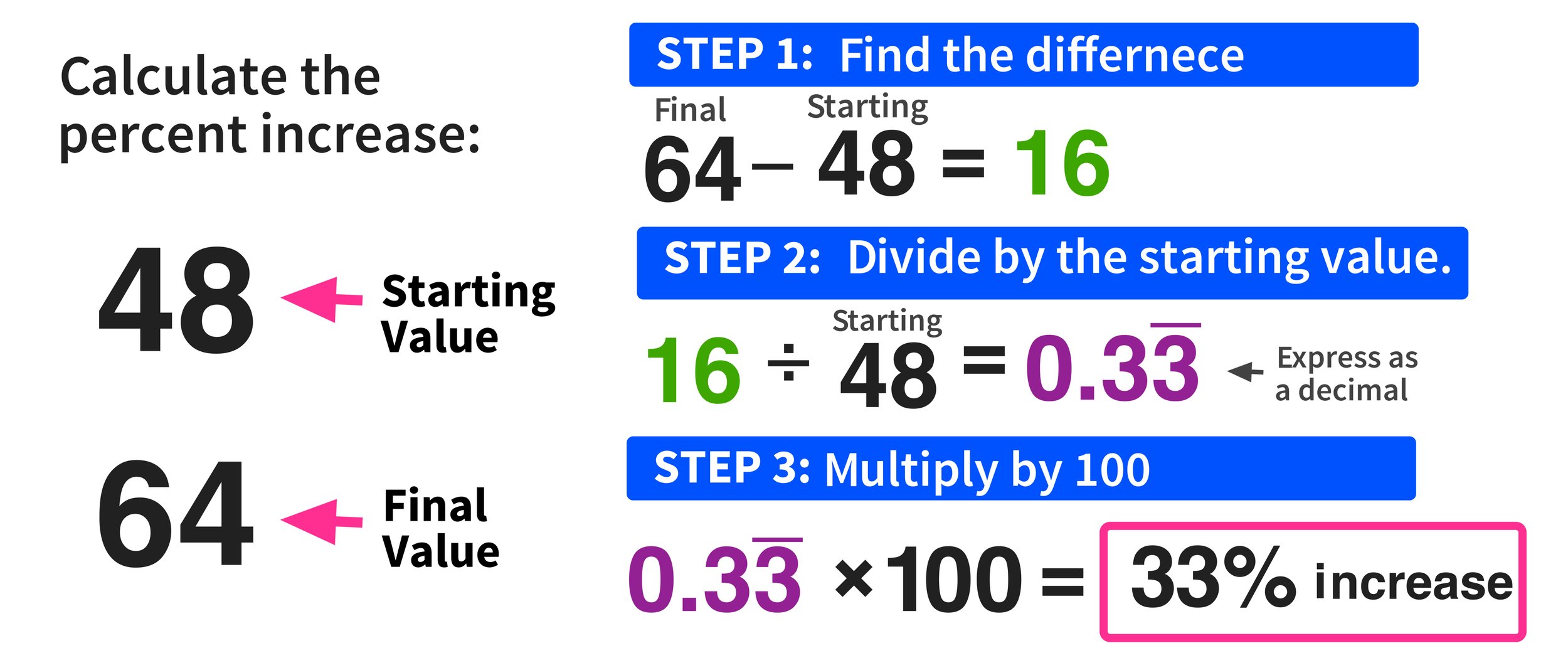
To calculate the percentage increase between two numbers, you follow a straightforward three-step process:
- Find the absolute difference: Subtract the original value (the starting amount) from the new value (the current amount).
- Divide by the original value: Take the difference found in step one and divide it by the original starting number.
- Convert to a percentage: Multiply the resulting decimal by 100 and add a percent sign (%).
Formula: ((New Value - Old Value) / Old Value) x 100 = Percentage Increase
For example, if you purchased a share of a technology company at $150 and its current market price is $180, the calculation would be:
($180 - $150) / $150 = 0.20.
Multiplying by 100 gives you a 20% increase.
Why Accuracy Matters in Financial Reporting
In the financial sector, precision is paramount. A minor error in calculating percentage growth can lead to significant misinterpretations of data. For instance, in corporate financial reporting, the percentage increase in “Cost of Goods Sold” (COGS) must be weighed accurately against the percentage increase in “Gross Revenue.” If revenue increases by 10% but costs increase by 15%, the business is actually becoming less efficient despite the “growth” in sales. Understanding the relationship between these percentages allows for better decision-making and strategic pivoting.
Percentage Increase in Investment Performance
For investors, the percentage increase is the ultimate yardstick for performance. It levels the playing field, allowing an investor to compare a $1,000 investment in a high-yield savings account against a $10,000 investment in an Index Fund.
Measuring Return on Investment (ROI)
Return on Investment (ROI) is perhaps the most common application of percentage increase in the financial world. It represents the efficiency of an investment. When you evaluate the success of a real estate flip, a stock purchase, or a venture capital contribution, you are essentially looking at the percentage increase of your initial capital.
A high percentage increase signifies a lucrative opportunity, but seasoned investors also look at the timeframe. A 50% increase over ten years is vastly different from a 50% increase over ten months. This distinction leads to the necessity of understanding more complex growth metrics.
Compound Annual Growth Rate (CAGR) vs. Simple Percentage Increase
While simple percentage increase tells you how much you have gained in total, it doesn’t account for the “compounding effect” over time. This is where the Compound Annual Growth Rate (CAGR) becomes relevant. While the simple percentage increase might show a total growth of 100% over five years, the CAGR provides the smoothed annual rate of return.
In money management, relying solely on simple percentage increase can be misleading if the volatility is high. An investor might see a 20% increase one year and a 10% decrease the next. Calculating the cumulative percentage change over several years provides a clearer picture of the portfolio’s health than looking at isolated spikes.
Factoring in Inflation and Real Gains
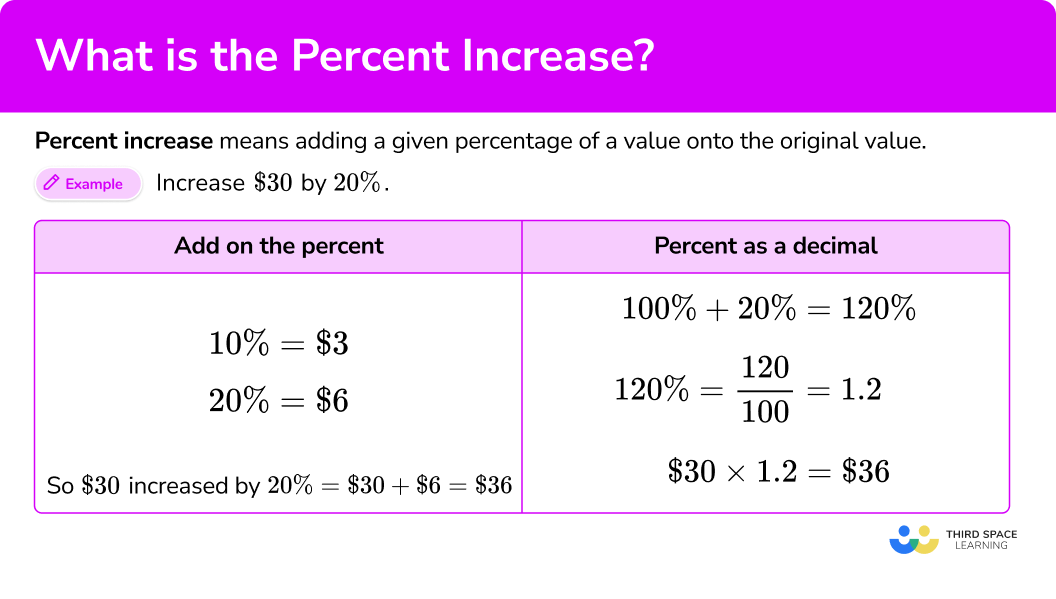
A crucial “Money” niche insight is the difference between “nominal” percentage increase and “real” percentage increase. If your savings account offers a 5% annual interest rate (a 5% increase in your balance), but inflation is running at 6%, your purchasing power has actually decreased. In professional wealth management, the goal is always to achieve a percentage increase that exceeds the rate of inflation, thereby ensuring that the “real” value of the money is growing.
Business Finance: Tracking Revenue and Profit Growth
In the corporate world, percentage increase is the primary metric used to communicate success to stakeholders and shareholders. It provides context to the raw data found in balance sheets and income statements.
Year-over-Year (YoY) and Quarter-over-Quarter (QoQ) Analysis
Businesses track their performance using standardized time blocks. Year-over-Year (YoY) growth compares a specific period (like Q3 of 2023) with the same period in the previous year (Q3 of 2022). This is vital because many businesses are seasonal. For example, a retail business might see a 300% increase in revenue in December compared to November. While that sounds impressive, a more meaningful metric is the percentage increase compared to the previous December. If the YoY increase is only 2%, it suggests that the business is stagnating despite the holiday rush.
Margin Expansion and Cost Management
Management teams also use percentage increase to monitor efficiency. “Margin Expansion” refers to the percentage increase in profit margins. If a company can increase its revenue by 10% while keeping its expenses flat, its net profit percentage increase will be significantly higher than its revenue increase. This “operating leverage” is what many stock market analysts look for when identifying high-performing companies. Conversely, a rapid percentage increase in “Operating Expenses” is often a red flag that a company is losing control of its overhead.
Personal Finance and Household Budgeting
On an individual level, mastering the calculation of percentage increase can lead to better financial habits and long-term security. It turns abstract numbers into actionable insights regarding one’s lifestyle and savings goals.
Tracking Net Worth Growth
Net worth is the total value of your assets minus your liabilities. Financial advisors often recommend that individuals track the percentage increase of their net worth annually. If your net worth was $50,000 last year and is $60,000 this year, you have achieved a 20% increase. This is a far more motivating and descriptive metric than simply saying “I have $10,000 more,” as it shows the velocity of your wealth-building efforts relative to where you started.
Analyzing Cost of Living Increases
Percentage increase is also the most effective way to analyze your spending. When utility companies raise rates or grocery prices climb, calculating the percentage increase helps in adjusting your budget. If your monthly grocery bill increases from $400 to $500, that is a 25% increase. Identifying such a sharp rise allows you to audit your spending—deciding whether the increase is due to lifestyle inflation (buying more expensive items) or external economic inflation.
Advanced Tools and Common Pitfalls to Avoid
While the math is relatively simple, the interpretation of percentage increase in financial contexts requires nuance. There are specific traps that even experienced professionals can fall into.
The “Small Base” Bias in Percentage Calculations
One of the most common distortions in financial reporting is the “small base” effect. If a startup company grows its revenue from $1,000 to $10,000, it can boast a staggering 900% increase. However, a multi-billion dollar corporation growing its revenue by 900% is nearly impossible. When evaluating investment opportunities, it is vital to remember that high percentage increases are much easier to achieve when the starting number is small. As the base grows, maintaining those same percentage gains becomes exponentially more difficult.
Using Financial Calculators and Spreadsheets
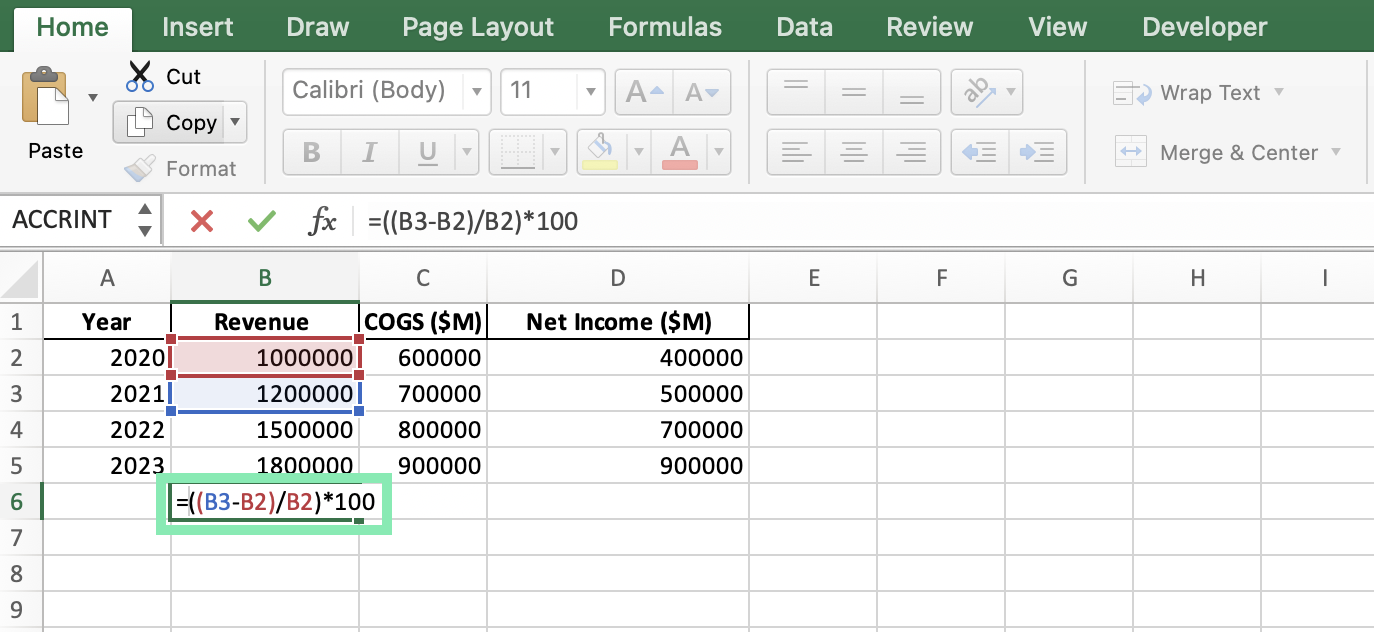
In modern finance, manual calculations are often replaced by software. Tools like Microsoft Excel or Google Sheets use the formula =(New-Old)/Old. Furthermore, many online financial tools and “Percent Increase Calculators” are designed specifically for investors to calculate “Total Return,” which includes both the price appreciation of an asset and any dividends or interest earned. Using these tools reduces human error and allows for “What-If” analysis—modeling how different percentage increases in interest rates might affect a mortgage payment or a bond portfolio.
The Math of Recovery: Losses vs. Gains
A final, critical insight for anyone managing money is the asymmetrical relationship between percentage decreases and increases. If an investment drops by 50%, it requires a 100% increase just to get back to the original “break-even” point. This is a fundamental principle of risk management. Understanding the math behind these percentages highlights why preserving capital is often more important than chasing high-percentage gains; once you lose a significant percentage of your principal, the percentage increase required to recover is daunting.
In conclusion, understanding what a percentage increase is and how it functions between two numbers is a foundational skill for financial literacy. It allows for the objective comparison of disparate assets, provides a clear roadmap for business growth, and offers a sobering look at the reality of personal expenses and investment risks. By looking beyond the raw digits and focusing on the percentage of change, you can gain a more profound, more strategic understanding of your financial world.
aViewFromTheCave is a participant in the Amazon Services LLC Associates Program, an affiliate advertising program designed to provide a means for sites to earn advertising fees by advertising and linking to Amazon.com. Amazon, the Amazon logo, AmazonSupply, and the AmazonSupply logo are trademarks of Amazon.com, Inc. or its affiliates. As an Amazon Associate we earn affiliate commissions from qualifying purchases.