
For any investor looking to navigate the complexities of the financial world, time is just as important as capital. Understanding exactly when the U.S. stock market opens and closes is not merely a matter of checking a clock; it is about understanding liquidity, volatility, and the global flow of capital. The U.S. equity markets—primarily the New York Stock Exchange (NYSE) and the Nasdaq—operate on a strict schedule that dictates the rhythm of global finance. Whether you are a long-term value investor or a high-frequency day trader, the timing of your entries and exits can significantly impact your portfolio’s performance.
Understanding Standard Trading Sessions
The core of the American financial system revolves around the standard trading session. For the vast majority of retail investors, this is the window where the most activity occurs and where price discovery is at its most efficient.
The Core Hours: 9:30 AM to 4:00 PM ET
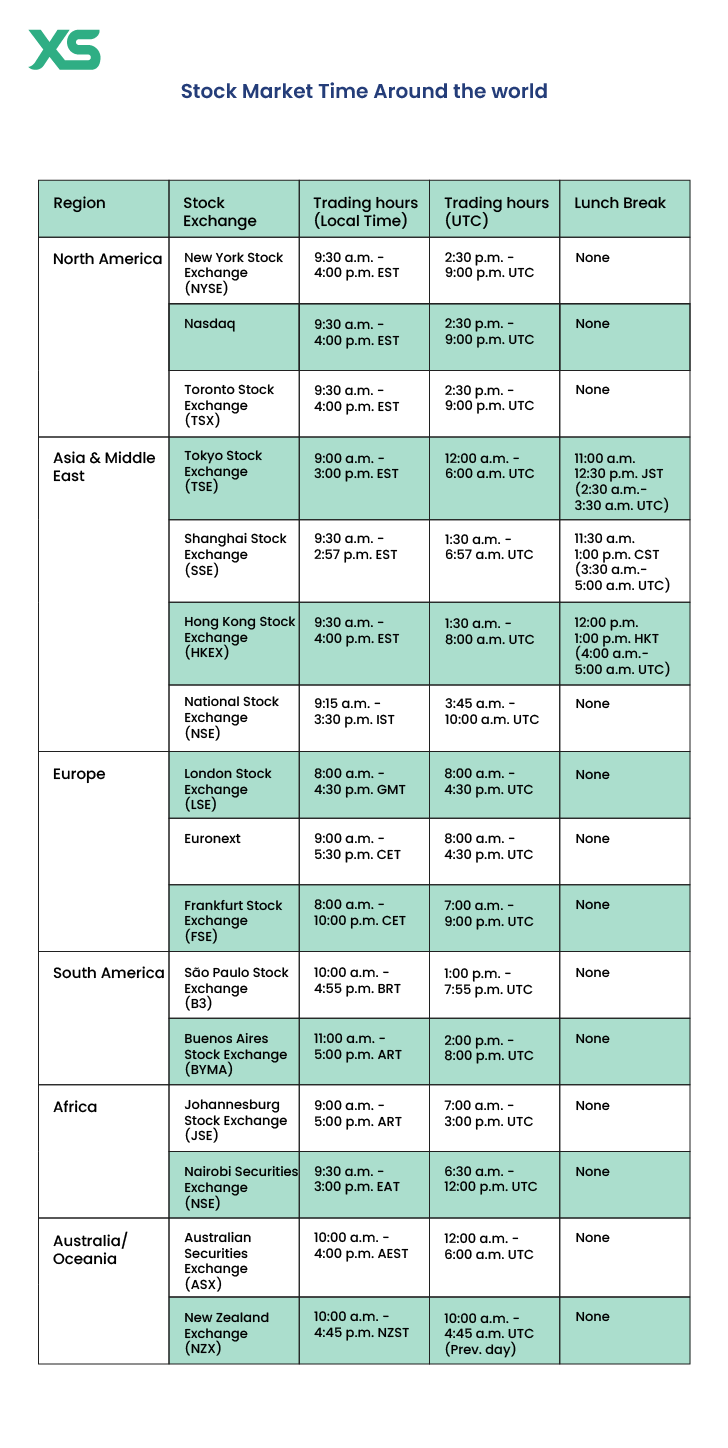
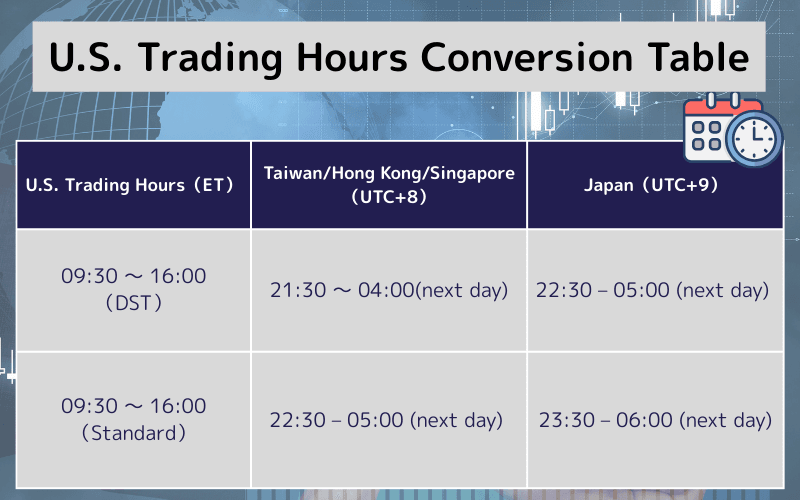
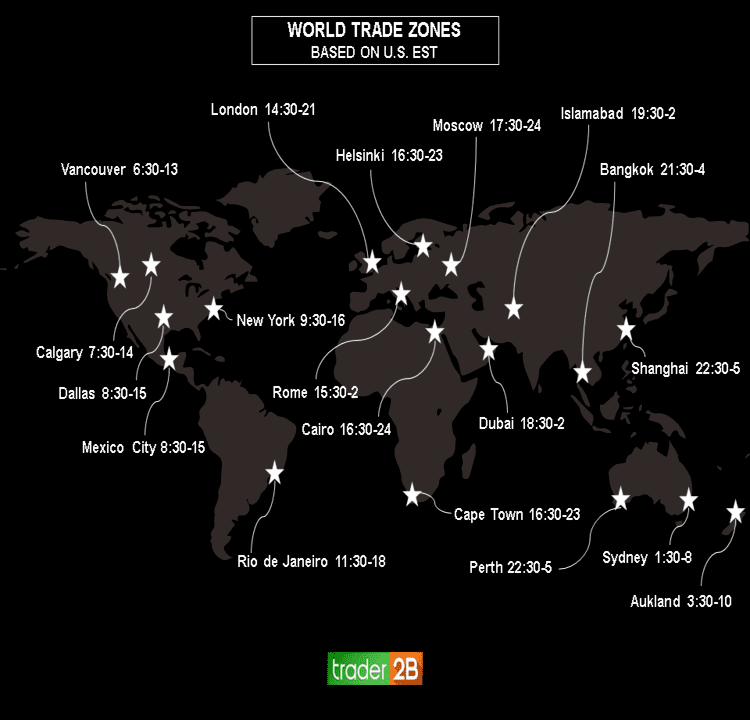
The standard operating hours for the U.S. stock market are 9:30 AM to 4:00 PM Eastern Time (ET), Monday through Friday. It is important to note that the market follows Eastern Time regardless of where the investor is located. For a trader in Los Angeles, the opening bell rings at 6:30 AM; for a professional in London, the market opens at 2:30 PM.
During these six and a half hours, the market experiences its highest levels of liquidity. Liquidity refers to the ease with which an asset can be bought or sold without affecting its price. Because institutional investors, mutual funds, and pension funds execute most of their trades during these hours, the “bid-ask spread”—the difference between what a buyer is willing to pay and what a seller is willing to accept—is typically at its narrowest.
The Significance of the Opening and Closing Bells
The opening bell at 9:30 AM ET is more than just a tradition; it signals the start of the “opening auction.” This is a process where buy and sell orders that accumulated overnight are matched to establish a fair starting price for the day. This first half-hour of trading is often characterized by intense volatility as the market reacts to news, earnings reports, or economic data released since the previous day’s close.
Similarly, the 4:00 PM ET closing bell marks the “closing auction.” Many institutional investors prefer to execute trades at the close to ensure they receive the “benchmark” price for the day. This often results in a massive surge in volume during the final minutes of trading, commonly referred to as the “Power Hour.”
Extended Hours Trading: Beyond the Standard Session
In the modern digital era, the market never truly sleeps. While the floor of the NYSE might be quiet at midnight, electronic communication networks (ECNs) allow for trading outside of the traditional 9:30 AM to 4:00 PM window. This is known as extended-hours trading.
Navigating the Pre-Market Session
Pre-market trading in the U.S. generally begins as early as 4:00 AM ET and runs until the official open at 9:30 AM ET. However, many retail brokerages do not grant access to their clients until 7:00 AM or 8:00 AM ET.
Pre-market trading is primarily driven by news. If a company releases an earnings report at 7:30 AM or if the Department of Labor releases unemployment data at 8:30 AM, the pre-market is where those initial price adjustments happen. For the savvy investor, watching pre-market movement provides a “sneak peek” into how the general market might open, though these movements can sometimes be “head fakes” due to low participation.
Exploring After-Hours Trading
After-hours trading begins immediately after the closing bell at 4:00 PM ET and can run until 8:00 PM ET. This session is critical for reacting to corporate earnings, which are almost always released after the market closes to prevent extreme intraday volatility.
If a major tech giant misses its revenue targets at 4:15 PM, you will see its stock price tumble in the after-hours session. Investors who have access to this session can adjust their positions immediately rather than waiting for the next morning’s open, potentially avoiding further losses or capitalizing on a sudden dip.
The Risks and Rewards of Extended Hours
While extended hours offer flexibility, they come with significant risks that the “Money” niche professional must understand.
- Lower Liquidity: Far fewer people are trading at 6:00 PM than at 10:00 AM. This means it might be harder to find a buyer or seller for your shares.
- Wider Spreads: Because there is less liquidity, the gap between the bid and ask prices grows. You might end up buying at a higher price or selling at a lower price than you intended.
- High Volatility: With fewer participants, a single large trade can move a stock’s price significantly, leading to erratic price swings that may not reflect the stock’s true value once the standard market opens.
Market Holidays and Early Closures
The U.S. stock market does not operate every day. It follows a schedule of federal holidays, and being aware of these “dark days” is essential for managing margin requirements and trade settlements.
The NYSE and NASDAQ Holiday Calendar
Both major U.S. exchanges typically close for nine or ten federal holidays a year. These include:
- New Year’s Day
- Martin Luther King Jr. Day
- Presidents’ Day
- Good Friday
- Memorial Day
- Juneteenth National Independence Day
- Independence Day (July 4th)
- Labor Day
- Thanksgiving Day
- Christmas Day
If a holiday falls on a Saturday, the market is usually closed on the preceding Friday. If it falls on a Sunday, the market is closed on the following Monday. For investors, these closures mean that capital is “locked” in positions over long weekends, increasing the risk of “gap-downs” or “gap-ups” if major global news breaks while the U.S. market is offline.
Early Closures and Half-Days
There are specific days when the market closes early, usually at 1:00 PM ET. This typically occurs on the day after Thanksgiving (Black Friday) and sometimes on Christmas Eve or July 3rd, depending on how those dates fall in the week. Volume on these days is notoriously thin, as many professional traders take the day off, leading to “drifting” markets that lack clear direction.
Strategic Timing: When is the Best Time to Trade?
Knowing what time the market opens is the first step; knowing how to trade those hours is where the financial strategy comes into play. Not all hours are created equal when it comes to profitability and risk management.
The Volatility of the First Hour (9:30 AM – 10:30 AM)
Many seasoned professionals refer to the first 30 to 60 minutes of the trading day as “Amateur Hour.” This is because the market is flooded with “market orders” placed by retail investors overnight. These orders execute regardless of price, creating massive price swings. However, for a disciplined investor, this volatility provides the greatest opportunity for profit. If you have a firm grasp of technical analysis, the first hour offers the range necessary to make significant gains.
The Lunchtime Lull (12:00 PM – 2:00 PM)
As floor traders in New York head to lunch and institutional activity slows down, the market often enters a “lull.” During this period, volume drops, and prices may trade sideways in a tight range. This is generally considered the worst time for active day trading because the lack of movement makes it difficult to overcome the costs of the bid-ask spread and commissions. However, for long-term investors, this can be a calm time to enter a position without the “noise” of high volatility.
The Power Hour (3:00 PM – 4:00 PM)
The final hour of the trading day is when the “smart money” often makes its moves. Institutional investors and hedge funds look to close out their intraday positions or rebalance their portfolios. This hour frequently sees a trend established—if the market has been climbing all day, the Power Hour often sees an acceleration of that trend as traders rush to join the momentum before the bell.
Global Impact and Time Zone Considerations
The U.S. stock market does not exist in a vacuum. It is the largest piece of a global financial puzzle, and its opening time is heavily influenced by what happened hours earlier in Asia and Europe.
The European Overlap
Between 9:30 AM and 11:30 AM ET, the U.S. markets overlap with the London and European markets (which are usually closing their day). This two-hour window is often the most liquid period in the entire 24-hour global cycle. Currency fluctuations and international news during this overlap can cause significant movement in U.S. ADRs (American Depositary Receipts) and multinational corporations.
Preparing for the Open
Successful investors don’t start their day at 9:30 AM. They begin much earlier, analyzing the “Nikkei” in Japan or the “DAX” in Germany. If European markets are down 2%, the U.S. market is likely to open with a downward “gap.” Understanding this global context allows an investor to set realistic expectations for the 9:30 AM open.
In conclusion, mastering the clock is a fundamental skill in the “Money” niche. By understanding the nuances of the 9:30 AM open, the risks of extended hours, and the strategic advantages of the Power Hour, you position yourself to make more informed, disciplined, and ultimately more profitable financial decisions. The market open is not just a time—it is a gateway to opportunity.
aViewFromTheCave is a participant in the Amazon Services LLC Associates Program, an affiliate advertising program designed to provide a means for sites to earn advertising fees by advertising and linking to Amazon.com. Amazon, the Amazon logo, AmazonSupply, and the AmazonSupply logo are trademarks of Amazon.com, Inc. or its affiliates. As an Amazon Associate we earn affiliate commissions from qualifying purchases.