
The stock market has long been the primary engine for wealth creation in the modern world. Historically, it was a domain reserved for the elite or those with deep financial expertise, but the digital revolution has democratized access, allowing anyone with a smartphone and a few dollars to become a partial owner of the world’s most successful companies. However, accessibility does not equate to simplicity. Entering the stock market requires a strategic approach, a disciplined mindset, and a foundational understanding of financial principles. This guide provides a roadmap for the aspiring investor to transition from a bystander to a confident market participant.
Laying the Foundation: Financial Readiness and Mindset
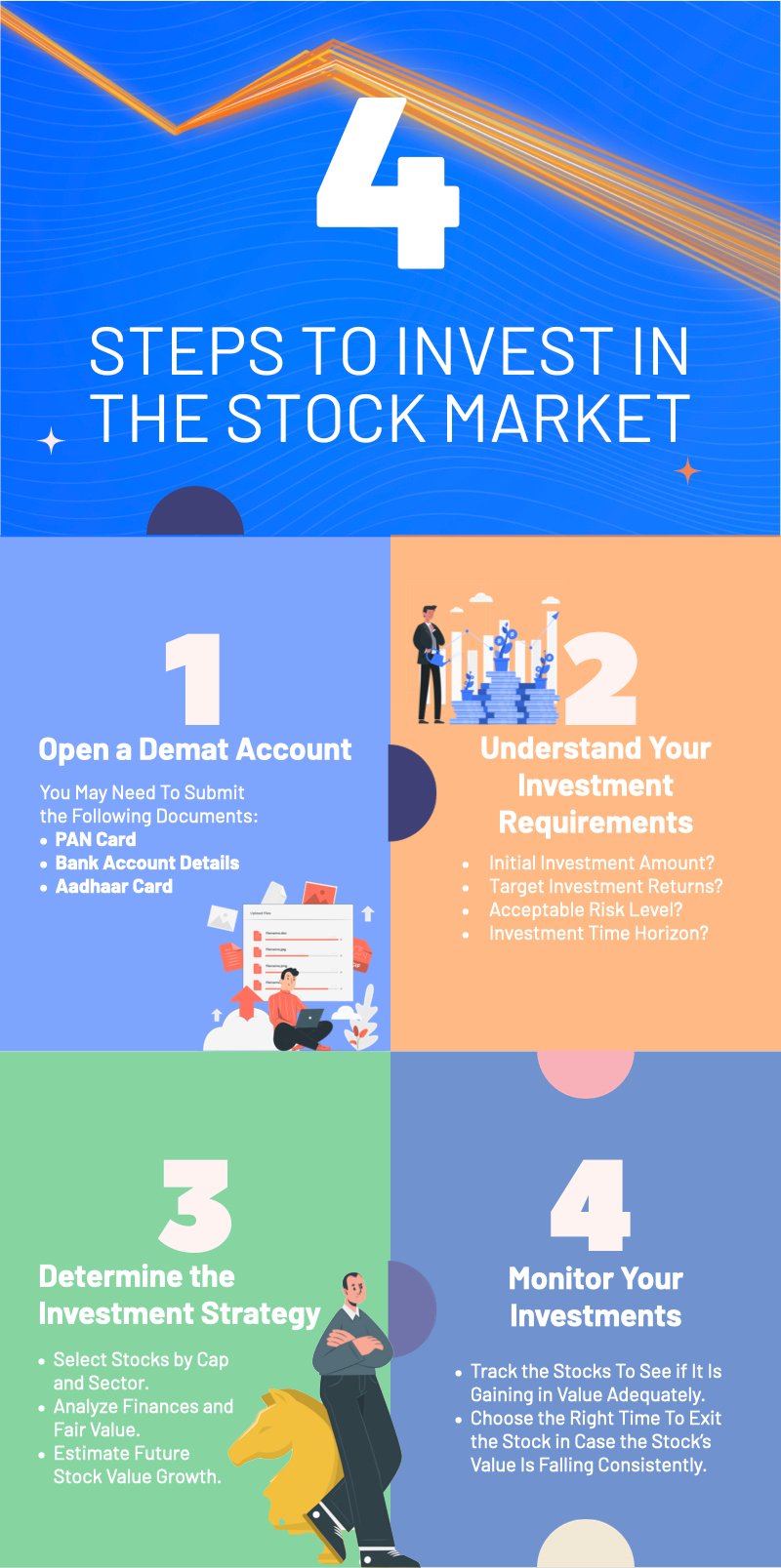
Before you execute your first trade, you must ensure that your personal financial house is in order. Investing is a long-term endeavor, and entering the market with unstable finances is a recipe for forced liquidations at the worst possible times.
Assessing Your Financial Health
The first step is to audit your current financial standing. Do you have high-interest debt, such as credit card balances? If so, the interest rates on that debt (often 20% or higher) will likely outpace any returns you earn in the stock market. Paying off high-interest debt is a guaranteed return on your money.
Furthermore, you must establish an emergency fund. This should consist of three to six months of living expenses kept in a high-yield savings account. The stock market is volatile; if you encounter a medical emergency or job loss during a market downturn, you do not want to be forced to sell your stocks at a loss to cover your bills.
Defining Your Investment Goals and Risk Tolerance
Investing without a goal is like sailing without a map. Are you investing for retirement thirty years away, or are you saving for a down payment on a house in five years? Your “time horizon” dictates your strategy. Generally, the longer your time horizon, the more risk you can afford to take, as you have time to recover from market fluctuations.
Risk tolerance is a psychological measure of how much market volatility you can stomach. If a 10% drop in your portfolio would cause you to lose sleep or panic-sell, you may have a lower risk tolerance and should lean toward more conservative investments. Conversely, if you view market dips as “sales” and opportunities to buy more, you likely have a higher risk appetite.
Choosing the Right Investment Account and Platform
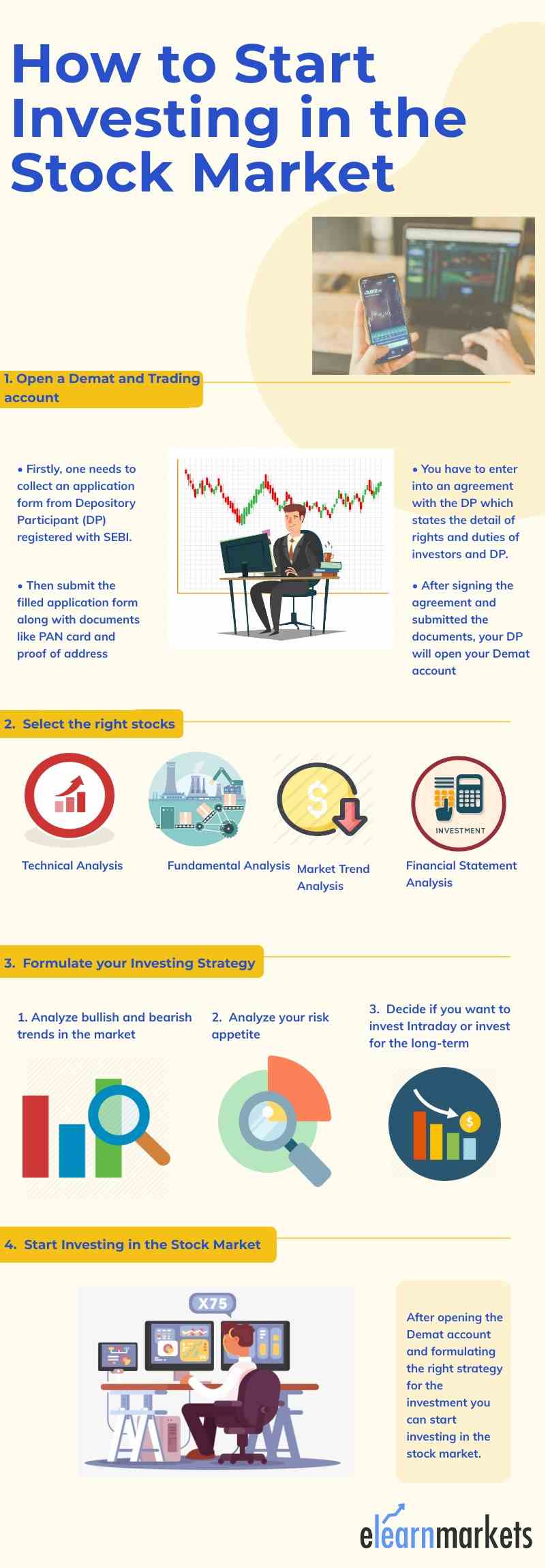
Once you are financially ready, the next step is to choose where your money will live. The “stock market” is the marketplace, but the “brokerage account” is your gateway into that marketplace.
Understanding Different Brokerage Options
The modern landscape offers a variety of brokerage styles.
- Full-Service Brokers: These are traditional firms that offer personalized advice, tax planning, and portfolio management. They are expensive and usually cater to high-net-worth individuals.
- Discount Brokers: These are online platforms like Fidelity, Charles Schwab, or Vanguard. They offer robust research tools, a wide range of investment options, and often zero-commission trades.
- Robo-Advisors: Platforms like Betterment or Wealthfront use algorithms to manage your portfolio based on your risk profile. They are excellent for “set-it-and-forget-it” investors who do not want to pick individual stocks or funds.
- Neo-Brokers/Apps: Apps like Robinhood or Webull have simplified the user interface, making trading highly accessible. While user-friendly, they sometimes lack the deep research tools found in traditional discount brokerages.
Account Types: Taxable vs. Retirement
The type of account you open has significant tax implications.
- Individual Brokerage Accounts: These are “taxable” accounts. You can withdraw money at any time, but you will owe taxes on capital gains and dividends.
- Retirement Accounts (IRAs and 401ks): In the United States, accounts like the Roth IRA or Traditional IRA offer tax advantages. In a Roth IRA, you contribute after-tax money, but your investments grow tax-free, and withdrawals in retirement are also tax-free. These accounts often have “contribution limits” and penalties for early withdrawal, but they are the most efficient way to build long-term wealth.
Building Your Portfolio: Selection and Strategy

With an account funded, you must now decide what to buy. The sheer volume of stocks, bonds, and funds can be overwhelming for a beginner.
Individual Stocks vs. Diversified Funds
Many beginners are drawn to individual stocks because they want to find the “next big thing.” While owning shares of a specific company like Apple or Amazon can be profitable, it carries “idiosyncratic risk”—if that specific company fails, your investment vanishes.
For most beginners, Exchange-Traded Funds (ETFs) and Mutual Funds are superior choices. These funds are essentially “baskets” of hundreds or thousands of different stocks. By buying one share of an S&P 500 ETF (like VOO or SPY), you are instantly diversified across the 500 largest companies in the U.S. Diversification is the only “free lunch” in finance; it reduces risk without necessarily sacrificing long-term returns.
The Power of Compound Interest and Dollar-Cost Averaging
The most powerful tool in an investor’s arsenal is time. Compound interest—the process of earning interest on your interest—works best over decades. A small amount invested in your 20s can grow to a significantly larger sum than a large amount invested in your 40s.
To mitigate the risk of “timing the market” (trying to buy when prices are low), most experts recommend Dollar-Cost Averaging (DCA). This involves investing a fixed amount of money at regular intervals (e.g., $200 every payday), regardless of whether the market is up or down. When prices are high, your $200 buys fewer shares; when prices are low, your $200 buys more. Over time, this lowers your average cost per share and removes the emotional stress of trying to predict market movements.
Navigating the Market: Execution and Long-term Management
The final stage of getting into the stock market is the actual execution of trades and the ongoing maintenance of your portfolio.
Placing Your First Trade: Market vs. Limit Orders
When you are ready to buy, you will encounter different “order types” on your brokerage platform.
- Market Order: This tells the broker to buy the stock immediately at the best available current price. It guarantees the trade happens quickly but does not guarantee the exact price.
- Limit Order: This tells the broker to buy the stock only if it reaches a specific price or lower. It gives you control over the price you pay, but if the stock never hits that price, your trade won’t execute. For beginners, market orders are usually sufficient for highly liquid stocks and ETFs.
Monitoring, Rebalancing, and Avoiding Emotional Pitfalls
Once you own assets, you must resist the urge to check your portfolio every hour. The stock market is inherently volatile in the short term, but it has historically trended upward over the long term.
Periodically (perhaps once or twice a year), you should “rebalance” your portfolio. If your goal was to have 80% stocks and 20% bonds, but a great year in the market has pushed your stocks to 90%, you should sell some stocks and buy bonds to return to your original target. This forces you to “sell high and buy low.”
The greatest enemy of the investor is not the market, but their own emotions. Fear leads to selling during crashes, and greed leads to buying into bubbles. Successful investing requires the discipline to stick to your plan even when the headlines are screaming about a recession.
Conclusion: The Journey to Wealth Creation
Getting into the stock market is not a singular event, but a lifelong process of learning and discipline. By securing your finances, choosing the right brokerage, focusing on diversified funds, and maintaining a long-term perspective, you position yourself to capture the growth of the global economy.
The most important step is simply to start. The “perfect” time to invest does not exist, but the “best” time is almost always today. As the saying goes: “The best time to plant a tree was 20 years ago. The second best time is now.” By taking the first steps toward building your portfolio, you are transitioning from a consumer of the economy to an owner—a shift that is fundamental to achieving lasting financial independence.
aViewFromTheCave is a participant in the Amazon Services LLC Associates Program, an affiliate advertising program designed to provide a means for sites to earn advertising fees by advertising and linking to Amazon.com. Amazon, the Amazon logo, AmazonSupply, and the AmazonSupply logo are trademarks of Amazon.com, Inc. or its affiliates. As an Amazon Associate we earn affiliate commissions from qualifying purchases.