
The digital marketplace has evolved from a secondary retail channel into a primary engine for global wealth creation. At the center of this transformation is Amazon, a platform that accounts for nearly 40% of all e-commerce sales in the United States. For the modern entrepreneur, starting an Amazon business is no longer just a “side hustle”; it is a strategic financial move that requires a sophisticated understanding of capital allocation, cash flow management, and ROI optimization. To succeed in this competitive landscape, one must view the Amazon ecosystem through the lens of business finance, treating every product listing as a high-yield asset within a diversified investment portfolio.
Capital Requirements and Initial Investment Strategies
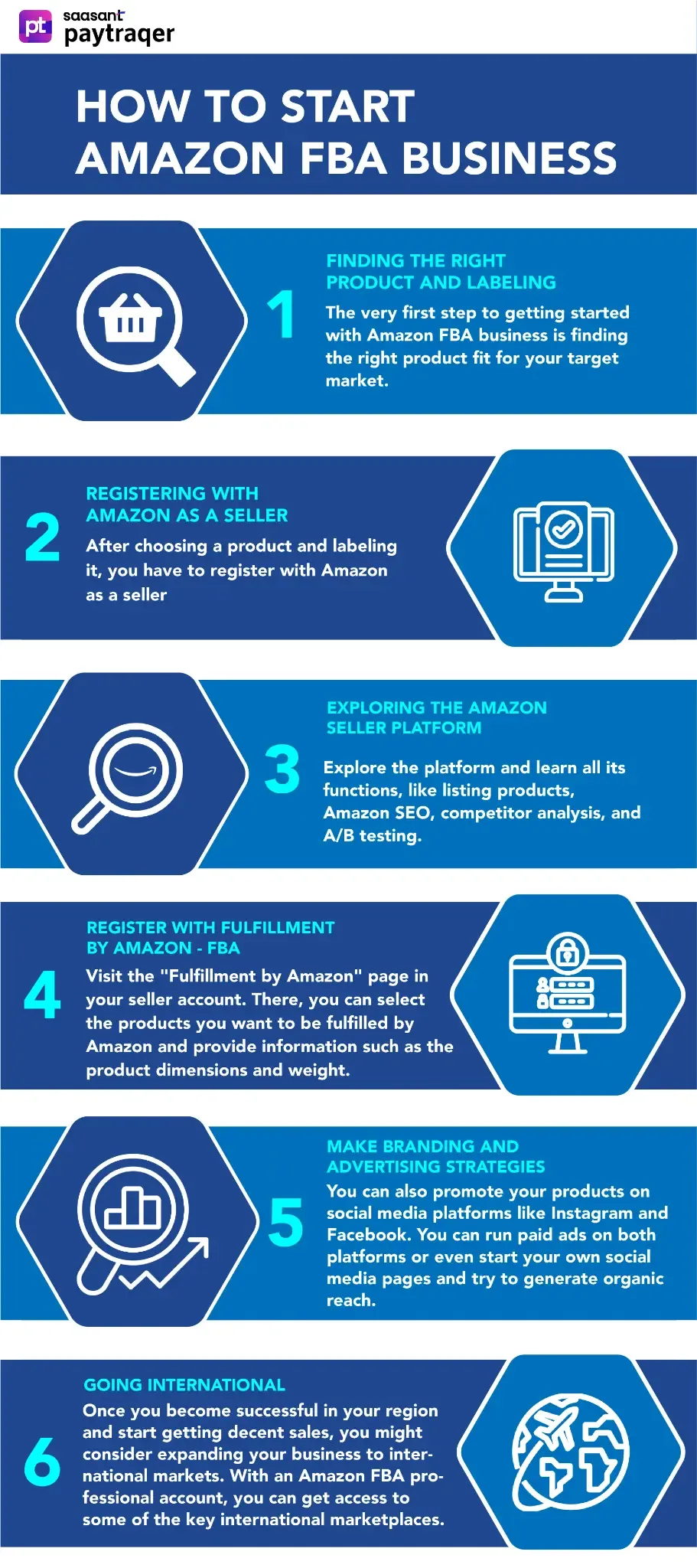
The first hurdle for any aspiring Amazon entrepreneur is determining the appropriate level of capitalization. Unlike traditional brick-and-mortar businesses that require heavy upfront costs for real estate and physical infrastructure, an Amazon business offers a scalable entry point. However, the financial structure of your venture depends heavily on the sourcing model you choose.
Determining Your Startup Costs
Your initial investment is the foundation upon which your future profit margins are built. Generally, there are three tiers of entry. Low-capital entry points, such as Retail Arbitrage (buying discounted items from physical stores to resell), can be started with as little as $500 to $1,000. While this minimizes risk, it often yields lower scalability and higher labor costs per unit.
For those looking to build a sustainable business entity, the Private Label model is the gold standard. This requires an initial investment typically ranging from $3,000 to $10,000. This capital covers initial inventory production, professional photography for the digital storefront, and “launch” marketing. Understanding your “burn rate”—the speed at which you spend your initial capital before turning a profit—is critical during the first six months of operation.
Sourcing Models: From Arbitrage to Wholesale
From a financial perspective, the choice between Retail Arbitrage, Wholesale, and Private Label is a choice between immediate cash flow and long-term equity.
- Retail/Online Arbitrage: Offers quick turnover and low barrier to entry, but the income is often volatile and difficult to automate.
- Wholesale: Involves buying established brands in bulk. This requires higher upfront capital but offers more predictable sales cycles and lower marketing expenses.
- Private Label: This is the most capital-intensive but offers the highest profit margins (often 20-30% net). More importantly, a Private Label business is a sellable asset. In the world of business finance, building a Private Label brand allows you to eventually exit the business by selling to an aggregator for a multiple of your annual EBITDA (Earnings Before Interest, Taxes, Depreciation, and Amortization).
Navigating Amazon’s Fee Structure for Maximum Profitability
A common pitfall for new sellers is failing to account for the “hidden” costs of the platform. To maintain a healthy bottom line, an entrepreneur must master the unit economics of their product. This means knowing exactly how much profit remains after Amazon takes its cut.
Understanding FBA vs. FBM Costs
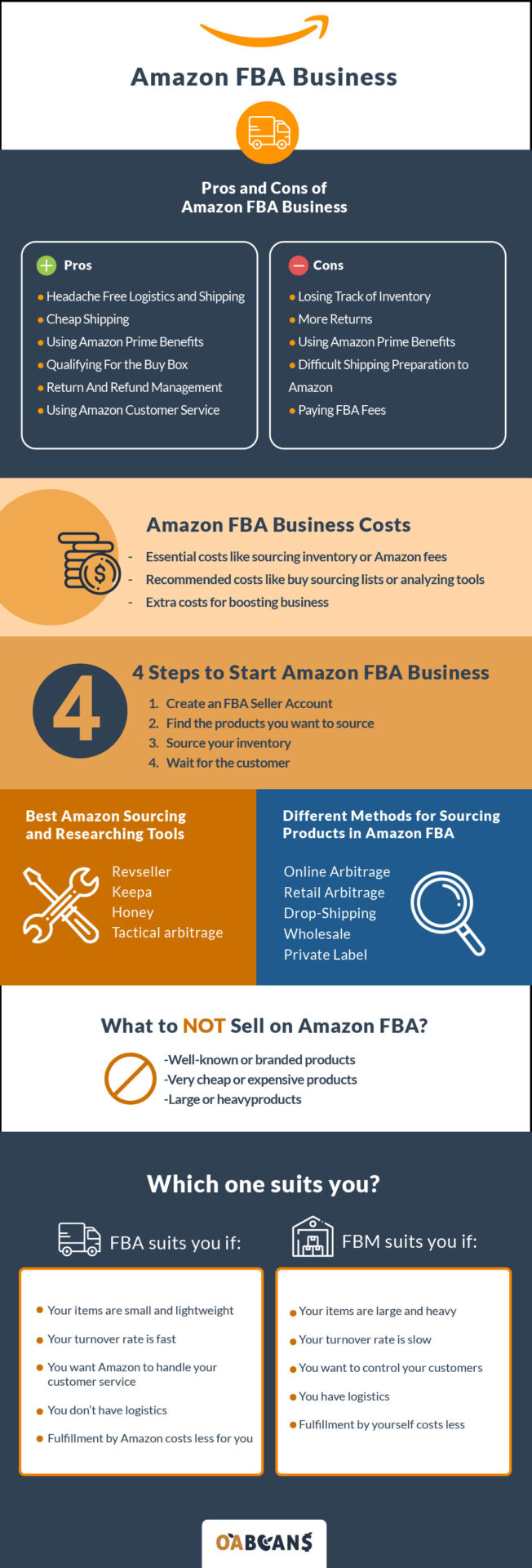
Amazon offers two primary fulfillment methods: Fulfillment by Amazon (FBA) and Fulfillment by Merchant (FBM).
- FBA: Amazon handles storage, packing, shipping, and customer service. In exchange, they charge a fulfillment fee (based on weight and dimensions) and a monthly storage fee. From a financial scaling perspective, FBA is often superior because it allows the business to scale without increasing headcount or warehouse space.
- FBM: The seller manages logistics. This can be more cost-effective for oversized items or products with low turnover, as it avoids Amazon’s stringent long-term storage fees.
To maximize income, a seller must perform a “breakeven analysis” for both methods. This includes the referral fee—typically 15% of the sale price—which Amazon charges for the privilege of accessing their massive customer base.
Calculating Net Margins and Overhead
Professional Amazon sellers often follow the “Rule of Thirds.” One-third of the sale price goes toward the Cost of Goods Sold (COGS), one-third goes toward Amazon’s fees and marketing, and the final third is your net profit.
However, as competition increases, these margins can be squeezed. A disciplined financial approach involves tracking “Land Cost”—which includes manufacturing, shipping, customs duties, and inspection fees. If your net margin falls below 15%, the business may lack the “buffer” needed to survive price wars or sudden increases in advertising costs. Successful online income is predicated on protecting these margins through aggressive negotiation with suppliers and optimizing shipping logistics to reduce the cost per unit.
Strategic Cash Flow Management for Scaling
The most significant challenge in a physical products business is not a lack of sales, but a lack of cash. This is known as a “cash flow crunch.” Because Amazon typically payouts every 14 days, and manufacturing lead times can be 30 to 60 days, your capital is often tied up in inventory that hasn’t sold yet.
Reinvestment Cycles and Inventory Financing
In the early stages of an Amazon business, the most effective way to grow is to reinvest 100% of the profits back into more inventory. This compounding effect allows a single-product brand to expand into a multi-product catalog.
To bridge the gap between paying a supplier and receiving an Amazon payout, many sellers look toward inventory financing. Options include Amazon Lending, Shopify Capital, or traditional lines of credit. From a business finance standpoint, using debt to fund inventory is only advisable if your Return on Ad Spend (ROAS) and inventory turnover rate exceed the interest rate of the loan. Efficient inventory management—minimizing “Days Sales of Inventory” (DSI)—ensures that your money is working for you rather than sitting idle on a warehouse shelf.
Managing Seasonal Fluctuations and Working Capital
E-commerce is highly seasonal. A business may see 40% of its annual revenue in the fourth quarter (Q4) due to the holiday shopping season. Financially preparing for this requires significant working capital to front-load inventory in August and September.
A professional approach involves maintaining a “cash reserve” or a “liquidity buffer.” This reserve protects the business during lean months and provides the “dry powder” necessary to pounce on new product opportunities or to defend market share through increased advertising spend during peak periods. Without a structured financial forecast, a seller risks “stocking out,” which not only kills immediate income but also damages the product’s organic ranking on Amazon’s search engine.
Tax Obligations and Financial Compliance
As an Amazon business grows from a side hustle into a legitimate enterprise, the complexity of its financial obligations increases. Failure to manage taxes and compliance can lead to significant penalties that can erase a year’s worth of profit.
Sales Tax Nexus and Liability
In the United States, the “Wayfair Decision” changed the landscape of e-commerce taxation. Most states now have “Marketplace Facilitator” laws where Amazon collects and remits sales tax on behalf of the seller. However, sellers may still have a “nexus” (a physical or economic presence) in certain states that requires them to register for sales tax permits and file returns.
Furthermore, if you are sourcing products from overseas (e.g., China), you must navigate the complexities of import duties and tariffs. These are direct expenses that must be factored into your COGS. A savvy business owner utilizes a dedicated customs broker to ensure compliance while identifying opportunities to minimize duty payments through legal classifications.
Bookkeeping Best Practices for E-commerce
To truly understand the health of your online income, you cannot rely solely on the “Total Sales” figure shown on the Amazon Seller Central dashboard. That number is a vanity metric. Real business finance requires accrual-basis accounting, where revenue and expenses are recorded when they are incurred, not just when cash hits the bank.
Using specialized e-commerce bookkeeping software (such as QuickBooks or Xero integrated with A2X) allows you to see your “True Profit.” This includes accounting for returns, promotions, and PPC (Pay-Per-Click) advertising costs. By maintaining clean financial statements—specifically a Profit and Loss (P&L) statement and a Balance Sheet—the business becomes “investment grade.” If you ever decide to sell your Amazon business, a buyer will pay a premium for a company with transparent, verifiable financial records.
In conclusion, starting an Amazon business is a sophisticated financial undertaking. While the platform offers unparalleled access to global consumers, the difference between a failing venture and a lucrative online income stream lies in the mastery of the numbers. By focusing on smart capital allocation, rigorous margin analysis, and disciplined cash flow management, you can transform a simple product idea into a robust financial asset.
aViewFromTheCave is a participant in the Amazon Services LLC Associates Program, an affiliate advertising program designed to provide a means for sites to earn advertising fees by advertising and linking to Amazon.com. Amazon, the Amazon logo, AmazonSupply, and the AmazonSupply logo are trademarks of Amazon.com, Inc. or its affiliates. As an Amazon Associate we earn affiliate commissions from qualifying purchases.