
In the modern economic landscape, capital is the fuel that drives innovation, expansion, and sustainability. For many entrepreneurs, the line between personal finances and business operations is often blurred in the early stages. However, the true hallmark of a scalable enterprise is its ability to stand on its own financial feet. Obtaining business credit is not merely about gaining access to a loan; it is about building a financial reputation for your company that exists independently of your personal credit score.
Establishing a robust business credit profile allows a company to secure better interest rates, negotiate more favorable terms with suppliers, and protect the owner’s personal assets. This comprehensive guide explores the multifaceted process of obtaining business credit, from the foundational administrative steps to advanced strategies for maximizing borrowing power.
The Foundational Pillars of Business Credit Readiness
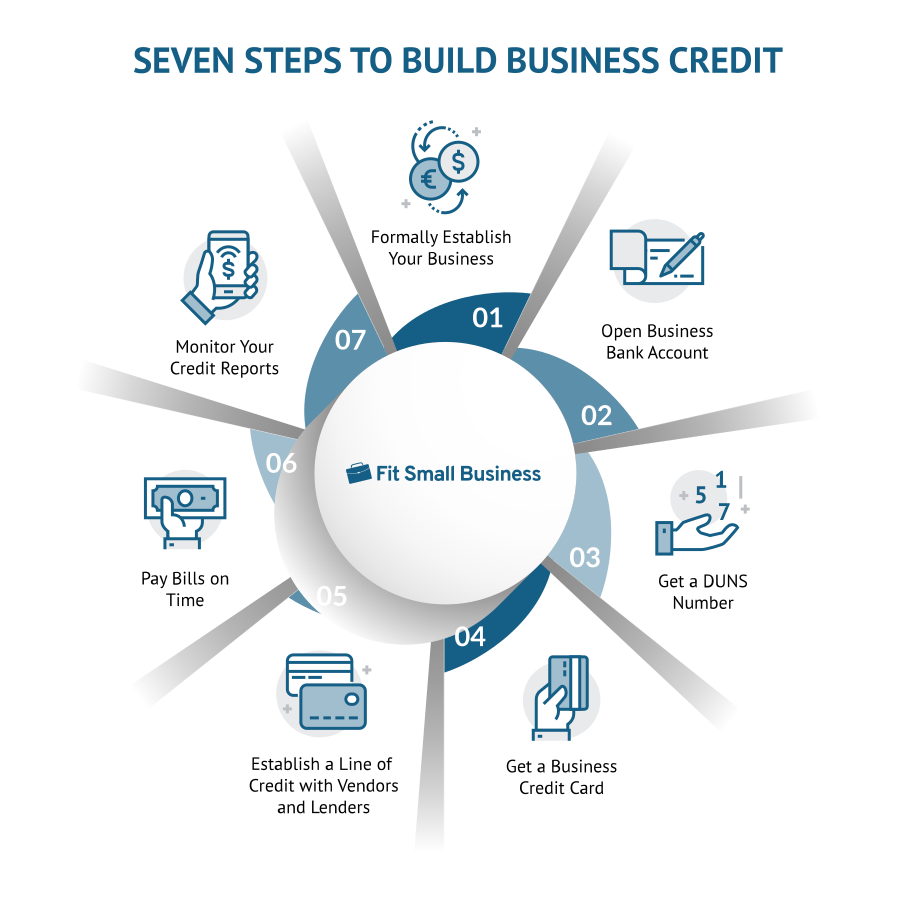
Before a business can apply for its first line of credit, it must establish “creditworthiness” in the eyes of lenders and credit bureaus. This process begins with corporate identity and the separation of the individual from the entity.
Separating Personal and Business Finances
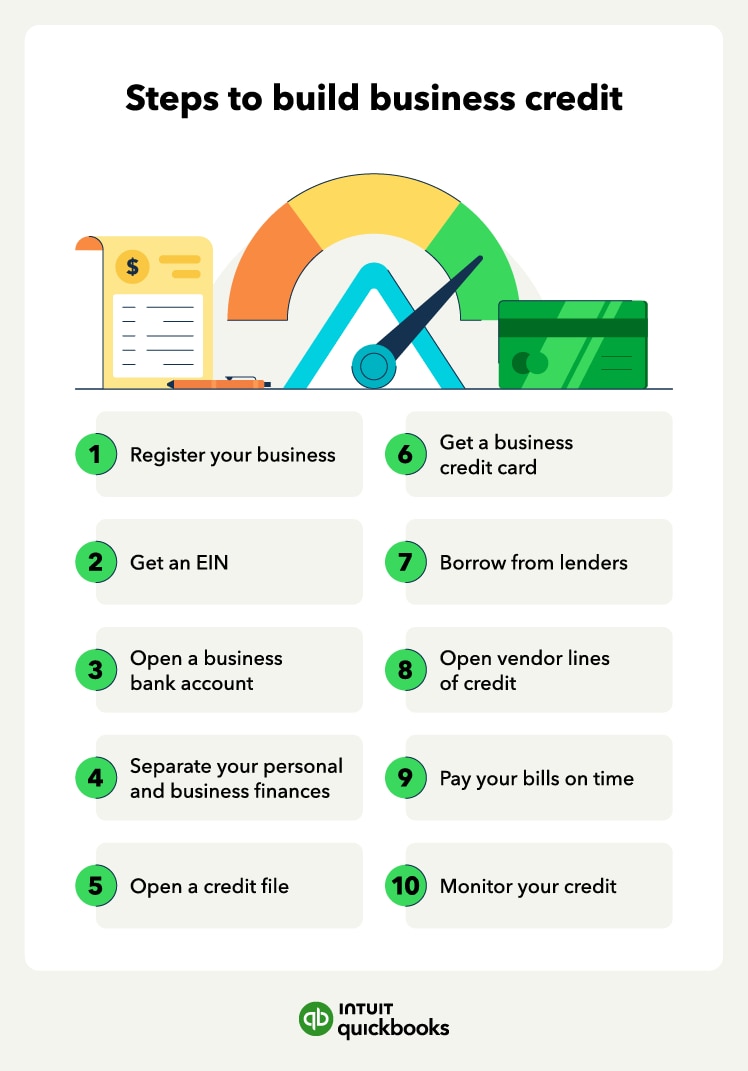
The most common mistake small business owners make is commingling funds. To lenders, a business that uses a personal bank account is viewed as a hobby or a sole proprietorship, regardless of its revenue. To obtain business credit, you must first open a dedicated business checking account. This account serves as the primary reference point for lenders to verify your cash flow and financial management habits. Ensure that all business expenses, from payroll to office supplies, are paid exclusively through this account.
Establishing Your Business Legal Entity
Lenders require a clear legal structure to extend credit. Operating as a Sole Proprietorship often ties the credit profile directly to the owner’s Social Security Number (SSN). To build independent business credit, you should incorporate as an LLC, S-Corp, or C-Corp. Once incorporated, you must apply for a Federal Employer Identification Number (EIN) from the IRS. The EIN functions as the “Social Security Number” for your business and is essential for filing taxes and applying for credit.
Securing a Professional Business Identity
Underwriting algorithms look for indicators of stability. A business that uses a personal cell phone number or a home address may be flagged as high-risk. To enhance your credit-readiness, obtain a dedicated business phone line and list it in the 411 directory. Additionally, having a physical business address (rather than a P.O. Box) and a professional email address hosted on a company domain—rather than a generic provider—signals to creditors that the business is a legitimate, permanent operation.
Strategic Steps to Building a Credit Profile
Once the foundation is set, the next phase involves actively generating credit data. Unlike personal credit, which is largely driven by consumer behavior, business credit is built through commercial relationships and trade lines.
Establishing Vendor Accounts and Net-30 Terms
The fastest way to start a credit file is through “starter vendors.” These are companies that sell essential supplies—such as packaging, office stationery, or cleaning supplies—and offer short-term financing known as Net-30 terms. This means you have 30 days to pay the invoice after receiving the goods. The key is to select vendors that report these payments to major business credit bureaus like Dun & Bradstreet, Experian Business, and Equifax Small Business. Companies such as Uline, Grainger, and Quill are well-known entry points for building initial trade references.
Obtaining a D-U-N-S Number
Dun & Bradstreet (D&B) is perhaps the most influential business credit bureau. To have a credit file with them, you must obtain a Data Universal Numbering System (D-U-N-S) number. This is a unique nine-digit identifier for your business. Once you have a D-U-N-S number and at least three trade references reporting to D&B, you will be assigned a PAYDEX score, which is the gold standard for many commercial lenders.
Leveraging Business Credit Cards
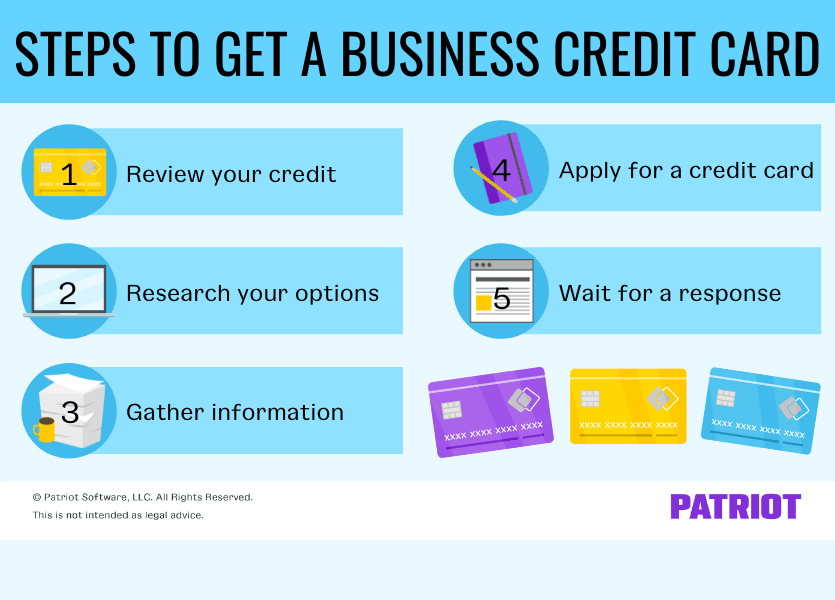
Once a basic profile is established through vendors, the next step is a business credit card. In the beginning, you may need to provide a “Personal Guarantee” (PG), meaning you are personally liable if the business fails to pay. However, as your business credit matures, you can transition to corporate cards that do not require a PG. Using these cards for recurring expenses and paying the balance in full each month demonstrates a high level of fiscal responsibility to the bureaus.
Navigating Business Credit Scoring Models
Understanding how your credit is measured is vital for maintaining a healthy profile. Unlike personal credit scores (FICO), which range from 300 to 850, business scores follow different logic and scales.
The Dun & Bradstreet PAYDEX Score
The PAYDEX score ranges from 1 to 100 and is almost entirely based on your payment history. A score of 80 is considered “good” and indicates that payments are made on time. To achieve a score above 80, a business must actually pay its bills earlier than the terms dictate. For example, paying a Net-30 invoice in 20 days can boost your score toward the 90-100 range, signaling to lenders that you are an exceptionally low-risk borrower.
Experian and Equifax Business Scores
Experian uses a model called Intelliscore Plus, which also ranges from 1 to 100 but considers more variables than the PAYDEX score. It analyzes the business’s credit utilization, the age of the business, and public records (such as liens or bankruptcies). Equifax, on the other hand, provides a Business Credit Risk Score and a Business Failure Score. They look closely at the size of the business and the total amount of credit currently in use across various financial institutions.
The FICO Small Business Scoring Service (SBSS)
The FICO SBSS is a hybrid score frequently used by the Small Business Administration (SBA) and major banks. It ranges from 0 to 300. This score is unique because it considers both the business’s credit history and the personal credit history of the owners. For many term loans, a minimum SBSS score (often around 140–160) is required to pass the initial screening process. This highlights why, even while building business credit, an entrepreneur must maintain a healthy personal credit score.
Advanced Strategies for Maximizing Credit Capacity
Obtaining credit is the first step; maximizing and protecting it is an ongoing process of financial management. As a business matures, the goal shifts from simply getting credit to obtaining large-scale financing at the lowest possible cost.
Maintaining Optimal Credit Utilization
Just as with personal finance, credit utilization—the ratio of credit used to credit available—is a major factor in business credit scores. High utilization suggests that a business is “credit hungry” or struggling with cash flow. Ideally, a business should keep its utilization below 30% across all revolving lines. If you find your utilization creeping higher due to growth needs, it is better to request a credit limit increase or open a new line of credit rather than maxing out existing ones.
Scaling to Unsecured Lines of Credit and Term Loans
With a strong PAYDEX score and several years of tax returns showing profitability, a business can move beyond credit cards into more significant financial instruments. Unsecured business lines of credit offer flexible access to cash for inventory or seasonal fluctuations without requiring collateral. Term loans, meanwhile, are ideal for large capital expenditures like machinery or real estate. The terms of these loans—interest rates and repayment periods—are directly correlated to the strength of the business credit profile you have built.
Continuous Monitoring and Dispute Resolution
Business credit reports are notorious for containing inaccuracies. Because there are fewer consumer protection laws governing business credit compared to personal credit (such as the Fair Credit Reporting Act), errors can persist for years if not addressed. It is essential to monitor your reports quarterly. If you find a late payment listed that was actually paid on time, or a legal filing that doesn’t belong to your company, you must file a formal dispute with the respective bureau. Keeping your report clean is just as important as building it.
Conclusion: Credit as a Tool for Sustainable Growth
Obtaining business credit is a marathon, not a sprint. It requires a disciplined approach to administrative setup, a strategic selection of vendors, and a deep understanding of financial metrics. However, the rewards are substantial. A business with its own robust credit profile is more than just a company; it is a valuable asset with its own financial identity.
By following this roadmap—separating finances, building trade lines, understanding scores, and managing utilization—entrepreneurs can unlock the capital necessary to scale their operations. In the end, business credit is one of the most powerful tools in a CEO’s arsenal, providing the flexibility to weather economic downturns and the fuel to seize market opportunities the moment they arise.
aViewFromTheCave is a participant in the Amazon Services LLC Associates Program, an affiliate advertising program designed to provide a means for sites to earn advertising fees by advertising and linking to Amazon.com. Amazon, the Amazon logo, AmazonSupply, and the AmazonSupply logo are trademarks of Amazon.com, Inc. or its affiliates. As an Amazon Associate we earn affiliate commissions from qualifying purchases.