
For any entrepreneur, the distinction between personal finances and business operations is the cornerstone of sustainable growth. While many founders start by bootstrapping or using personal credit cards, there comes a critical juncture where the business must stand on its own financial feet. Developing business credit is not merely a bureaucratic task; it is a strategic maneuver that unlocks lower interest rates, higher borrowing limits, and a professional reputation that attracts premium vendors and partners.
Unlike personal credit, which is tied to your Social Security Number (SSN) and consumer behavior, business credit is linked to your Employer Identification Number (EIN). It tracks how your company handles its obligations. Establishing this profile requires a deliberate, step-by-step approach to ensure that your enterprise is viewed as a low-risk, high-reliability entity by lenders and credit bureaus.
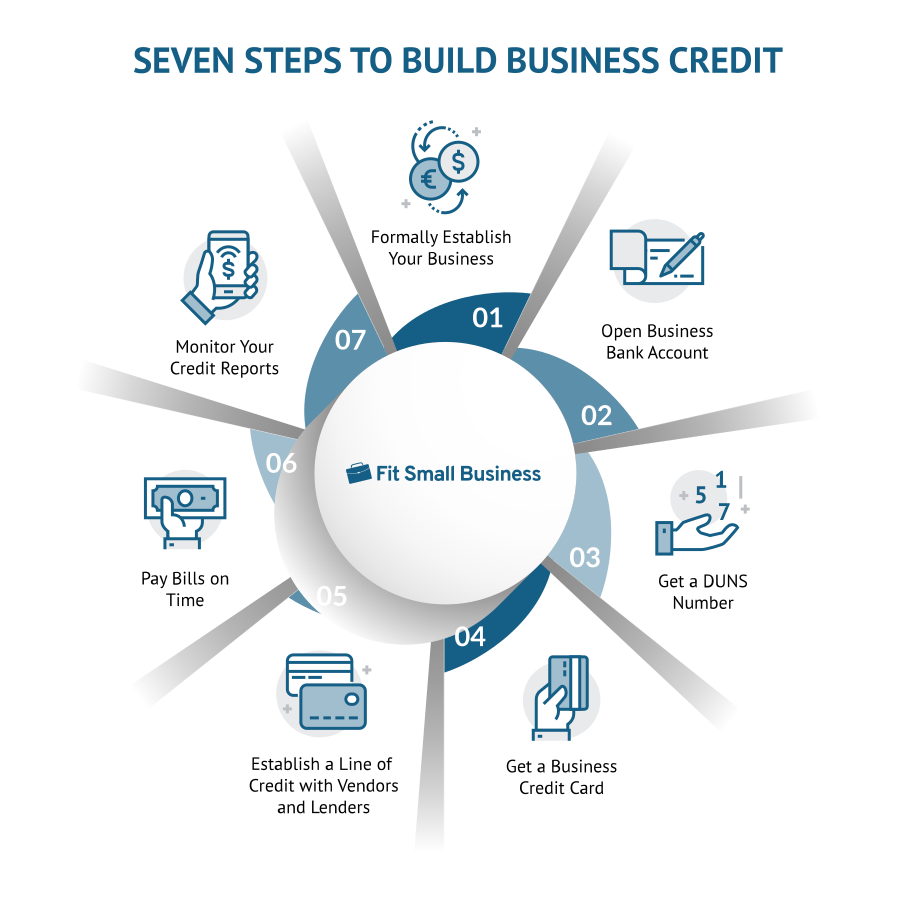
1. Laying the Foundation: Establishing Business Legitimacy
Before a business can even apply for credit, it must exist as a legal and verifiable entity. Lenders use automated systems to cross-reference data points; if your business looks like a hobby or a disorganized side hustle, credit applications will be rejected regardless of your revenue.
Formalizing the Legal Structure
The first step in building business credit is moving away from a sole proprietorship. To the financial world, a sole proprietorship is indistinguishable from the individual. By incorporating as an LLC, a C-Corp, or an S-Corp, you create a “corporate veil” that separates your personal assets from your business liabilities. This legal separation is the prerequisite for an EIN, which acts as the “Social Security Number” for your business credit profile.
Business Contact Information and Identity
Lenders look for “permanence.” This means having a dedicated business address (not a P.O. Box), a business phone number listed in the 411 directory, and a professional digital presence. While these may seem like branding concerns, they are actually financial verification tools. Using a personal Gmail account or a home phone number on a credit application can trigger fraud alerts or result in a “high-risk” classification.
Opening a Dedicated Business Bank Account
Your business bank account is the central hub for all financial activity. It is also the primary way lenders verify your cash flow. Most lenders require at least two years of bank history to qualify for significant lines of credit. The date you open your business checking account is often viewed by banks as the “true” start date of your business, regardless of when you filed your articles of incorporation.
2. Navigating the Credit Bureau Landscape
Once the business is legally established, you must ensure that your financial activity is being recorded. In the personal world, most lenders automatically report to the big three bureaus. In the business world, reporting is voluntary, and many vendors do not report unless specifically asked.
Securing a DUNS Number from Dun & Bradstreet
Dun & Bradstreet (D&B) is the most influential credit bureau for businesses. To begin building a profile with them, you must obtain a Data Universal Numbering System (DUNS) number. This is a unique nine-digit identifier used by lenders and even the federal government to check your business’s creditworthiness. Without a DUNS number, your on-time payments to many vendors may never be officially tracked.
Understanding the Major Business Bureaus
While D&B is the leader, Equifax Business and Experian Business also play vital roles. Each bureau uses different scoring models. For example, D&B uses the PAYDEX score, which ranges from 1 to 100 and focuses almost exclusively on payment history. Experian uses Intelliscore Plus, which incorporates more complex variables like public records and industry risk. Monitoring all three ensures there are no inaccuracies that could bottleneck your funding.
The Role of Trade References
In the early stages, you may not have traditional bank loans to report. This is where trade references come in. These are businesses that extend you “net terms” (e.g., Net-30 or Net-60) for supplies or services. Not all vendors report to the bureaus automatically. When selecting suppliers for office furniture, shipping materials, or inventory, specifically ask if they report to D&B or Experian. These small, consistent entries are the building blocks of a high credit score.
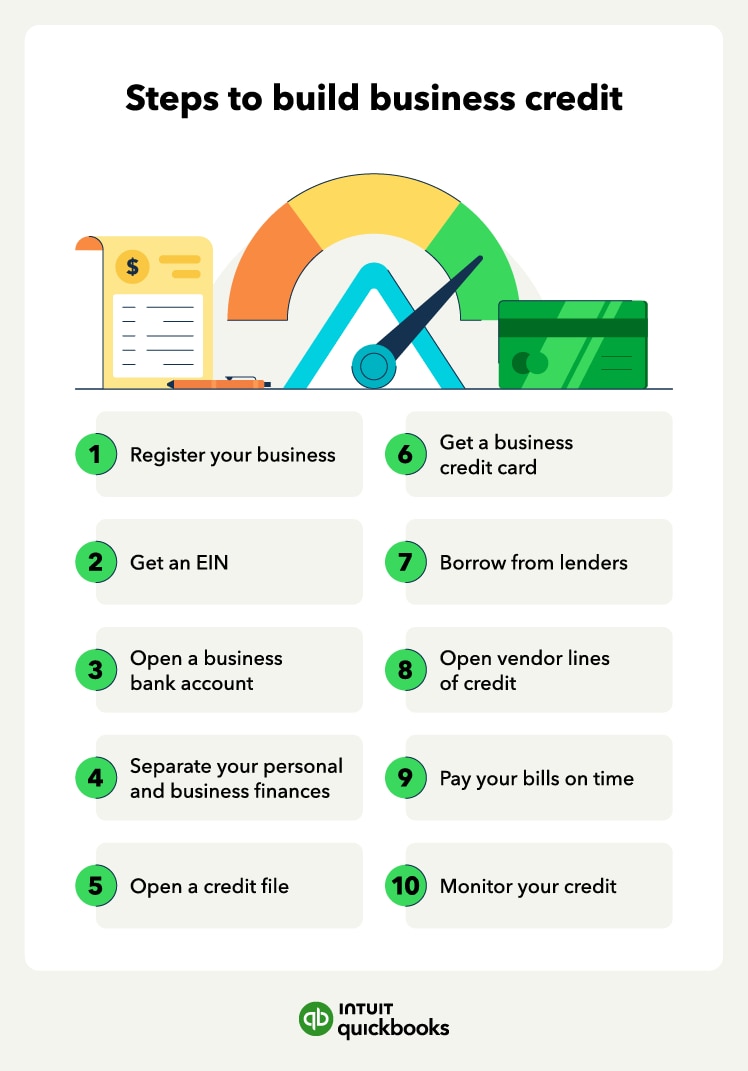
3. Tiered Credit Building: From Net-30s to Revolving Lines
Building business credit is a ladder. You cannot jump straight to a $100,000 unsecured line of credit without demonstrating an ability to handle smaller, more restricted forms of debt.
Tier 1: Vendor Credit (Net-30 Accounts)
Tier 1 involves “starter” vendors that are known for working with new businesses. Companies like Uline, Quill, and Grainger offer Net-30 terms, meaning you have 30 days to pay the invoice in full after receiving the product. By ordering small amounts of supplies and paying the invoices 10 to 15 days early, you can quickly generate a positive PAYDEX score. Early payment is a significant “hack” in business credit; while personal credit rewards you for paying on time, business credit scores often increase more rapidly when you pay ahead of schedule.
Tier 2: Store Credit and Fleet Cards
Once you have three to five reporting trade lines from Tier 1, you can move to Tier 2. This includes retail credit cards (like Home Depot, Staples, or Amazon Business) and fleet cards for fuel and vehicle maintenance. These accounts usually offer higher limits and provide more flexibility. At this stage, you are still likely “unrated” or carry a “thin file,” but your consistent history with Net-30 vendors provides the necessary proof of character.
Tier 3: Unsecured Business Credit Cards and Bank Loans
Tier 3 is the goal for most small businesses. This includes major revolving credit cards (Visa, Mastercard, Amex) that are not tied to a specific store. To reach this level without a personal guarantee, your business typically needs to show significant revenue and a strong history of managing Tier 1 and Tier 2 accounts. These cards offer the greatest utility, providing cash back, travel rewards, and the ability to bridge gaps in seasonal cash flow.
4. Advanced Maintenance and Risk Management
Developing credit is a marathon, not a sprint. Once you have established a strong score, the focus shifts to maintaining that score and optimizing your “credit mix” to ensure you are ready for large-scale capital expenditures or economic downturns.
Managing Debt-to-Income and Utilization
While business credit is more forgiving regarding high utilization than personal credit, it is still a factor. If your business is constantly maxing out its available lines, lenders may perceive a “cash crunch,” indicating that the business is struggling to stay afloat rather than using credit for growth. Maintaining a utilization rate below 30% across all lines is a standard best practice for keeping your scores in the elite bracket.
The Nuance of Personal Guarantees
In the early years of a business, almost every lender will require a Personal Guarantee (PG). This means that if the business fails to pay, the lender can come after your personal assets. As your business credit matures and your revenue increases, you can begin to request the removal of the PG. Transitioning to “non-recourse” debt is a major milestone in business finance, as it fully insulates your personal life from the risks of the enterprise.
Regular Auditing and Dispute Resolution
Business credit reports are notoriously prone to errors. Because data is fed from many different sources, it is common for payments to be misattributed or for outdated “liens” to remain on the record. It is essential to audit your reports quarterly. If you find a late payment listed that was actually paid on time, you must initiate a formal dispute with the bureau. A single uncorrected error can drop a PAYDEX score from 80 (excellent) to 50 (fair), potentially costing you thousands in higher interest rates on future loans.
Conclusion: The Long-Term Value of Financial Autonomy
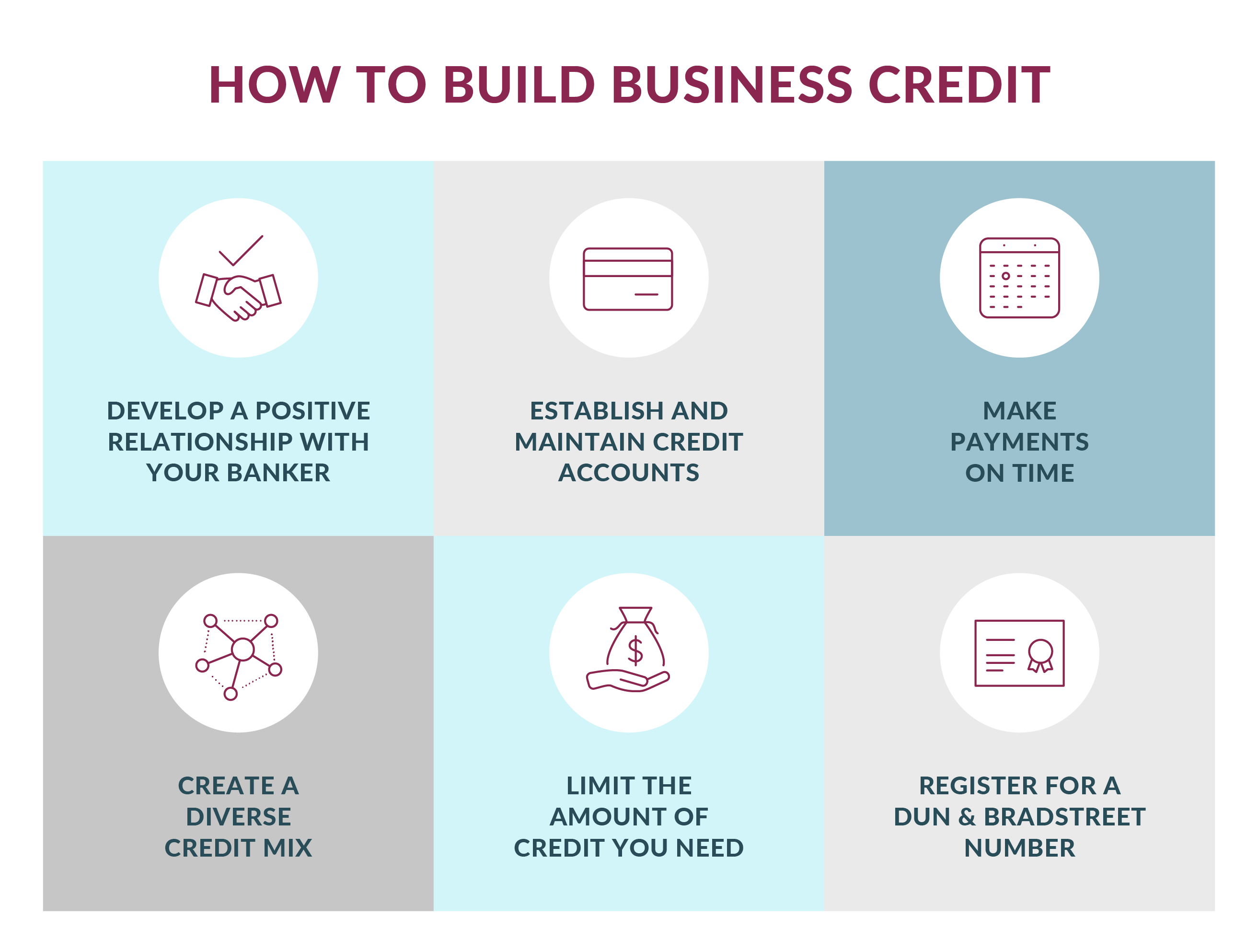
Developing business credit is one of the most transformative investments an entrepreneur can make in their company’s future. It provides a safety net for lean times and a springboard for expansion during periods of opportunity. By meticulously separating your personal and professional identities, strategically selecting vendors who report your progress, and climbing the credit tiers with discipline, you build more than just a score—you build a financial reputation.
In the modern economy, credit is more than just borrowed money; it is a tool for leverage. A business with a robust credit profile can negotiate better terms with suppliers, secure lower insurance premiums, and access the capital necessary to outpace competitors. The process requires patience and attention to detail, but the result is a resilient, autonomous entity capable of sustained financial success.
aViewFromTheCave is a participant in the Amazon Services LLC Associates Program, an affiliate advertising program designed to provide a means for sites to earn advertising fees by advertising and linking to Amazon.com. Amazon, the Amazon logo, AmazonSupply, and the AmazonSupply logo are trademarks of Amazon.com, Inc. or its affiliates. As an Amazon Associate we earn affiliate commissions from qualifying purchases.