
Starting a small company is often romanticized as a journey of passion and creativity, but at its core, entrepreneurship is a sophisticated financial exercise. Every successful enterprise, from the local consultancy to the high-growth startup, survives and thrives based on its relationship with capital. Launching a business requires more than just a good idea; it requires a disciplined approach to business finance, a deep understanding of revenue modeling, and a strategic plan for capital allocation.
To transition from a concept to a sustainable commercial entity, you must view your company through the lens of a Chief Financial Officer. This guide outlines the essential financial pillars necessary to start a small company that is not only operational but built for enduring profitability.
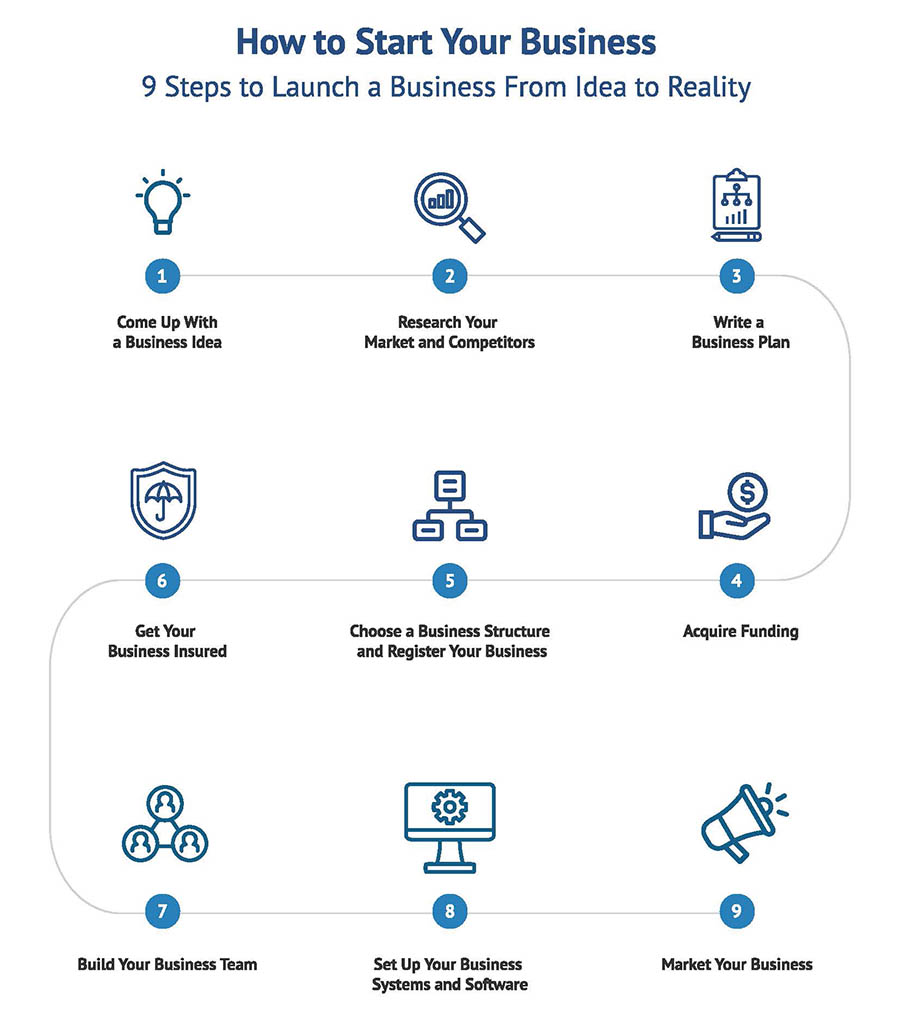
Capital Acquisition: Securing the Initial Investment
The first hurdle for any aspiring entrepreneur is the “capital gap”—the distance between your current resources and the amount required to reach a point of self-sustainability. Identifying the right source of funding is a critical strategic decision that influences your control over the company and its future financial obligations.
Bootstrapping vs. External Funding
Bootstrapping—funding your business through personal savings and early sales—is the most common way to start a small company. Its primary advantage is the preservation of equity. When you bootstrap, you retain 100% ownership and 100% of the future profits. However, this path limits your speed of growth to the pace of your cash flow.
In contrast, seeking external funding through equity financing involves selling a portion of your business to investors. This provides a significant cash infusion that can accelerate market entry, but it introduces fiduciary responsibilities to third parties. For a small company, the choice between these two often depends on the “burn rate”—the speed at which you consume capital before becoming profitable.
Navigating Small Business Loans and Grants
For those who wish to retain ownership but lack personal capital, debt financing is a viable alternative. Small Business Administration (SBA) loans and traditional bank loans offer capital at set interest rates. While this requires a high credit score and often collateral, the interest on these loans is typically tax-deductible, making it a cost-effective way to leverage your business.
Additionally, many entrepreneurs overlook the “free money” available through federal, state, and private grants. Unlike loans, grants do not require repayment or equity. While the application process is rigorous, securing a grant can provide the “non-dilutive” capital necessary to fund research, development, or initial inventory.
The Role of Venture Capital and Angel Investors
While often associated with tech giants, angel investors frequently back small companies with high growth potential. Angel investors are typically high-net-worth individuals who provide smaller amounts of capital ($25,000 to $100,000) in exchange for convertible debt or ownership equity. Venture Capital (VC) is usually reserved for companies that have already demonstrated a scalable model and require millions to capture a market. Understanding these tiers of investment is vital so you don’t waste time pitching the wrong financial partners for your specific stage of growth.
Structuring Your Business for Financial Efficiency
Once the capital is secured, the legal and operational structure you choose will dictate your tax liabilities and your ability to protect personal assets. Financial efficiency starts with the foundation of the business entity.
Tax Implications of Business Entities
In the United States, the choice between a Sole Proprietorship, an LLC, an S-Corp, or a C-Corp is primarily a financial decision. A Sole Proprietorship is the simplest to set up, but it offers no separation between personal and business finances, creating significant liability.
An LLC (Limited Liability Company) is often the gold standard for small companies because it offers “pass-through” taxation, where profits are taxed only once on the owner’s personal return, while still providing a shield for personal assets. For companies that expect to reach high levels of profitability quickly, electing S-Corp status can reduce self-employment taxes by allowing owners to split income between a “reasonable salary” and shareholder distributions.
Setting Up Lean Operations to Protect Margins
Financial discipline is most important during the first 18 months. Adopting a “Lean Startup” methodology involves minimizing waste in every area of the business. This means prioritizing “Variable Costs” (costs that change with production, like raw materials) over “Fixed Costs” (costs that stay the same regardless of sales, like a five-year office lease).
In the digital age, many small companies can start as “asset-light” entities, utilizing remote work to eliminate rent and using cloud-based software subscriptions instead of purchasing expensive permanent licenses. Every dollar saved in overhead is a dollar that contributes directly to your net profit margin.
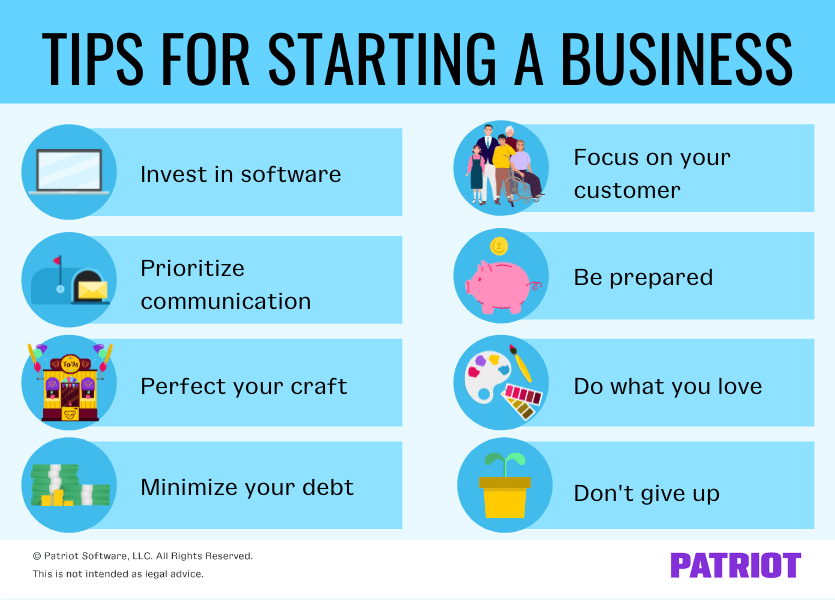
Managing Initial Overhead and Fixed Costs
One of the most common financial mistakes in starting a company is overestimating the need for “prestige” expenses. High-end office furniture, expensive branding agencies, and bloated payrolls can deplete your capital before you’ve even validated your product in the market. A financially savvy founder distinguishes between “Investment Spending” (money spent to generate more money) and “Consumption Spending” (money spent on aesthetics or convenience). Your focus should remain strictly on expenditures that have a direct, measurable Return on Investment (ROI).
Mastering Cash Flow and Revenue Models
Profit is a theoretical accounting concept; cash is a cold, hard reality. Many profitable companies go bankrupt because they run out of cash. Understanding the flow of money in and out of your business is the most critical skill for a new founder.
Establishing Sustainable Pricing Strategies
Your revenue model determines how you capture value from the market. Pricing shouldn’t just be based on what competitors charge; it must be based on your “Unit Economics.” This includes calculating the Cost of Goods Sold (COGS) and ensuring your gross margin is high enough to cover operating expenses and provide a profit.
Consider different models: Recurring revenue (subscriptions) provides the most financial stability and high valuation multiples, while one-time sales require constant marketing spend to maintain volume. A sustainable price point must account for the lifetime value of a customer versus the cost to acquire them.
Cash Flow Forecasting and Working Capital
Cash flow forecasting is the practice of looking ahead 3, 6, and 12 months to predict when money will hit your bank account. For many small companies, there is a “gap” between paying suppliers and receiving payment from customers (the Cash Conversion Cycle).
If you sell $100,000 worth of services today but aren’t paid for 60 days, you still need enough “working capital” to pay your employees and rent in the meantime. Managing this timing is the difference between a thriving business and a shuttered one. Utilizing financial tools like automated invoicing and offering “early payment discounts” to clients can help accelerate your cash inflows.
Building an Emergency Fund for Business Resilience
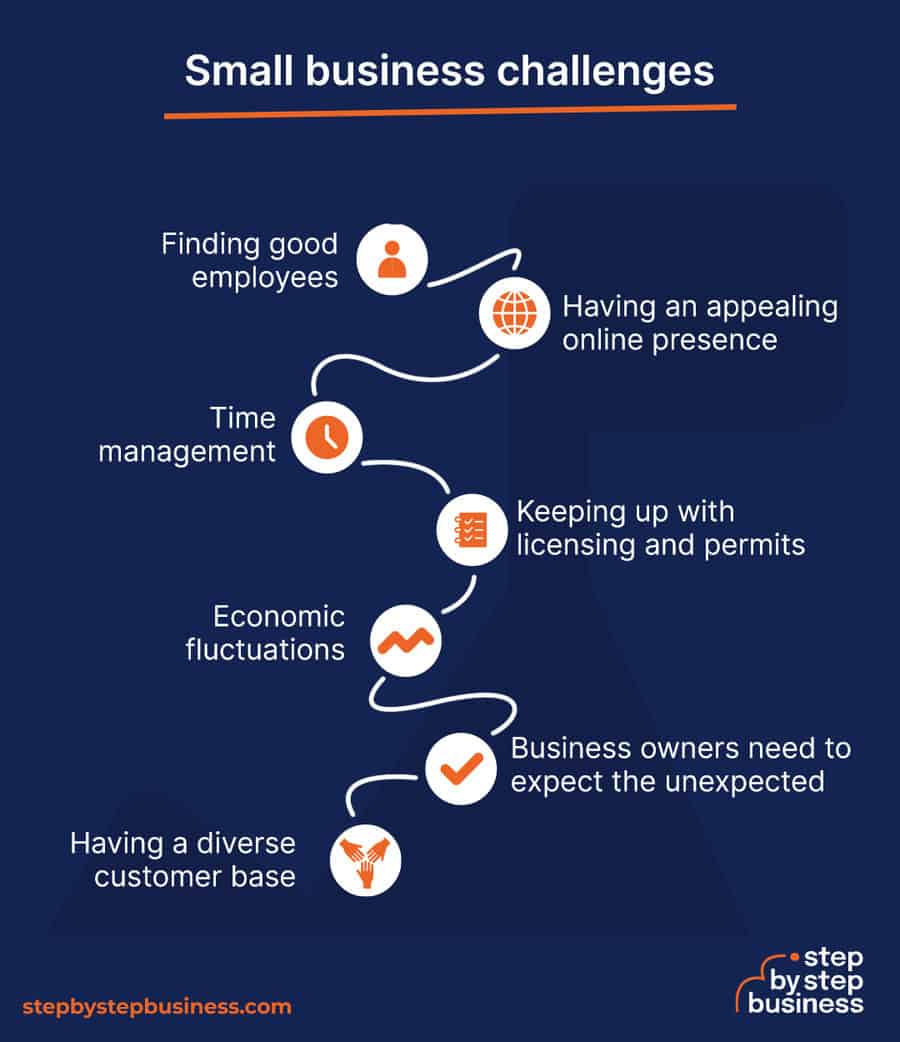
Just as individuals need an emergency fund, a small company needs a “liquidity cushion.” Economic downturns, supply chain disruptions, or the loss of a major client can happen at any time. Financial experts generally recommend maintaining a cash reserve equal to 3 to 6 months of operating expenses. This fund acts as insurance, allowing you to pivot or weather a storm without having to take on high-interest emergency debt or close your doors.
Scaling for Profitability: Financial Growth Tactics
If your small company is successful, you will eventually reach a point where you need to scale. Scaling is not just about growing larger; it’s about growing more profitable.
Reinvesting Profits vs. Taking a Salary
In the early stages, the “Owner’s Draw” should be kept to a minimum. Every dollar you take out of the company for personal use is a dollar that cannot be used to hire a new salesperson, buy better equipment, or increase your marketing budget.
Successful founders often practice “delayed gratification,” reinvesting the majority of net profits back into the business’s growth engine. This “compounding” effect is what allows a small company to eventually dominate its niche. However, for tax and legal reasons, ensure you are paying yourself enough to satisfy IRS requirements for “reasonable compensation.”
Unit Economics and Customer Acquisition Cost (CAC)
To scale effectively, you must understand your Customer Acquisition Cost (CAC). This is the total spend on marketing and sales divided by the number of new customers acquired. If your CAC is $50, but the profit from that customer over their lifetime (LTV) is only $40, your business is fundamentally broken.
A healthy, scalable company usually aims for an LTV:CAC ratio of 3:1 or higher. Monitoring these metrics allows you to identify which “money levers” to pull. If you find a marketing channel where you can spend $1 to make $5, you have found a recipe for rapid, financially sound expansion.
Long-term Wealth Creation and Exit Planning
Finally, starting a small company should be viewed as an investment in an asset. Whether you plan to run the company for decades or sell it in five years, you must build it with an “exit” in mind. This means keeping meticulous financial records (clean books), diversifying your revenue streams so you aren’t reliant on one client, and building systems that allow the business to run without your daily involvement.
A company that is financially transparent and independently operational is worth a much higher “multiple” in the eyes of a potential buyer. By treating your business as a financial product from day one, you ensure that the sweat equity you invest today translates into significant personal wealth tomorrow.
aViewFromTheCave is a participant in the Amazon Services LLC Associates Program, an affiliate advertising program designed to provide a means for sites to earn advertising fees by advertising and linking to Amazon.com. Amazon, the Amazon logo, AmazonSupply, and the AmazonSupply logo are trademarks of Amazon.com, Inc. or its affiliates. As an Amazon Associate we earn affiliate commissions from qualifying purchases.