
The dream of financial independence has undergone a radical transformation in the last decade. No longer is a lucrative business synonymous with a high-rise office or a massive brick-and-mortar footprint. Today, the most agile and profitable ventures are being built from kitchen tables, spare bedrooms, and home offices. However, transitioning from a home-based idea to a sustainable financial engine requires more than just passion; it requires a rigorous focus on fiscal strategy, market viability, and scalable income models.
Creating a business from home is fundamentally an exercise in financial engineering. By stripping away the traditional overhead costs of commercial real estate and large-scale utility bills, the home-based entrepreneur starts with a significant competitive advantage: a leaner cost structure. This guide explores the “Money” niche of home-based business creation, focusing on how to build a venture that prioritizes cash flow, maximizes return on investment (ROI), and ensures long-term wealth accumulation.
Establishing the Financial Foundations of Your Home Venture
Before a single product is sold or a service is rendered, a business exists as a financial plan. The primary reason home-based businesses fail is not a lack of effort, but a lack of fiscal foresight. To build a business that lasts, you must treat your home-based setup with the same financial rigor as a Fortune 500 company.
Assessing Initial Capital and the Art of Bootstrapping
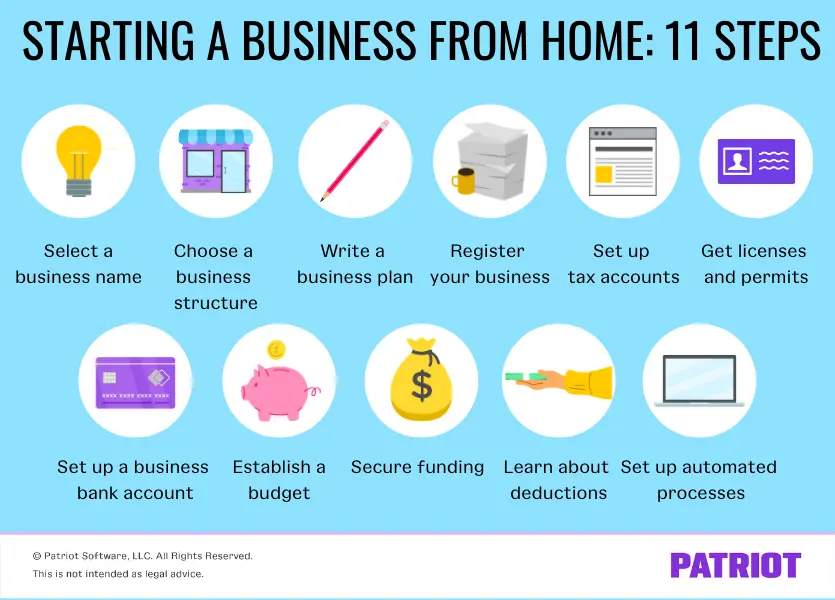
One of the greatest benefits of a home-based business is the ability to “bootstrap”—funding your growth through personal savings and early revenue rather than taking on debt. Begin by conducting a thorough audit of your startup costs. This includes hardware, software subscriptions, initial inventory, and legal formation fees (such as LLC registration).
The goal is to reach the “break-even point” as quickly as possible. By minimizing upfront capital expenditure, you reduce the financial risk. Professional home-based entrepreneurs focus on “lean” startups, where every dollar spent must be directly linked to potential revenue generation. If an expense doesn’t help you acquire a customer or fulfill an order, it is likely a luxury you cannot yet afford.
Creating a Segregated Financial Ecosystem
A common pitfall for those working from home is the blurring of personal and business finances. To maintain professional integrity and ensure tax compliance, you must establish a dedicated business bank account and a separate credit line. This “financial firewall” allows you to track your Net Profit Margin accurately.
Furthermore, implementing an accounting system from day one—whether through professional software or a detailed ledger—is non-negotiable. Tracking every expense, from a portion of your internet bill to the postage for shipping, ensures that you are maximizing tax deductions. In the eyes of the law and your bank, a business is only a business if its finances are distinct and documented.
Identifying High-Margin Business Models for the Home Office
Not all businesses are created equal when it comes to profitability. When operating from home, your most valuable asset is your time. Therefore, the most successful home businesses are those that offer high margins—where the difference between the cost of delivery and the sale price is significant.
The Digital Service Model: Selling Expertise
The most direct path to a high-ROI home business is through professional services. Consulting, copywriting, digital marketing, and financial planning require almost zero inventory and very low overhead. In this model, your profit margin can often exceed 80% or 90%.
The key to financial success in services is “productization.” Instead of billing by the hour—which caps your income based on the hours you can work—create packages with fixed prices based on the value delivered. This allows you to increase your “effective hourly rate” as you become more efficient, directly boosting your bottom line without increasing your workload.
E-commerce and the Logistics of Profitability
For those interested in physical products, the home-based model has been revolutionized by dropshipping and Third-Party Logistics (3PL). These models allow you to sell goods without ever touching the inventory, eliminating the need for warehouse space in your garage.
However, e-commerce requires a deep dive into “Cost of Goods Sold” (COGS). To be profitable, you must account for manufacturing costs, shipping fees, platform fees (like Shopify or Amazon), and customer acquisition costs (CAC). A successful home-based e-commerce entrepreneur doesn’t just look at total sales; they obsess over the “Contribution Margin”—the money left over after all variable costs are paid. If your CAC is higher than your profit per unit, your business is a liability, not an asset.

Maximizing Profitability Through Lean Operations and Tax Strategy
The profitability of a home-based business is often found in the margins of what you don’t spend. Operating from home offers unique fiscal advantages that, if leveraged correctly, can significantly lower your effective tax rate and increase your take-home pay.
Leveraging Home Office Tax Deductions
In many jurisdictions, the “Home Office Deduction” is a powerful tool for wealth preservation. If a portion of your home is used exclusively for business, you may be able to deduct a percentage of your rent or mortgage interest, property taxes, utilities, and home maintenance.
This effectively turns a personal living expense into a business tax shield. However, this must be handled with precision. Keeping detailed records of your square footage and utility usage is essential. By lowering your taxable income through legitimate business expenses, you retain more capital to reinvest into growth-driving activities.
Managing Cash Flow and Working Capital
Cash flow is the lifeblood of any business. A business can be profitable on paper but still fail if it runs out of cash. For the home-based entrepreneur, managing the “Cash Conversion Cycle”—the time it takes for an investment in marketing or inventory to return as cash from a sale—is critical.
To maintain a healthy cash flow, consider implementing a “Profit First” accounting mentality. This involves setting aside a percentage of every payment received for profit, taxes, and owner’s pay before addressing operating expenses. This creates a disciplined environment where the business must live within its means, ensuring that you are actually generating personal wealth rather than just “moving money around.”
Scaling and Diversifying for Long-Term Wealth
The ultimate goal of creating a business from home is often to move from a “side hustle” to a primary income source that builds long-term equity. Scaling a home business requires a shift from doing the work to managing the systems that do the work.
Reinvesting Profits for Compound Growth
Once your home business is consistently profitable, the most important financial decision you will make is how to allocate those profits. Rather than increasing your personal lifestyle spending, “compounding” your success involves reinvesting in assets that drive further revenue. This might mean hiring a virtual assistant to handle administrative tasks, investing in automated marketing funnels, or upgrading to better software that saves you ten hours a week.
The financial objective is to move from “Active Income” (money earned through direct labor) to “Leveraged Income” (money earned through systems or the labor of others). By reinvesting profits into automation, you increase the business’s capacity to generate revenue without a linear increase in your time commitment.
Transitioning Toward Semi-Passive Income Streams
A truly mature home-based business doesn’t just rely on one stream of income. Diversification is the key to financial resilience. If you run a service-based consulting business, you can diversify by creating a digital course or a paid membership community. This allows you to sell “infinite versions” of your expertise without additional labor.
From a financial perspective, these digital assets are the “holy grail” of home-based business. They have near-zero marginal cost of reproduction, meaning once the asset is created, every subsequent sale is almost pure profit. By layering passive income streams on top of your core business operations, you create a robust financial structure that can withstand market fluctuations and provide long-term security.
Conclusion: The Path to Financial Freedom
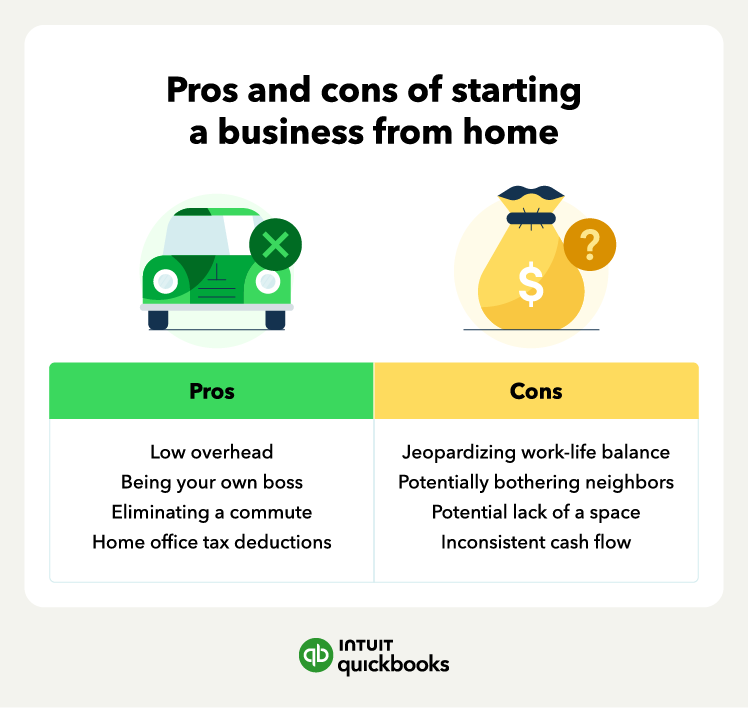
Building a business from home is a strategic financial play. It is about more than just convenience; it is about utilizing a low-overhead environment to build a high-profit engine. By focusing on lean startup principles, high-margin models, and aggressive tax and cash flow management, the home-based entrepreneur can achieve a level of financial agility that traditional businesses cannot match.
Success in this arena requires a professional mindset. You must view every dollar as a seed that has the potential to grow your enterprise. Whether you are selling your expertise or scaling an e-commerce brand, the principles of fiscal discipline and strategic reinvestment remain the same. In the modern economy, the smallest office in the house can become the headquarters of a significant financial empire, provided you keep your eyes on the numbers and your focus on the bottom line.
aViewFromTheCave is a participant in the Amazon Services LLC Associates Program, an affiliate advertising program designed to provide a means for sites to earn advertising fees by advertising and linking to Amazon.com. Amazon, the Amazon logo, AmazonSupply, and the AmazonSupply logo are trademarks of Amazon.com, Inc. or its affiliates. As an Amazon Associate we earn affiliate commissions from qualifying purchases.