
In the early days of the internet, setting up an online business required a labyrinthine journey through legacy banking systems, complex regulatory hurdles, and fragmented technical integrations. Today, a founder can start accepting payments from halfway across the globe in a matter of minutes. At the center of this transformation is Stripe.
While many perceive Stripe simply as the “buy button” on a website, its actual role is far more expansive. It serves as a sophisticated financial infrastructure company that builds the economic piping for the internet. By abstracting the complexities of the global financial system, Stripe enables businesses of all sizes—from garage startups to Fortune 500 giants like Amazon and Shopify—to manage the entire lifecycle of their money. To understand what Stripe does is to understand how modern commerce functions in a digital-first world.
The Core of Online Commerce: Seamless Payment Processing
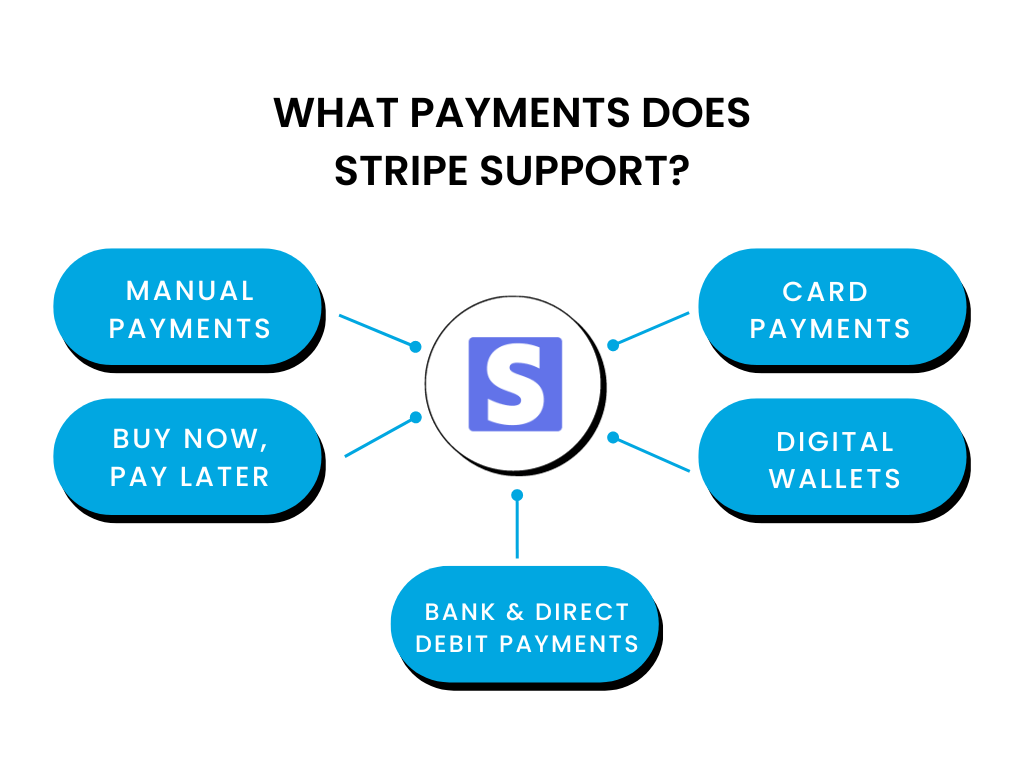
At its most fundamental level, Stripe is a payment service provider (PSP). It facilitates the transfer of funds from a customer’s bank account to a merchant’s account. However, what sets Stripe apart in the “Money” niche is the sheer efficiency and scope with which it handles these transactions.
Streamlining the Checkout Experience
The friction between a customer wanting to buy and the actual completion of a transaction is where most online revenue is lost. Stripe provides highly optimized checkout interfaces that are designed to maximize conversion rates. By utilizing pre-filled card information, one-click payments (via Link), and mobile wallet integrations like Apple Pay and Google Pay, Stripe ensures that the flow of money is as frictionless as possible. For a business, this translates directly into higher top-line revenue and lower cart abandonment.
Global Reach through Localized Payments
Expanding a business internationally used to mean opening local bank accounts and navigating dozens of regional payment networks. Stripe eliminates these barriers. It supports over 135 currencies and dozens of local payment methods—such as iDEAL in the Netherlands, Alipay in China, or Afterpay for “Buy Now, Pay Later” (BNPL) schemes. By automatically presenting the most relevant payment options to a user based on their geography, Stripe helps businesses tap into global markets without the traditional overhead of international financial expansion.
Beyond the Buy Button: Revenue and Operations Management
As a business grows, its financial needs evolve from simple one-off transactions to complex recurring revenue models. Stripe has expanded its suite of tools to manage the sophisticated logic required to sustain and scale modern business models.
Automated Billing and Subscription Logic
The rise of the “Subscription Economy” has created a demand for flexible billing engines. Stripe Billing allows companies to manage recurring revenue, offering everything from basic monthly plans to complex usage-based pricing. It handles the financial “edge cases” that often break manual systems: prorating upgrades mid-month, managing failed payments through automated “dunning” emails, and handling renewals across different time zones. For CFOs, this automation ensures predictable cash flow and reduces the administrative burden on finance teams.
Invoicing and Tax Compliance
Managing the tax implications of global sales is a monumental task. Every country (and in the U.S., every state) has different sales tax nexus rules. Stripe Tax automates this process by calculating, collecting, and reporting sales tax, VAT, and GST. Furthermore, Stripe Invoicing provides a professional, automated way for B2B companies to collect large payments via ACH or wire transfers. By integrating tax and invoicing into the payment flow, Stripe ensures that a company’s financial records remain clean and compliant with international standards.
Financial Infrastructure for Modern Platforms and Marketplaces
One of Stripe’s most significant contributions to the digital economy is its ability to power multi-sided marketplaces. If you have ever been paid as a driver for a delivery app or as a seller on an e-commerce platform, you have likely interacted with Stripe’s infrastructure.

Stripe Connect: Orchestrating Multi-Party Payouts
Marketplaces like Lyft, DoorDash, and Etsy face a unique financial challenge: they must collect money from a buyer, take a commission, and then distribute the remainder to a third-party seller. This process involves complex “know your customer” (KYC) regulations and anti-money laundering (AML) checks. Stripe Connect handles this entire flow. It manages the onboarding of sellers, ensures they are verified, and automates the split-payment logic. This allows platform owners to focus on their core business while Stripe manages the regulatory and technical heavy lifting of moving money between multiple parties.
Banking as a Service: Issuing and Treasury
Stripe has moved beyond processing payments into the realm of “Banking as a Service” (BaaS). Through Stripe Issuing, businesses can create their own virtual or physical credit cards for employees or contractors, allowing them to control expenses in real-time. Meanwhile, Stripe Treasury allows platforms to offer their users financial products like interest-bearing accounts or instant access to earned funds. By embedding banking services directly into their software, businesses can create new revenue streams and increase user loyalty, effectively turning every software company into a fintech company.
Risk Mitigation and Intelligent Fraud Prevention
In the world of online finance, growth is often accompanied by the threat of fraud. Each fraudulent transaction represents not just a loss of the sale price, but also potential “chargeback” fees and reputational damage with credit card networks.
Stripe Radar: AI-Driven Security
Stripe leverages its massive data network—processing hundreds of billions of dollars annually—to train sophisticated machine learning models. This tool, known as Stripe Radar, analyzes every transaction in real-time to detect patterns of fraudulent behavior. Because Stripe sees transactions across millions of different businesses, it can identify a stolen card used at a grocery store in London and block it seconds later when it’s used on a SaaS platform in New York. This collective intelligence provides a level of security that individual businesses could never achieve on their own.
Minimizing Disputes and Chargebacks
When a customer disputes a charge, the burden of proof lies with the merchant. Stripe provides a centralized dashboard to manage these disputes, offering automated suggestions for the evidence needed to win the case. By providing clear transaction data and communication logs, Stripe helps businesses protect their bottom line from “friendly fraud” and clerical errors, ensuring that the money they earn stays in their accounts.
The Strategic Advantage: Data and Financial Reporting
For modern finance leaders, data is as valuable as cash. Stripe does not just move money; it captures the story of every transaction, providing businesses with the insights needed to make informed strategic decisions.
Unified Financial Data across Channels
In traditional retail, data is often siloed between online stores, physical point-of-sale (POS) systems, and back-office accounting software. Stripe Terminal bridges this gap by allowing businesses to accept in-person payments that sync perfectly with their online records. This unified view of the customer allows for “omnichannel” commerce, where a customer might buy something online and return it in-store, with the financial data remaining consistent throughout.
Optimizing the Bottom Line with Sigma and Data Pipeline
To help businesses make sense of their financial health, Stripe Sigma allows teams to query their payment data using SQL, providing instant answers to complex questions like “Which customer cohort has the highest lifetime value?” or “What is our churn rate by geographic region?” For larger enterprises, Stripe Data Pipeline automates the export of this financial data into warehouses like Snowflake or Amazon Redshift. This integration allows finance departments to reconcile books faster, close the month with greater accuracy, and forecast future revenue with confidence.

Conclusion: The Engine of Global Commerce
In summary, Stripe is much more than a payment processor; it is a comprehensive financial operating system. By focusing on the “Money” aspect of the digital world, it has solved the most difficult problems in business: how to get paid, how to move money across borders, how to remain compliant with tax laws, and how to protect revenue from fraud.
What Stripe does, ultimately, is democratize access to the global economy. It gives a one-person startup the same financial capabilities as a multinational corporation. As the internet economy continues to grow and evolve, Stripe’s role as the underlying infrastructure will only become more vital, serving as the bridge between the traditional world of banking and the future of digital finance. Whether you are selling a single ebook or building the next global marketplace, Stripe provides the tools to manage your money with precision, security, and scale.
aViewFromTheCave is a participant in the Amazon Services LLC Associates Program, an affiliate advertising program designed to provide a means for sites to earn advertising fees by advertising and linking to Amazon.com. Amazon, the Amazon logo, AmazonSupply, and the AmazonSupply logo are trademarks of Amazon.com, Inc. or its affiliates. As an Amazon Associate we earn affiliate commissions from qualifying purchases.