
The transition of a brand from a localized passion project to a global powerhouse is a classic hallmark of the American dream. However, in the realm of high-stakes finance, that transition usually involves a complex shift in ownership. Shake Shack, the brand that revolutionized the “fine-casual” dining segment, is no longer just a small business operating out of Manhattan’s Madison Square Park. Today, it is a publicly traded entity with a multifaceted ownership structure that involves institutional investors, private equity legacies, and the enduring influence of its founder.
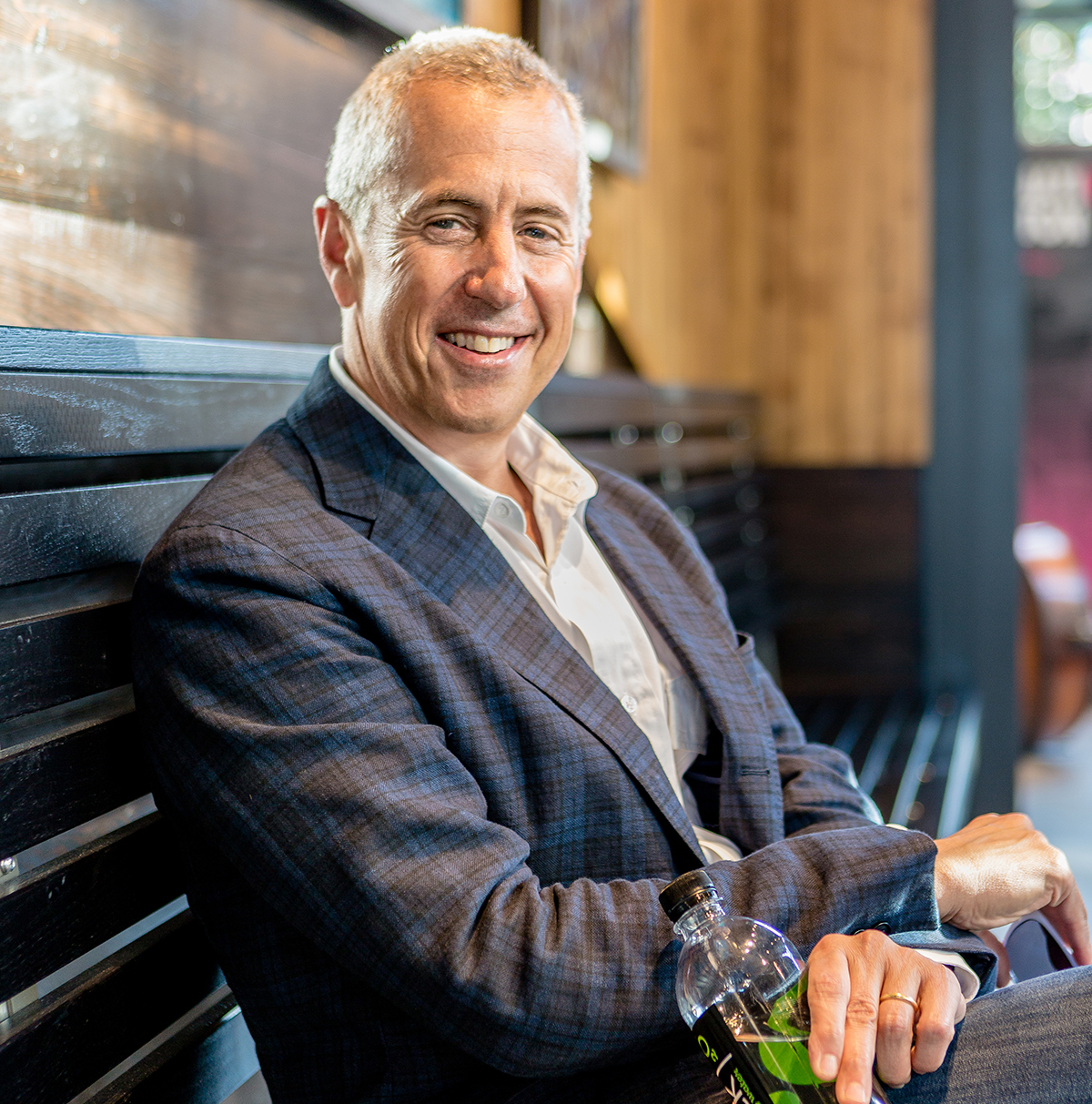
For investors and business enthusiasts, understanding who owns Shake Shack (NYSE: SHAK) requires looking beyond the burgers and fries to the cap table and the New York Stock Exchange. This article explores the financial architecture of Shake Shack, the institutions that hold the most power, and the evolution of its ownership since its 2015 Initial Public Offering (IPO).
The Evolution of Equity: From USHG to the Public Market
Shake Shack’s journey from a hot dog cart to a multibillion-dollar enterprise is a study in strategic equity management. Originally, the company was a subsidiary of the Union Square Hospitality Group (USHG), a private organization founded by legendary restaurateur Danny Meyer.
Danny Meyer and the Union Square Hospitality Group
In the early 2000s, Shake Shack was entirely owned by USHG. During this period, the brand was funded through internal cash flows from Meyer’s other successful ventures, such as Union Square Cafe and Gramercy Tavern. This private ownership allowed for a slow, quality-controlled expansion that built immense brand equity before the company ever looked toward outside capital. Meyer’s philosophy of “Enlightened Hospitality” wasn’t just a service model; it became a financial asset that increased the company’s valuation during its eventual transition to the public markets.
The 2015 IPO and the Dilution of Private Ownership
The turning point for Shake Shack’s ownership occurred on January 30, 2015. The company went public on the New York Stock Exchange, pricing its shares at $21. The IPO was a massive success, with shares nearly doubling on the first day of trading. This event fundamentally changed the ownership structure from a private, founder-led model to a public model where anyone with a brokerage account could own a piece of the pie. While this provided the capital necessary for global expansion, it also meant that Danny Meyer and USHG began the process of diluting their majority control to make room for institutional and retail investors.
Institutional Powerhouses: Who Really Controls the Equity?
In the modern financial landscape, the majority owners of most large-scale public companies are not individuals, but institutional investors—mutual funds, pension funds, and asset management firms. Shake Shack is no exception. As of the latest SEC filings, institutional ownership in Shake Shack accounts for a significant majority of the outstanding shares, often fluctuating between 85% and 95%.
The Role of Passive Management Giants
When asking “who owns Shake Shack,” the most accurate answer from a volume perspective is the “Big Three” of asset management: Vanguard, BlackRock, and State Street. These firms do not own the stock for their own corporate use; rather, they hold it on behalf of millions of individual investors through index funds and ETFs.
Because Shake Shack is a component of several mid-cap and growth indices, these firms are required to hold a specific percentage of SHAK stock. This provides a level of stability to the stock’s price but also means that the “owners” are a faceless collective of global retirees and 401(k) contributors.
Active Growth Funds and Hedge Funds
Beyond passive indexers, several active management firms hold concentrated stakes in Shake Shack. Firms like Baron Capital Management have historically been significant shareholders. These investors take an active interest in the company’s quarterly earnings, store-level margins, and digital transformation efforts. Their ownership is contingent on performance; unlike the founder, these institutional owners are quick to liquidate their positions if the company fails to meet growth projections or if the “fine-casual” market becomes oversaturated.
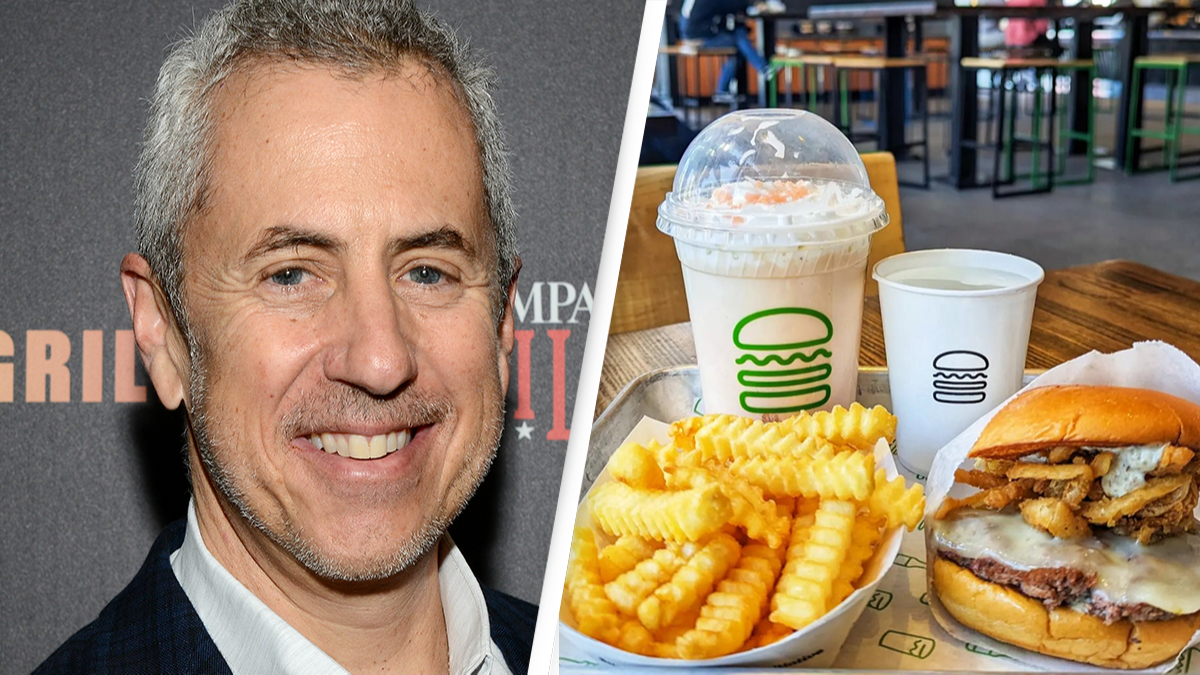
Insider Ownership and the Influence of Danny Meyer
While institutional giants hold the most shares, “insider ownership” is perhaps the most critical metric for assessing the company’s long-term health. Insider ownership refers to the shares held by the company’s directors, executives, and founders.
Danny Meyer’s Remaining Stake
As of the current fiscal period, Danny Meyer remains the Chairman of the Board and one of the largest individual shareholders. Although he has sold portions of his stake over the years to diversify his holdings and fund new ventures, his remaining equity is substantial enough to give him a powerful voice in the company’s strategic direction. Meyer’s ownership aligns his personal wealth with the performance of the stock, providing confidence to outside investors that the “soul” of the brand remains intact.
Executive Compensation and Aligned Interests
The current CEO and the executive leadership team also hold significant amounts of SHAK stock, often granted as part of their compensation packages. This structure is designed to ensure that the management team acts in the best interest of the shareholders. In the world of business finance, this is known as “aligning the agency.” When the people running the kitchen—metaphorically speaking—also own a portion of the restaurant, they are more likely to focus on sustainable growth and operational efficiency.
Financial Performance and Shareholder Value
Ownership is only as valuable as the underlying performance of the company. To understand the value of owning Shake Shack, one must analyze the financial metrics that drive its stock price.
Unit Economics and Profitability Margins
A primary concern for Shake Shack’s owners is “Shack-level operating profit margin.” This metric measures the profitability of individual locations before corporate overhead. Because Shake Shack operates in expensive real estate markets (like New York City, London, and Tokyo), maintaining high margins is a constant struggle. Shareholders closely monitor how the company balances rising labor costs and food inflation against the premium prices customers are willing to pay for a “ShackBurger.”
The Digital Shift and Revenue Diversification
Ownership value in the 2020s has been driven largely by the company’s ability to pivot to digital sales. Today, a significant portion of Shake Shack’s revenue comes through its app and third-party delivery services. For the owners, this digital transformation represents a double-edged sword: it increases total revenue and reach, but the commissions paid to delivery platforms can eat into profit margins. Investors are currently focused on how the company can convert “delivery customers” into “app customers” to retain more of the profit per transaction.
Future Outlook: Licensing vs. Corporate-Owned Models
The future of Shake Shack’s ownership and its valuation depends heavily on its expansion strategy. The company utilizes a hybrid model: it owns and operates most of its domestic locations, but it utilizes a “licensing model” for international airports, stadiums, and overseas territories.
The Financial Advantage of Licensing
For the shareholders, the licensing model is incredibly attractive. In a licensed arrangement, Shake Shack provides the brand and the intellectual property, while a third-party partner (like Alshaya Group in the Middle East) provides the capital to build and operate the locations. This allows Shake Shack to grow without taking on massive debt or diluting current owners with new share issuances. The royalties earned from these licensed locations are high-margin revenue that drops straight to the bottom line.

Long-term Projections for SHAK Stock
As Shake Shack continues to scale, the ownership profile will likely continue to shift toward institutional dominance. The company is currently focused on expanding its drive-thru footprint, a move that requires significant capital expenditure but promises higher volume. If successful, this will attract even more large-scale “value” investors who look for consistent cash flow and dividends—something Shake Shack has yet to prioritize as it remains in a high-growth phase.
In summary, while the name “Shake Shack” evokes the image of a simple park-side burger stand, the reality of its ownership is a sophisticated web of institutional power, founder-led vision, and public market dynamics. Whether you are a retail investor holding ten shares or a fund manager holding ten million, the “owner” of Shake Shack is part of a massive financial ecosystem dedicated to scaling a premium dining experience across the globe. Understanding this structure is essential for anyone looking to grasp the intersection of hospitality and high finance.
aViewFromTheCave is a participant in the Amazon Services LLC Associates Program, an affiliate advertising program designed to provide a means for sites to earn advertising fees by advertising and linking to Amazon.com. Amazon, the Amazon logo, AmazonSupply, and the AmazonSupply logo are trademarks of Amazon.com, Inc. or its affiliates. As an Amazon Associate we earn affiliate commissions from qualifying purchases.