
The financial markets are often described as a “voting machine” in the short term and a “weighing machine” in the long term. For the average investor, waking up to a sea of green across a brokerage dashboard brings a sense of relief, but it also triggers a fundamental question: Why? Stock prices do not move in a vacuum; they are the result of millions of participants processing information simultaneously. When the market moves upward significantly in a single session, it is rarely due to a single event. Instead, it is usually a confluence of macroeconomic data, corporate performance, and shifts in investor psychology.

Understanding these mechanics is essential for anyone looking to build long-term wealth. By deconstructing the reasons behind a daily rally, investors can distinguish between “noise”—temporary price spikes—and “signals”—meaningful shifts in the economic landscape. This article explores the primary drivers that propel the market upward and how they interact to create bullish momentum.
1. Macroeconomic Indicators and the Role of Monetary Policy
The most powerful force in modern finance is the movement of liquidity, which is largely dictated by central banks and government data. When the market rallies, it is often because investors have received news that suggests a more favorable environment for borrowing, spending, and corporate growth.
The Federal Reserve and Interest Rate Expectations
The U.S. Federal Reserve (the Fed) acts as the guardian of the economy. Stock markets are hypersensitive to interest rates. When the Fed signals a “dovish” stance—meaning they may lower interest rates or pause a series of hikes—the market almost always responds positively. Lower rates reduce the cost of borrowing for companies, which lowers their expenses and boosts their potential for expansion. Furthermore, lower interest rates make “safe” investments like bonds less attractive, pushing capital toward the stock market in search of higher returns.
Inflation Data and the Consumer Price Index (CPI)
In recent years, inflation has been the primary driver of market volatility. When the Bureau of Labor Statistics releases a Consumer Price Index (CPI) report that shows inflation is cooling faster than expected, markets tend to surge. Lower inflation suggests that the economy is stabilizing and that the central bank will not need to aggressively hike rates to curb rising prices. For an investor, a lower-than-expected CPI print is often a green light to buy, as it implies a more predictable economic future.
Employment Reports and Labor Market Health
While it might seem counterintuitive, the market sometimes rallies on “bad” employment news. If the labor market shows signs of softening, investors may bet that the Fed will lower interest rates to stimulate the economy. Conversely, a strong but stable jobs report can signal a “soft landing”—a scenario where inflation is tamed without causing a deep recession. When the market goes up today, it is often because the latest employment data suggested the economy is “just right”—strong enough to support corporate profits but not so hot that it triggers runaway inflation.
2. Corporate Earnings and the Power of Fundamental Strength
Beyond the “macro” picture, the “micro” performance of individual companies—specifically the heavyweights in the S&P 500 and Nasdaq—can pull the entire market higher. We are currently in an era where a handful of mega-cap stocks can dictate the direction of the entire index.
The Impact of “Earnings Beats” and Guidance
During earnings season, public companies report their financial health for the previous quarter. When a bellwether company—such as a major tech giant or a leading retailer—reports profits that exceed analyst expectations, it creates a ripple effect. However, the “beat” itself is only half the story. The market moves upward when management provides “positive guidance,” or a bullish outlook for the coming months. If a CEO expresses confidence in future demand, investors are willing to pay a higher premium for those future earnings today.
Sector Rotation and Dominant Themes
Markets often rally because a specific sector is performing exceptionally well. For example, the rise of Artificial Intelligence (AI) has led to massive capital inflows into the semiconductor and software industries. If a leader in this space reports a technological breakthrough or a massive increase in chip orders, the entire tech sector may rise, dragging the broader indices with it. Identifying which sector is leading the charge is key to understanding why the overall market is green.
Stock Buybacks and Dividend Announcements
When companies have excess cash, they often return it to shareholders. A surge in “buyback” announcements—where a company purchases its own shares to reduce the total supply—increases the value of the remaining shares. This internal demand for a company’s own stock can provide a significant tailwind for the market, signaling that the corporate elite believe their own shares are undervalued.
3. Market Sentiment and the Psychology of the “Trend”
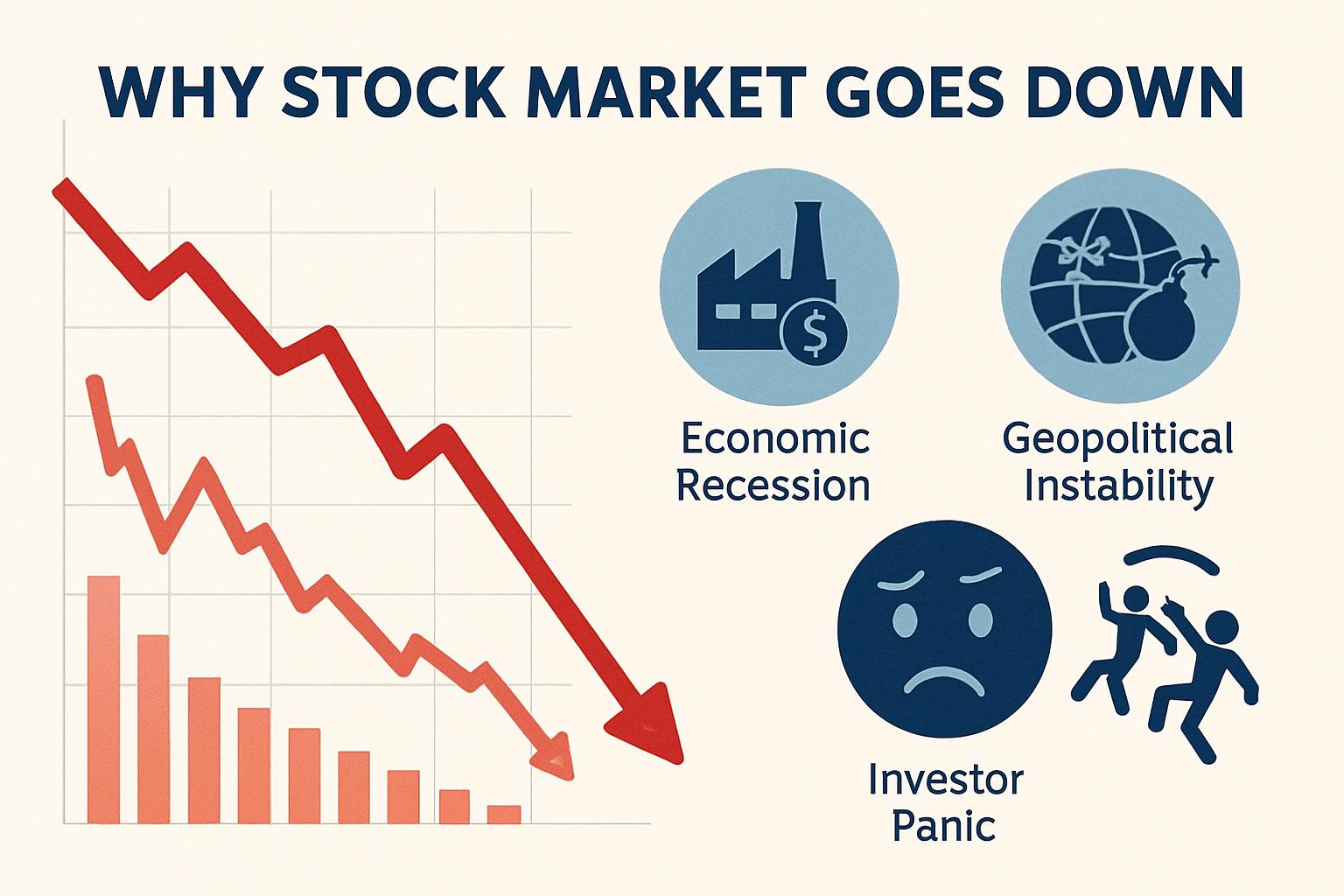
Finance is as much about human emotion as it is about mathematics. The market often moves up because the collective “mood” of investors has shifted from fear to greed, or at least from uncertainty to clarity.
The Relief Rally and Reduced Uncertainty
Markets hate uncertainty more than they hate bad news. Often, the market goes up today not because the news was “good,” but because the news was “better than feared.” This is known as a relief rally. Whether it is the conclusion of a contentious election, the resolution of a trade dispute, or a geopolitical conflict showing signs of de-escalation, the removal of a “cloud” over the market allows sidelined capital to flow back into equities.
Technical Analysis and Key Resistance Levels
Many institutional investors and high-frequency trading algorithms operate based on technical patterns. If the market has been hovering just below a “resistance level”—a price point it has struggled to cross—and it finally breaks above it, a flood of automated “buy” orders is triggered. This technical momentum can take on a life of its own, creating a “Fear of Missing Out” (FOMO) among retail investors who scramble to buy as they see the upward trend accelerating.
Short Squeezes and Liquidity Gaps
In some instances, the market goes up because “bears” (investors betting against the market) are forced to close their positions. When a stock or index starts to rise unexpectedly, those who have “shorted” it must buy back shares to limit their losses. This forced buying creates even more upward pressure, “squeezing” the shorts and resulting in a rapid, vertical move in price. While these moves can be volatile, they are a frequent cause of sharp daily rallies.
4. Global Interconnectedness and Capital Flows
In a globalized economy, the U.S. market is often influenced by what is happening in London, Tokyo, or Beijing. Money is fluid and moves toward the most favorable risk-to-reward environments.
Currency Fluctuations and the Strength of the Dollar
The strength of the U.S. Dollar (DXY) has a direct impact on multinational corporations. When the dollar weakens slightly, it makes American goods more affordable abroad and increases the value of international revenue when translated back into dollars. A “softening” dollar is often a catalyst for a rally in large-cap stocks that do a significant portion of their business overseas.
Commodity Prices and Energy Stability
For much of the market, energy is a primary cost of doing business. When oil prices stabilize or decline, it acts as a “tax cut” for both corporations and consumers. Lower energy costs lead to higher profit margins for airlines, shipping companies, and manufacturers, while leaving more disposable income in the pockets of consumers. If the market is up today, it may be because of a favorable shift in the energy sector that promises to lower the cost of production across the board.
5. Strategic Implications: How to Respond to a Green Day
While it is exciting to see the market go up, a disciplined investor knows that daily fluctuations are just moments in a much longer journey. The key is to use the “why” behind the move to inform a broader financial strategy.
Distinguishing Between Volatility and Value
A single-day rally does not necessarily mean a new bull market has begun. Investors should look for “breadth”—is the whole market rising, or just a few tech stocks? Market rallies built on broad participation across various sectors (financials, industrials, healthcare) are generally more sustainable than those driven by a single niche.
The Importance of Not “Chasing” the Move
One of the biggest mistakes investors make is buying into a rally at its peak due to FOMO. Understanding the drivers—such as a specific CPI report or an earnings beat—helps you determine if the move is a fundamental shift or a temporary reaction. If the move is based on a long-term fundamental change, it may be a good time to add to a position. If it is based on a “short squeeze,” it might be wiser to wait for a pullback.
Maintaining a Long-Term Perspective
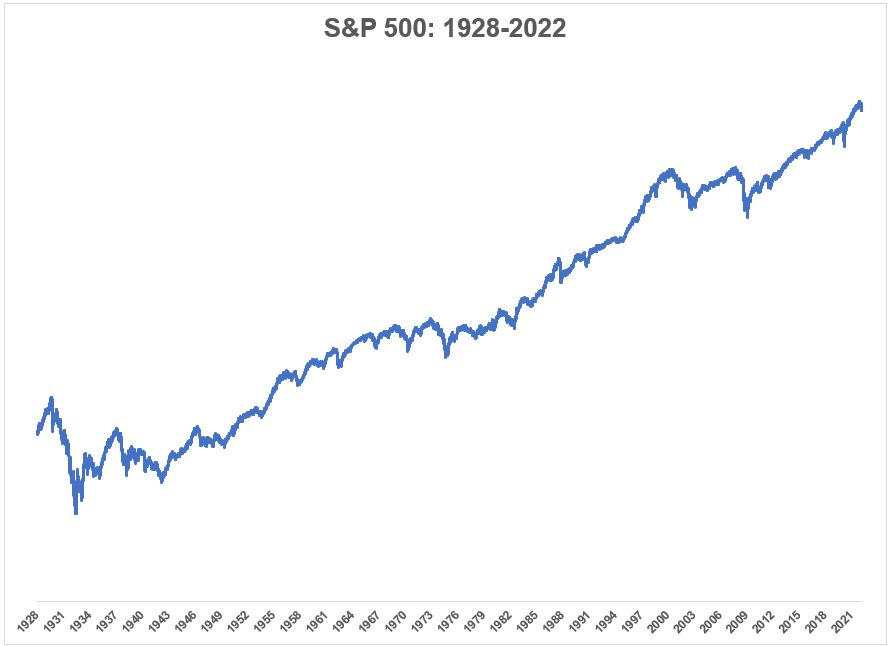
The market will go up today, and it will inevitably go down another day. Successful investing in the “Money” niche requires a focus on time in the market rather than timing the market. By understanding that today’s rally is a result of complex interactions between the Fed, corporate earnings, and global sentiment, you can stay calm and focused on your long-term financial goals, regardless of the daily ticker color.
In conclusion, the market’s upward movement is a signal that, for the moment, the collective wisdom of investors believes that the future is slightly brighter than it was yesterday. Whether driven by cooling inflation, stellar corporate earnings, or a simple shift in technical momentum, every rally provides a lesson in the mechanics of wealth creation. By staying informed on these core drivers, you transform from a passive observer into a strategic participant in the world of finance.
aViewFromTheCave is a participant in the Amazon Services LLC Associates Program, an affiliate advertising program designed to provide a means for sites to earn advertising fees by advertising and linking to Amazon.com. Amazon, the Amazon logo, AmazonSupply, and the AmazonSupply logo are trademarks of Amazon.com, Inc. or its affiliates. As an Amazon Associate we earn affiliate commissions from qualifying purchases.