
In the dynamic world of finance, few metrics command as much attention and debate as the Dow Jones Industrial Average (DJIA), often simply referred to as “the Dow.” More than just a number flashing across financial news channels, the Dow serves as a venerable, albeit imperfect, barometer of American industrial health and broader market sentiment. For seasoned investors, budding entrepreneurs, and curious citizens alike, understanding its current position and what influences it is crucial for navigating the complex landscape of personal finance and investment strategy. This article delves into the essence of the Dow, its current standing in the market, the forces shaping its trajectory, and its implications for your financial decisions.

Decoding the Dow Jones Industrial Average
To grasp “where the Dow is at,” one must first understand what it represents. Far from being a mere collection of stocks, the DJIA holds a unique place in financial history, offering a snapshot of a specific, yet influential, segment of the U.S. economy.
What is the DJIA? A Historical Perspective
Conceived by Charles Dow in 1896, the Dow Jones Industrial Average was initially a simple average of 12 industrial companies. Its purpose was to provide a clear, concise measure of the health of America’s nascent industrial sector. Over the decades, it has evolved significantly. Today, the DJIA comprises 30 of the largest and most influential publicly traded companies in the United States, often referred to as “blue-chip” stocks. These aren’t necessarily purely industrial companies anymore; the list includes technology giants, financial institutions, healthcare leaders, and consumer goods conglomerates, reflecting the diversified nature of the modern American economy. Companies are added or removed to ensure the index remains relevant and representative, though changes are infrequent. Its long history gives it a certain gravitas, making it a commonly cited benchmark for market performance.
How the Dow is Calculated: Beyond a Simple Average
Despite its name, the Dow is not a simple arithmetic average of its components’ stock prices. Instead, it is a price-weighted average, meaning stocks with higher prices have a greater impact on the index’s value than those with lower prices. This calculation method utilizes a “Dow Divisor,” a number that adjusts for stock splits, dividends, and changes in the index’s components, ensuring historical continuity. This price-weighted methodology is distinct from market-capitalization-weighted indexes like the S&P 500, which gives more weight to companies with larger market values. Understanding this distinction is vital, as it means a significant price movement in a high-priced Dow component like UnitedHealth Group or Microsoft can sway the index more than an equally percentage-wise move in a lower-priced component like Verizon or Coca-Cola.
Why the Dow Matters to Investors
For many, the Dow is the quintessential market indicator, often the first number cited when discussing “how the market did today.” Its appeal lies in its simplicity and its composition of well-established, profitable companies. While it only represents 30 companies, these corporations are often bellwethers for their respective industries and the economy as a whole. A strong Dow can signal investor confidence and robust corporate earnings, suggesting a healthy economic environment. Conversely, a declining Dow can indicate pessimism, economic headwinds, or even the potential for a recession. For individual investors, the Dow provides a quick pulse check on the broader market’s mood, influencing sentiment and, indirectly, investment decisions across all asset classes.
Current Market Dynamics and the Dow’s Position
To answer “where is the Dow at” meaningfully, one must look beyond its numerical value and consider the complex interplay of economic, corporate, and geopolitical factors shaping its trajectory in real-time. The market is a living entity, constantly reacting to new information.
Recent Performance Trends and Key Influencers
The Dow’s journey is rarely a straight line. It experiences periods of sustained growth (bull markets) and sharp declines (bear markets), interspersed with volatility. Recent years have seen the Dow navigate unprecedented challenges, from global pandemics to inflationary spikes and supply chain disruptions. Its performance is a composite reflection of the 30 underlying companies’ earnings reports, management outlooks, and sector-specific trends. For instance, a surge in tech stocks might lift the entire index if several tech giants are Dow components, while a downturn in the financial sector could drag it down. Analyzing the Dow requires understanding these sectoral shifts and how they converge within the index. Key events like quarterly earnings calls, major policy announcements from central banks, and significant geopolitical developments can trigger immediate and sometimes dramatic shifts in the Dow’s level.
Factors Influencing the Dow Today
The current position of the Dow is a mosaic of responses to multiple concurrent forces:
- Interest Rates and Monetary Policy: Central banks, particularly the U.S. Federal Reserve, wield immense power. Higher interest rates typically increase borrowing costs for businesses and consumers, potentially slowing economic growth and reducing corporate profits, which can weigh on stock prices. Conversely, lower rates can stimulate economic activity.
- Inflation: Persistent inflation erodes purchasing power and can squeeze corporate profit margins if companies cannot pass on higher costs to consumers. The market closely watches inflation data, as it often dictates central bank policy.
- Corporate Earnings and Guidance: Ultimately, stock prices are tethered to corporate profitability. Strong earnings reports and optimistic future guidance from Dow components instill confidence, while disappointing results can trigger sell-offs.
- Geopolitical Events: International conflicts, trade disputes, and political instability can introduce uncertainty, leading investors to seek safer assets and pull back from equities, impacting the Dow.
- Technological Innovation: Disruptive technologies can create new industries, boost productivity, and drive growth for companies that adapt, while posing existential threats to those that don’t. The Dow’s composition reflects this, with tech giants now holding significant sway.
- Consumer Confidence and Spending: As a consumption-driven economy, strong consumer confidence and robust spending are crucial. Retail sales data, consumer sentiment indices, and employment figures all offer clues about the economic backdrop supporting Dow companies.
Technical vs. Fundamental Analysis for Dow Watching
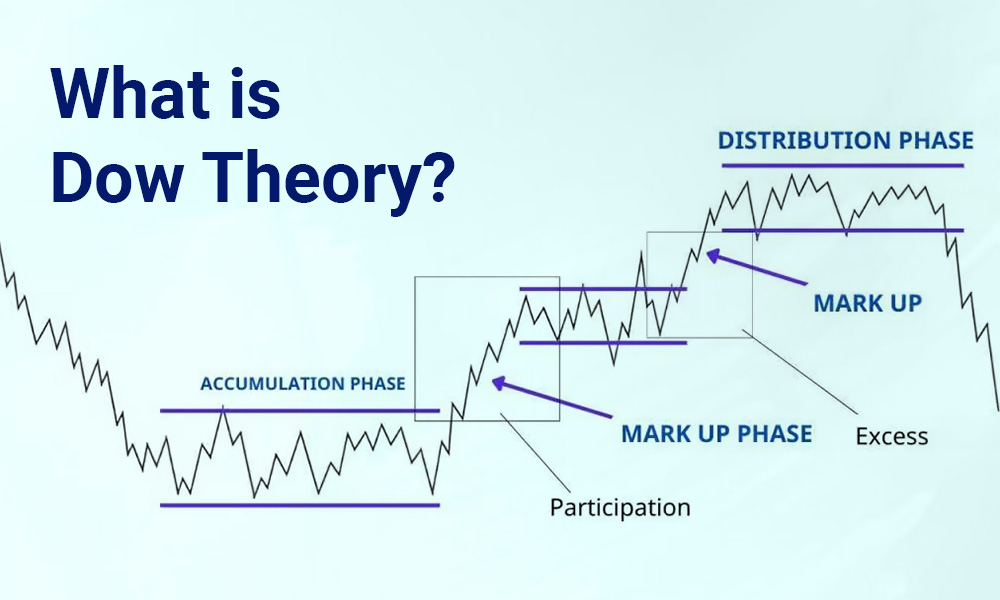
Investors and analysts employ various methodologies to interpret the Dow’s movements. Fundamental analysis involves evaluating the intrinsic value of the underlying companies by scrutinizing financial statements, management quality, industry trends, and economic outlook. For a Dow investor, this means understanding the 30 companies in depth. Technical analysis, on the other hand, focuses on chart patterns, trading volumes, and historical price movements to predict future price direction. While often seen as separate disciplines, many successful investors blend both approaches to gain a comprehensive understanding of where the Dow is, where it’s been, and where it might be headed. For example, a strong fundamental case for a Dow component might be supported by a technical breakout from a consolidation pattern, reinforcing a buy signal.
The Dow as a Barometer of Economic Health
While widely cited, the Dow’s effectiveness as a sole economic barometer is a subject of ongoing discussion among economists and investors. Understanding its strengths and limitations is key to interpreting its signals accurately.
Leading vs. Lagging Indicator?
The question of whether the Dow is a leading (predicts future economic activity) or lagging (confirms past trends) indicator is complex. Generally, stock markets are considered leading indicators because investors constantly look to the future, pricing in anticipated earnings, economic growth, and challenges. Therefore, a rising Dow might suggest expectations of future prosperity, while a falling Dow could signal anticipated economic headwinds. However, the Dow’s limited scope (just 30 companies) means it doesn’t always capture the full breadth of the economy. Small and mid-cap companies, often more representative of broader economic growth and innovation, are excluded. Thus, while it offers valuable insights, the Dow should be considered alongside other, more comprehensive economic data.
Broader Economic Context
To properly contextualize the Dow’s position, it’s essential to look at the broader economic landscape:
- Gross Domestic Product (GDP): The overall output of goods and services is the most comprehensive measure of economic activity. A strong GDP typically correlates with healthy corporate earnings.
- Employment Figures: Low unemployment and rising wages indicate a robust labor market, supporting consumer spending and economic growth.
- Manufacturing and Services PMIs: Purchasing Managers’ Indexes provide real-time insights into the health of critical economic sectors.
- Consumer Confidence: Measures like the Conference Board Consumer Confidence Index gauge consumer optimism, which drives spending.
When the Dow moves in tandem with these indicators, it reinforces the message. Divergences, however, warrant deeper investigation. For instance, a rising Dow amidst weak economic data might suggest a market disconnected from reality, or it could be anticipating a future economic rebound.
Diversification Beyond the Dow
While useful, relying solely on the Dow for investment decisions or economic assessment can be misleading. Its inherent price-weighted nature and limited number of components mean it may not always reflect the performance of critical sectors or the overall market accurately. For instance, a strong rally in biotechnology or cybersecurity firms not included in the Dow might be missed if one only observes the DJIA. Therefore, for robust portfolio construction and a comprehensive view of the market, diversification across various indexes (like the S&P 500, Nasdaq Composite, or Russell 2000), asset classes (bonds, real estate, commodities), and international markets is crucial. The Dow is a powerful symbol, but it’s just one piece of a much larger financial puzzle.
Investing Implications and Strategies
For individual investors, understanding “where the Dow is at” translates into practical considerations for portfolio management and strategic planning. While you can’t directly invest in the Dow, its movements profoundly influence market sentiment and the broader investment landscape.
Does the Dow Dictate Your Portfolio?
The Dow’s daily fluctuations rarely dictate the individual investor’s immediate actions, particularly for those with long-term goals. Panicking over every downturn or getting overly exuberant over every upturn is a recipe for poor investment decisions. However, the Dow’s overall trend can inform your general market outlook. If the Dow is in a sustained bull market, it suggests a favorable environment for equities. Conversely, a prolonged bear market signals caution. For many, the Dow provides context. If your portfolio is lagging significantly behind a rising Dow, it might prompt a review of your holdings. If it’s outperforming in a declining Dow, it could indicate resilience. The key is to use it as an informational tool, not a command center for impulsive trades.
Long-Term vs. Short-Term Perspectives
A core principle in investing is the distinction between long-term and short-term perspectives. For long-term investors focused on retirement, education savings, or other distant goals, the daily, weekly, or even monthly movements of the Dow are largely noise. Their strategy typically revolves around dollar-cost averaging (investing a fixed amount regularly, regardless of market highs or lows) and focusing on the underlying quality of their investments. Over decades, the stock market, and by extension the Dow, has historically trended upwards, rewarding patient investors. Short-term traders, on the other hand, might use Dow movements to inform their timing, looking for quick gains or reacting to volatility. However, market timing is notoriously difficult, even for professionals, and often leads to missing significant upside days or compounding losses.
Utilizing ETFs and Index Funds
While you can’t buy “the Dow” directly, you can easily invest in the companies that comprise it or track its performance. Exchange-Traded Funds (ETFs) and index funds offer convenient and diversified ways to gain exposure to the Dow or broader market segments. For instance, several ETFs are designed to replicate the performance of the DJIA by holding the 30 component stocks in proportions that mimic the index’s weighting. Alternatively, investors can opt for broader market index funds, like those tracking the S&P 500, which offer even greater diversification across 500 large-cap U.S. companies. These financial tools allow investors to participate in the market’s growth without the need to pick individual stocks, providing a cost-effective path to building wealth over time.
Risk Management and Volatility
Regardless of where the Dow is, managing risk remains paramount. Stock market investments, by their nature, involve volatility. The Dow’s history is replete with significant drawdowns and subsequent recoveries. Understanding your personal risk tolerance is crucial. Diversification, as mentioned, is a key risk management tool. Another is asset allocation – balancing investments across different asset classes (stocks, bonds, cash) to match your financial goals and risk appetite. For example, during periods of Dow volatility, bonds might offer a cushion. Regular rebalancing of your portfolio ensures it stays aligned with your desired risk profile, preventing overexposure to equities when the Dow is soaring and under-exposure when it’s consolidating.
Looking Ahead: What’s Next for the Dow?
Predicting the Dow’s future path with certainty is an impossible task. Too many variables are at play. However, understanding the potential catalysts and headwinds can help investors form informed expectations and prepare for various scenarios.
Expert Forecasts and Market Sentiment
Financial analysts and strategists regularly publish forecasts for the Dow and the broader market. These predictions consider economic projections, corporate earnings outlooks, and anticipated policy shifts. It’s important to approach these forecasts with a healthy dose of skepticism. While insightful, they are often based on models and assumptions that can change rapidly. Moreover, market sentiment – the collective psychological state of investors – can sometimes override fundamental realities in the short term. Fear and greed are powerful forces that can drive irrational exuberance or panic selling, leading to movements in the Dow that defy logical explanation. The value lies not in blindly following predictions, but in understanding the underlying arguments and considering multiple perspectives.
Potential Catalysts and Headwinds
The Dow’s future will be shaped by a confluence of potential growth drivers and inhibiting factors:
- Technological Advancement: Continued innovation in AI, biotechnology, renewable energy, and other sectors could fuel productivity gains and open new revenue streams for Dow companies.
- Global Economic Growth: A robust global economy supports international trade and corporate earnings for multinational Dow components.
- Inflation Control: Successful management of inflation by central banks could lead to more stable interest rates and a predictable economic environment.
- Regulatory Environment: Changes in government regulations, particularly concerning antitrust, taxation, or industry-specific rules, can significantly impact corporate profitability and market valuations.
- Geopolitical Stability: A reduction in global tensions and conflicts would foster greater certainty for businesses and investors.
Conversely, persistent inflation, high interest rates, a global economic slowdown, escalating geopolitical conflicts, or a significant financial crisis could act as strong headwinds, putting downward pressure on the Dow.
Staying Informed: Continuous Learning
In the ever-evolving world of finance, staying informed is not a one-time event but a continuous process. Regular engagement with reputable financial news sources, economic reports, and analytical insights is crucial. Subscribing to financial publications, listening to economic podcasts, and participating in investor communities can deepen your understanding of the forces influencing the Dow and your investments. Education empowers you to discern reliable information from noise, make decisions aligned with your financial goals, and adapt your strategies as market conditions shift.

Conclusion
“Where is the Dow at?” is a question that transcends its simple numerical answer. It invites a comprehensive exploration of economic principles, market dynamics, and investment strategies. The Dow Jones Industrial Average, with its rich history and influential components, remains a significant benchmark, offering a window into the health of America’s leading companies and broader economic sentiment. While it should not be the sole determinant of investment decisions, understanding its movements, the factors influencing it, and its broader economic context is invaluable for any individual navigating the world of personal finance and investing. By adopting a long-term perspective, diversifying wisely, managing risk effectively, and continuously educating oneself, investors can leverage insights from the Dow to build resilient portfolios and work towards their financial aspirations, regardless of its daily fluctuations. The Dow’s journey is a perpetual narrative of economic adaptation and corporate evolution, and staying attuned to its story is a cornerstone of informed investing.
aViewFromTheCave is a participant in the Amazon Services LLC Associates Program, an affiliate advertising program designed to provide a means for sites to earn advertising fees by advertising and linking to Amazon.com. Amazon, the Amazon logo, AmazonSupply, and the AmazonSupply logo are trademarks of Amazon.com, Inc. or its affiliates. As an Amazon Associate we earn affiliate commissions from qualifying purchases.