
For anyone engaged with the financial markets, whether a seasoned investor, a nascent day trader, or simply an individual tracking their retirement funds, understanding market closing times is far more than a mere curiosity; it’s a fundamental aspect of financial literacy and strategic decision-making. The closing bell signifies the culmination of a day’s economic activity, locking in gains and losses, and setting the stage for the next trading session. But beyond the simple clock-out, market close carries profound implications for trading strategies, portfolio management, risk assessment, and even the very rhythm of global finance.
In a world driven by continuous information flow and increasingly interconnected economies, the concept of market close might seem almost archaic. Yet, regulated trading hours provide structure, stability, and a designated period for reflection and planning. It’s during these final moments that critical decisions are often made, orders are executed, and the market’s sentiment for the day is distilled into a final set of prices. This article will delve into the critical aspects surrounding market closing times, offering insights that can empower investors to make more informed choices and navigate the complexities of financial markets with greater confidence.
The Significance of Market Closing Times for Investors
The end of the trading day is not just an arbitrary cutoff; it’s a pivotal moment laden with strategic importance for various types of investors and traders. The final hour, often dubbed the “power hour,” can be particularly dynamic, characterized by intensified activity and price movements.
Impact on Trading Strategies
Different trading strategies are profoundly influenced by market closing times. For day traders, the close represents the final opportunity to liquidate positions and avoid holding overnight risk, which can be significant given potential after-hours news or global market shifts. Their entire strategy revolves around opening and closing positions within a single trading session, making the final moments crucial for profit realization or loss mitigation.
Swing traders, who hold positions for several days or weeks, also pay close attention to the close. They might use end-of-day prices to confirm trends, identify entry or exit points, or adjust their stop-loss orders. The closing price often serves as a key indicator for charting and technical analysis, providing a definitive data point for subsequent analysis.
Even long-term investors, while less concerned with minute-by-minute fluctuations, still find the closing price relevant. It informs their portfolio valuations, dividend calculations, and offers a snapshot of the market’s performance over a full day. Major index closes, like the S&P 500 or Dow Jones Industrial Average, are widely reported and serve as benchmarks for overall market health, directly impacting investor sentiment and long-term planning.
Volatility and Price Discovery
The final minutes before market close are often marked by heightened volatility. This surge in activity can be attributed to several factors: institutional traders rebalancing their portfolios, retail investors rushing to execute last-minute trades, and the squaring off of positions by market makers. This period can see significant price swings as large orders are processed, making it both a challenging and potentially lucrative time for shrewd traders.
Moreover, the closing period is crucial for price discovery. The closing price of a security is often considered its most significant daily valuation, as it reflects the aggregated supply and demand pressures that have accumulated throughout the entire trading day. This final price is used in countless financial calculations, from mutual fund net asset values (NAVs) to index weightings, making its accuracy and integrity paramount to the financial ecosystem.
Settlement and Post-Market Activity
When the closing bell rings, the formal trading session concludes, but the financial machinery doesn’t grind to a halt. Post-market trading, also known as after-hours trading, allows investors to trade securities outside of regular market hours. While typically less liquid and with wider bid-ask spreads, this period can be active, especially in response to corporate news, earnings announcements, or major geopolitical developments released after the close.
The official market close also triggers the settlement process, where trades executed during the day are finalized. This typically takes a few business days (T+2 in many markets, meaning trade date plus two business days), involving the transfer of ownership of securities and the corresponding cash payments. Understanding these post-trade activities is crucial for managing cash flow and ensuring compliance within regulatory frameworks.
Understanding Standard Market Hours Across Global Exchanges
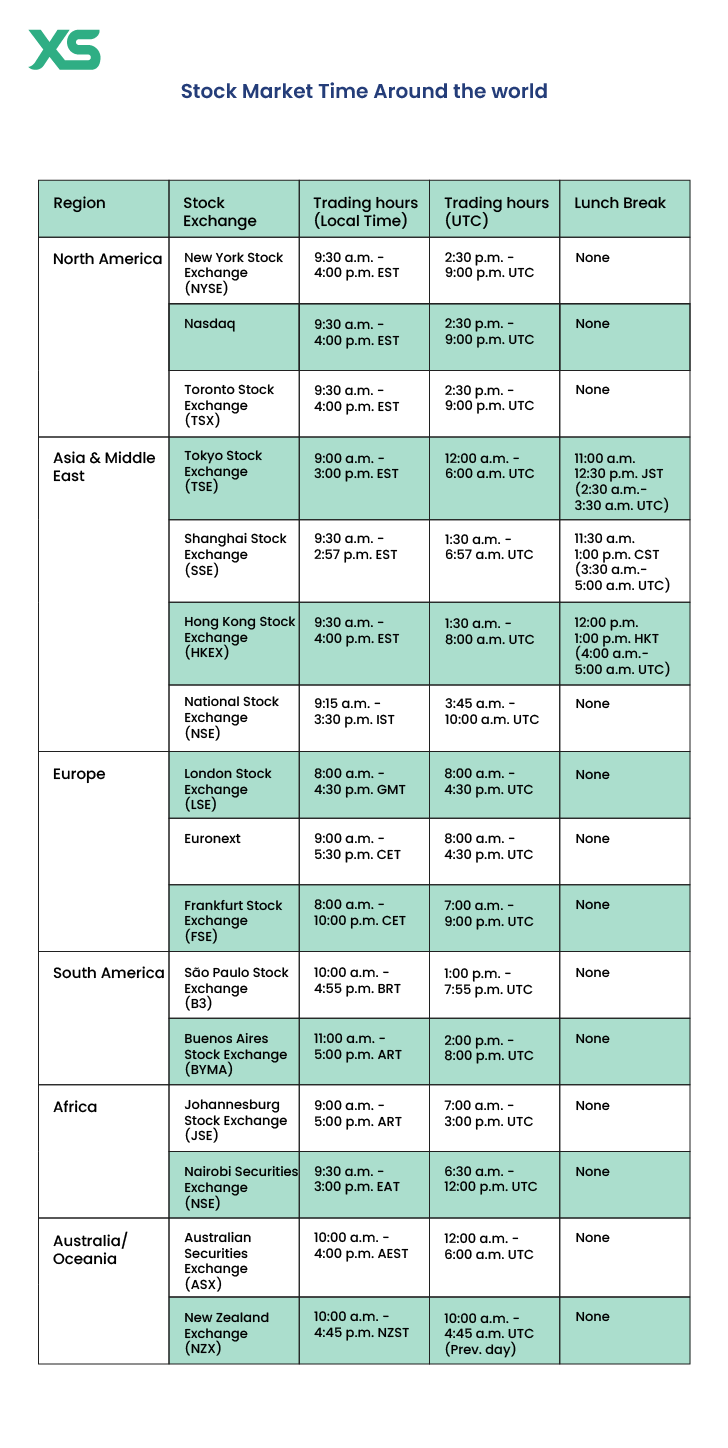
While the fundamental concept of market close is universal, the specific times vary significantly across different exchanges and geographies. These variations are driven by local time zones, cultural practices, and regulatory frameworks.
Major US Stock Exchanges (NYSE, Nasdaq)
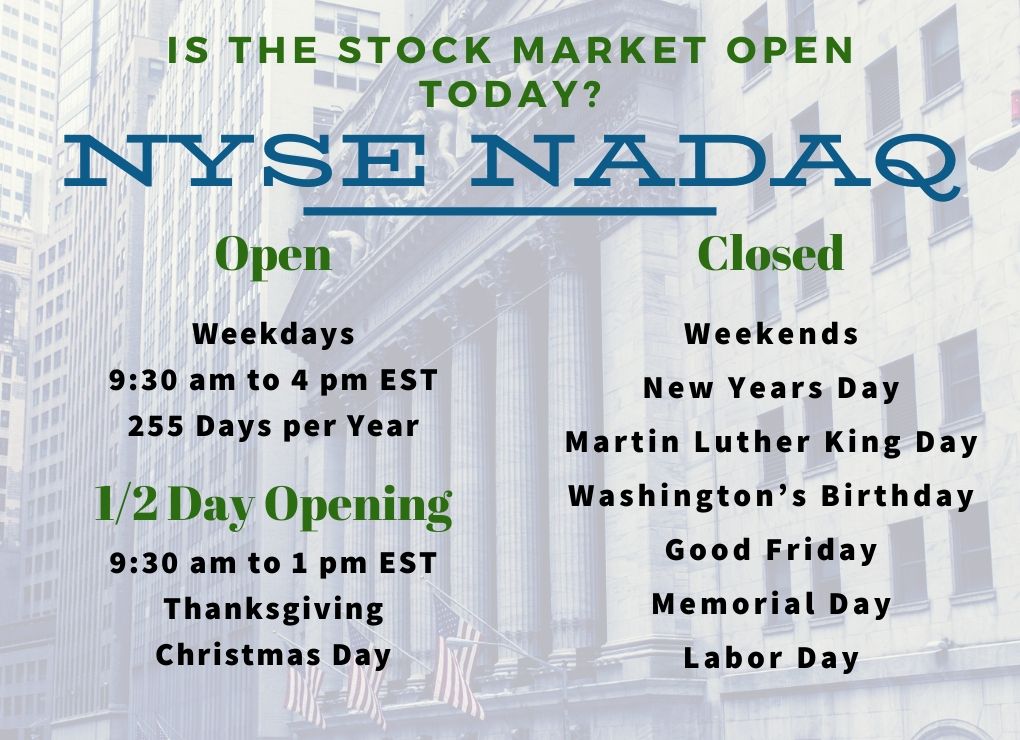
In the United States, the primary stock exchanges, the New York Stock Exchange (NYSE) and the Nasdaq Stock Market, generally operate on standard hours. For equities, the regular trading session runs from 9:30 AM to 4:00 PM Eastern Time (ET), Monday through Friday. This is the core period of highest liquidity and activity.
However, it’s essential to remember that this schedule isn’t static. There are specific days when markets may close early, typically at 1:00 PM ET, often preceding or following a major holiday. These “half-days” are crucial for traders to be aware of, as they condense the day’s trading into a shorter window, potentially leading to increased volatility or reduced liquidity during the truncated session.
Global Market Overview
The global financial landscape operates almost continuously, with markets opening and closing sequentially across different time zones. When markets close in New York, their counterparts in Asia or Europe might already be in full swing or just beginning their trading day.
- London Stock Exchange (LSE): Typically operates from 8:00 AM to 4:30 PM Greenwich Mean Time (GMT).
- Tokyo Stock Exchange (TSE): Generally runs from 9:00 AM to 3:00 PM Japan Standard Time (JST), with a lunch break from 11:30 AM to 12:30 PM.
- Shanghai Stock Exchange (SSE): Operates from 9:30 AM to 3:00 PM China Standard Time (CST), also with a lunch break.
Understanding this global relay is particularly important for investors with diversified international portfolios or those involved in global macro trading strategies. News released in one market after its close can significantly impact the opening prices of markets in other regions the following day.
Forex and Cryptocurrency Markets
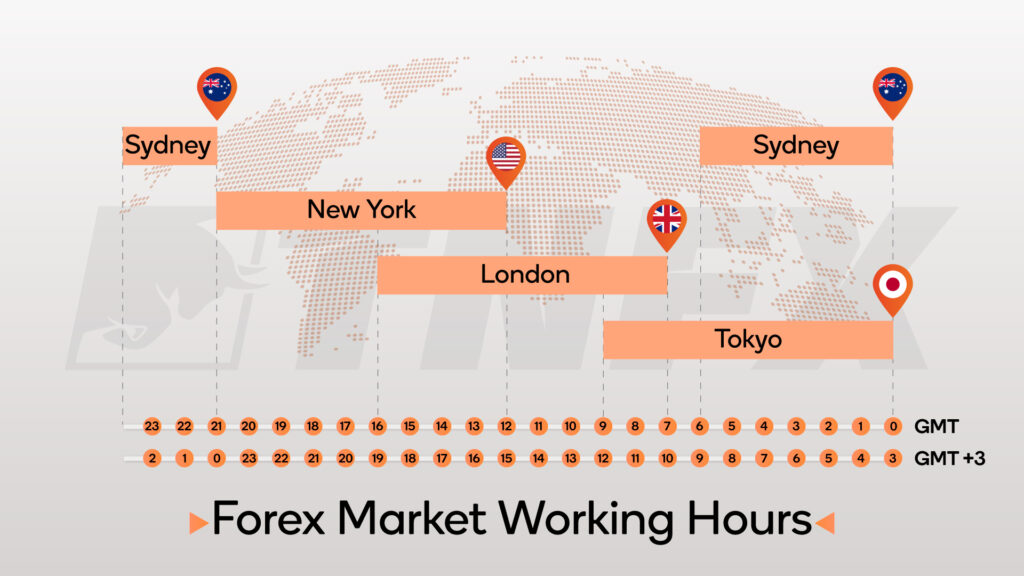
In contrast to traditional stock exchanges, the Foreign Exchange (Forex) market operates on a 24-hour basis, five days a week, from Sunday evening ET to Friday evening ET. This continuous operation is due to its decentralized nature and global participation, with trading seamlessly transitioning from one major financial center to another (e.g., Sydney, Tokyo, London, New York). While there isn’t a single “close,” liquidity can vary dramatically depending on which regional markets are active.
Cryptocurrency markets take this continuous operation even further, running 24 hours a day, seven days a week, 365 days a year. There are no official closing times for crypto exchanges, reflecting the decentralized and borderless nature of digital assets. This constant availability presents both opportunities and challenges, requiring different approaches to risk management and market monitoring.
Practical Implications for Your Financial Decisions
Knowing the market close time is not just for trivia; it has tangible implications for how you manage your investments and financial instruments.
Order Placement and Execution
The timing of your order placement can significantly affect its execution. A market order placed just before the close will typically be filled at the prevailing market price, which, as noted, can be volatile. A limit order, conversely, will only execute if the price reaches your specified limit. If your limit order isn’t filled by the market close, it may expire or carry over to the next day, depending on your broker’s settings (e.g., “Good ‘Til Canceled” – GTC).
Understanding when markets close prevents missed opportunities or unintended outcomes. Placing a large order too close to the bell in a less liquid stock might lead to slippage, where your execution price deviates unfavorably from the quoted price. Conversely, strategic placement can capitalize on end-of-day price movements.
Portfolio Monitoring and Risk Management
The period around market close is a critical time for portfolio monitoring. Investors often review their positions, assess daily performance, and make last-minute adjustments to mitigate risk. This might involve closing out a volatile position, setting stop-loss orders for the next day, or rebalancing allocations.
Effective risk management dictates that investors should be aware of the potential for overnight gaps—significant price jumps or drops between one day’s close and the next day’s open—caused by news that breaks after hours. Being prepared for these eventualities requires a clear understanding of when regular trading ceases and when market-moving information might typically emerge.
News Events and Earnings Reports
Many companies strategically release their quarterly earnings reports or significant corporate news either after market close or before market open. This timing is deliberate, aiming to allow investors and analysts time to digest the information without disrupting the ongoing trading session. However, these announcements almost invariably lead to significant price movements in after-hours trading and heavily influence the stock’s opening price the following day. Investors must therefore monitor these events diligently, as they are direct drivers of market sentiment and stock valuation.
Navigating Exceptions: Holidays, Half-Days, and Special Events
While standard market hours provide a consistent framework, exceptions are a regular feature of the financial calendar. Being aware of these deviations is crucial for uninterrupted trading and planning.
US Market Holidays
US financial markets observe several holidays throughout the year when they are entirely closed. These typically include:
- New Year’s Day
- Martin Luther King, Jr. Day
- Presidents’ Day
- Good Friday
- Memorial Day
- Juneteenth National Independence Day
- Independence Day
- Labor Day
- Thanksgiving Day
- Christmas Day
It’s important to note that if a holiday falls on a weekend, the market closure may be observed on the preceding Friday or following Monday. Investors should consult the exchange’s official holiday calendar well in advance.
Early Closures
Beyond full holidays, markets occasionally have early closures, as mentioned earlier, often related to holiday weekends (e.g., the day after Thanksgiving or the day before Christmas). These shortened sessions can concentrate trading activity, leading to heightened volatility in a reduced timeframe. Financial news outlets, brokerage platforms, and official exchange websites always publish these amended schedules.
Impact of Geopolitical and Economic Events
While rare, markets can also experience unscheduled disruptions or early closures due to unforeseen geopolitical events, natural disasters, or severe economic crises. For instance, in extreme circumstances, exchanges might temporarily halt trading or shorten sessions to prevent panic selling or ensure orderly markets. Staying abreast of global news and subscribing to financial alerts can help investors prepare for such extraordinary circumstances.
Leveraging Technology and Information for Informed Trading
In the digital age, access to real-time information and advanced tools is paramount for navigating the complexities of market closing times and their implications.
Real-Time Data and Financial News Platforms
Modern investors rely heavily on platforms like Bloomberg Terminal, Reuters Eikon, TradingView, or even free services like Yahoo Finance and Google Finance. These tools provide real-time quotes, pre-market and after-hours data, and critical news feeds, allowing investors to monitor market activity even outside regular hours. Subscribing to alerts for specific stocks or indices ensures that critical announcements related to market close (e.g., earnings releases) are not missed.
Brokerage Platforms and Alerts
Most online brokerage platforms offer sophisticated tools that assist investors in managing their trades around market close. Features include:
- Customizable alerts: Notify you of upcoming market closures, early close days, or specific price movements.
- Order types: Advanced order types (e.g., “Good ‘Til Day,” “Good ‘Til Canceled,” “Fill or Kill”) allow for precise control over when and how orders are executed, especially around the close.
- Extended hours trading: Many brokers facilitate pre-market and after-hours trading, offering opportunities to react to news released outside regular hours, albeit with increased risk due to lower liquidity.
The Role of AI and Algorithmic Trading
For institutional traders and sophisticated individual investors, Artificial Intelligence (AI) and algorithmic trading systems play a significant role in managing end-of-day operations. Algorithms can be programmed to execute trades precisely at the close, rebalance portfolios based on real-time data, or manage large block orders without significantly impacting prices. These systems leverage vast amounts of data and lightning-fast execution to capitalize on or mitigate risks associated with the final moments of trading.
Conclusion: Staying Prepared for Market Closure
Understanding “what time is market close today” transcends simple curiosity; it’s a cornerstone of effective financial management and strategic investing. From the daily rhythm of the NYSE to the 24/7 pulse of crypto markets, the concept of market closure, or its absence, dictates much about how assets are valued, risks are managed, and opportunities are seized.
By recognizing the strategic significance of closing times, staying informed about global market schedules, anticipating exceptions like holidays and early closures, and leveraging modern financial tools, investors can navigate the end of the trading day with greater precision and confidence. In the dynamic world of finance, knowledge of these critical temporal boundaries is not just an advantage—it’s a necessity for safeguarding capital and pursuing growth.
aViewFromTheCave is a participant in the Amazon Services LLC Associates Program, an affiliate advertising program designed to provide a means for sites to earn advertising fees by advertising and linking to Amazon.com. Amazon, the Amazon logo, AmazonSupply, and the AmazonSupply logo are trademarks of Amazon.com, Inc. or its affiliates. As an Amazon Associate we earn affiliate commissions from qualifying purchases.