
For investors, traders, and anyone engaged with the financial markets, knowing the precise operating hours of major exchanges like the New York Stock Exchange (NYSE) is fundamental. Today, like most standard trading days, the New York Stock Exchange closes at 4:00 PM Eastern Time (ET). This seemingly simple piece of information underpins a vast ecosystem of financial activity, dictating everything from trade execution windows to market volatility patterns and strategic investment decisions. Understanding not just when the market closes, but why it closes and the implications of those fixed hours, is crucial for navigating the complexities of modern finance.
The NYSE, often referred to as “The Big Board,” is one of the world’s most prominent stock exchanges, facilitating billions of dollars in transactions daily. Its standardized trading schedule is designed to create an orderly market environment, allowing participants to process information, execute trades, and manage risk within defined parameters. While the 4:00 PM ET closing bell marks the end of the regular trading session, it doesn’t signify a complete halt to all market activity. Pre-market and after-hours trading sessions offer extended opportunities, albeit with different characteristics and risks. Delving into these nuances provides a comprehensive picture of how market hours shape the financial landscape.
The Standard NYSE Trading Day: A Critical Overview
The regular trading session on the New York Stock Exchange is a tightly structured period, providing the primary window for the vast majority of stock market transactions. Its consistent schedule is a cornerstone of market integrity and investor confidence.
Regular Session Hours: A Foundation for Trading
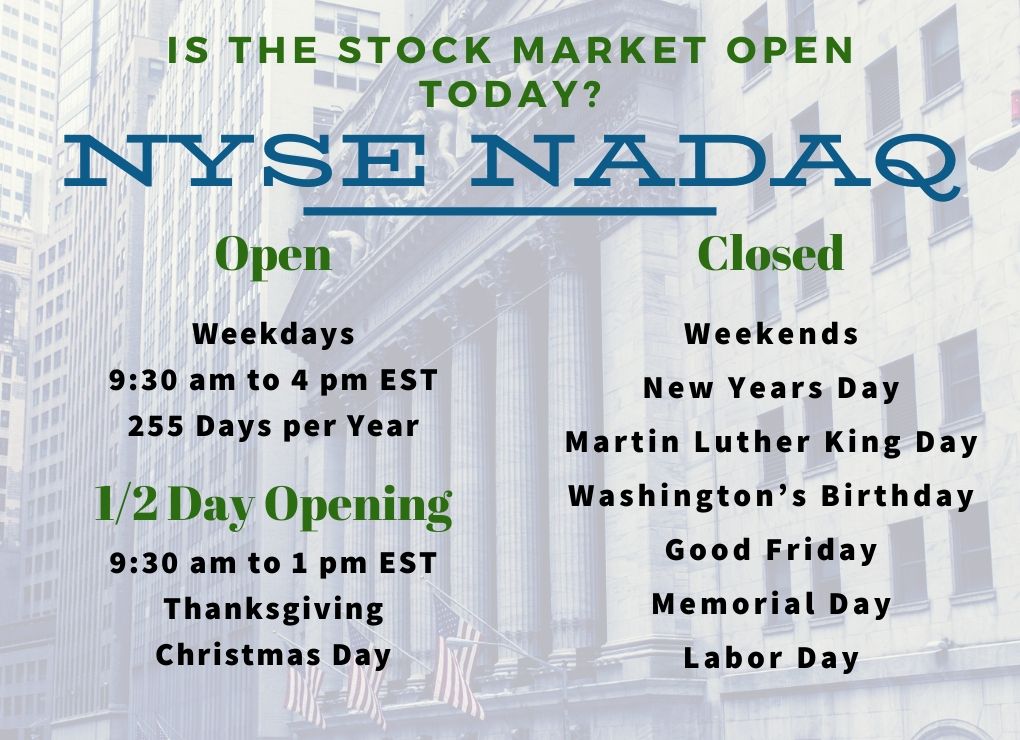
The standard trading day for the NYSE runs from 9:30 AM ET to 4:00 PM ET, Monday through Friday. This six-and-a-half-hour window is when listed securities experience their highest liquidity and most efficient price discovery. During these hours, a myriad of market participants—ranging from institutional investors and hedge funds to retail traders and algorithmic trading systems—interact to buy and sell stocks. The high volume and tight bid-ask spreads characteristic of regular hours make it the preferred time for executing large orders and for investors seeking the most accurate reflection of a security’s current market value. This standardized period ensures that all participants have access to the same market conditions, fostering fairness and transparency. The predictability of these hours also allows for global financial markets to synchronize their operations to some extent, with many international markets having their own defined operating periods that interact with the NYSE’s schedule.
The Rationale Behind Fixed Market Hours
The establishment of fixed market hours is not arbitrary; it serves several critical purposes in maintaining an orderly and equitable financial system. Firstly, defined hours provide a period of concentrated activity, which enhances liquidity. When trading is consolidated into specific windows, there’s a greater likelihood of buyers and sellers meeting, leading to more efficient price formation and narrower spreads. Secondly, fixed hours allow market participants a crucial “cooling-off” period. Outside of regular hours, traders and analysts can process the day’s events, conduct research, and strategize for the next session without the immediate pressure of real-time market movements. This reflective time is vital for informed decision-making and risk management. Thirdly, fixed hours help manage operational logistics, providing exchanges, brokerage firms, and clearinghouses with time to reconcile trades, process settlements, and perform necessary maintenance on their systems. Without these dedicated periods, the infrastructure supporting the markets would be under perpetual strain, potentially leading to errors and inefficiencies. Finally, it also provides a framework for regulators to oversee market activity, ensuring compliance and preventing manipulation within clearly defined periods.
Key Market Milestones: Opening and Closing Bells
The opening and closing bells of the NYSE are more than mere procedural signals; they are iconic milestones that symbolize the start and end of the trading day. The opening bell at 9:30 AM ET officially commences the regular session, often marked by a surge in trading activity as orders accumulated overnight are executed and market participants react to pre-market news. Volatility can be particularly high in the first few minutes, as the market digests new information and establishes initial price levels for the day. Conversely, the closing bell at 4:00 PM ET signifies the end of the official trading session. The final minutes leading up to the close, often referred to as “the close,” can also see heightened activity as traders try to fulfill orders, adjust positions, or engage in “window dressing”—a practice where institutional investors buy or sell securities to improve the appearance of their portfolio before reporting to clients. Both bells represent critical junctures for price discovery and liquidity, often attracting media attention and serving as a ceremonial reminder of the continuous rhythm of the financial world.
Beyond the Bell: Pre-Market, After-Hours, and Holiday Schedules
While the regular 9:30 AM to 4:00 PM ET session defines the core of NYSE trading, a significant amount of activity occurs outside these hours. Understanding these extended periods and specific market closures is essential for a comprehensive trading strategy.
Pre-Market Trading: Setting the Tone
Pre-market trading typically occurs between 4:00 AM ET and 9:30 AM ET. During this window, electronic communication networks (ECNs) facilitate trades before the official opening bell. This period is often characterized by lower liquidity compared to the regular session, which can lead to wider bid-ask spreads and increased price volatility. News releases, earnings reports, and economic data published before the market opens can have a dramatic impact on stock prices during pre-market trading, often setting the tone for the upcoming regular session. For active traders, pre-market can offer opportunities to react quickly to breaking news, but it also carries higher risks due to reduced liquidity and potentially less transparent price discovery. The prices established in pre-market can act as an early indicator of market sentiment, influencing how stocks open when the regular session begins.
After-Hours Trading: Extended Opportunities and Risks
Following the 4:00 PM ET closing bell, after-hours trading extends the opportunity to buy and sell stocks, typically from 4:00 PM ET to 8:00 PM ET. Similar to pre-market, this session is also conducted electronically via ECNs and is characterized by lower trading volumes and liquidity. After-hours trading often sees reactions to news that breaks after the market close, such as late-day earnings announcements or geopolitical developments. While it provides flexibility for investors who cannot trade during regular hours, the reduced liquidity means that larger orders can have a more significant impact on price, and executing trades at desired prices can be challenging. Spreads tend to be wider, and there’s a higher potential for price discrepancies compared to the regular session. Investors participating in after-hours trading must be acutely aware of these amplified risks.
Navigating Holiday Closures and Early Finishes
The NYSE observes a schedule of official holidays, during which the market remains entirely closed. These typically include New Year’s Day, Martin Luther King, Jr. Day, Washington’s Birthday (Presidents’ Day), Good Friday, Memorial Day, Juneteenth National Independence Day, Independence Day, Labor Day, Thanksgiving Day, and Christmas Day. It’s crucial for investors to consult the official NYSE holiday schedule well in advance, as these closures impact settlement cycles and overall market activity. Additionally, the NYSE occasionally has “early close” days, where trading concludes at 1:00 PM ET instead of 4:00 PM ET. These often occur on the day before or after major holidays, such as the day after Thanksgiving (Black Friday) or Christmas Eve. These early closes still have regular pre-market and after-hours sessions, but the shortened regular session requires careful planning for trade execution and risk management.
Understanding Market Interruptions: Circuit Breakers and Their Role
Beyond scheduled closures, the NYSE employs “circuit breakers” to temporarily halt trading during periods of extreme market volatility. These mechanisms are designed to prevent panic selling or buying and provide investors with a chance to reassess rapidly changing market conditions. Circuit breakers are triggered when the S&P 500 index declines by specific percentages relative to its previous day’s closing price. A Level 1 halt occurs at a 7% decline, leading to a 15-minute market-wide trading halt. A Level 2 halt is triggered by a 13% decline, also resulting in a 15-minute halt. A Level 3 halt at a 20% decline causes trading to cease for the remainder of the trading day. These halts are implemented across all U.S. exchanges to maintain market stability and prevent a cascade of irrational trading decisions during times of crisis. Knowing these potential interruptions is vital for understanding why a market might unexpectedly stop trading during its regular hours.
The Strategic Importance of Knowing Market Close Times
For every participant in the financial markets, from the novice investor to the seasoned institutional trader, a precise understanding of market close times is not merely administrative but deeply strategic. It influences decision-making, risk management, and overall investment performance.

Impact on Investor Decisions and Portfolio Management
The looming market close often acts as a critical deadline for investors. Decisions about buying, selling, or holding securities frequently consolidate towards the end of the trading day. Investors might choose to close out positions before 4:00 PM ET to avoid overnight risks associated with potential news announcements, geopolitical events, or unexpected economic data that could significantly impact stock prices before the next open. Conversely, some investors might strategically enter positions at the close, betting on a particular momentum or expecting positive news overnight. For long-term portfolio managers, the close is a moment to review daily performance, rebalance portfolios, or implement hedges. It dictates when portfolio valuations are finalized for reporting and when market data officially ends for the day, affecting performance metrics and compliance requirements. Missing the close can mean missing critical opportunities or being exposed to unnecessary risks.
Implications for Order Execution and Volatility
The end of the regular trading session can be a period of heightened volatility and unique dynamics for order execution. As the 4:00 PM ET deadline approaches, many market participants rush to execute their “market-on-close” (MOC) orders, which are instructions to buy or sell at the closing price. This influx of orders can lead to increased trading volume and rapid price movements in the final minutes. Bid-ask spreads, while generally tight during regular hours, can sometimes widen slightly at the very end as liquidity shifts. For traders using limit orders, understanding the close is crucial to ensure their orders are filled at desired prices or canceled before the market shuts, preventing unintended executions during less liquid after-hours sessions. Algorithms, particularly high-frequency trading programs, are often programmed to adjust their strategies specifically for the closing moments, trying to capitalize on these unique conditions or manage large institutional orders efficiently. Poorly timed orders or a lack of awareness of the closing dynamics can result in unfavorable execution prices or missed opportunities.
The Role of Technology in Modern Market Access
Modern financial technology plays a pivotal role in how investors interact with market close times. Online brokerage platforms provide real-time clocks, countdown timers, and alerts to inform users about the upcoming close. Advanced trading platforms offer tools for scheduling orders to execute precisely at the open, close, or within specific windows. Algorithmic trading systems are designed to manage positions and execute trades around these key timeframes automatically, often optimizing for volume and price efficiency in the last moments of trading. Furthermore, the accessibility of market data and news feeds means investors are constantly informed, allowing them to make quick decisions as the market approaches its close. While technology has democratized access and enhanced efficiency, it also places a greater onus on investors to understand its capabilities and limitations, especially concerning order types and execution during the often frenetic period around the closing bell.
Tools and Resources for Staying Informed on NYSE Hours
Staying current with NYSE trading hours, including regular sessions, holidays, and early closures, is a basic but essential responsibility for any investor. Fortunately, a variety of reliable tools and resources are readily available.
Official NYSE Channels and Reputable Financial News
The most authoritative source for NYSE operating hours is the official NYSE website itself. The exchange publishes a comprehensive calendar detailing all standard trading days, holiday closures, and early closing dates for the current and upcoming years. This is the primary reference point for any investor planning their trading schedule. Beyond the NYSE’s direct communication, reputable financial news outlets and data providers are invaluable. Major financial news organizations like Bloomberg, Reuters, The Wall Street Journal, CNBC, and other established financial media regularly report on market hours, especially any deviations from the standard schedule. They often provide real-time updates and notifications about market holidays or any unexpected interruptions. Subscribing to their newsletters or following their market updates can ensure you receive timely information directly to your inbox or trading screen. Always cross-reference information with official sources to prevent misinformation.
Brokerage Platforms and Their Real-time Data
Your personal brokerage platform is another critical tool for staying informed. Nearly all online brokers provide real-time market data, including the current time and often a countdown to the market close. Many platforms integrate holiday calendars directly into their interface, alerting you to upcoming market closures or shortened trading days. Some even offer customizable notifications that can ping you a certain amount of time before the market closes, helping you manage open positions or unexecuted orders. Furthermore, brokerage customer service lines are typically well-informed about market hours and can provide immediate clarification if you have any doubts. Relying on your broker’s integrated tools provides a seamless way to track market hours within your trading environment, minimizing the risk of missing critical deadlines or being caught off guard by a market closure.
Calendars and Alerts: Proactive Planning for Investors
Beyond official sources and brokerage platforms, proactive planning can be enhanced through the use of personal calendars and alert systems. Many digital calendar services (like Google Calendar, Outlook Calendar, Apple Calendar) allow you to subscribe to public holiday calendars that often include market closures. Setting personal reminders for the 9:30 AM open and 4:00 PM close, or for specific early closure dates, can be a simple yet effective way to maintain awareness. Dedicated financial apps and market data services also offer customizable alerts for market open/close times, news events, and other pertinent information. These tools can be configured to send notifications to your phone or computer, ensuring you are always informed regardless of where you are or what you’re doing. Developing a habit of regularly checking these resources, especially at the beginning of each trading week or month, is a prudent practice for any serious investor or trader.
The Future of Trading Hours: Debates and Possibilities
While the NYSE’s 9:30 AM to 4:00 PM ET schedule has been a constant for decades, the financial industry is in perpetual evolution, driven by technology and global market integration. Debates surrounding extended trading hours or even 24/7 trading periodically surface, presenting fascinating possibilities and complex challenges.
Arguments For and Against Extended Trading Hours
The arguments for extending regular trading hours often center on increased accessibility and global competitiveness. Proponents suggest that longer hours would allow investors in different time zones to participate more easily, reducing their reliance on less liquid pre-market or after-hours sessions. It could also provide more opportunities for investors to react to news and events in real-time, regardless of when they occur globally. Furthermore, with the rise of commission-free trading and the democratization of investing, some argue that 24/7 access would better serve a modern, digitally native investor base.
However, significant arguments against extending hours highlight the potential for market fragmentation, increased volatility, and investor burnout. Longer hours could dilute liquidity, making price discovery less efficient and increasing bid-ask spreads. It would also place immense strain on market professionals—traders, analysts, brokers, and back-office staff—who already face demanding schedules. The current “cooling-off” period after the market close is vital for research, strategy, and risk management; eliminating or significantly shortening this could lead to more impulsive decisions and less considered analysis. There are also logistical challenges related to clearing, settlement, and regulatory oversight in an always-on environment.
Global Market Integration and Its Influence
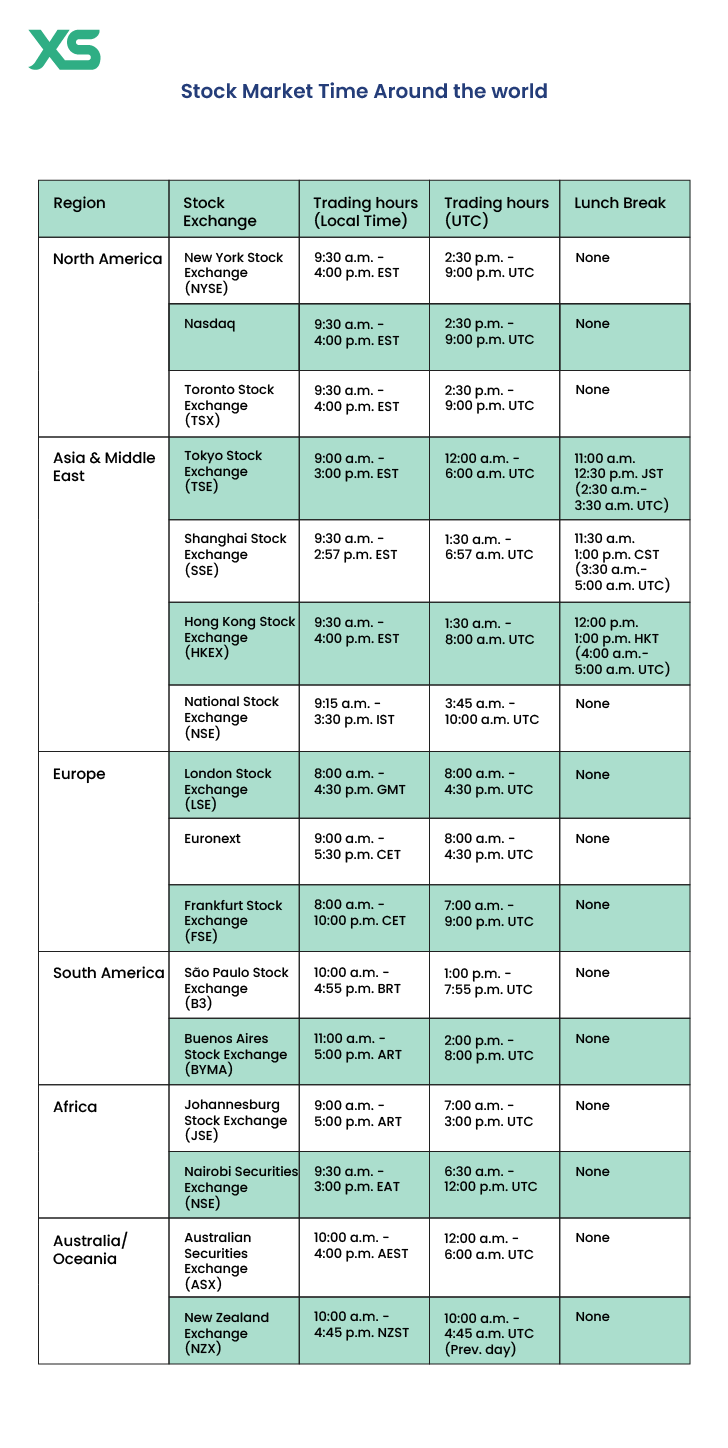
The interconnectedness of global financial markets is a powerful force influencing the debate on trading hours. Major stock exchanges worldwide operate on different schedules, creating a continuous flow of trading activity across time zones. When the NYSE is closed, markets in Asia or Europe might be open, reacting to global news and setting the stage for the next U.S. trading day. This constant interaction means that U.S. investors are already indirectly exposed to 24/7 global market movements, even if they can only directly trade NYSE-listed stocks during specific hours. The rise of global ETFs and ADRs (American Depositary Receipts) further blurs the lines, allowing investors to gain exposure to international companies during U.S. trading hours. As globalization continues, the pressure to align U.S. trading hours more closely with global schedules or to provide more robust cross-border trading mechanisms will likely intensify.
Technological Advancements and 24/7 Trading Potential
Technological advancements are undoubtedly the primary enabler for any future shift towards extended or continuous trading. Electronic trading platforms, high-speed data transmission, and sophisticated algorithms already facilitate efficient trading outside regular hours. The infrastructure exists for markets to operate around the clock, with human intervention largely relegated to oversight and strategy, while machines handle execution. The growth of cryptocurrency markets, which inherently operate 24/7, 365 days a year, provides a live case study of what continuous trading looks like. While traditional equity markets have different regulatory and operational complexities, the experience of crypto markets demonstrates that always-on trading is technically feasible. As AI and automation become more prevalent, the operational hurdles of extended hours for traditional markets could diminish. However, the decision to move to significantly longer or 24/7 trading for a major exchange like the NYSE will ultimately balance technological capability with market stability, investor protection, and the well-being of the human element within the financial ecosystem. It remains a complex issue with no easy answers, signaling that while the 4:00 PM ET close is standard today, the future of market hours may look very different.
In conclusion, knowing that the NYSE closes today at 4:00 PM ET is a foundational piece of information for market participants. However, a deeper understanding of the nuances of market hours—including pre-market and after-hours trading, holiday schedules, and the strategic implications of these timings—is what truly empowers informed decision-making in the dynamic world of finance. As technology progresses and global markets become ever more integrated, the traditional rhythm of the trading day may evolve, but the importance of being knowledgeable about market hours will remain paramount.
aViewFromTheCave is a participant in the Amazon Services LLC Associates Program, an affiliate advertising program designed to provide a means for sites to earn advertising fees by advertising and linking to Amazon.com. Amazon, the Amazon logo, AmazonSupply, and the AmazonSupply logo are trademarks of Amazon.com, Inc. or its affiliates. As an Amazon Associate we earn affiliate commissions from qualifying purchases.