
For the modern investor, understanding the clock is just as important as understanding the balance sheet. While the digital age has made it possible to place trades with a single tap on a smartphone at 2:00 AM, the actual execution of those trades depends on a complex web of global market hours. Knowing when the stock market opens and closes is not merely a matter of logistics; it is a fundamental component of a sophisticated investment strategy. Timing influences liquidity, volatility, and the price at which your orders are ultimately filled.
This guide explores the standard operating hours of the world’s major exchanges, the nuances of extended-hours trading, and how time zones affect the global flow of capital.
Understanding Standard Trading Hours in the United States
The heartbeat of global finance resides primarily in New York City. For the vast majority of retail investors in the U.S., the “trading day” refers to the core hours of the two largest exchanges in the world: the New York Stock Exchange (NYSE) and the NASDAQ.
The New York Stock Exchange (NYSE) and NASDAQ
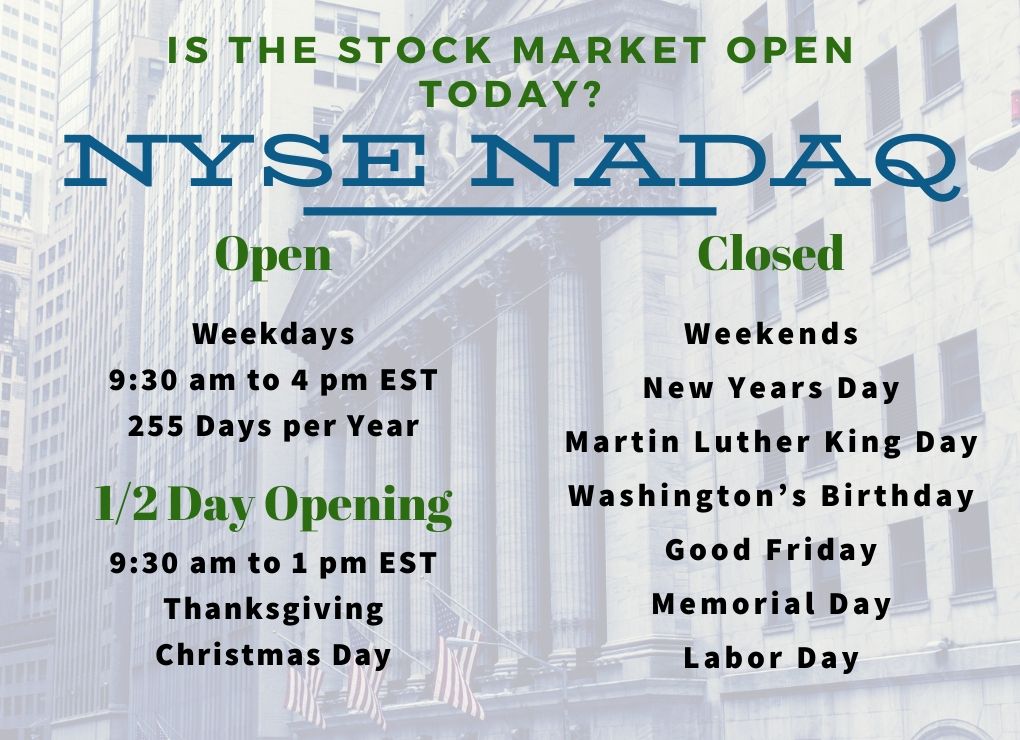
Both the NYSE and the NASDAQ operate on a standardized schedule. They are open from Monday through Friday, 9:30 AM to 4:00 PM Eastern Time (ET). Unlike some international markets that observe a midday break for lunch, U.S. markets trade continuously through the noon hour. This seven-and-a-half-hour window is when the highest volume of trading occurs, ensuring that bid-ask spreads are at their narrowest and liquidity is at its peak.
The “Opening Bell” at 9:30 AM is more than just a ceremony; it represents the moment when the “opening cross” occurs—a process where buy and sell orders accumulated overnight are paired to establish a fair starting price for the day. Similarly, the “Closing Bell” at 4:00 PM triggers the closing auction, which is often the period of highest volume as institutional fund managers rebalance their portfolios.
Pre-Market and After-Hours Trading Sessions
While the “core” session is the most famous, the digital nature of modern exchanges allows for extended-hours trading. This is facilitated through Electronic Communication Networks (ECNs).
- Pre-Market Trading: Usually begins as early as 4:00 AM ET and runs until the official open at 9:30 AM.
- After-Hours Trading: Begins at 4:00 PM ET and can run as late as 8:00 PM ET.
Investors often use these sessions to react to news that breaks outside of standard hours, such as corporate earnings reports or economic data releases from overseas. However, extended-hours trading comes with significant risks. Volume is much lower, meaning prices can be highly volatile, and the “spread” (the difference between what a buyer will pay and what a seller will accept) can be prohibitively wide.
Weekend Trading and Holiday Closures
The U.S. stock market is closed on Saturdays and Sundays. Additionally, the markets observe nine to ten federal holidays per year, including New Year’s Day, Martin Luther King Jr. Day, Presidents’ Day, Good Friday, Memorial Day, Juneteenth, Independence Day, Labor Day, Thanksgiving, and Christmas. On some occasions, such as the day after Thanksgiving or Christmas Eve, the market may participate in an “early close,” shutting down at 1:00 PM ET.
Global Market Hours: A World of Opportunity
In an increasingly interconnected economy, a “Money” focused strategy often requires looking beyond domestic borders. Because the sun never sets on the global economy, there is almost always a major exchange open somewhere in the world.
Major European Exchanges (LSE, Euronext)
As the U.S. markets are waking up, European markets are often heading into their afternoon sessions.
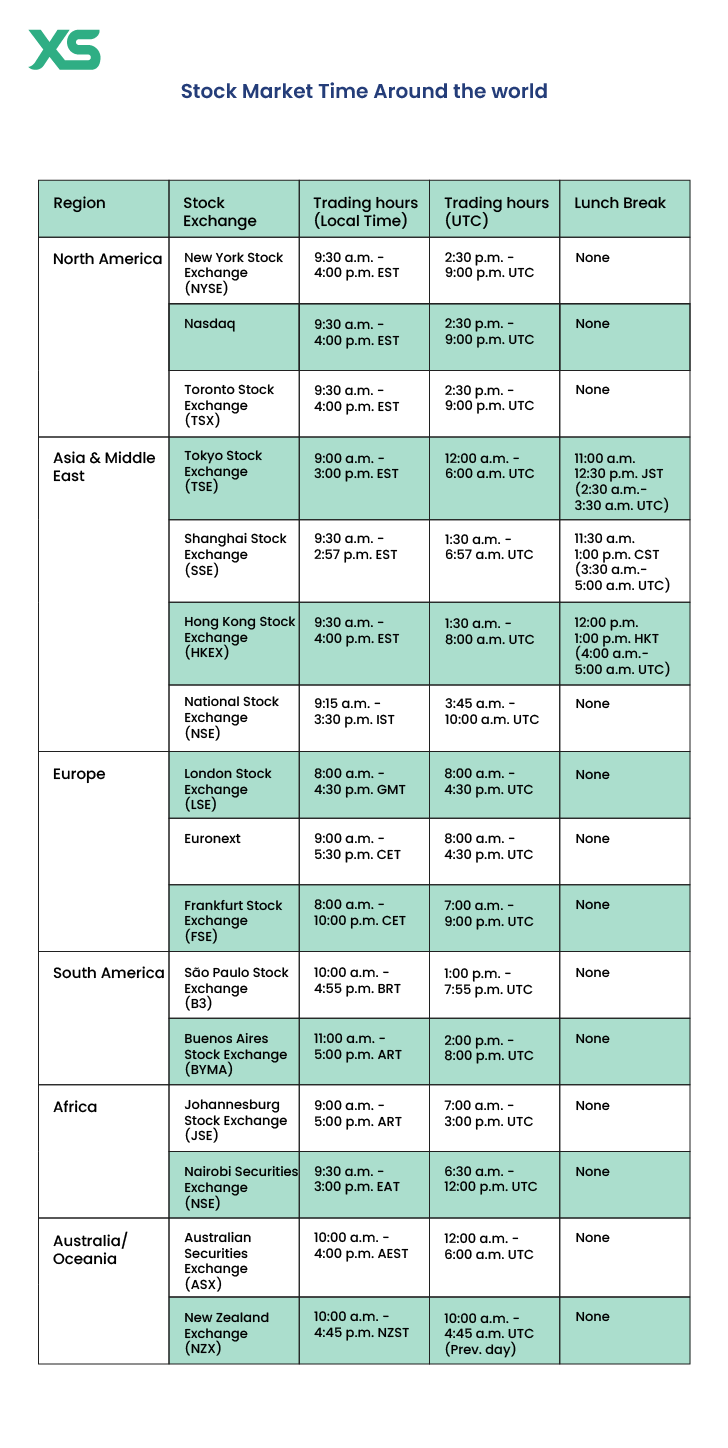
- London Stock Exchange (LSE): Operates from 8:00 AM to 4:30 PM local time (GMT).
- Euronext (Paris, Amsterdam, Brussels): Generally operates from 9:00 AM to 5:30 PM Central European Time (CET).
European markets are unique because they overlap with the U.S. morning session. Between 9:30 AM and 11:30 AM ET, both New York and London are active. This “overlap” period is often characterized by intense liquidity and significant price movement, as traders on both sides of the Atlantic react to shared economic trends.
Asian and Pacific Markets (Tokyo, Hong Kong, Sydney)
The Asian trading session begins the global “day.”
- Tokyo Stock Exchange (TSE): Trades from 9:00 AM to 3:00 PM local time, notably including a lunch break from 11:30 AM to 12:30 PM.
- Hong Kong Stock Exchange (HKEX): Trades from 9:30 AM to 4:00 PM local time, with a lunch break between 12:00 PM and 1:00 PM.
- Shanghai Stock Exchange (SSE): Follows a similar schedule with a mandatory midday break.
These markets are crucial for investors interested in tech manufacturing, global logistics, and the burgeoning consumer classes of the East. Because of the radical time difference, U.S.-based investors often wake up to see how the Asian session has performed, using it as a “lead-in” indicator for how the U.S. markets might open.
Managing Time Zones for Global Portfolios
For a professional investor, the challenge lies in synchronization. If you are a New York-based investor trading a stock listed in Tokyo, you are essentially operating on a nocturnal schedule. Most modern brokerage platforms now offer “Global Accounts” that automatically convert currency and provide real-time data for these international windows, but the physical reality of time zones remains a barrier to active intra-day global trading.
Why Market Timing Matters for Your Investment Strategy
Understanding when the market is open is not just about knowing when you can trade, but when you should trade. The characteristics of the market change drastically depending on the time of day.
The “Opening Bell” Volatility
The first 30 to 60 minutes of the trading day (9:30 AM – 10:30 AM ET) are notoriously volatile. This period is when the market “prices in” all the news, rumors, and international developments that occurred overnight. Day traders often thrive in this environment, but for the long-term personal finance investor, the opening hour can be a trap. Prices can swing wildly before finding a stable direction, leading to “slippage”—where you end up buying at a much higher price than you intended.
Lunchtime Lulls and Afternoon Rallies
From roughly 12:00 PM to 2:00 PM ET, volume typically thins out as floor traders and institutional desks take lunch. During this “midday lull,” price movements are often less meaningful because they lack the high volume required to sustain a trend. However, as the clock approaches 3:00 PM ET, the “Power Hour” begins. Institutional investors often wait until the final hour of the day to execute large positions to ensure they get a price close to the day’s official closing mark.
The Impact of After-Hours News Cycles
In the “Money” niche, we often discuss the “Earnings Season.” Public companies almost never release their financial results during market hours to prevent chaotic price swings while people are actively trading. Instead, they release “Before the Bell” or “After the Bell.” If a major tech giant releases disappointing earnings at 4:05 PM, the stock may plummet in the after-hours market. If you only trade during standard hours, you may find yourself unable to exit a position until the next morning, by which time the stock may have already gapped down significantly.
Specialized Assets and 24/7 Markets
While the traditional stock market follows a strict Monday-Friday, 9:30-4:00 schedule, the broader world of finance is moving toward a 24/7 model.
Cryptocurrency: The Market That Never Sleeps
Unlike stocks, Bitcoin, Ethereum, and other digital assets trade on decentralized exchanges that never close. They trade 24 hours a day, 365 days a year. This creates a unique psychological challenge for investors used to the “closure” of the weekend. In the crypto world, a market crash can happen at 3:00 AM on a Sunday morning. For investors diversifying into this space, understanding the lack of an “opening” or “closing” bell is vital for risk management.
Forex and the 24/5 Trading Cycle
The Foreign Exchange (Forex) market—where currencies are traded—operates 24 hours a day, five days a week. It follows the sun, starting in Sydney and Tokyo, moving to London, and ending in New York. While it closes on weekends, the continuous weekday cycle makes it the most liquid market in the world. It is the backbone of international business finance, ensuring that a corporation can hedge its currency risk at any hour of the working week.
Commodities and Futures Markets
Gold, oil, and agricultural futures also trade on extended schedules. The CME Group (Chicago Mercantile Exchange), for instance, allows trading for nearly 24 hours a day during the week, with a brief break in the evening. This is essential for global industries that need to price raw materials in real-time regardless of the time in Chicago or New York.
Best Practices for Navigating Market Hours
To manage your personal finances and investments effectively, you must adapt your behavior to the clock.
Setting Limit Orders for Off-Hour Execution
If you cannot be at your computer at 9:30 AM, you should use “Limit Orders” rather than “Market Orders.” A limit order allows you to set a specific price at which you are willing to buy or sell. This protects you from the extreme volatility of the opening cross or the low liquidity of the after-hours market.
Risk Management During Low Liquidity
The “Money” rule of thumb is to avoid trading in the after-hours or pre-market sessions unless absolutely necessary. Because there are fewer participants, a relatively small sell order can cause a disproportionately large drop in price. Professional investors realize that the “real” price of a stock is usually determined during the high-volume core session.
Long-term Investing vs. Day Trading Schedules
Your relationship with the market clock depends on your goals.
- Day Traders: Must be present for the opening and closing hours where volatility is highest.
- Swing Traders: Focus on the closing prices to determine trends over days or weeks.
- Long-term Investors: Can largely ignore the intraday clock. For someone building a retirement portfolio through index funds, the exact minute of execution is less important than the consistency of their contributions.
In conclusion, the question of when the stock market opens and closes is the starting point for understanding how the global financial machine operates. By respecting these boundaries—and knowing when to step outside them—you can better protect your capital and capitalize on the unique opportunities presented by each trading session.
aViewFromTheCave is a participant in the Amazon Services LLC Associates Program, an affiliate advertising program designed to provide a means for sites to earn advertising fees by advertising and linking to Amazon.com. Amazon, the Amazon logo, AmazonSupply, and the AmazonSupply logo are trademarks of Amazon.com, Inc. or its affiliates. As an Amazon Associate we earn affiliate commissions from qualifying purchases.