
The digital revolution has fundamentally transformed the landscape of personal finance, and perhaps no platform epitomizes this shift more than Robinhood. By stripping away commission fees and simplifying the user interface, Robinhood has democratized access to the stock market for millions of retail investors. However, while the “buy” button is often the first stop for new investors, the “sell” button is arguably more critical for long-term wealth management. Knowing how to sell on Robinhood—and more importantly, understanding the strategic financial implications of doing so—is a cornerstone of successful investing.
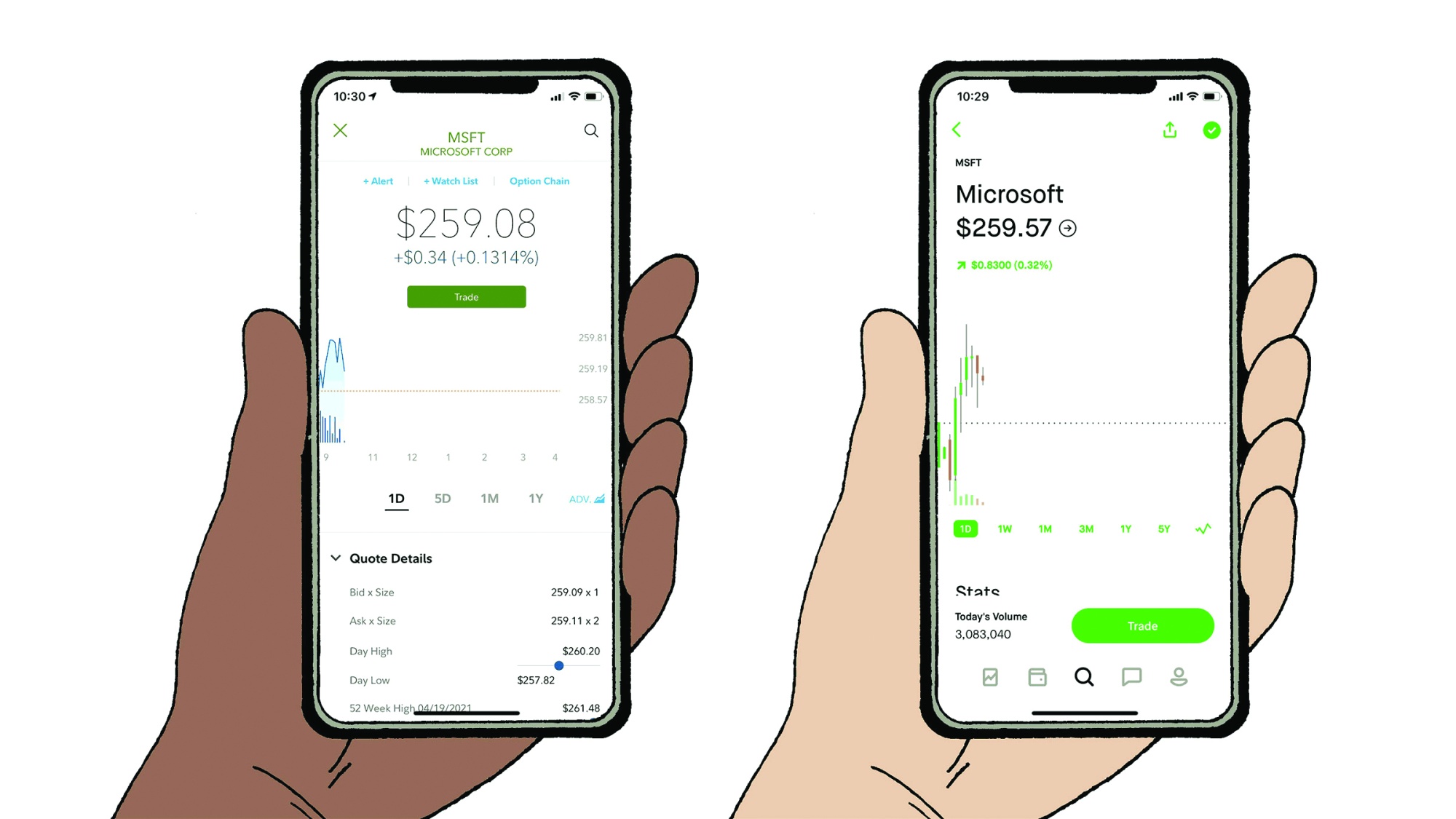
Selling an asset is not merely an exit strategy; it is a tool for rebalancing, profit-taking, and risk management. This guide explores the mechanics of selling on the platform, the various order types available to protect your capital, and the broader financial considerations that should inform every transaction.
The Mechanics of Selling: Navigating the Robinhood Interface
For many users, Robinhood’s primary appeal is its streamlined, intuitive design. Whether you are using the mobile app or the web platform, the process of liquidating a position is designed to be frictionless. However, behind the simple interface lies a series of choices that can impact the final price you receive for your shares.
Executing a Standard Sell Order
To begin a sale, you navigate to the specific stock, ETF, or cryptocurrency within your portfolio. Once on the asset’s page, the “Sell” button is prominently displayed. Robinhood allows you to sell in two distinct ways: by “Shares” or by “Dollars.”
Selling by shares is the traditional method; you specify exactly how many units of the asset you wish to divest. Selling by dollars utilizes Robinhood’s fractional share functionality, allowing you to liquidate a specific cash value (e.g., $500 worth of Apple stock) regardless of whether that amount equates to a whole number of shares. This is particularly useful for investors looking to extract a specific amount of cash for personal use or to diversify into a new asset.
Navigating the App vs. Web Platform
While the functionality is identical, the user experience differs slightly between devices. The mobile app focuses on speed and accessibility, often defaulting to “Market Orders” (which we will discuss below). The web platform, conversely, offers a more expanded view of your portfolio’s performance and historical data, which can be beneficial when making high-stakes selling decisions. Regardless of the medium, the final step involves a “swipe up” or a “review” click, which sends your order to the market for execution.
Fractional Shares and Liquidity
One of the most innovative features of Robinhood is the ability to sell fractional shares. In the past, if you owned 1.5 shares of an expensive stock, you might have struggled to sell just the 0.5 portion. Robinhood aggregates these trades, providing liquidity for even the smallest positions. When you sell a fractional share, the transaction usually occurs at the prevailing market price at the time of execution, ensuring that retail investors have the same exit flexibility as institutional players.
Strategic Order Types: Protecting Your Capital
A common mistake made by novice investors is relying solely on “Market Orders.” In the world of finance, the price you see on your screen is not always the price you get. To master selling on Robinhood, one must understand the various order types that provide control over execution prices and timing.
Market Orders vs. Limit Orders
A Market Order instructs Robinhood to sell your shares immediately at the best available current price. In a stable market, this is fine. However, during periods of high volatility, the price can drop significantly between the moment you hit “sell” and the moment the trade is executed.
A Limit Order, by contrast, allows you to set a minimum price at which you are willing to sell. If you set a limit order for $150, your shares will only be sold if the market price is $150 or higher. This protects you from “slippage”—the difference between the expected price and the actual price—and is an essential tool for disciplined financial management.
Stop-Loss and Stop-Limit Orders
Risk management is the hallmark of a sophisticated investor. Stop-Loss Orders act as an automated safety net. You set a “stop price” below the current market value; if the stock hits that price, a market order is triggered to sell your position. This is designed to prevent a bad day in the market from turning into a catastrophic loss for your portfolio.
For even more control, a Stop-Limit Order combines these features. Once the stop price is reached, it triggers a limit order rather than a market order. This ensures that you don’t sell your shares for less than a secondary “limit” price you’ve specified, though it carries the risk that your order may not be filled if the price drops too rapidly.
Trailing Stop Orders
The Trailing Stop Order is one of the most powerful tools for “locking in” profits while still allowing for potential upside. Instead of a fixed dollar amount, you set a percentage or dollar amount that “trails” the stock’s highest price. If the stock rises, the trigger price rises with it. If the stock falls by the specified percentage from its peak, the sell order is triggered. This allows investors to participate in a rally while automatically exiting if the trend reverses.
Financial Considerations: When and Why to Sell
In the niche of personal finance, the “how” of selling is often less important than the “why.” Selling an investment should never be a reactive emotional response to market headlines. Instead, it should be a calculated move within a broader financial strategy.
Rebalancing Your Portfolio
Over time, certain assets in your portfolio may outperform others, leading to an imbalance. For example, if you intended to have a 50/50 split between stocks and bonds, a bull market might push your stock weight to 70%. Selling a portion of your winning stocks on Robinhood to buy more bonds—a process known as rebalancing—ensures that your risk profile remains aligned with your long-term goals.
Locking in Profits and “House Money”
There is an old adage in investing: “You never go broke taking a profit.” If an investment has reached your predetermined price target, selling a portion of the position allows you to recoup your initial investment. This leaves you playing with “house money,” where your remaining shares represent pure profit. This strategy reduces psychological stress and protects your principal capital.
Tax Implications: Capital Gains and Losses
Every time you sell an asset on Robinhood for a profit, you trigger a taxable event. Understanding the difference between Short-Term Capital Gains (assets held for one year or less) and Long-Term Capital Gains (assets held for more than a year) is vital. Short-term gains are typically taxed at your ordinary income tax rate, which can be significantly higher than the long-term capital gains rate.
Conversely, selling at a loss can be strategically beneficial through a process called Tax-Loss Harvesting. You can use capital losses to offset capital gains, potentially reducing your overall tax liability. Robinhood provides 1099-B forms annually to help users report these transactions to the IRS, but the strategic selling should happen long before tax season arrives.
Post-Sale Management: Settlement and Withdrawals
Once the “Sell” order is executed, the process is not quite finished. Managing the resulting cash is the final step in the lifecycle of a Robinhood transaction.
Understanding the T+1 Settlement Cycle
In the United States, stock market transactions follow a settlement cycle known as T+1 (Trade date plus one business day). When you sell a stock on Monday, the cash technically does not “settle” until Tuesday. While Robinhood often allows you to use those “unsettled funds” to purchase other stocks immediately (if you have a Robinhood Gold or Instant account), you cannot withdraw that cash to your bank account until the settlement period is complete.
Moving Funds to Your Bank Account
To move your money from Robinhood to your traditional bank, you navigate to the “Transfers” section. It is important to note that Robinhood has anti-money laundering (AML) safeguards in place. For instance, if you recently deposited money, there may be a holding period before you can withdraw it, even if you sold the assets you bought with it. Typically, once funds are settled, a standard ACH transfer to your bank takes 1–3 business days.
Reinvesting vs. Cash Management
For many, the goal of selling is not to leave the market but to pivot. Robinhood offers a “Cash Management” feature (or Robinhood Spending) where uninvested brokerage cash can earn interest. Before withdrawing your funds, consider whether the cash would serve you better in a high-yield environment within the platform or if it should be immediately redeployed into a different asset class to maintain market exposure.

Conclusion: The Disciplined Seller
Selling on Robinhood is a deceptive process; while the interface makes it as easy as ordering a pizza, the financial consequences are profound. A successful investor views selling as a proactive choice rather than a reactive necessity. By mastering the various order types—from simple limit orders to complex trailing stops—investors can protect their portfolios from the inherent volatility of the markets.
Furthermore, by integrating tax awareness and rebalancing strategies into their selling habits, Robinhood users can transition from mere “traders” to sophisticated “wealth managers.” The ability to liquidate a position with precision and purpose is what ultimately separates those who gamble on price movements from those who build sustainable, long-term financial freedom. Whether you are selling to fund a down payment on a home, to pivot into a new emerging sector, or simply to preserve capital during a downturn, doing so with a clear understanding of the platform’s tools is your greatest advantage.
aViewFromTheCave is a participant in the Amazon Services LLC Associates Program, an affiliate advertising program designed to provide a means for sites to earn advertising fees by advertising and linking to Amazon.com. Amazon, the Amazon logo, AmazonSupply, and the AmazonSupply logo are trademarks of Amazon.com, Inc. or its affiliates. As an Amazon Associate we earn affiliate commissions from qualifying purchases.