
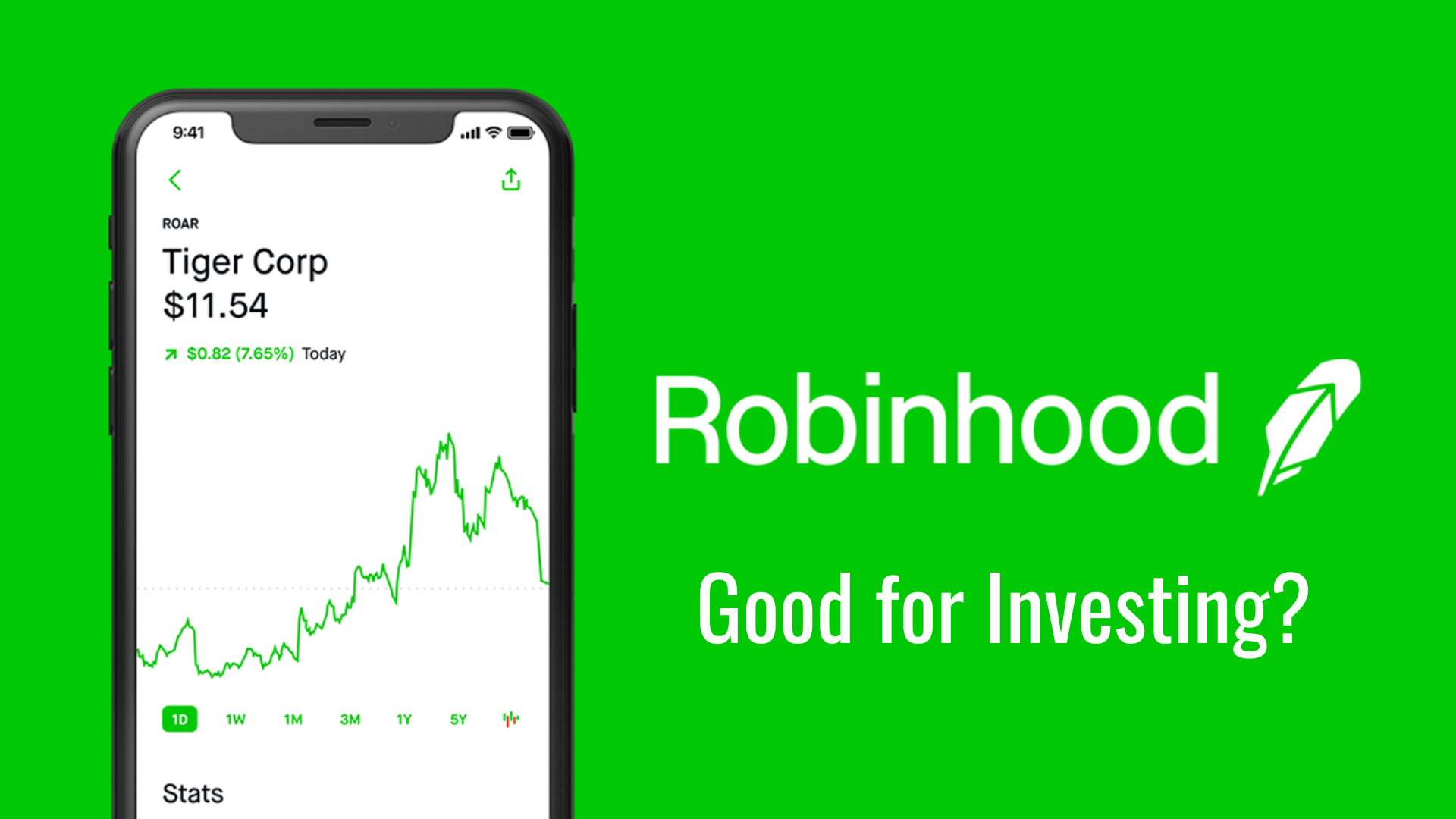
The landscape of personal finance has undergone a seismic shift over the last decade. For years, the world of the stock market was guarded by high commissions, complex jargon, and a requirement for significant starting capital. The emergence of the Robinhood app fundamentally altered this dynamic, serving as a catalyst for the “retail revolution” in investing. At its core, Robinhood is a financial services platform that allows individuals to trade stocks, ETFs, options, and cryptocurrencies without paying traditional brokerage commissions.
By prioritizing accessibility and simplicity, Robinhood has attracted millions of first-time investors. However, understanding what the app is requires more than just knowing its name; it requires an exploration of its financial mechanisms, the assets it supports, and the strategic role it plays in a modern investor’s portfolio.

The Evolution of Personal Finance: How Robinhood Changed the Game
To understand Robinhood, one must first understand the environment that preceded it. Before 2013, the average retail investor faced a “pay-to-play” model. Every time an investor wanted to buy or sell a stock, they were charged a fee—often ranging from $5 to $30. For someone with only $100 to invest, these fees represented a massive immediate loss on their investment.
Breaking the Barrier to Entry
Robinhood’s primary contribution to the “Money” niche was the total elimination of these barriers. By offering $0 commission trades, the app made it mathematically feasible for someone to invest even a single dollar. This was further bolstered by the introduction of fractional shares, allowing users to buy a portion of expensive stocks like Berkshire Hathaway or Amazon rather than needing thousands of dollars for a single share. This shift moved the focus of investing from “how much do I need to start” to “when should I start.”
The Concept of Commission-Free Trading
While Robinhood was the pioneer, commission-free trading has now become an industry standard. However, the app remains a dominant force because of its “mobile-first” philosophy. In the realm of personal finance, the ability to manage a portfolio from a smartphone has turned investing into a daily habit rather than a quarterly chore. This accessibility has democratized wealth-building tools that were once reserved for high-net-worth individuals, though it also places a greater responsibility on the user to manage their financial risks.
Core Financial Features: Assets You Can Trade
Robinhood functions as a comprehensive brokerage, but its streamlined interface belies a sophisticated array of financial instruments. For an investor looking to build a diversified portfolio, understanding these asset classes is essential.
Stocks and ETFs: The Foundation of Your Portfolio
The bread and butter of the Robinhood experience are stocks and Exchange-Traded Funds (ETFs). Stocks represent ownership in individual companies, while ETFs are “baskets” of securities that allow for instant diversification. For long-term wealth accumulation, Robinhood allows users to set up recurring investments, a disciplined financial strategy that utilizes dollar-cost averaging to mitigate the impact of market volatility.
Options Trading for Advanced Strategies
Beyond simple buying and selling, Robinhood provides access to the options market. Options are financial derivatives that give investors the right, but not the obligation, to buy or sell an asset at a specific price. In the context of a sophisticated financial plan, options can be used for hedging (protecting a portfolio from downside) or generating income (through covered calls). However, the app’s ease of use in this area has been a point of discussion in financial circles, as options carry a significantly higher risk profile than traditional equities.
The Rise of Cryptocurrency Integration
In recent years, Robinhood has expanded its reach into the digital asset space. Users can trade popular cryptocurrencies like Bitcoin, Ethereum, and Dogecoin. Unlike many dedicated crypto exchanges that charge high spread fees or transaction costs, Robinhood applies its commission-free model here as well. For the modern investor, having crypto assets alongside a traditional stock portfolio allows for a consolidated view of one’s total net worth.
Maximizing Your Capital: Key Financial Tools and Services

Robinhood has evolved from a simple trading tool into a broader financial ecosystem. To compete with traditional banks and high-end brokerage firms, the platform has introduced several services designed to help users maximize their capital.
Robinhood Gold and Margin Investing
For a monthly subscription fee, users can upgrade to “Robinhood Gold.” From a financial perspective, this offers two major benefits: higher interest rates on uninvested cash and access to margin investing. Margin allows an investor to borrow money from the broker to purchase securities, using their existing portfolio as collateral. While margin can amplify gains, it also amplifies losses, making it a tool that requires a high level of financial literacy and risk tolerance.
Cash Management and High-Yield Savings
One of the most effective ways Robinhood integrates into a user’s daily financial life is through its cash management features. The platform often offers competitive Annual Percentage Yields (APY) on uninvested cash, rivaling many high-yield savings accounts. By keeping “dry powder” (cash ready for investing) in an account that earns interest, investors ensure that their money is working for them even when they aren’t actively making trades.
Retirement Accounts: The Robinhood IRA
Recognizing the importance of long-term planning, Robinhood introduced Individual Retirement Accounts (IRAs). To incentivize saving, they offered a unique “IRA Match,” where the company contributes an additional percentage to the user’s retirement account. In the world of personal finance, this is a rare “free lunch” that can significantly boost the compounding effect over several decades.
Understanding the Economics: How Robinhood Makes Money
A common question in the “Money” niche is: “If I’m not paying for the service, how does the company stay in business?” Understanding Robinhood’s revenue model is crucial for any investor concerned with the transparency of their financial partners.
Payment for Order Flow (PFOF)
The primary revenue driver for Robinhood is a practice known as Payment for Order Flow. When a user places a trade, Robinhood sends that order to market makers who execute the trade. These market makers pay Robinhood a small fee for the privilege of routing the trade through them. While this allows the app to remain free for the user, critics argue it can lead to a conflict of interest regarding execution quality. However, for the average retail investor, the savings from zero commissions usually outweigh the fractional differences in execution price.
Subscription Models and Net Interest Margin
Beyond PFOF, Robinhood generates income through the aforementioned Robinhood Gold subscriptions. They also earn “net interest margin”—the difference between the interest they earn on users’ uninvested cash and the interest they pay out to the users. This is a standard practice in the banking industry and contributes to the platform’s financial stability.
Navigating Risks and Building a Sustainable Investment Strategy
While Robinhood provides the tools for financial growth, the responsibility of strategy lies with the individual. The app’s user-friendly design can sometimes lead to impulsive financial decisions, making it vital to adhere to sound investment principles.
Managing Volatility in a Commission-Free Environment
The lack of transaction costs makes it tempting to trade frequently. However, frequent trading often leads to lower returns due to market timing errors and short-term capital gains taxes. A successful Robinhood user views the app as a gateway to long-term wealth rather than a tool for daily speculation. Understanding the tax implications of “Money” management—specifically the difference between short-term and long-term capital gains—is essential for keeping more of what you earn.
The Importance of Diversification and Long-Term Thinking
The most successful investors on the platform are those who use its features to build a balanced portfolio. By utilizing ETFs to cover broad market sectors and using the IRA features for tax-advantaged growth, users can leverage Robinhood to achieve significant financial milestones. The “what” of Robinhood is an app, but the “how” is a disciplined approach to asset allocation, risk management, and consistent contribution.
In conclusion, Robinhood is more than just a software application; it is a powerful financial instrument that has lowered the gates to the global markets. Whether through fractional shares, commission-free crypto, or matched retirement contributions, it provides the technical infrastructure for wealth creation. However, as with any financial tool, its value is ultimately determined by the wisdom and strategy of the person holding it. For those who approach it with a focus on education and long-term goals, Robinhood serves as a vital component of a modern financial life.
aViewFromTheCave is a participant in the Amazon Services LLC Associates Program, an affiliate advertising program designed to provide a means for sites to earn advertising fees by advertising and linking to Amazon.com. Amazon, the Amazon logo, AmazonSupply, and the AmazonSupply logo are trademarks of Amazon.com, Inc. or its affiliates. As an Amazon Associate we earn affiliate commissions from qualifying purchases.