
Choosing the right car insurance is one of the most significant recurring financial decisions a driver can make. While many view insurance simply as a legal requirement or a monthly bill to be minimized, it is, in reality, a critical component of a robust personal finance strategy. The “better” insurance policy is not necessarily the cheapest one; rather, it is the one that provides the optimal balance of asset protection, risk management, and cost-efficiency.
In the realm of personal finance, car insurance serves as a hedge against catastrophic loss. A single accident can result in tens of thousands of dollars in property damage and hundreds of thousands in medical liabilities. Without the right coverage, these costs can derail your long-term investment goals, deplete your emergency fund, and even lead to bankruptcy. This guide explores how to evaluate car insurance providers through a financial lens to determine which is truly better for your specific economic profile.
1. Defining “Better” Through Policy Structures and Risk Management
To determine which car insurance is superior, one must first understand the financial mechanisms of different policy types. A policy is a contract of risk transfer, and the quality of that transfer depends on the limits and types of coverage you select.
Liability vs. Full Coverage: A Financial Risk Assessment
Liability insurance is the baseline requirement in most jurisdictions, covering damages you cause to others. From a strictly minimalist financial perspective, it is the cheapest way to stay legal. However, for anyone with significant personal assets, “better” insurance means carrying higher liability limits (such as 100/300/100) to protect your net worth from lawsuits.
“Full coverage,” which typically includes collision and comprehensive insurance, protects your own vehicle. If you drive a car with a high market value, full coverage is objectively better because it preserves the value of your asset. Conversely, if you drive an older vehicle with a low resale value, the premiums for full coverage might exceed the potential payout, making liability-only the smarter financial move.
The Role of Gap Insurance in Asset Protection
For those who finance or lease their vehicles, gap insurance is an essential consideration. Because vehicles depreciate the moment they leave the lot, you may find yourself in an “underwater” loan where you owe more than the car is worth. If the car is totaled, standard insurance only pays the actual cash value. Gap insurance covers the “gap” between the insurance payout and your loan balance. In this context, a provider that offers affordable, integrated gap insurance is financially superior for new car owners.
Uninsured and Underinsured Motorist Coverage
From a wealth preservation standpoint, Uninsured Motorist (UM) coverage is one of the most undervalued components of a policy. Despite legal requirements, a significant percentage of drivers remain uninsured. If such a driver hits you, your own insurance must step in to cover your medical bills and lost wages. A “better” policy is one that includes robust UM/UIM limits, ensuring that your financial stability isn’t dependent on the responsibility of a stranger.
2. Evaluating the Market Leaders: Financial Strength and Claims Integrity
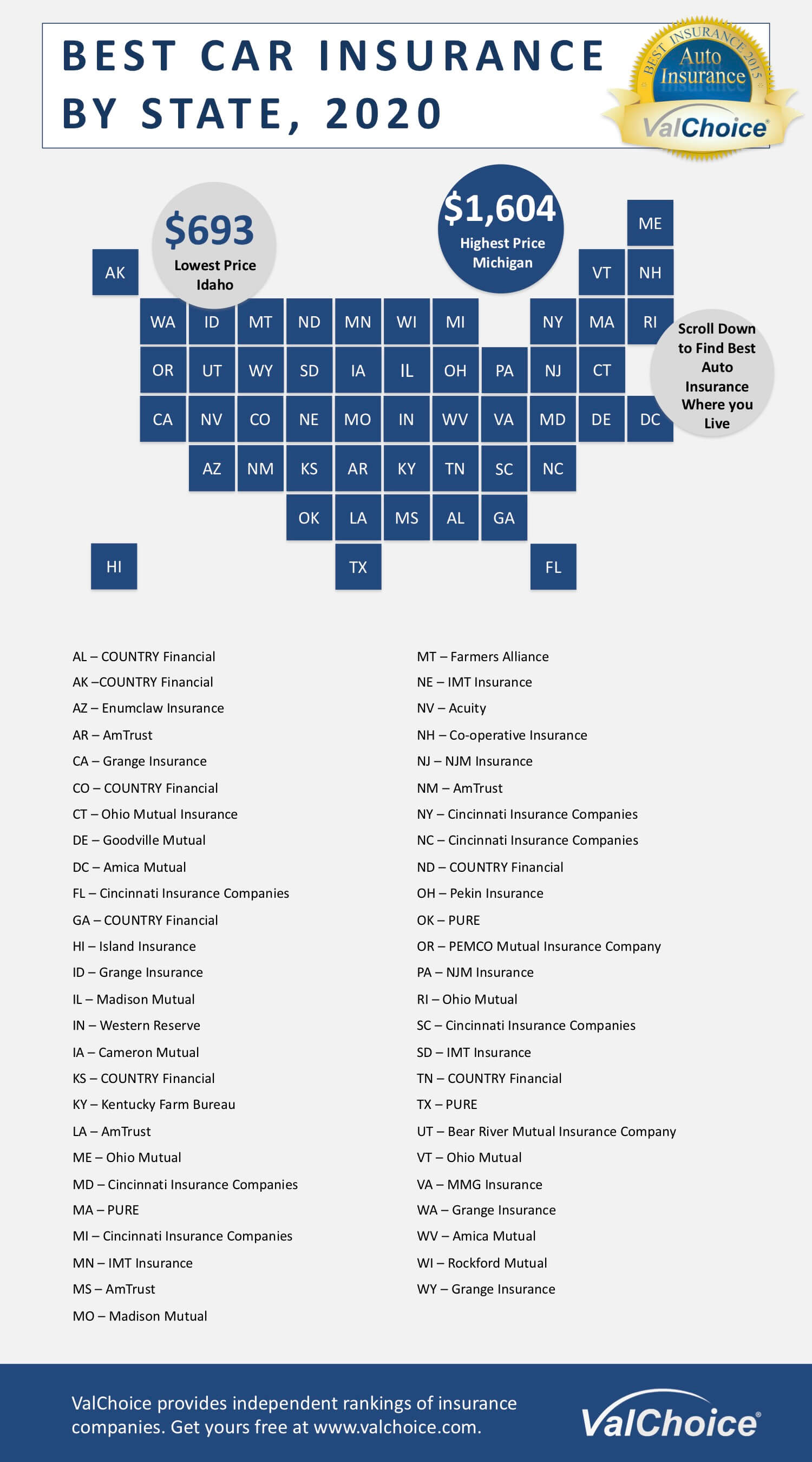
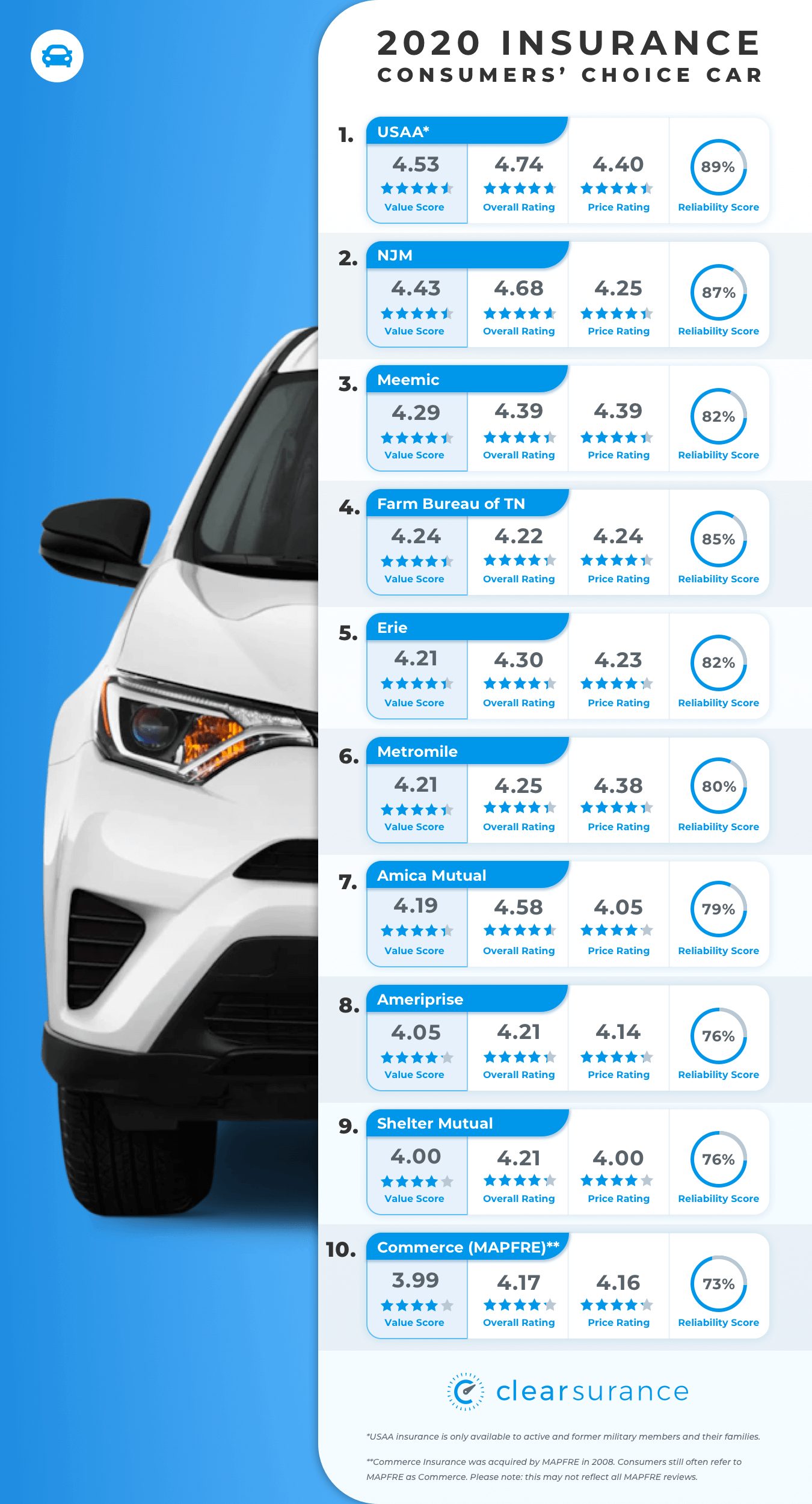
When comparing brands like Geico, Progressive, State Farm, and Allstate, the “better” choice often boils down to the company’s ability to pay claims and their historical reliability. In finance, we look at the solvency and reputation of the institution.
Financial Strength Ratings (AM Best and Moody’s)
Before signing a policy, a savvy consumer should check the provider’s financial strength rating. Organizations like AM Best assign letter grades (e.g., A++, A-) to insurance companies based on their ability to meet their ongoing insurance obligations. A company with a lower premium but a “B” rating is a riskier financial partner than a slightly more expensive company with an “A++” rating. If a major natural disaster occurs, you want a provider with the liquidity to process thousands of claims simultaneously.
The Efficiency of the Claims Process
The true value of insurance is only realized during a claim. A policy is a “dead” asset until an accident occurs, at which point it becomes a service. Companies that utilize advanced AI for photo-based appraisals or offer seamless digital claim tracking provide a better “user experience” that saves you time—and in the business world, time is money. Reviewing J.D. Power satisfaction surveys can provide empirical data on which companies actually deliver when their policyholders are in distress.
Direct-to-Consumer vs. Agency Models
There is a fundamental financial divide between direct-to-consumer insurers (like Geico or Progressive) and agency-based insurers (like State Farm or Allstate). Direct models often offer lower premiums because they have less overhead. However, agency models provide a dedicated agent who can act as a financial advisor, helping you navigate complex claims or bundle policies for maximum savings. For a complex financial portfolio, the personalized advice of an agent may be “better” than a $10 monthly saving.
3. The Mathematics of Premiums and Deductibles
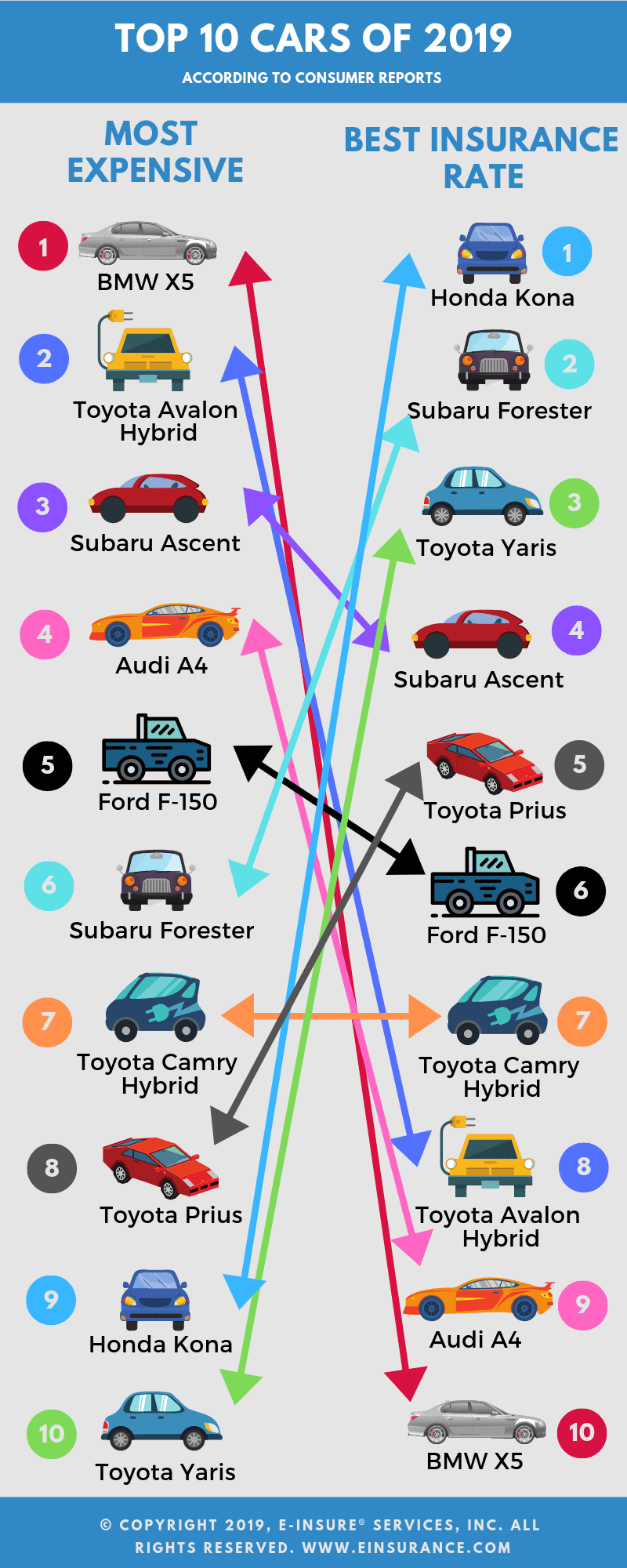
The most direct way to determine which insurance is better is to perform a cost-benefit analysis on your premium and deductible structure. This is where personal finance strategy meets actuarial science.
Calculating the Optimal Deductible
A deductible is the amount you pay out of pocket before insurance kicks in. Increasing your deductible from $500 to $1,000 can significantly lower your annual premium. To determine if this is a “better” move, calculate the “break-even point.” If raising your deductible saves you $200 a year, it would take five years of accident-free driving to recoup the extra $500 you would owe in the event of a claim. If you have a solid emergency fund, taking the higher deductible and investing the savings is often the superior financial strategy.
The Impact of Credit-Based Insurance Scores
In many regions, insurance companies use a “credit-based insurance score” to determine your premium. This is a statistical tool used to predict the likelihood of a claim. For individuals with high credit scores, certain insurers (like Amica or Chubb) might offer significantly better rates because they prioritize low-risk, high-credit clients. If your credit is excellent, the “better” insurance is the one that rewards your financial responsibility with lower rates.
Understanding Premium Inflation and “Price Optimization”
Some insurance companies use “price optimization” algorithms, which gradually increase premiums for loyal customers who are unlikely to switch. This is the opposite of a loyalty discount. To ensure you always have the better policy, financial experts recommend shopping your rate every 12 to 24 months. If your current provider raises your rates despite a clean driving record, their “better” status has expired, and it is time to move your capital elsewhere.
4. Leveraging Technology and Modern Discounts for Financial Gain
In the modern financial landscape, technology has introduced new ways to lower the cost of car insurance, making certain tech-forward providers better options for specific demographics.
Telematics and Usage-Based Insurance (UBI)
Programs like Progressive’s Snapshot or State Farm’s Drive Safe & Save use telematics to track your driving habits. If you are a low-mileage driver or a cautious one, these programs can offer discounts of 30% or more. For a remote worker who rarely drives, a “pay-per-mile” insurer like Metromile is objectively better than a traditional flat-rate insurer. It aligns your expenses directly with your usage, a hallmark of efficient cash flow management.
The Multi-Line Discount (Bundling) Strategy
One of the most effective ways to secure a “better” rate is through bundling. Insurers are willing to take a lower profit margin on a car insurance policy if they also hold your homeowners or renters insurance. This creates “stickiness” for the brand and saves you significant money. When evaluating which insurance is better, always look at the total cost of your entire insurance portfolio rather than viewing the auto policy in a vacuum.
Defensive Driving and Educational Incentives
Many insurers offer discounts for completing certified defensive driving courses. From a financial perspective, the ROI on these courses is immense. A $25 course that saves you 10% on your premium for three years can result in hundreds of dollars in savings. Providers that offer a wide array of such “low-hanging fruit” discounts are better for proactive consumers who want to actively manage their expenses.
5. Conclusion: Making the Final Decision
Ultimately, the question of “which car insurance is better” does not have a single answer. It is a subjective calculation based on your net worth, your risk tolerance, and your driving habits.
For the cost-conscious driver with a high-risk tolerance and an older vehicle, the “better” insurance is a high-deductible, liability-only policy from a direct-to-consumer provider with a strong digital platform.
For the high-net-worth individual with multiple assets to protect, the “better” insurance is a comprehensive, high-limit policy bundled with homeowners insurance, managed by an agent who provides personalized risk assessment.
To make your decision, follow a systematic financial framework:
- Assess your assets: Ensure your liability limits are high enough to protect your savings.
- Check financial stability: Only consider “A” rated companies or higher.
- Analyze the math: Choose a deductible that matches your emergency fund capacity.
- Shop and Compare: Use independent comparison tools to ensure you aren’t falling victim to price optimization.
By treating car insurance as a strategic financial tool rather than a nuisance, you can secure coverage that not only satisfies the law but actively contributes to your long-term financial security.
aViewFromTheCave is a participant in the Amazon Services LLC Associates Program, an affiliate advertising program designed to provide a means for sites to earn advertising fees by advertising and linking to Amazon.com. Amazon, the Amazon logo, AmazonSupply, and the AmazonSupply logo are trademarks of Amazon.com, Inc. or its affiliates. As an Amazon Associate we earn affiliate commissions from qualifying purchases.