
In the world of finance, timing is not just a secondary consideration; it is often the determining factor between a successful trade and a missed opportunity. For both novice investors and seasoned day traders, understanding when the share market opens and closes is fundamental to navigating the complexities of global liquidity, volatility, and price discovery. While the digital age allows for 24/7 access to information, the actual trading of equities remains anchored to specific operational windows across different geographical regions.
This guide provides an in-depth exploration of global market hours, the significance of different trading sessions, and the strategic implications of time for your personal investment portfolio.
The Anatomy of a Trading Day: Standard Market Hours
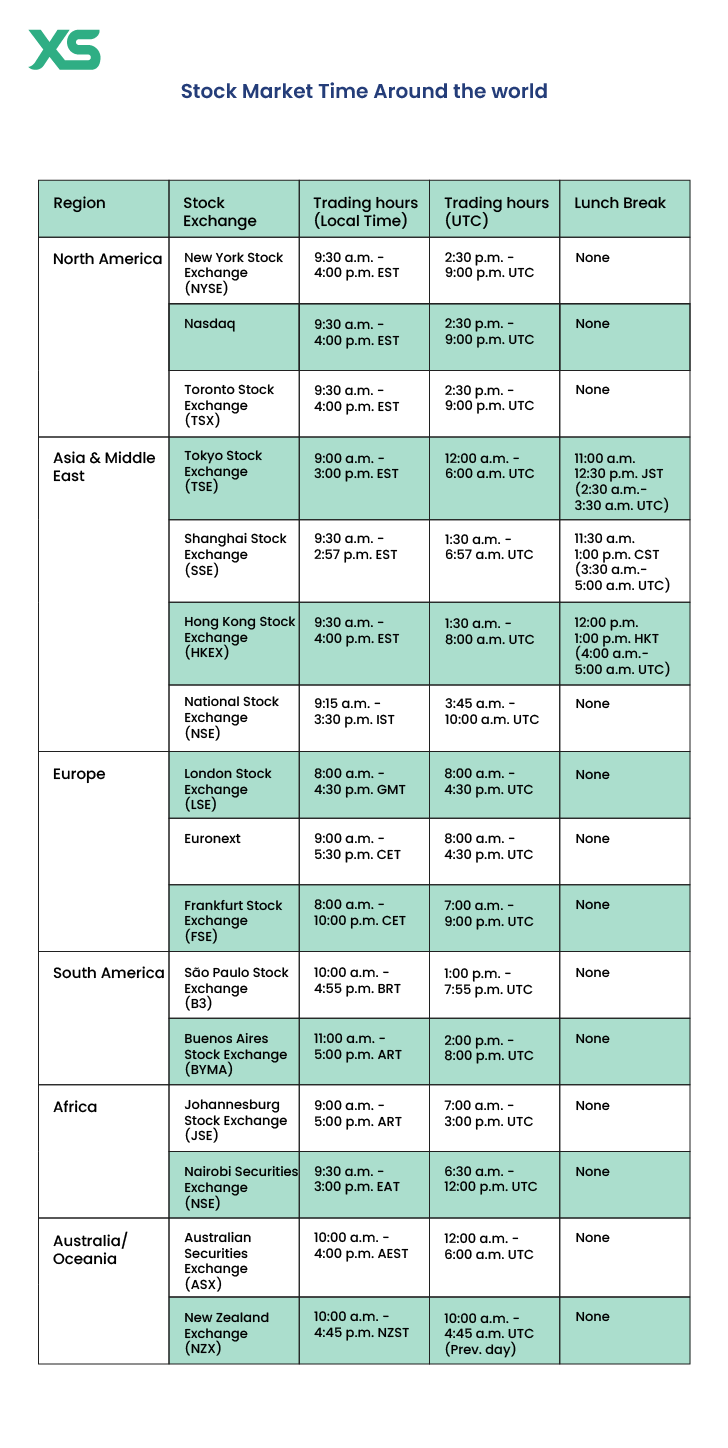
Most major stock exchanges operate on a Monday-through-Friday schedule, typically centered around an eight-hour window of “regular” trading. For the primary markets in the United States, such as the New York Stock Exchange (NYSE) and the NASDAQ, the standard trading hours are from 9:30 AM to 4:00 PM Eastern Time (ET).
The Significance of the Opening Bell
The “Opening Bell” is more than just a tradition; it represents the moment when the accumulated buy and sell orders from the overnight period are finally matched. This often leads to a surge in volatility and high trading volume during the first 30 to 60 minutes of the day. For investors, the opening price provides the first real data point of how the market has reacted to news that broke after the previous day’s close.
The Mid-Day Lull and Institutional Trading
Typically, between 11:30 AM and 1:30 PM ET, markets often experience a decrease in volume and volatility. This is frequently referred to as the “mid-day lull.” During this time, many institutional traders take breaks, and the lack of volume can lead to “choppy” price action. For long-term investors, this period is often the quietest time to execute trades without the extreme price swings seen in the morning.
The Power of the Closing Auction
The final hour of trading, often called “the power hour,” sees a significant uptick in activity as traders square their positions before the day ends. The 4:00 PM ET closing bell triggers the “Closing Auction,” a process used to determine the official closing price of a stock. This price is crucial because it serves as the benchmark for mutual fund valuations and technical analysis indicators.
Beyond the Regular Session: Extended-Hours Trading
The modernization of financial markets has introduced “Extended-Hours Trading,” which allows investors to trade outside the traditional 9:30 AM to 4:00 PM window. This is made possible through Electronic Communication Networks (ECNs) that match buyers and sellers digitally.
Understanding Pre-Market Sessions
In the U.S., pre-market trading can begin as early as 4:00 AM ET, though the bulk of the volume occurs after 8:00 AM ET. Pre-market trading is largely driven by reactions to early-morning economic data releases (such as employment reports or CPI data) and overnight international news. While it offers an early-mover advantage, liquidity is significantly lower than during regular hours, leading to wider bid-ask spreads and higher risk.
The Dynamics of After-Hours Trading
After-hours trading occurs from 4:00 PM to 8:00 PM ET. This session is particularly critical during “Earnings Season.” When a major corporation like Apple or Microsoft releases its quarterly financial results after the bell, the after-hours market is where the immediate price reaction happens. Because the volume is thinner, price movements in the after-hours session can be exaggerated, sometimes seeing a stock move 5% to 10% on relatively low volume.
Risks and Rewards for the Individual Investor
For the average retail investor, extended-hours trading provides flexibility but comes with heightened risk. The primary concern is “slippage”—the difference between the expected price of a trade and the price at which the trade is actually executed. Due to fewer participants, you may not get the “best” price compared to the regular session. Professional financial advisors often recommend that retail investors use “limit orders” rather than “market orders” when trading outside of standard hours to protect against these price fluctuations.
Navigating Major Global Stock Exchanges
As a global investor, your portfolio might include exposure to European or Asian markets. Because the sun never sets on the global financial system, understanding the local times of international exchanges is vital for managing a diversified strategy.
North American Markets
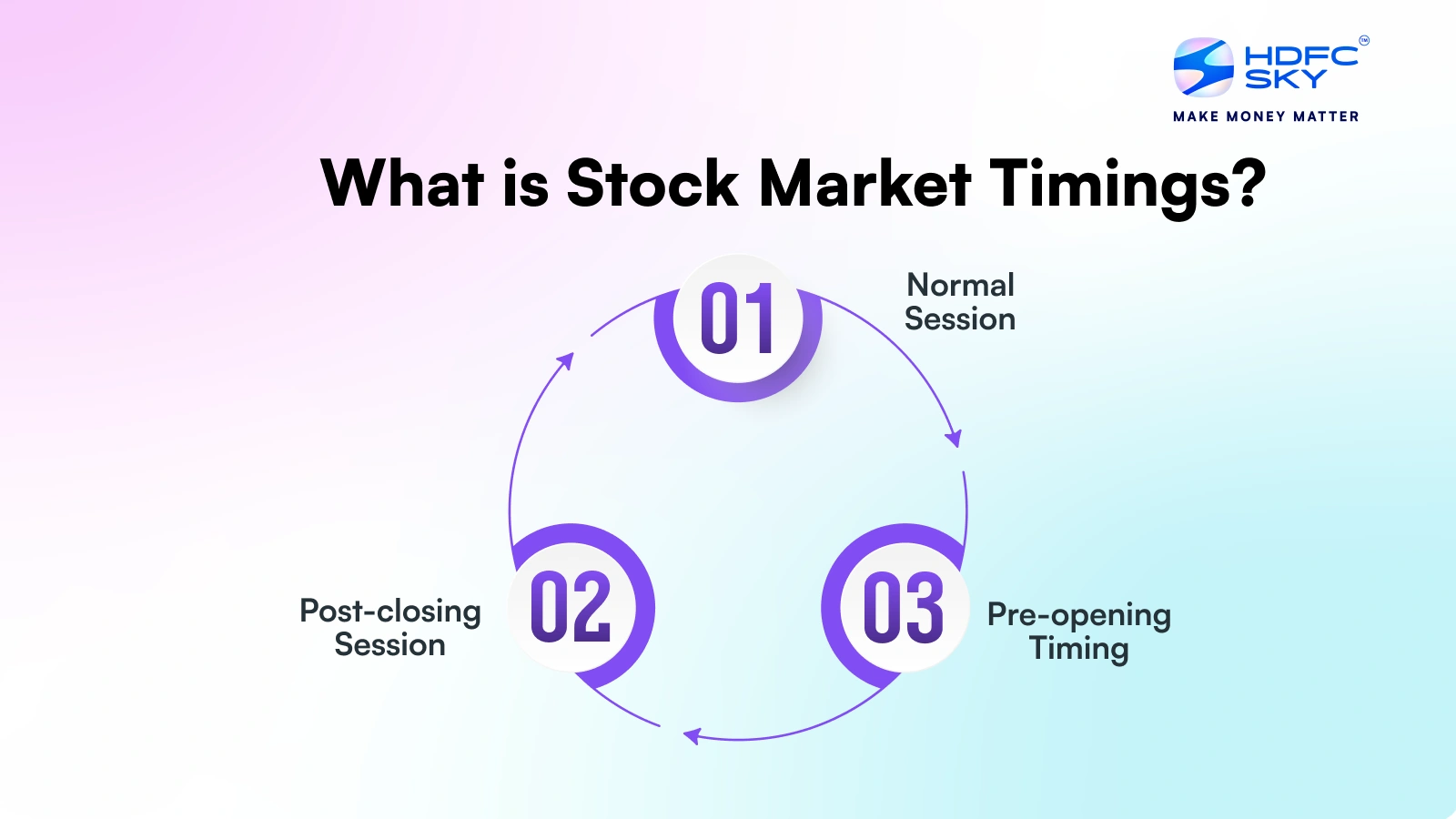
The NYSE and NASDAQ are the largest hubs of liquidity. Their 9:30 AM to 4:00 PM ET schedule is the gold standard for Western markets. The Toronto Stock Exchange (TSX) in Canada follows the same schedule, making the North American block a unified powerhouse of trading activity.
European Markets and the London Stock Exchange
The London Stock Exchange (LSE) is one of the oldest and most influential. It typically operates from 8:00 AM to 4:30 PM GMT (Greenwich Mean Time). Other major European exchanges, such as the Euronext Paris and the Frankfurt Stock Exchange (DAX), operate on similar schedules. A key moment for global investors is the “overlap” period between 9:30 AM and 11:30 AM ET, when both New York and London are open simultaneously. This is often the period of the highest global liquidity.
Asian Markets and the Lunch Break Tradition
The Asian markets operate while the West sleeps. The Tokyo Stock Exchange (TSE) generally opens at 9:00 AM and closes at 3:00 PM local time. Interestingly, many Asian exchanges, including those in Hong Kong and Shanghai, maintain a tradition of closing for a lunch break (usually between 12:00 PM and 1:00 PM local time). This is a stark contrast to Western markets, which trade continuously through the day.
Strategic Timing: How Hours Impact Investment Decisions
Knowing when to trade is just as important as knowing what to buy. Market hours influence price stability, the effectiveness of technical indicators, and the timing of financial news.
Trading the “News Cycle”
Most market-moving news—such as government economic reports, Federal Reserve announcements, or corporate earnings—is intentionally scheduled outside of regular trading hours or during very specific windows. This is done to prevent sudden, panicked volatility. As an investor, you must align your strategy with this cycle. For example, if you are a conservative investor, you might wait until 10:30 AM to trade, allowing the initial “noise” of the morning news to settle.
The Role of Market Holidays
Every exchange has its own set of holidays. While the NYSE might be closed for Thanksgiving, the LSE or the Tokyo Stock Exchange will be open. These closures can result in “thin markets” where global trading volume is lower than usual. It is essential to consult an economic calendar to track bank holidays, as these can delay the settlement of funds and the execution of international trades.
The “Weekend Risk”
Since markets are closed on Saturdays and Sundays, “weekend risk” refers to the possibility of major geopolitical or economic events occurring when you cannot exit a position. This often leads to “gapping”—where a stock opens on Monday morning at a significantly different price than it closed on Friday afternoon. Long-term “buy and hold” investors generally ignore this, but for those using leverage or short-term strategies, managing weekend exposure is a core tenet of risk management.
Essential Financial Tools for Tracking Market Hours
In today’s fast-paced financial environment, relying on manual calculations for time zone conversions is inefficient. Leveraging the right tools can help you stay synchronized with global markets.
Real-Time Brokerage Alerts
Most modern brokerage platforms, such as Fidelity, Charles Schwab, or Interactive Brokers, allow users to set alerts for market open and close across various countries. You can also set alerts for specific price movements that occur during pre-market or after-hours sessions, ensuring you are never caught off guard by an overnight shift in your portfolio’s value.
Economic Calendars and Time Zone Converters
Websites like Bloomberg, Reuters, and Investing.com provide comprehensive economic calendars. These tools list not only the opening and closing times but also the specific times for “early closures” (common around Christmas or New Year’s Eve). Additionally, using a dedicated financial time zone converter is helpful if you are trading across multiple continents, as it accounts for Daylight Savings Time shifts, which occur at different dates in the U.S. versus Europe.
The Use of Algorithmic Monitoring
For those deeply involved in side hustles like swing trading or options trading, algorithmic tools can be programmed to execute trades only during periods of high liquidity. By setting “Time-in-Force” parameters on your orders (such as “Day Only” or “GTC – Good ‘Til Canceled”), you can automate your interaction with market hours, ensuring your strategy is executed exactly when the market conditions are most favorable.
Conclusion
Understanding what time the share market opens and closes is a foundational pillar of financial literacy. It is the framework within which price discovery happens and where the global flow of capital is organized. By mastering the nuances of the opening bell, navigating the risks of extended-hours trading, and respecting the schedules of international exchanges, you position yourself as a more disciplined and informed investor. In the realm of personal finance and investing, the clock is just as important as the spreadsheet; learning to trade in harmony with it is a hallmark of professional wealth management.
aViewFromTheCave is a participant in the Amazon Services LLC Associates Program, an affiliate advertising program designed to provide a means for sites to earn advertising fees by advertising and linking to Amazon.com. Amazon, the Amazon logo, AmazonSupply, and the AmazonSupply logo are trademarks of Amazon.com, Inc. or its affiliates. As an Amazon Associate we earn affiliate commissions from qualifying purchases.