
The question of how to best make money is as old as currency itself, yet the answer evolves with every shift in technology, global trade, and social behavior. In the modern era, the “best” way to generate wealth is no longer a singular path, such as securing a lifetime position at a corporation. Instead, it is a multifaceted strategy that combines high-value skill acquisition, the leverage of digital platforms, and the disciplined compounding of capital. To achieve financial independence or build significant wealth, one must move beyond the “trading time for money” trap and focus on scalability and asset accumulation.

This article explores the most effective frameworks for wealth creation today, focusing on three core pillars: digital income streams, strategic investing, and the optimization of human capital.
The Digital Frontier: Building Scalable Online Income Streams
In the past, starting a business required significant physical capital, a storefront, and local marketing. Today, the internet has lowered the barrier to entry while simultaneously expanding the potential market to a global scale. The “best” way to make money online often involves creating “digital real estate”—assets that continue to produce income long after the initial work is completed.
Content Monetization and the Passion Economy
The rise of the “creator economy” has turned personal expertise and entertainment into a viable business model. Whether through video platforms like YouTube, professional networking sites like LinkedIn, or niche-specific newsletters via Substack, individuals are monetizing their knowledge. The key to success here is not just “going viral” but building a loyal community.
Monetization occurs through diverse channels: advertising revenue, brand sponsorships, and direct-to-consumer digital products like e-books or masterclasses. The beauty of this model is its scalability; it takes the same amount of effort to record a video for ten people as it does for ten million. This decoupling of time from income is the hallmark of the most effective money-making strategies.
E-commerce and the Evolution of Retail
While traditional retail faces challenges, e-commerce continues to grow. The best approach in this sector has shifted from “dropshipping” generic products to “private labeling” and building actual brands. By identifying a gap in the market and utilizing platforms like Amazon FBA (Fulfillment by Amazon) or Shopify, entrepreneurs can automate the logistics of their business.
Modern e-commerce success relies heavily on data-driven decision-making. Utilizing financial tools to track profit margins, customer acquisition costs (CAC), and lifetime value (LTV) is essential. When done correctly, a successful e-commerce brand can be sold for a multiple of its annual profit, providing a significant “exit” windfall that far exceeds a monthly salary.
Asset Allocation: Investing for Long-Term Wealth Stability
While active income (working or running a business) is the engine of wealth, passive income (investing) is the fuel that keeps it running indefinitely. You cannot work forever, but your money can. The “best” way to make money in the long term is to ensure your capital is working harder than you are.
The Compounding Power of the Stock Market
For the vast majority of people, the most reliable path to wealth is the consistent purchase of diversified index funds or Exchange-Traded Funds (ETFs). Rather than attempting to “beat the market” by picking individual stocks—a feat that even professional fund managers struggle to achieve—the strategic investor bets on the growth of the economy as a whole.
The magic of this approach lies in compound interest. By reinvesting dividends and maintaining a long-term horizon (10–30 years), even modest monthly contributions can grow into millions. The best way to maximize this is through tax-advantaged accounts, such as 401(k)s or IRAs in the United States, which allow your money to grow without being eroded by annual taxes.
Real Estate and Alternative Assets
Real estate remains one of the most popular and effective ways to build wealth due to its unique combination of cash flow, appreciation, and leverage. By using a mortgage, an investor can control a high-value asset with a relatively small down payment. The tenant essentially pays down the debt, while the investor benefits from the rising value of the property over time.
Beyond residential real estate, modern investors are looking toward alternative assets such as Real Estate Investment Trusts (REITs), private equity, and even high-yield debt instruments. These tools allow for diversification, ensuring that a downturn in one sector of the economy doesn’t compromise the individual’s entire financial portfolio.

Maximizing Human Capital: Developing High-Value Skills
Before you have the capital to invest or the audience to monetize, you have your time and your talent. Your “human capital”—your ability to generate income based on what you know and what you can do—is your first and most important asset. The best way to make money in the early stages of a career is to aggressively increase your “earning floor.”
Identifying the Market Demand for Expertise
Not all skills are created equal in the marketplace. To maximize income, one must focus on skills that are both high in demand and low in supply. In the current financial landscape, these often fall into three categories:
- Technical Skills: Data analysis, software architecture, and financial modeling.
- Revenue-Generating Skills: Sales, copywriting, and high-level marketing strategy.
- Soft Skills: Leadership, complex negotiation, and strategic management.
By positioning oneself at the intersection of two of these categories (e.g., a software expert who can also lead a sales team), an individual becomes “rare and valuable,” leading to significantly higher compensation and consulting opportunities.
The ROI of Continuous Professional Education
The concept of “learning a trade” once in your twenties and practicing it for forty years is dead. The best earners today treat their education as a recurring capital expenditure. This involves staying abreast of industry shifts, obtaining high-level certifications, and attending executive education programs.
Investing in oneself often yields a much higher Return on Investment (ROI) than the stock market. For example, a $5,000 certification that leads to a $20,000 salary increase provides a 400% return in the first year alone. This “upskilling” creates the surplus cash flow necessary to fund the investing and business ventures mentioned earlier.
Financial Management: Tools and Systems for Sustainable Growth
Making money is only half the battle; keeping and growing it is the other. Many high-earners remain “poor” because they lack the financial systems to manage their inflows. The best way to make money in a sustainable sense is to treat your personal finances like a business.
Leveraging FinTech for Wealth Tracking
We live in a golden age of financial technology. Tools such as Mint, YNAB (You Need A Budget), and Personal Capital allow individuals to track every cent of income and expenditure in real-time. To make more money, you must first understand your “burn rate.”
Automating your finances—where a portion of every paycheck is automatically diverted to savings, investments, and tax obligations—removes the psychological hurdle of “choosing” to save. This systemic approach ensures that wealth building happens by default rather than by willpower.
Tax Optimization and Business Structuring
As income increases, taxes become the largest single expense for any wealth-builder. Understanding the difference between earned income (taxed at the highest rates) and capital gains or business income (often taxed at lower rates) is crucial.
Many successful individuals eventually transition from being employees to “solopreneurs” or business owners, not just for the autonomy, but for the tax advantages. Structuring income through a legal entity (like an LLC or S-Corp) allows for the deduction of legitimate business expenses, significantly reducing the total tax burden and leaving more capital available for reinvestment.
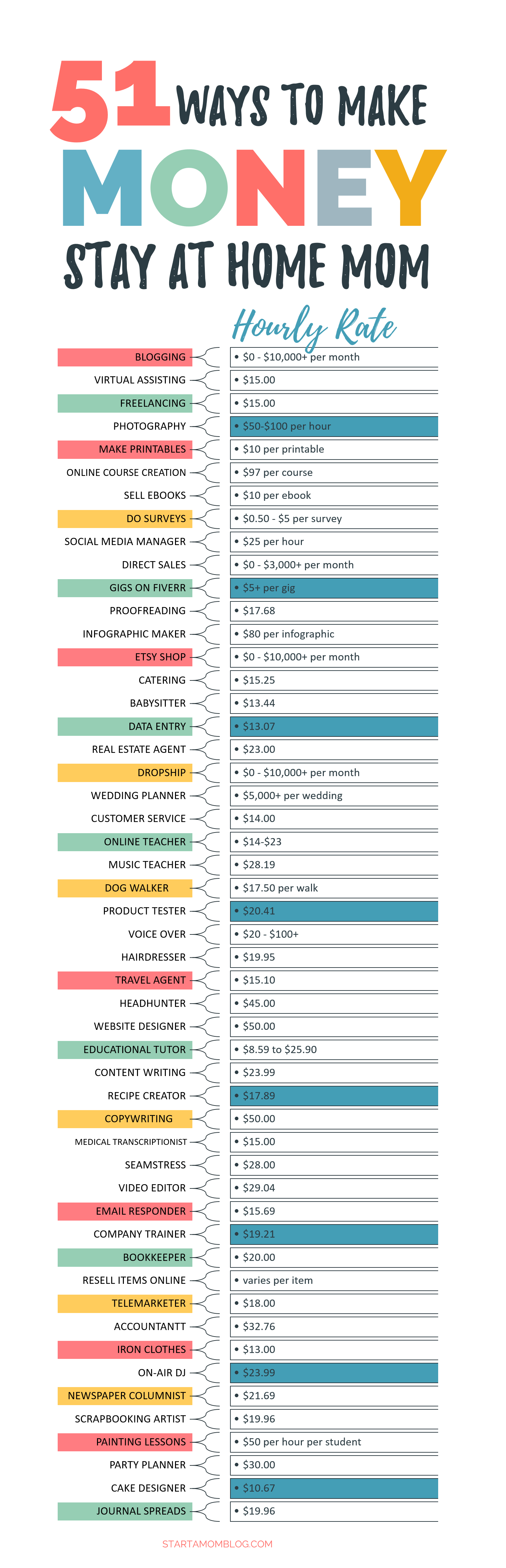
Conclusion: The Holistic Approach to Wealth
In summary, the best way to make money in the modern world is through a diversified, multi-pronged approach. It begins with maximizing your human capital to generate high active income. That income is then used to fuel scalable digital ventures or business equity that can grow independently of your time. Finally, the profits are funneled into long-term investments that utilize the power of compounding to ensure permanent financial security.
Wealth creation is not a sprint or a single “trick”; it is a disciplined system of earning, saving, and strategic risk-taking. By focusing on providing high value to the market and letting technology and time do the heavy lifting, anyone can navigate the complexities of the modern economy and build a lasting financial legacy.
aViewFromTheCave is a participant in the Amazon Services LLC Associates Program, an affiliate advertising program designed to provide a means for sites to earn advertising fees by advertising and linking to Amazon.com. Amazon, the Amazon logo, AmazonSupply, and the AmazonSupply logo are trademarks of Amazon.com, Inc. or its affiliates. As an Amazon Associate we earn affiliate commissions from qualifying purchases.