
In the world of investing and personal finance, timing is often just as critical as the assets you choose to hold. For the modern investor, the question “what time does the market open?” is rarely a simple one. In a globalized economy, the financial markets never truly sleep; while one exchange closes in New York, another is just beginning its session in Tokyo. Understanding the rhythmic opening and closing of these markets is essential for managing liquidity, navigating volatility, and executing a disciplined financial strategy.
This guide provides a deep dive into the operational hours of the world’s major financial markets, the nuances of extended-hours trading, and the strategic implications of timing for your investment portfolio.
The Core Framework: Understanding Standard Equity Market Hours
For most retail investors, the “market” refers to the major stock exchanges where equity securities are bought and sold. These exchanges operate on a fixed schedule, typically Monday through Friday, excluding public holidays. The hours are set to ensure a concentrated period of liquidity where buyers and sellers can find price discovery with minimal friction.
The North American Giants: NYSE and NASDAQ
The New York Stock Exchange (NYSE) and the NASDAQ are the two largest stock exchanges in the world. Their standard operating hours are from 9:30 AM to 4:00 PM Eastern Time (ET). This window represents the peak of global trading volume. The “Opening Bell” at 9:30 AM marks the start of the primary session, characterized by high volatility as the market absorbs news and events that occurred overnight.
Major European Exchanges: LSE and Euronext
The European markets bridge the gap between the Asian and North American sessions. The London Stock Exchange (LSE), one of the oldest and most prestigious, operates from 8:00 AM to 4:30 PM Greenwich Mean Time (GMT). Similarly, the Euronext exchanges (which include Paris, Amsterdam, and Brussels) follow a similar schedule. For North American investors, the European markets are particularly significant because their closing hours overlap with the US opening hours, creating a four-hour window of intense global liquidity.
The Asian Powerhouses: Tokyo, Hong Kong, and Shanghai
The Asian trading day begins while the West is asleep. The Tokyo Stock Exchange (TSE) operates from 9:00 AM to 3:00 PM JST, notably including a lunch break from 11:30 AM to 12:30 PM—a practice less common in Western markets. The Hong Kong Stock Exchange (HKEX) and the Shanghai Stock Exchange follow similar patterns, often with mid-day breaks. These markets are critical for investors focusing on emerging technologies, manufacturing, and the global supply chain.
Beyond the Opening Bell: Pre-Market and After-Hours Trading
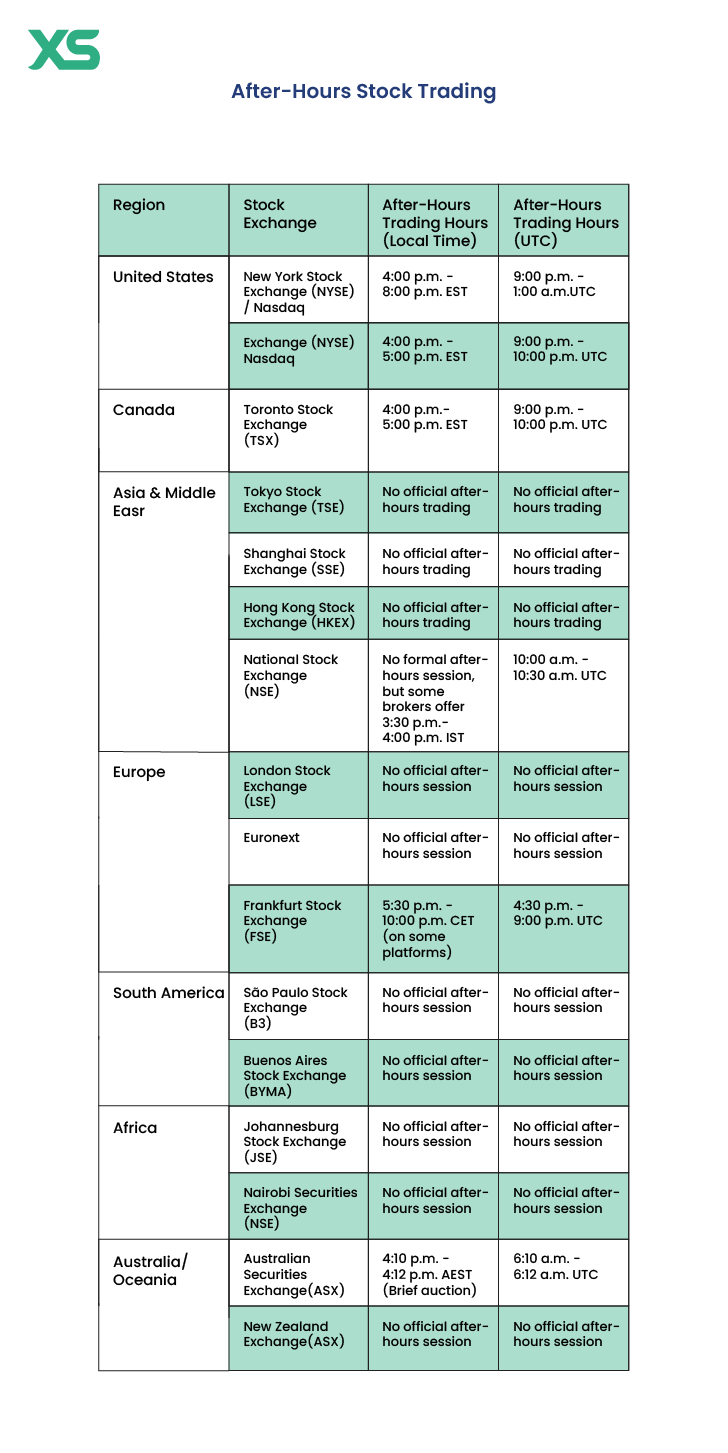
The traditional 9:30 AM to 4:00 PM window is no longer the only time investors can trade. Electronic Communication Networks (ECNs) have enabled “Extended Hours Trading,” allowing participants to react to news outside of standard exchange hours.
The Mechanics of Extended Hours Trading
Pre-market trading in the US typically begins as early as 4:00 AM ET and runs until the official open at 9:30 AM. After-hours trading begins at 4:00 PM ET and can last until 8:00 PM. During these sessions, trades are matched electronically. While this offers flexibility, it is important to note that not all brokerage platforms provide full access to these sessions, and some may require specific account permissions.
Risks and Rewards of Trading Outside Regular Sessions
The primary advantage of extended-hours trading is the ability to react immediately to corporate earnings releases, economic data, or geopolitical events that occur when the main exchange is closed. However, these sessions come with significant risks. Liquidity is much lower, meaning there are fewer buyers and sellers. This results in wider “bid-ask spreads”—the difference between the price to buy and the price to sell—which can make it more expensive to enter or exit a position. Furthermore, price movements in the pre-market can be deceptive and may not reflect the direction the market takes once the “real” volume arrives at 9:30 AM.
How Retail Investors Can Access Extended Markets
Most major online brokerages now offer some form of extended-hours access. To participate, investors usually need to use “limit orders” rather than “market orders.” Because prices can swing wildly on low volume, a limit order ensures you do not buy a stock for significantly more—or sell it for significantly less—than you intended.
Round-the-Clock Opportunities: Forex and Cryptocurrency Markets
While the stock market adheres to a relatively strict schedule, other financial instruments offer near-constant access to the global flow of capital. For those looking to diversify their income or engage in active trading, these markets require a different temporal mindset.
The 24/5 Cycle of Foreign Exchange (Forex)
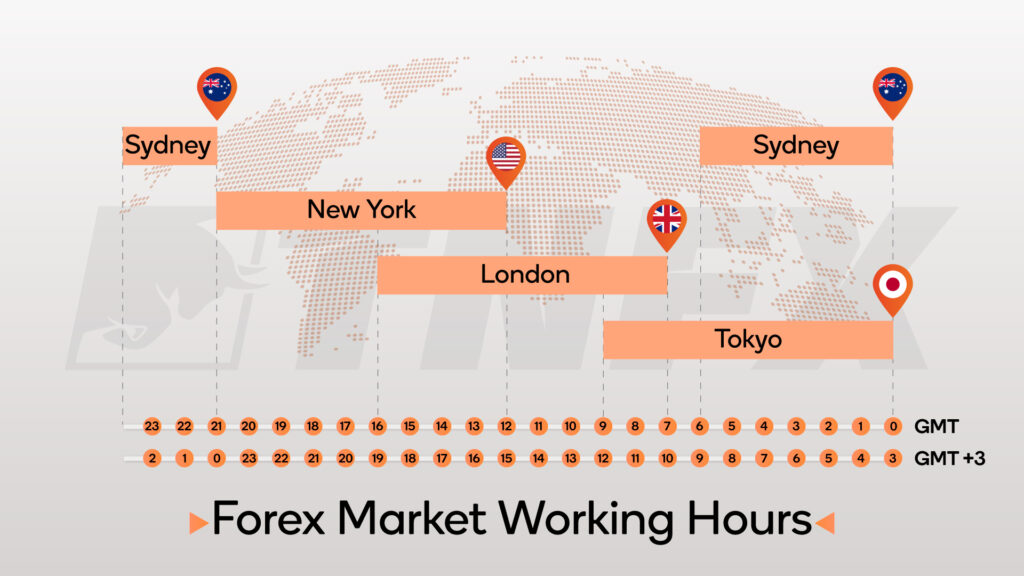
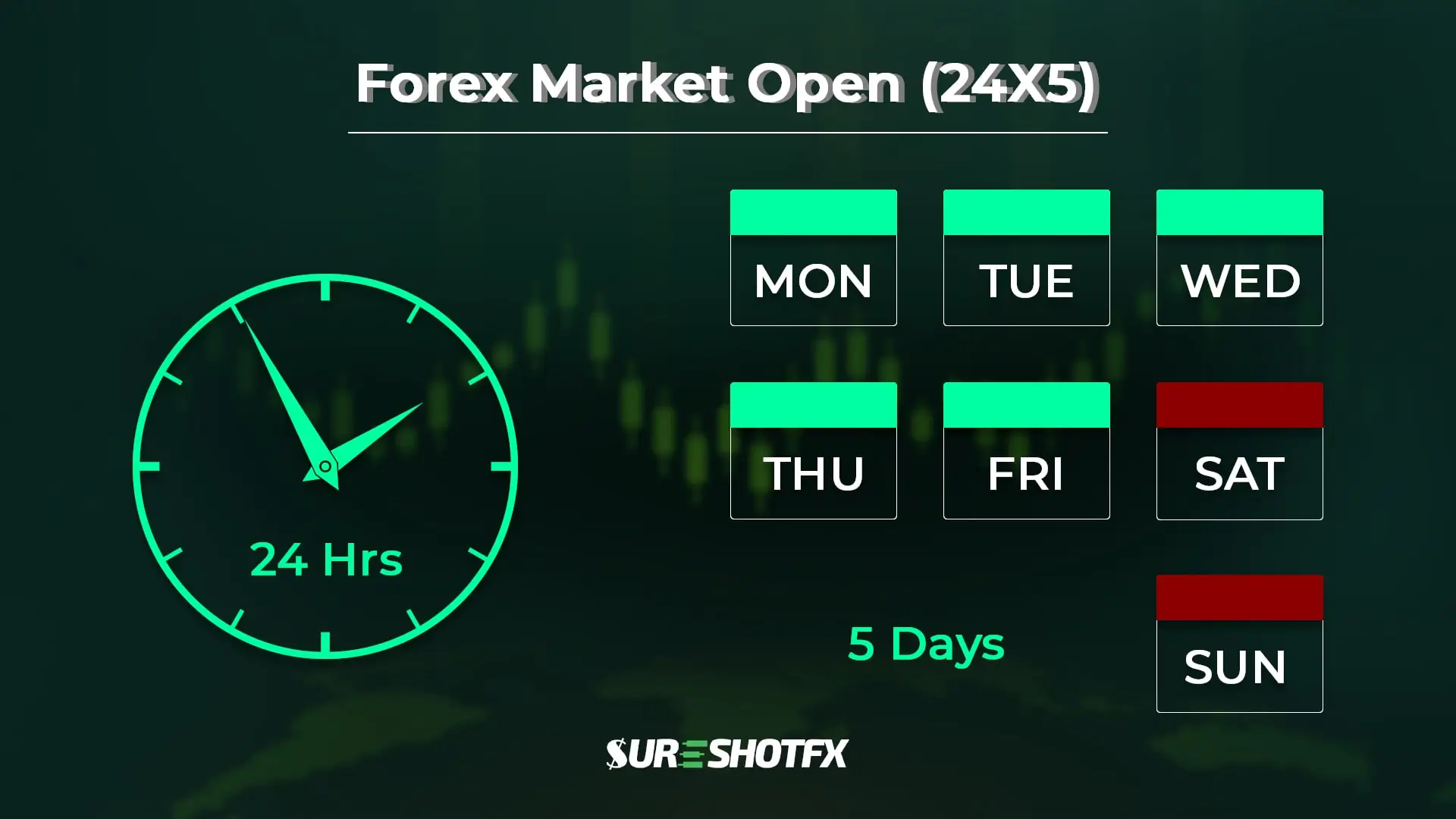
The Forex market is the largest and most liquid financial market in the world. It operates 24 hours a day, five days a week. It begins on Sunday evening (ET) as the Sydney and Tokyo markets open and continues uninterrupted until Friday afternoon when the New York market closes. This 24-hour cycle is possible because currency trading is decentralized; it happens “over-the-counter” (OTC) rather than on a single physical exchange. For the personal financier, this means that currency hedges or speculative trades can be executed at any hour of the working week.
The “Always On” Nature of Digital Assets
The rise of cryptocurrency has introduced a true 24/7/365 market. Unlike stocks or Forex, the crypto market never closes—not for weekends, and not for holidays. Bitcoin, Ethereum, and thousands of other digital assets trade continuously on global exchanges. This constant uptime offers unparalleled accessibility but also demands a high level of discipline. The lack of a “closing bell” means that significant market shifts can happen on a Sunday morning or in the middle of the night, necessitating the use of automated stop-loss orders to protect capital.
Managing Risk in a 24/7 Financial Environment
The primary challenge of round-the-clock markets is the exhaustion and emotional toll it can take on an individual investor. Professional traders often divide their day into specific “watches” or rely on algorithmic trading tools to monitor positions. For the average person focusing on long-term wealth, the key is to avoid the temptation of constant monitoring and instead set clear entry and exit points that do not require 24-hour vigilance.
Strategic Timing: When is the Best Time to Trade?
Knowing when the market opens is the first step, but identifying the optimal time to trade within those hours is where the real financial insight lies. Market behavior changes significantly throughout the day.
The “Power Hour” and Opening Volatility
The first 30 to 60 minutes after the market opens (9:30 AM to 10:30 AM ET) are often referred to as the most volatile period of the day. This is when the market “discovers” the price, reacting to all the news that accumulated overnight. For experienced day traders, this volatility represents opportunity. For conservative, long-term investors, it is often a time to wait and let the “dust settle” before making a move.
Market Overlaps: The London-New York Window
From approximately 8:00 AM to 12:00 PM ET, the US and European markets are open simultaneously. This is widely considered the most important window in the global financial day. During this overlap, liquidity is at its peak, and the spread between buying and selling prices is usually at its narrowest. This is often the best time to execute large trades or to trade major currency pairs like the EUR/USD.
The Mid-Day Lull and the Closing Cross
Between 12:00 PM and 2:00 PM ET, volume typically thins out as traders in New York take lunch and European traders head home. The market often enters a “sideways” phase with less predictable movement. However, activity ramps up again in the final hour of trading (3:00 PM to 4:00 PM ET), known as the “Closing Cross.” Institutional investors often rebalance their portfolios in these final minutes, leading to another surge in volume and potential price swings.
Tools and Resources for Tracking Global Market Schedules
In an era of digital finance, you don’t need to memorize every time zone to be an effective investor. Utilizing the right tools can help you stay synchronized with the global markets.
Economic Calendars and Holiday Schedules
One of the most common mistakes investors make is forgetting about market holidays. While a Monday might be a standard work day, if it is Labor Day in the US or a Bank Holiday in the UK, the respective markets will be closed. Financial websites and brokerage apps provide “Economic Calendars” that list these closures along with scheduled announcements from the Federal Reserve or employment reports, all of which impact market volatility.
Automated Alerts and Portfolio Monitoring Tools
Most modern financial platforms allow you to set alerts based on time or price. You can set an alert to notify you ten minutes before the New York open or when the Asian markets close. For those managing a side hustle in trading, these tools are indispensable for maintaining a professional edge without being glued to a monitor.
The Impact of Daylight Savings Time
It is crucial to remember that not all countries observe Daylight Savings Time, and those that do may switch on different dates. This can temporarily shift the overlap between markets by an hour. Always verify the current time difference if you are trading international assets to ensure you are not caught off guard by an early open or an unexpected close.
By mastering the clock, you transition from a passive participant to an informed strategist. Understanding when the market opens—and the specific characteristics of each trading session—allows you to optimize your entry points, reduce transaction costs, and ultimately build a more resilient and profitable financial future.
aViewFromTheCave is a participant in the Amazon Services LLC Associates Program, an affiliate advertising program designed to provide a means for sites to earn advertising fees by advertising and linking to Amazon.com. Amazon, the Amazon logo, AmazonSupply, and the AmazonSupply logo are trademarks of Amazon.com, Inc. or its affiliates. As an Amazon Associate we earn affiliate commissions from qualifying purchases.