
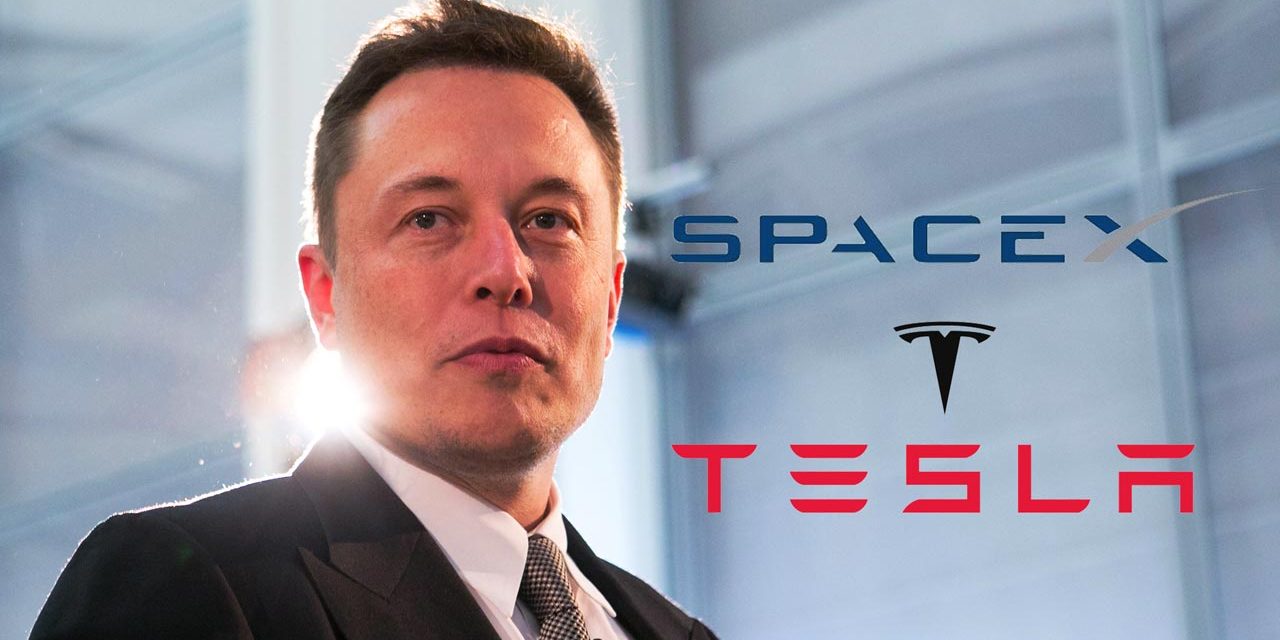
In the modern corporate landscape, it is rare for a company’s identity to be so inextricably linked to a single individual that the brand and the person become interchangeable in the public consciousness. Yet, when asking “who is the CEO of Tesla,” the answer—Elon Musk—represents much more than a title or a seat in a boardroom. Within the realm of brand strategy and corporate identity, Musk serves as the primary engine for Tesla’s market positioning, a living embodiment of the company’s disruptive ethos.
To understand Tesla’s brand is to understand the strategic fusion of personal branding and corporate narrative. Unlike traditional automotive giants that rely on century-old legacies and multi-billion-dollar advertising budgets, Tesla has built a global powerhouse centered on visionary leadership and a radical departure from conventional marketing.

The Intersection of Personal Branding and Corporate Identity
The relationship between Elon Musk and Tesla provides a masterclass in the “Key Man” brand strategy. In traditional corporate identity structures, the CEO is a steward of the brand. In Tesla’s case, the CEO is the brand. This alignment has allowed Tesla to bypass the “soulless corporation” trope, replacing it with a narrative of human ambition and scientific daring.
The Elon Musk Effect: A CEO as the Face of Innovation
The “Elon Musk Effect” refers to the phenomenon where the CEO’s personal actions, tweets, and public appearances dictate the brand’s perceived value and cultural relevance. From a branding perspective, this is high-octane fuel. When Musk speaks about colonizing Mars or revolutionizing neural interfaces, that “halo of innovation” reflects directly onto Tesla. Consumers do not just feel they are buying a car; they feel they are subscribing to a futuristic movement led by a singular visionary. This creates a level of brand loyalty that traditional marketing cannot buy.
From Founder to Icon: Crafting a Cult of Personality
Tesla’s corporate identity is built on the archetype of the “Hero-Innovator.” By positioning the CEO as a tireless worker—sleeping on factory floors and taking on “impossible” odds—the brand cultivates an underdog narrative. Even as Tesla became one of the most valuable companies in the world, its branding remained rooted in the idea of disrupting the “Old Guard” of the internal combustion engine. This personal brand narrative transforms a manufacturing company into a symbol of progress, making the CEO’s identity a critical asset in the company’s intellectual property.
Disruption as a Brand Pillar
Tesla’s brand strategy is defined by what it chooses not to do. While competitors like Ford or Volkswagen spend billions annually on television commercials and print ads to maintain brand awareness, Tesla has famously operated with a $0 advertising budget for the majority of its existence. This is a deliberate branding choice that reinforces its identity as a tech-forward disruptor.
Challenging the Status Quo of Automotive Marketing
The absence of traditional advertising is, in itself, a powerful marketing tool. It signals to the consumer that the product is so superior that it doesn’t need to be “sold.” Instead of polished commercials, Tesla relies on the CEO’s massive social media presence and a community of brand evangelists to spread the word. This organic, peer-to-peer brand growth is more authentic and carries higher trust levels than traditional top-down corporate messaging. It positions Tesla not as an automaker, but as a software company on wheels.
Transparency and the Direct-to-Consumer Connection
A key component of Tesla’s brand identity is the direct-to-consumer model. By bypassing the traditional dealership network, Tesla controls every touchpoint of the brand experience. This vertical integration of the brand journey—from the sleek, minimalist showrooms to the seamless over-the-air software updates—mirrors the CEO’s personal brand of efficiency and directness. When the CEO communicates directly with customers on social media to address software bugs or feature requests, it humanizes the brand, creating a sense of transparency that is virtually non-existent in the traditional automotive sector.
Managing Brand Risk in the Age of Social Media
While the fusion of personal and corporate branding has propelled Tesla to unprecedented heights, it also introduces significant strategic risks. In brand management, this is known as “Founder Risk.” When a brand is tied too closely to an individual, that individual’s personal reputation becomes the company’s most volatile asset.
The Double-Edged Sword of Public Personas
The professional and personal persona of Elon Musk is often unfiltered. For Tesla’s brand strategy, this is both a strength and a liability. On one hand, his unpredictability reinforces the “disruptor” image. On the other hand, controversial public statements or extracurricular business ventures (such as the acquisition of X, formerly Twitter) can polarize the customer base. Brand strategists monitor these shifts closely; if the CEO’s personal brand becomes too divisive, it can alienate the core demographic of environmentally conscious and socially aware consumers who originally flocked to the Tesla brand.
Navigating Controversy and Protecting Brand Equity
To mitigate the risks associated with a high-profile CEO, a brand must develop “Brand Equity” that can survive individual gaffes. Tesla has attempted to do this by shifting the focus toward its technological moats—the Supercharger network, Autopilot, and battery efficiency. The strategy involves building a “product-as-hero” narrative that can stand alongside the “CEO-as-hero” narrative. By ensuring that the product’s performance remains the primary driver of brand satisfaction, Tesla protects its corporate identity from the inevitable fluctuations of public opinion regarding its leadership.
The Future of Tesla’s Brand Without a Central Figurehead
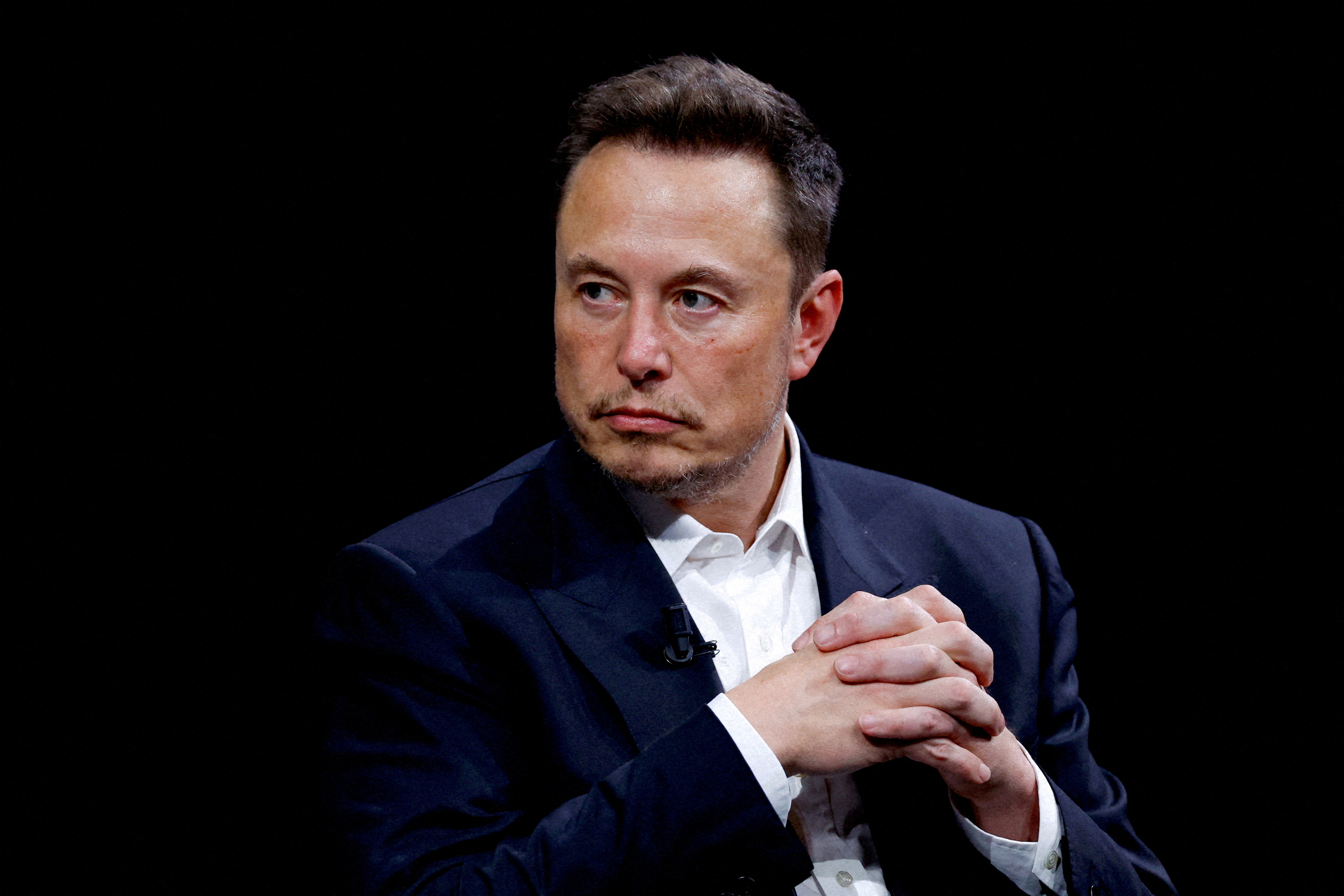
One of the most critical questions for any brand built on a singular personality is: what happens when that person is gone? This is the ultimate test of corporate identity. For Tesla, the long-term brand strategy must involve a transition from a person-centric brand to a mission-centric brand.
Institutionalizing the Mission
To ensure longevity, Tesla is increasingly focusing its branding on the broader mission: “To accelerate the world’s transition to sustainable energy.” By elevating the mission above the individual, the brand creates a legacy that can be carried forward by future leadership. This is a transition that companies like Apple navigated successfully after the passing of Steve Jobs. The brand moved from being about “Steve’s vision” to being about “Apple’s design philosophy.” Tesla is currently in the middle of this evolution, attempting to institutionalize the culture of innovation so that it is perceived as an inherent quality of the company, rather than a byproduct of the CEO.
Scaling Beyond the Individual
As Tesla scales into a mass-market manufacturer with multiple gigafactories and a diversifying product line (including the Cybertruck, Semi, and Optimus robot), the brand must become more resilient and less dependent on the CEO’s daily presence. The branding strategy is shifting toward “Engineering Excellence.” By highlighting the team of world-class engineers and the sophistication of their automated manufacturing processes, Tesla is building a secondary layer of brand identity. This layer is professional, industrial, and stable, providing a necessary counterbalance to the more volatile, personality-driven side of the business.
In conclusion, the question of who is the CEO of Tesla is central to the company’s brand strategy because Elon Musk acts as the ultimate brand ambassador, marketing department, and visionary architect rolled into one. This unique corporate identity has allowed Tesla to redefine an entire industry and command a brand premium that is the envy of the business world. However, as the brand matures, the strategic challenge will be to maintain that “disruptor” energy while building a corporate identity that is robust enough to thrive independently of any one individual. The evolution of Tesla’s brand from a cult of personality to a global institution of sustainable technology will be one of the most significant brand case studies of the 21st century.
aViewFromTheCave is a participant in the Amazon Services LLC Associates Program, an affiliate advertising program designed to provide a means for sites to earn advertising fees by advertising and linking to Amazon.com. Amazon, the Amazon logo, AmazonSupply, and the AmazonSupply logo are trademarks of Amazon.com, Inc. or its affiliates. As an Amazon Associate we earn affiliate commissions from qualifying purchases.