
In an era dominated by instant digital transfers and mobile banking, the act of mailing a physical check to the Internal Revenue Service (IRS) might seem like an archaic practice. However, for millions of taxpayers, small business owners, and financial professionals, mailing a payment remains a preferred or necessary method of settling tax liabilities. Whether it is due to a preference for a physical paper trail, the lack of a reliable internet connection, or specific banking constraints, understanding exactly where and how to mail IRS tax payments is critical to maintaining financial compliance and avoiding costly late penalties.
The IRS maintains a complex network of processing centers across the United States. Sending your payment to the wrong jurisdiction can lead to significant processing delays, misplaced funds, and the potential for the IRS to trigger an automated delinquency notice. This guide serves as a strategic roadmap for navigating the physical mailing process, ensuring your financial obligations are met with precision and security.
Understanding the IRS Mailing Infrastructure
The Internal Revenue Service does not operate out of a single central office. Instead, it utilizes various “lockbox” addresses and processing centers strategically located to handle the massive volume of correspondence received annually. The specific address you must use is determined by two primary factors: your geographic location (state of residence) and the specific tax form you are filing.
The Geographic Factor: Where You Live Dictates Where You Send
The IRS divides the United States into several regions, each served by a specific processing center. For instance, a taxpayer living in Florida will mail their payment to a different address than a taxpayer living in Washington state. This regional division is designed to balance the workload across IRS facilities and expedite the manual entry of paper checks into the federal system. It is imperative to check the current year’s instructions for Form 1040-V (Payment Voucher), as the IRS occasionally realigns these jurisdictions.
Form Specificity: Matching Your Payment to the Right Voucher
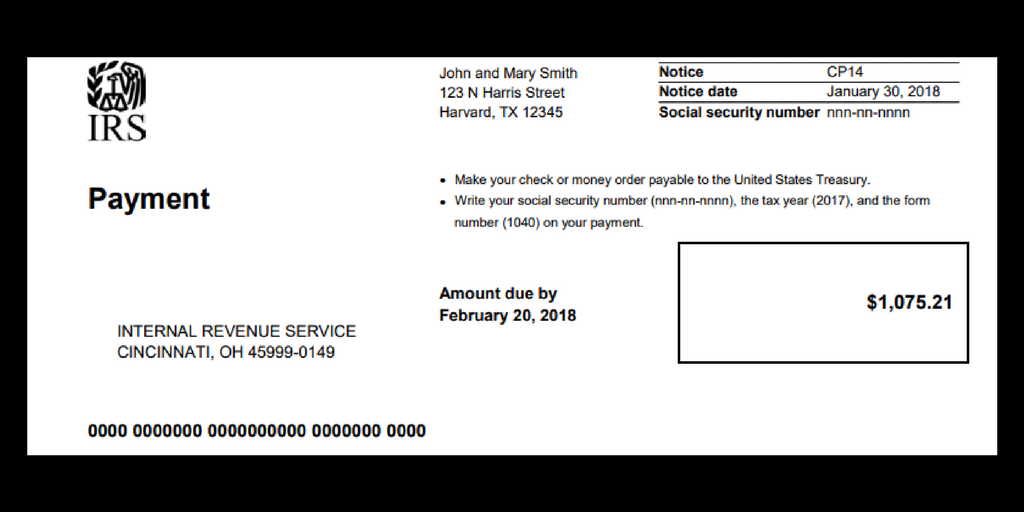
Not all payments are created equal in the eyes of the IRS. An individual paying their annual income tax (Form 1040) will use a different processing pipeline than a business paying quarterly estimated taxes (Form 1040-ES) or an employer settling payroll taxes. When mailing a payment, the inclusion of the correct voucher is the single most important step. This voucher contains a scannable bar code that tells the IRS exactly which account and tax year the funds should be credited to. Without the voucher, your check may sit in a holding queue while agents manually research your identity, increasing the risk of a late-payment mark on your record.
International and Specialized Filings
For Americans living abroad or those filing specialized returns (such as non-resident alien returns), the mailing requirements are even more specific. Generally, all international payments are routed through a specialized processing center, often located in Philadelphia or Austin. Similarly, if you are responding to a specific notice or audit letter, the address provided in that correspondence takes precedence over the general regional addresses.
Strategic Logistics for Mailing Your Payment
Once you have identified the correct destination, the physical preparation of the payment is a matter of financial security and administrative accuracy. A mistake on the face of a check can lead to a rejection by the bank or the IRS, resulting in “dishonored check” fees that can be surprisingly steep.
Preparing Your Check or Money Order
The IRS has strict guidelines for how checks should be written to ensure they are processed without human intervention. First, make the check payable to the “United States Treasury,” not “IRS.” This is a security measure to prevent fraudulent alterations. Second, on the memo line of the check, you must include four vital pieces of information:
- Your Social Security Number (SSN) or Employer Identification Number (EIN).
- The tax year the payment applies to (e.g., “2023”).
- The specific form number (e.g., “Form 1040”).
- A daytime phone number where you can be reached.
These details act as a redundant safety net. If your check becomes separated from your voucher during the opening process, the memo line allows the IRS to reunite the payment with your account.
The Role of Form 1040-V
Form 1040-V is the “Payment Voucher.” It is a small, one-page document that should be sent along with your check and your tax return (if you are filing by mail). If you filed your return electronically but chose to pay by mail, you still need to generate and print this voucher. When preparing the envelope, do not staple or paperclip the check to the voucher. The IRS uses high-speed scanners that can be damaged by metal fasteners, and staples can obscure important data during the imaging process. Simply place the check and the voucher loosely inside the envelope.
Using Certified Mail for Verification
One of the greatest risks of mailing a tax payment is the “lost in the mail” scenario. Under the Internal Revenue Code, the “Timely Mailing Treated as Timely Filing” rule (Section 7502) protects taxpayers, but only if they can prove the date of mailing. To protect your financial interests, always send tax payments via USPS Certified Mail with a Return Receipt Requested. This provides you with a postmarked receipt that serves as legal proof that you sent the payment on or before the deadline. In the event of a dispute regarding late penalties, this receipt is your primary defense.
Security Risks and Mitigation in Physical Payments
Mailing a check involves inherent risks, including identity theft and mail fraud. A check contains your bank account number, routing number, name, address, and often your Social Security Number. Protecting this data is a pillar of sound personal finance.
Protecting Your Sensitive Information in Transit
When mailing a tax payment, use a security-tinted envelope to prevent “mail fishing,” where thieves use light sources to see the contents of an envelope. Additionally, avoid placing your tax payment in a residential outgoing mailbox, which is often an easy target for opportunistic theft. Instead, drop the envelope directly inside a post office or into a secure blue USPS collection box.
Ensuring Your Payment Reaches the Correct Processing Center
The IRS often uses “lockboxes,” which are essentially high-security P.O. Boxes managed by financial institutions on behalf of the Treasury. Ensure that the address is written clearly and matches the instructions exactly. A common mistake is using the address for “filing a return” when you are actually “sending a payment.” Many states have two separate addresses: one for returns that do not include a payment and one for returns that do. Using the “payment” address ensures your check goes directly to the bank for deposit, while the “no payment” address goes to an IRS facility for data processing.
The Impact of Postmarks on Financial Deadlines
For the IRS, the postmark date is the “date of payment.” If the deadline is April 15th and your envelope is postmarked April 15th, it is considered on time even if the IRS doesn’t receive or process it until April 20th. However, if you use a private carrier like FedEx or UPS, you must use specific “Private Delivery Services” (PDS) approved by the IRS to get the same legal protections as a USPS postmark. Always verify that the specific service level (e.g., FedEx First Overnight or UPS Next Day Air) is on the IRS-approved list.
Modern Alternatives: When to Pivot from Mail to Digital
While this guide focuses on mailing payments, a comprehensive financial strategy requires an understanding of when digital alternatives might be superior. The IRS has invested heavily in digital tools that offer more immediate confirmation than the postal service.
IRS Direct Pay vs. EFTPS
For individual taxpayers, IRS Direct Pay is a free service that allows you to pay directly from your checking or savings account. The primary financial advantage here is the “confirmation number.” Unlike a mailed check, where you must wait for it to clear your bank to know it was received, Direct Pay gives you an instant digital receipt.
For business owners or those with high-frequency payment needs, the Electronic Federal Tax Payment System (EFTPS) is the gold standard. While it requires an initial enrollment process and a mailed PIN, it allows for scheduled payments and provides a comprehensive history of all federal tax deposits, which is invaluable for business accounting and audits.
The Advantages of Digital Tracking and Instant Confirmation
Switching to digital payments eliminates the physical risks of mail theft and the administrative lag of manual processing. From a cash flow management perspective, digital payments allow you to keep funds in your interest-bearing account until the very day the tax is due, whereas a mailed check must be sent several days in advance to ensure it arrives on time. However, for those who value the traditional method, following the rigorous steps of mailing—specifically the use of vouchers and certified mail—remains a valid and secure way to manage one’s tax obligations.

Conclusion: Mastering the Paper-Based Tax Workflow
Navigating the “where” and “how” of mailing IRS tax payments is more than just a clerical task; it is an exercise in financial diligence. By correctly identifying the regional processing center, meticulously preparing the payment voucher, and utilizing secure mailing methods like certified mail, you insulate yourself from the stress of lost payments and the financial burden of unnecessary penalties. Whether you are a traditionalist who prefers paper or someone who finds themselves needing to mail a check due to unforeseen circumstances, precision is your best ally in the complex world of federal tax compliance.
aViewFromTheCave is a participant in the Amazon Services LLC Associates Program, an affiliate advertising program designed to provide a means for sites to earn advertising fees by advertising and linking to Amazon.com. Amazon, the Amazon logo, AmazonSupply, and the AmazonSupply logo are trademarks of Amazon.com, Inc. or its affiliates. As an Amazon Associate we earn affiliate commissions from qualifying purchases.