
Communicating with the Internal Revenue Service (IRS) is an essential, if often daunting, aspect of modern financial management. Whether you are an individual taxpayer tracking a refund, a small business owner resolving a payroll discrepancy, or a high-net-worth investor clarifying complex tax liabilities, knowing how to efficiently contact the IRS by phone is a vital skill. In the realm of personal and business finance, time is quite literally money. Delays in communication can lead to missed deadlines, accruing interest, and avoidable penalties.
This guide provides a strategic roadmap for navigating the IRS phone system. By understanding the specific channels available and preparing your financial data in advance, you can transform a potentially frustrating bureaucratic hurdle into a streamlined component of your annual financial planning.

Mastering the Primary IRS Phone Lines for Personal Finance
For the majority of individual taxpayers, the primary point of contact is the IRS Individual Taxpayer Assistance line. Navigating this system requires a blend of patience and preparation. From a financial perspective, the goal of this call is usually to gain clarity on a tax return, verify the status of a refund, or resolve an outstanding balance that could impact your creditworthiness or liquidity.
Individual Tax Assistance and Refund Tracking
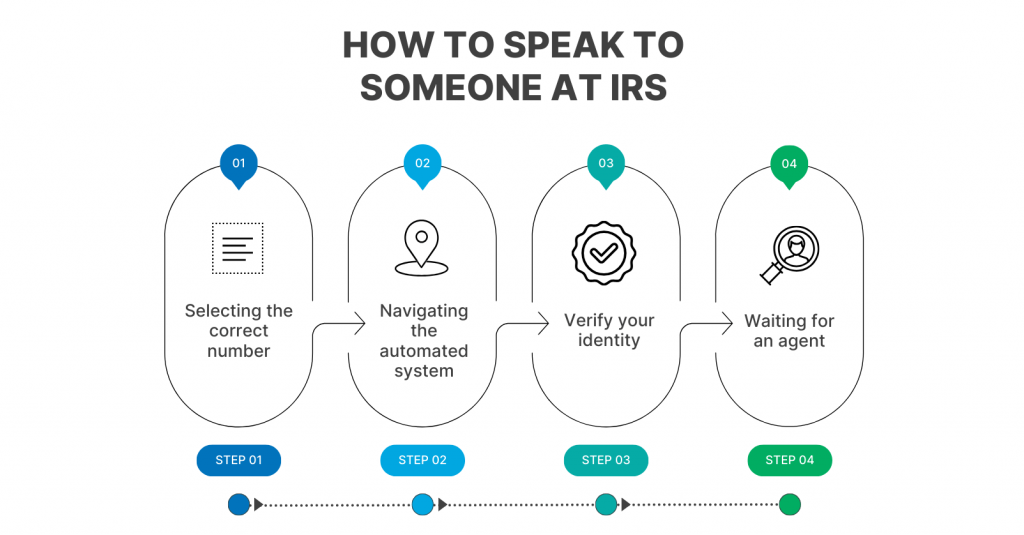
The most frequently used number is 800-829-1040. This line is dedicated to individual tax issues and is available from 7 a.m. to 7 p.m. local time, Monday through Friday. When calling this number, the automated system will prompt you to select various options. To ensure you reach the correct department, have your tax year and filing status ready.
If your inquiry is specifically about a tax refund—a critical component of many households’ annual cash flow—it is often more efficient to use the automated “Where’s My Refund?” line at 800-829-1954. This allows you to bypass general wait times and receive immediate updates on your liquid assets.
Strategic Preparation: The Pre-Call Checklist
Before dialing, you must have your financial dossier ready. The IRS agent will require specific verification to protect your financial identity. Ensure you have the following within reach:
- Social Security Numbers (SSN) or Individual Taxpayer Identification Numbers (ITIN).
- Birth dates for all individuals listed on the return.
- The previous year’s tax return (to verify Adjusted Gross Income).
- Any correspondence or notices received from the IRS (specifically the notice number in the top right corner).
Optimized Timing for Minimal Wait Times
In financial management, efficiency is paramount. To minimize the “opportunity cost” of sitting on hold, avoid calling on Mondays or during the peak weeks of the tax season (mid-February and early April). Data suggests that calling early in the morning, specifically Tuesday through Thursday, results in the shortest wait times. For those on the West Coast, calling right as the lines open at 7 a.m. EST can sometimes yield faster results, though you should verify if the local time rule applies to your specific routing.
Specialized Lines for Business Owners and Corporate Finance
Managing the finances of a business introduces a higher level of complexity than individual filing. The IRS provides dedicated support lines for business-related tax issues, ranging from Employer Identification Number (EIN) applications to complex corporate tax audits. For business owners, timely communication with the IRS is a matter of maintaining corporate compliance and protecting the company’s bottom line.
Business and Specialty Tax Assistance
Business owners should utilize the 800-829-4933 line. This department handles inquiries related to Form 1120 (Corporations), Form 1065 (Partnerships), and various excise and employment taxes. When calling as a business representative, you must be prepared to prove your authorization to speak on behalf of the entity. This typically requires having the business’s EIN and the official address on file.
If your business is facing a lien or levy, the financial stakes are significantly higher. In these instances, reaching out to the specialized “Collection” line at 800-829-3903 is necessary to negotiate payment plans or Offers in Compromise, which are essential for maintaining business continuity.
International Business and Expatriate Concerns
For American citizens living abroad or foreign entities with U.S. financial interests, the IRS maintains an international line: 267-941-1000 (not toll-free). This is a critical resource for managing international tax credits and ensuring that global income is reported correctly to avoid double taxation. Navigating international finance requires precision, and this direct line is the primary tool for resolving cross-border tax discrepancies.
The Role of the Taxpayer Advocate Service (TAS)
When a financial issue becomes an “economic burden”—such as when a delayed refund prevents a business from meeting payroll or an individual from paying essential bills—the Taxpayer Advocate Service (TAS) can intervene. You can reach the TAS at 877-777-4778. This is an independent organization within the IRS that acts as a financial ombudsman, ensuring that taxpayers’ rights are protected and that systemic issues are resolved when regular channels fail.
Strategic Alternatives and Supplemental Financial Tools
While the phone remains a vital tool for nuanced discussions, modern financial management often benefits from a “digital-first” approach. The IRS has expanded its suite of online tools, which can often provide the same information as a phone call with significantly less friction.
The IRS Online Account and Tax Pro Portal
For a high-level view of your financial standing with the government, creating an IRS Online Account is indispensable. This portal allows you to view the total amount you owe, your payment history, and key data from your most recent tax return. For financial advisors and CPAs, the “Tax Pro Account” allows for digitized power of attorney and tax information authorizations, which speeds up the process of third-party financial representation.
Leveraging the “Get Transcript” Tool
If you are applying for a mortgage or a significant business loan, lenders will require verified tax transcripts. Rather than waiting on hold to speak with an agent, you can use the automated transcript line at 800-908-9946 or the online “Get Transcript” tool. This ensures your financial applications stay on track without the delays inherent in manual processing.
Taxpayer Assistance Centers (TAC) for Complex Issues
For certain high-stakes financial resolutions, a face-to-face meeting is superior to a phone call. The IRS operates local Taxpayer Assistance Centers (TACs). However, these centers require an appointment, which must be made by calling 844-545-5640. This is particularly useful for complex identity theft cases or intricate payment negotiations that require the physical presentation of financial documents.
Protecting Your Financial Assets: Security and Scam Prevention
In the digital age, your financial security is under constant threat. Scammers frequently impersonate the IRS to gain access to bank accounts or personal identification. A professional approach to contacting the IRS must include a rigorous security protocol to protect your wealth.
Identifying Official IRS Communication vs. Scams
A key rule in financial security: The IRS will never initiate contact by phone, email, text message, or social media to request personal or financial information. Official communication almost always begins with a letter delivered by the U.S. Postal Service. If you receive an unsolicited call from someone claiming to be from the IRS and demanding immediate payment via wire transfer or gift card, it is a scam.
If you are unsure if a call is legitimate, the safest financial move is to hang up and call the official IRS numbers listed in this guide. By initiating the call yourself, you ensure that you are speaking with a verified federal employee.
Security Protocols During the Call
When you are on a legitimate call with the IRS, the agent will go through a series of “out-of-wallet” questions to verify your identity. While this can feel intrusive, it is a necessary safeguard for your financial records. Never provide your full Social Security Number or bank account details unless you have verified that you are on the official IRS line.
Furthermore, if you are discussing sensitive business financial data, ensure you are on a secure, private line rather than a public or unsecured VOIP connection. Protecting the confidentiality of your financial strategy is just as important as the tax filing itself.

Conclusion: Integrating IRS Communication into Your Financial Strategy
Contacting the IRS by phone should not be viewed as a last-resort crisis measure, but rather as a strategic tool in your broader financial management kit. Whether you are reconciling personal accounts, managing corporate tax liabilities, or protecting yourself from financial fraud, knowing the right numbers to call and the right information to provide is essential.
By staying informed about the various specialized lines—from the 800-829-1040 individual line to the 800-829-4933 business line—and utilizing the Taxpayer Advocate Service when necessary, you can navigate the complexities of the federal tax system with confidence. Remember that the goal of every interaction with the IRS is to ensure compliance, maximize your available capital, and safeguard your financial future. With the right preparation and a professional approach, you can manage your tax-related communications as efficiently as any other part of your investment or business portfolio.
aViewFromTheCave is a participant in the Amazon Services LLC Associates Program, an affiliate advertising program designed to provide a means for sites to earn advertising fees by advertising and linking to Amazon.com. Amazon, the Amazon logo, AmazonSupply, and the AmazonSupply logo are trademarks of Amazon.com, Inc. or its affiliates. As an Amazon Associate we earn affiliate commissions from qualifying purchases.