
When planning a premium vacation, the question “How much is a Disney Cruise?” is rarely answered with a single figure. Unlike budget-friendly lines that compete on low-entry price points, Disney Cruise Line (DCL) positions itself as a premium experience with a price tag to match. For families and travelers, understanding the financial architecture of a Disney cruise is essential for effective budgeting and ensuring a high return on investment.
From the base fare to the intricate layers of “hidden” costs and variable expenses, a Disney cruise is a significant financial commitment. To navigate this expense, one must look beyond the initial booking screen and analyze the full economic spectrum of the voyage.
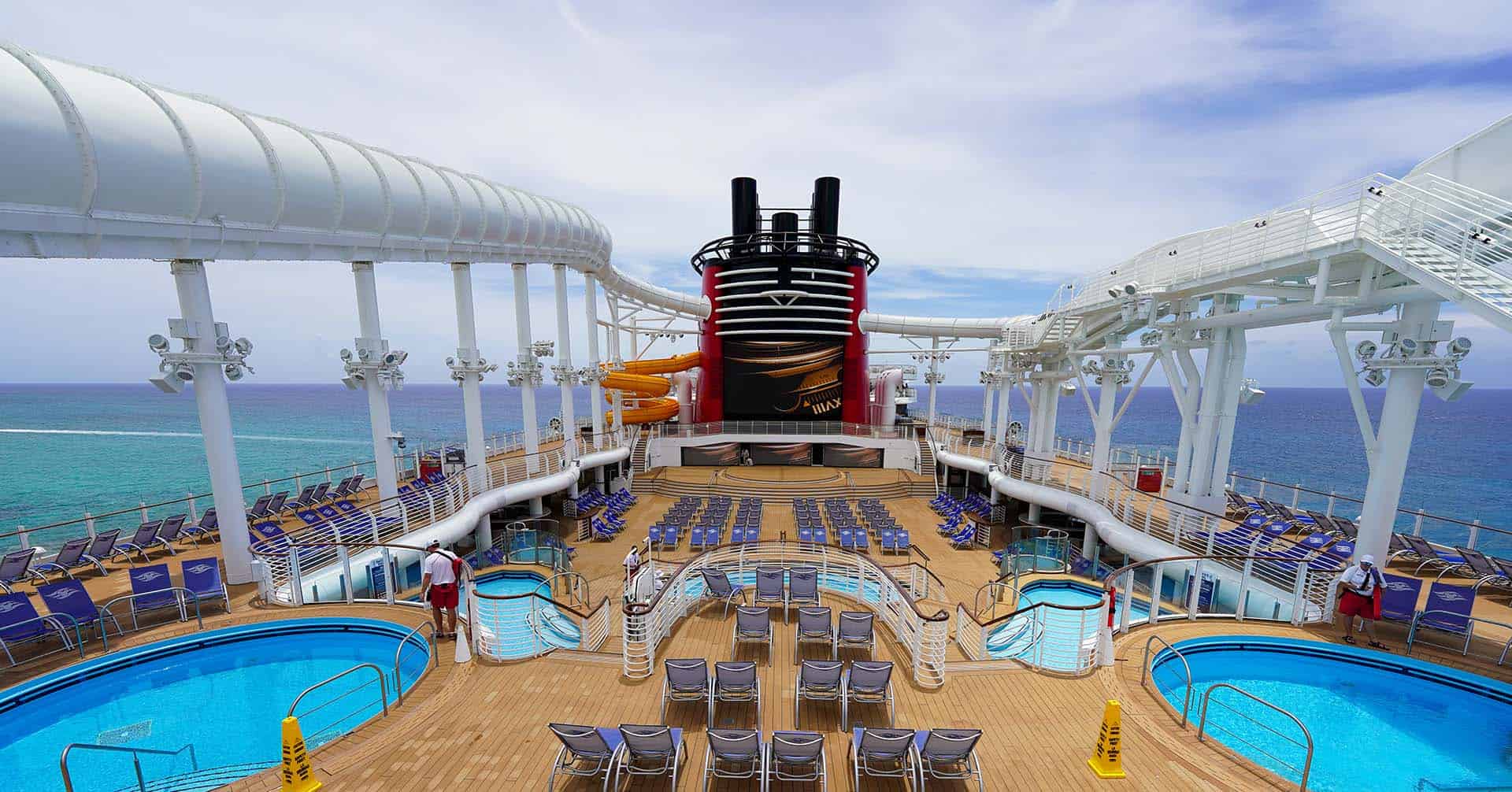
Understanding the Baseline: What’s Included in the Sticker Price?
The sticker price of a Disney cruise often induces “sticker shock” when compared to lines like Carnival or Royal Caribbean. However, from a financial perspective, it is important to categorize what the base fare actually covers. Disney utilizes a more inclusive pricing model than many of its competitors, which can simplify personal budgeting.
The Core Fare: Stateroom Categories and Tiers
The primary driver of the cost is the stateroom category. These are generally divided into four tiers: Inside, Oceanview, Verandah, and Concierge. For a standard 7-night Caribbean sailing, an inside cabin might start around $3,500 for two guests, while a Concierge-level suite can easily exceed $15,000.
From a money management perspective, the “Verandah” category often represents the highest demand. While more expensive than an inside room, it holds its value in terms of guest satisfaction and “space per dollar.” It is also important to note that Disney’s pricing is dynamic; the cost increases as the ship fills up. Booking “Opening Day” prices is the most effective way to lock in the lowest possible base fare.
Comprehensive Dining: From Main Dining to Quick Service
One of the most significant portions of the base fare is the food. Disney includes nearly all dining in its price. This includes the unique “Rotational Dining” experience where guests move to a different themed restaurant each night with the same waitstaff.
Unlike other lines that charge extra for “specialty” experiences that feel mandatory for quality, Disney’s main dining rooms provide high-end, multi-course meals that are included in the price. Additionally, 24-hour room service and unlimited soft drinks (a rarity on other lines that charge $10–$20 per day for soda packages) are included. When calculating your daily food budget, the Disney fare effectively zeros out your dining expenses unless you choose to dine at adult-only venues like Palo or Remy.
Entertainment and Activities: The “Invisible” Cost Savings
When analyzing the financial value of a Disney cruise, one must account for the entertainment that would otherwise cost hundreds of dollars on land. This includes Broadway-style stage shows, first-run movies (including Disney, Marvel, and Star Wars films currently in theaters), and high-production character meet-and-greets.
For a family of four, the cost of seeing a Broadway-caliber show and a new release movie on land could easily total $400. On a Disney ship, these are built into the fare. For travelers who prioritize high-quality entertainment, these “invisible” savings help justify the higher upfront cost of the cruise.
Variable Costs and Hidden Expenses: Budgeting Beyond the Fare
The base fare is rarely the final cost. To avoid financial surprises during the final night of the cruise, it is vital to account for variable expenses. These are the costs that are not included in the initial booking price but are almost certain to appear on your final folio.
Gratuities and Service Fees
Disney Cruise Line has a standard gratuity structure to ensure that the hardworking crew—including your server, assistant server, head server, and stateroom host—is compensated fairly. As of the current fiscal period, the recommended gratuity is approximately $14.50 per person, per day.
For a family of four on a 7-night cruise, this adds roughly $406 to the total cost. While these can be prepaid at the time of booking (which is recommended for better cash flow management), many first-time cruisers overlook this $400+ expense when calculating their initial budget.
Shore Excursions and Port Adventures
While the ship is a destination in itself, most travelers want to explore the ports of call. These “Port Adventures” can range from $50 per person for a simple beach bus to over $500 per person for private helicopter tours or niche experiences.
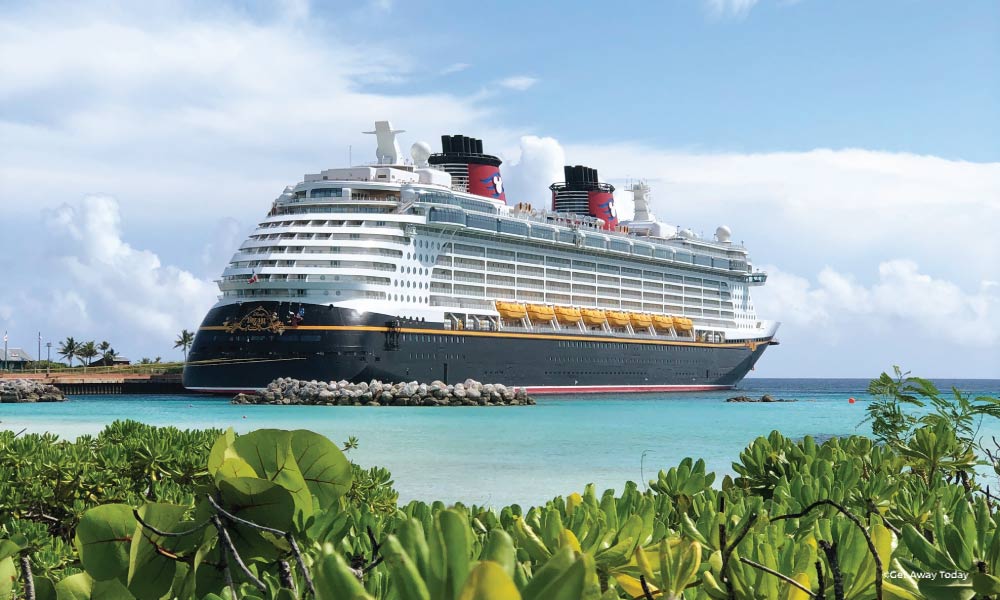
If your itinerary includes Disney’s private island, Castaway Cay, many activities (like the 5K run and lunch) are free. However, if you are visiting the Mediterranean or Alaska, shore excursions will likely be your largest secondary expense. A prudent financial plan should allocate at least $150 per person per port to ensure a quality experience without overextending the budget.
Connectivity and Alcohol: The Onboard Upsells
While sodas and coffee are free, alcohol and specialty coffees (from the Cove Cafe) are not. Disney does have a unique policy that allows guests to bring a limited amount of their own wine or beer on board, which can save a couple hundreds of dollars over the course of a week.
Furthermore, Wi-Fi on the high seas is notoriously expensive. Disney has moved toward a “pay-by-usage” or tiered day-pass system. For a traveler who needs to stay connected for business or personal reasons, budgeting $20–$30 per day for internet is a necessity. These small daily charges can aggregate into a significant sum by the end of the voyage.
Strategic Financial Planning for a Disney Vacation
Because a Disney cruise is a high-cost item, savvy consumers use various financial strategies to reduce the total outlay. You do not always have to pay the “full price” listed on the website if you understand the market mechanics of the cruise industry.
Timing the Market: Seasonal Pricing Fluctuations
The “when” is just as important as the “where” in terms of cost. Disney Cruise Line pricing follows the school calendar. If you travel during spring break, mid-summer, or Christmas, you will pay a 50% to 100% premium.
Conversely, sailing during the “shoulder seasons”—such as late August, September (hurricane season), or early February—can save a family thousands of dollars. From a financial perspective, if your schedule allows for flexibility, sailing during off-peak months offers the highest value for the exact same onboard experience.
Leveraging Rewards and Credit Card Points
Many travelers use the Disney Premier Visa Card to earn “Disney Dream Dollars” which can be applied directly to the cruise balance. While the earn rate on these cards may not be as high as premium travel cards (like the Chase Sapphire Reserve or Amex Platinum), the ability to utilize 0% interest for six months on Disney vacation packages is a significant cash-flow benefit for many families.
Additionally, buying Disney Gift Cards at a discount—often found at big-box retailers like Target or Sam’s Club—can provide an immediate 4% to 5% “discount” on the total cruise fare. On a $5,000 cruise, a 5% saving through gift cards equates to $250, which can cover the cost of gratuities.
The Disney Vacation Club (DVC) Math
For frequent Disney travelers, the Disney Vacation Club (DVC) offers a way to “pre-pay” for future vacations using a points-based real estate system. While using DVC points for cruises is often cited by financial analysts as a lower-value use of points compared to staying at deluxe resorts, it remains a popular way for members to offset the cash cost of a cruise. However, one must factor in the annual dues and the initial buy-in cost of the membership to determine the true “per-point” cost of the cruise.
The Value Proposition: Is the Premium Justifiable?
The final step in any financial analysis of a Disney cruise is determining the “Value for Money.” A higher price does not necessarily mean lower value; it simply means the expectations for the return on investment are higher.
Comparative Analysis: Disney vs. Competitors
When you compare a Disney cruise to a “luxury” line like Silversea or Regent Seven Seas, Disney actually appears more affordable. However, when compared to mass-market lines like Royal Caribbean, Disney is often double the price.
The financial justification for the Disney premium usually rests on three pillars: service, space, and brand equity. Disney ships have one of the highest crew-to-guest ratios in the industry. They also offer larger standard staterooms (many with the “split bath” configuration) which provides more functional utility for families.
Calculating the “Per-Person Per-Day” Metric
To truly understand the cost, financial planners recommend breaking the total cost down to a “per-person, per-day” (PPPD) metric. A $6,000 cruise for a family of four on a 7-night sailing comes out to roughly $214 per person, per day.
When you consider that this $214 covers lodging, high-end dining, world-class entertainment, and childcare (Disney’s kids’ clubs are widely considered the best in the industry), the price begins to look more reasonable. In many major US cities, a hotel room, three restaurant meals, and a theater ticket would easily exceed that $214 figure.
Conclusion
“How much is a Disney cruise?” The answer is a complex mosaic of base fares, planned variables, and strategic timing. While the initial investment is high, the inclusive nature of the brand and the high level of service offer a specific type of financial value for those who prioritize a seamless, high-quality family experience. By understanding the cost drivers—from stateroom tiers to gratuities—and utilizing financial tools like discounted gift cards and off-peak scheduling, travelers can manage the cost of a Disney Cruise Line vacation without compromising their long-term financial goals.
aViewFromTheCave is a participant in the Amazon Services LLC Associates Program, an affiliate advertising program designed to provide a means for sites to earn advertising fees by advertising and linking to Amazon.com. Amazon, the Amazon logo, AmazonSupply, and the AmazonSupply logo are trademarks of Amazon.com, Inc. or its affiliates. As an Amazon Associate we earn affiliate commissions from qualifying purchases.