
For many travelers, a cruise to the Bahamas represents the quintessential tropical getaway. However, from a personal finance perspective, the sticker price seen on a travel booking site is rarely the final amount that leaves your bank account. Understanding the true cost of a Bahamas cruise requires a deep dive into the nuances of maritime pricing, hidden fees, and the strategic allocation of your travel budget.
When asking “how much is a cruise to the Bahamas,” one must move beyond the marketing advertisements and look at the trip as a multi-layered financial commitment. By analyzing the base fares, mandatory surcharges, and variable expenses, you can create a realistic financial plan that ensures your vacation remains a source of relaxation rather than a source of debt.

Establishing Your Baseline: Understanding Base Fares and Seasonal Pricing
The “headline price” of a cruise is the base fare. In the financial context of cruise travel, this is your initial capital outlay. For a short three-to-five-day trip to the Bahamas, base fares can range from as low as $250 per person to over $1,500, depending on the cruise line and the time of year.
Off-Peak vs. Peak Season Financial Implications
Cruising is a market driven by supply and demand. If you have the flexibility to travel during “shoulder seasons”—specifically late August through November (hurricane season) or the weeks between Thanksgiving and Christmas—you will find the lowest base fares. Financially, this can represent a savings of 40% to 60% compared to peak times.
Conversely, peak season (March for Spring Break, June through August, and New Year’s week) sees prices skyrocket. From a budgeting standpoint, booking a Bahamas cruise during these windows requires significantly more liquid capital. It is important to weigh the “risk-adjusted value” of traveling during the cheaper hurricane season; while the price is lower, the potential for trip cancellation or itinerary changes increases, making travel insurance a non-negotiable financial add-on.
The “All-Inclusive” Myth: What the Base Fare Really Covers
In the world of personal finance, transparency is key. Most mainstream cruise lines (like Carnival, Royal Caribbean, or Norwegian) operate on a “unbundled” pricing model. Your base fare typically covers your stateroom, basic meals in the buffet and main dining room, and select onboard entertainment.
However, it is a mistake to view this as a truly all-inclusive price. When calculating your total expenditure, you must account for what is not included. This includes bottled water, sodas, alcoholic beverages, specialty coffee, and high-speed internet. If you fail to account for these daily micro-transactions, you may find your final bill at the end of the cruise is double the initial base fare.
The Hidden Line Items: Budgeting for Gratuities, Taxes, and Onboard Expenses
One of the most common pitfalls in vacation budgeting is overlooking the mandatory or near-mandatory fees that are added to the final invoice. These “hidden” costs are part of the operational reality of the cruise industry and must be factored into your financial planning from the outset.
Port Fees and Government Taxes
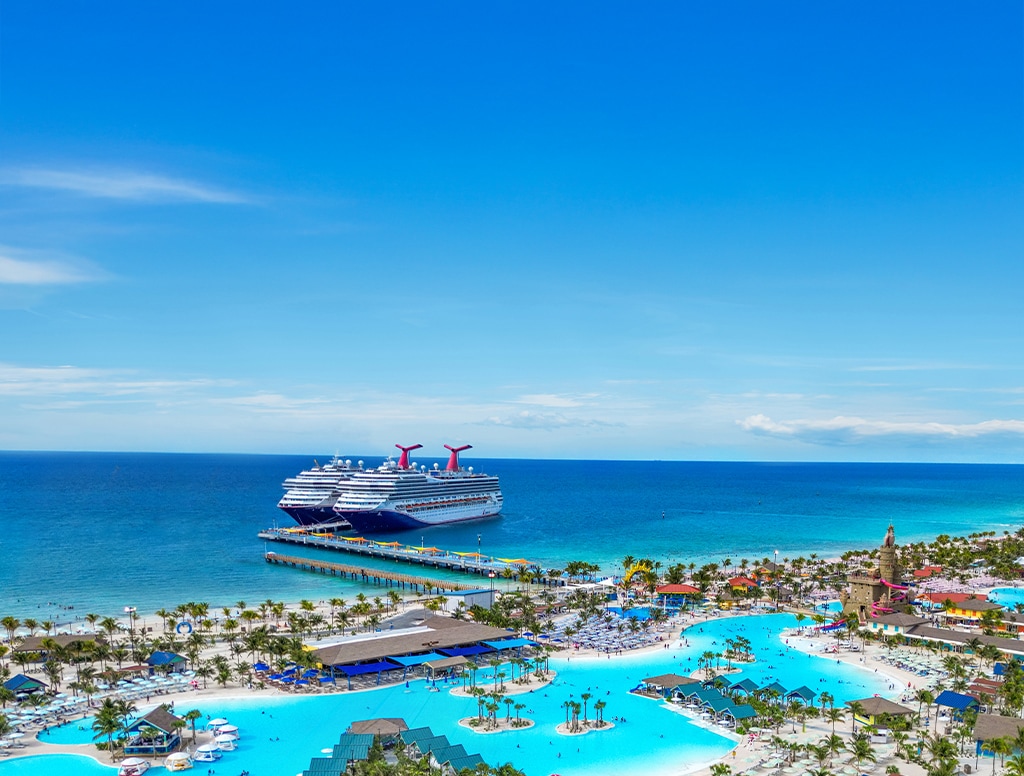
When you browse for a cruise, the initial price often excludes port taxes and fees. For a Bahamas itinerary, these fees can be substantial because the ship may dock at multiple locations like Nassau, Freeport, or a private island (like CocoCay or Great Stirrup Cay). These fees are determined by the local governments and the cruise line has no control over them. Expect to add between $150 and $250 per person to the advertised base fare for these non-negotiable costs.
Daily Service Charges and Mandatory Gratuities
Most cruise lines automatically add a daily gratuity or service charge to your onboard account. This typically ranges from $16 to $20 per person, per day. For a family of four on a four-night cruise, this adds an additional $256 to $320 to the total cost. From a financial management perspective, it is often wiser to “pre-pay” these gratuities at the time of booking. This allows you to lock in the current rate and ensures that this significant expense is handled before you even step foot on the ship, preventing “bill shock” on the final morning of the cruise.
Variable Onboard Costs: Wi-Fi, Drinks, and Specialty Dining
The onboard economy is designed to encourage spending. Modern cruise ships use “cashless” systems where every purchase is linked to your room key. This can lead to a psychological disconnect between spending and actual cost.
- Connectivity: If you need to work remotely or stay connected, Wi-Fi packages generally cost $20–$30 per day.
- Beverage Packages: If you consume alcohol, a “Deluxe Beverage Package” can cost between $60 and $100 per person, per day. You must perform a “break-even analysis” here: if you don’t plan on drinking at least 5-7 cocktails daily, it is financially more efficient to pay per drink.
- Specialty Dining: While the main dining room is “free,” specialty steakhouses or sushi bars often carry a cover charge of $40–$60 per person.
Maximizing ROI: Value Analysis of Excursions and Onshore Spending
The Bahamas offers a variety of experiences, from swimming with pigs to luxury beach clubs. However, the way you choose to spend your money onshore will significantly impact the Return on Investment (ROI) of your vacation.
Nassau and Freeport: Budgeting for Port Days
Nassau is one of the busiest cruise ports in the world. Upon arrival, you are greeted with a barrage of spending opportunities. To manage your money effectively, decide on your “port strategy” before you leave home. A day at a luxury resort like Atlantis can cost upwards of $200 per person for a day pass. Alternatively, a public beach or a self-guided walking tour of the historic Queen’s Staircase can keep your costs near zero.
Third-Party vs. Cruise Line Excursions: A Cost Comparison
When booking excursions, you have two primary options: booking through the cruise line or booking through an independent local operator.
- Cruise Line Excursions: These are more expensive (often a 20-30% markup) but provide “financial insurance.” If the excursion is late returning to the pier, the ship is contractually obligated to wait for you.
- Independent Operators: These are generally cheaper and offer a more personalized experience. However, they carry the risk of the ship leaving without you if there is a delay. From a risk-management perspective, if the price difference is marginal, the cruise-sponsored excursion often provides better peace of mind.
Strategic Financial Planning: How to Save and When to Book
To truly answer “how much is a cruise to the Bahamas,” one must look at the tools available to reduce the total cost. Smart financial planning can turn a $2,000 trip into a $1,200 trip through strategic booking and the use of financial instruments.
The Economics of Last-Minute vs. Early-Bird Booking
The cruise industry uses dynamic pricing models similar to airlines. There are two “sweet spots” for booking:
- The Early Bird (6–12 months out): This allows you to secure the lowest introductory rates and provides a longer “runway” to pay off the balance in installments, effectively creating an interest-free payment plan.
- The Last Minute (30–60 days out): After the “final payment date” for a cruise has passed, cruise lines know exactly how many cabins are empty. To ensure the ship sails at capacity (maximizing onboard spending), they often slash prices. This is a high-volatility strategy, as your preferred cabin type may not be available.
Utilizing Travel Credit Cards and Loyalty Programs
For those focused on “money moves,” using a dedicated travel credit card can offset the cost of a Bahamas cruise. Many cards offer sign-up bonuses that can cover the cost of airfare to the embarkation port (usually Miami, Fort Lauderdale, or Port Canaveral). Furthermore, earning “points” or “miles” on the cruise purchase itself can be recycled into future travel.
Additionally, every cruise line has a loyalty program. Even after just one cruise, you may qualify for “Past Guest” rates, which are often lower than the general public rates. Over time, these programs offer perks like free laundry, Wi-Fi, or beverage credits, which directly reduce the “onboard inflation” that plagues most vacation budgets.
Final Summary: The Real Bottom Line
So, how much is a cruise to the Bahamas? For a standard 4-night cruise for two people in a mid-range balcony cabin, a realistic financial breakdown looks like this:
- Base Fare: $800 ($400/person)
- Taxes & Port Fees: $400
- Gratuities: $144
- Onboard Spending (Wi-Fi, a few drinks): $300
- Onshore Excursion (one port): $250
- Total Estimated Outlay: $1,894
By viewing your Bahamas cruise through a financial lens, you move away from the “all-inclusive” illusion and toward a disciplined budgeting approach. Whether you are leveraging credit card rewards, booking during the off-season, or meticulously tracking your onboard “SeaPass” spending, the goal remains the same: to enjoy the luxury of the Bahamas without compromising your long-term financial health. Planning for the “real” cost ensures that the only thing you bring home from the islands is a tan, not a mountain of high-interest credit card debt.
aViewFromTheCave is a participant in the Amazon Services LLC Associates Program, an affiliate advertising program designed to provide a means for sites to earn advertising fees by advertising and linking to Amazon.com. Amazon, the Amazon logo, AmazonSupply, and the AmazonSupply logo are trademarks of Amazon.com, Inc. or its affiliates. As an Amazon Associate we earn affiliate commissions from qualifying purchases.