
Cruising has long been perceived as either a pinnacle of luxury or a budget-friendly way to see the world. However, from a personal finance perspective, determining exactly how much cruise tickets cost requires a deep dive into dynamic pricing, hidden variables, and the “all-inclusive” value proposition. In the modern financial landscape, booking a cruise is not just a simple purchase; it is an exercise in capital allocation for leisure.
Understanding the true cost of a cruise ticket involves peeling back the layers of base fares, taxes, port fees, and discretionary onboard spending. Whether you are a frugal traveler looking for the best return on investment (ROI) or a high-net-worth individual seeking a luxury experience, navigating the economics of the cruise industry is essential for sound financial planning.
1. Decoding the Base Fare: What Your Money Actually Buys
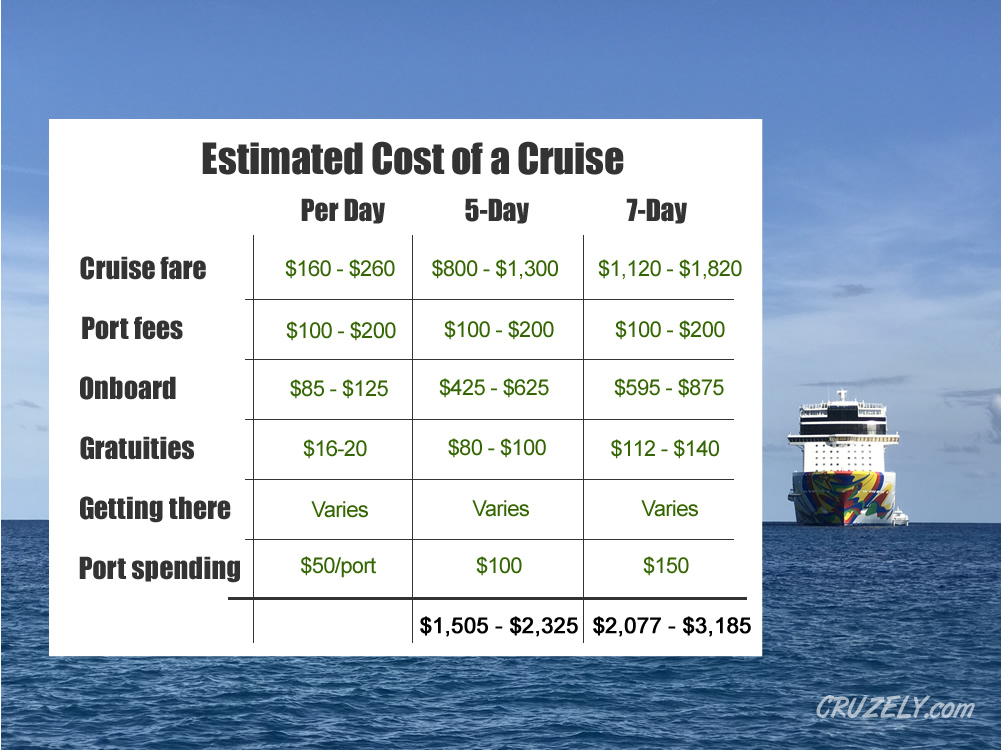
The headline price you see on a travel website is rarely the final amount that leaves your bank account. In the world of personal finance, the “sticker price” of a cruise is merely the entry point into a multi-tiered spending ecosystem.
The Tiered Pricing Model of Staterooms
The most significant factor in the cost of a cruise ticket is the type of accommodation chosen. Cruise lines operate on a tiered pricing model that mirrors real estate values. Interior cabins are the “entry-level” assets, offering the lowest price point by sacrificing natural light and space. These are ideal for budget-conscious travelers who view the cabin as a depreciating asset only used for sleep.
Moving up the ladder, ocean-view and balcony cabins represent a mid-tier investment, often costing 30% to 50% more than interior rooms. At the top of the pyramid are suites and “ship-within-a-ship” concepts (like MSC’s Yacht Club or NCL’s The Haven), which can cost five to ten times the base fare but provide a vastly different level of service and exclusivity.
The “All-Inclusive” Value Proposition
To accurately assess how much a cruise ticket costs, one must evaluate what is included in the base fare. Typically, this covers transportation between ports, basic lodging, most meals in the main dining room or buffet, and standard entertainment. From a financial standpoint, this “bundled service” model can be more cost-effective than land-based travel, where hotel, food, and transit are unbundled and subject to individual inflation. However, the definition of “all-inclusive” varies wildly by brand, with luxury lines including alcoholic beverages and excursions in the ticket price, while budget lines charge extra for almost everything.
2. Factors Influencing Dynamic Pricing and Your Budget
Cruise lines utilize sophisticated AI-driven dynamic pricing algorithms, similar to airlines, to maximize their revenue per berth. Understanding these fluctuations is key to timing your purchase for maximum financial efficiency.
Seasonal Fluctuations and Market Demand
The time of year you choose to sail is perhaps the largest variable in the price of a ticket. In the cruise industry, this is divided into high season, shoulder season, and low season. During peak periods—such as summer in the Mediterranean or school holidays in the Caribbean—prices can double or triple. Conversely, “repositioning cruises,” where ships move from one region to another (e.g., crossing the Atlantic), offer some of the lowest cost-per-day ratios in the entire travel industry, making them a favorite for those focused on maximizing their travel budget.
Itinerary Length and Port Fees
While the daily rate is a useful metric, the total ticket price is heavily influenced by the length of the sailing and the specific ports of call. Longer voyages (10+ days) often have a lower daily rate but a higher total cost. Furthermore, every ticket is subject to “Taxes, Fees, and Port Expenses.” These are mandatory pass-through costs that the cruise line collects on behalf of local governments. In some regions, like Alaska or the Panama Canal, these fees can add several hundred dollars to the base ticket price, a crucial detail for anyone tracking their personal expenses.
3. The “Hidden” Costs: Budgeting for the Full Experience
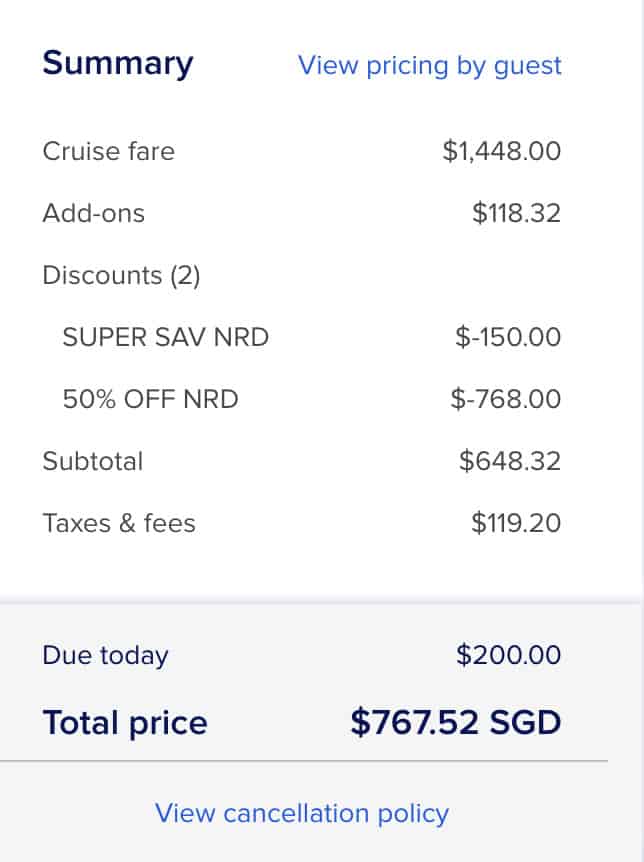
A common mistake in personal finance is failing to account for “ancillary spend.” In the cruise industry, the ticket price is often just the beginning of the financial journey.
Gratuities and Service Charges
Most major cruise lines automatically add a daily gratuity or service charge to your onboard account, typically ranging from $14 to $20 per person, per day. While some travelers choose to prepay these to lock in their budget, others find them a surprise at the end of the voyage. When calculating how much cruise tickets cost, these mandatory “tips” should be factored into the initial cost analysis as they represent a non-negotiable 10% to 15% increase over the advertised fare.
Onboard Monetization: Drinks, Dining, and WiFi
The modern cruise business model relies heavily on onboard revenue. Specialty dining (upscale restaurants not included in the fare), beverage packages (alcoholic and soft drinks), and internet access are the primary drivers of this revenue. For a couple, a premium drink package can easily add $1,000 to a week-long cruise. From a budgeting perspective, it is essential to determine your consumption habits beforehand. If you are a social drinker, a package may provide a better “break-even” point; if not, paying a la carte is often the more financially sound decision.
4. Strategic Financial Planning for a Cruise
Securing the best price on a cruise requires a combination of timing, tool usage, and financial strategy. Treating your vacation booking like a market investment can lead to significant savings.
Booking Windows: Last-Minute vs. Early Bird
There are two primary schools of thought for financial optimization in cruise booking. The “Early Bird” strategy involves booking 12 to 18 months in advance to secure the lowest introductory rates and the best choice of cabins. Many cruise lines offer “price protection” policies where they will match a lower price if it drops before your final payment.
On the other hand, the “Last-Minute” strategy targets unsold inventory within 90 days of sailing. While this can result in massive discounts, it requires extreme flexibility and often excludes the most desirable cabin categories. For those with a fixed vacation schedule, the Early Bird strategy usually offers the best risk-adjusted value.
Utilizing Financial Tools and Loyalty Programs
To further reduce the effective cost of a cruise ticket, savvy travelers leverage credit card rewards and loyalty programs. Many cruise lines offer co-branded credit cards that provide “onboard credit” or discounts on fares. Additionally, “Future Cruise Certificates”—deposits purchased while currently on a ship—often provide significant discounts or perks for the next booking. By treating these programs as a form of “travel equity,” you can compound your savings over multiple years of travel.
5. The Value Proposition: Cruise vs. Land-Based Travel
To truly understand how much a cruise ticket is worth, one must compare it to the cost of a comparable land-based vacation. This is where the concept of “Vacation ROI” becomes most apparent.
Cost-per-Day Comparison
If you were to book a four-star hotel, pay for three multi-course meals a day, pay for nightly theater entertainment, and cover the cost of transportation between three different Mediterranean cities, the daily cost would likely exceed $400 to $500 per person. A mid-range cruise ticket, even with added fees, might average $150 to $250 per day. When viewed through this lens, the “all-in” nature of a cruise ticket provides a high level of financial efficiency, particularly for families and group travelers.
Maximizing Your Vacation Equity
Ultimately, the price of a cruise ticket is a reflection of the convenience and variety offered by the platform. By understanding the underlying business model of the cruise industry—where the ticket gets you on the ship and the onboard experience generates the profit—you can make informed decisions. Budgeting for a cruise is not about finding the lowest number; it is about identifying the price point where the inclusions meet your personal requirements for comfort and experience, ensuring that your discretionary spending yields the highest possible satisfaction.
In conclusion, a cruise ticket can cost anywhere from $50 per day to over $2,000 per day depending on the variables discussed. By applying the principles of personal finance—analyzing the total cost of ownership, timing the market, and understanding the bundled value—you can ensure that your next voyage is as fiscally responsible as it is enjoyable.
aViewFromTheCave is a participant in the Amazon Services LLC Associates Program, an affiliate advertising program designed to provide a means for sites to earn advertising fees by advertising and linking to Amazon.com. Amazon, the Amazon logo, AmazonSupply, and the AmazonSupply logo are trademarks of Amazon.com, Inc. or its affiliates. As an Amazon Associate we earn affiliate commissions from qualifying purchases.