
Understanding the mechanics of the stock market often feels like trying to read a complex, ever-shifting weather map. When the “green” dominates the screen and major indices like the S&P 500, the Dow Jones Industrial Average, and the Nasdaq Composite post significant gains, investors naturally ask: Why is the stock market up today? Market movements are rarely the result of a single isolated event. Instead, they are the culmination of macroeconomic data, corporate performance, and the psychological state of millions of participants worldwide.
In today’s financial landscape, several pivotal factors typically converge to drive prices upward. From the nuances of monetary policy to the resilience of the global consumer, identifying these drivers is essential for any investor looking to navigate the complexities of personal finance and wealth management.
Macroeconomic Indicators: The Federal Reserve and the Inflation Narrative
The most powerful force in modern finance is arguably the central bank. In the United States, the Federal Reserve’s decisions regarding interest rates act as the primary thermostat for the economy. When the market rallies, it is often because investors have received clarity—or a sense of optimism—regarding the Fed’s next move.
The Consumer Price Index (CPI) and Inflation Cooling
Inflation is the natural enemy of equity valuations. When the cost of living rises too quickly, the Fed raises interest rates to cool the economy, which generally hurts stock prices. Conversely, when the Consumer Price Index (CPI) or the Personal Consumption Expenditures (PCE) price index shows signs of cooling, the market reacts with a sigh of relief. A “cooler than expected” inflation report is one of the most common reasons for a market surge. It suggests that the Fed may pause rate hikes or, better yet, begin cutting them. Lower rates reduce the cost of borrowing for companies and individuals, stimulating economic activity and making stocks more attractive compared to fixed-income assets like bonds.
The “Soft Landing” Narrative
For much of the past two years, economists have debated whether the economy would face a “hard landing” (a recession) or a “soft landing” (inflation reaching the 2% target without a significant spike in unemployment). When the market is up today, it is often because new labor market data—such as the Non-Farm Payrolls report—suggests the economy is “just right.” If job growth remains steady but wage inflation isn’t spiraling, investors gain confidence that the economy can sustain growth without triggering further aggressive monetary tightening.
Interest Rate Expectations and Treasury Yields
The relationship between the stock market and the bond market is symbiotic. When the yield on the 10-year Treasury note drops, stocks typically rise. Lower yields mean that the “discount rate” applied to future corporate earnings is lower, which mathematically increases the present value of stocks. Today’s upward movement is likely tied to a stabilization in the bond market, signaling that investors believe the era of peak interest rates is behind us.
Corporate Earnings: The Engine of Equity Growth
While the “macro” provides the backdrop, “micro” factors—specifically corporate earnings—provide the fuel. The stock market is ultimately a collection of businesses, and if those businesses are making more money than expected, their share prices will reflect that reality.
The Influence of the “Magnificent Seven” and Big Tech
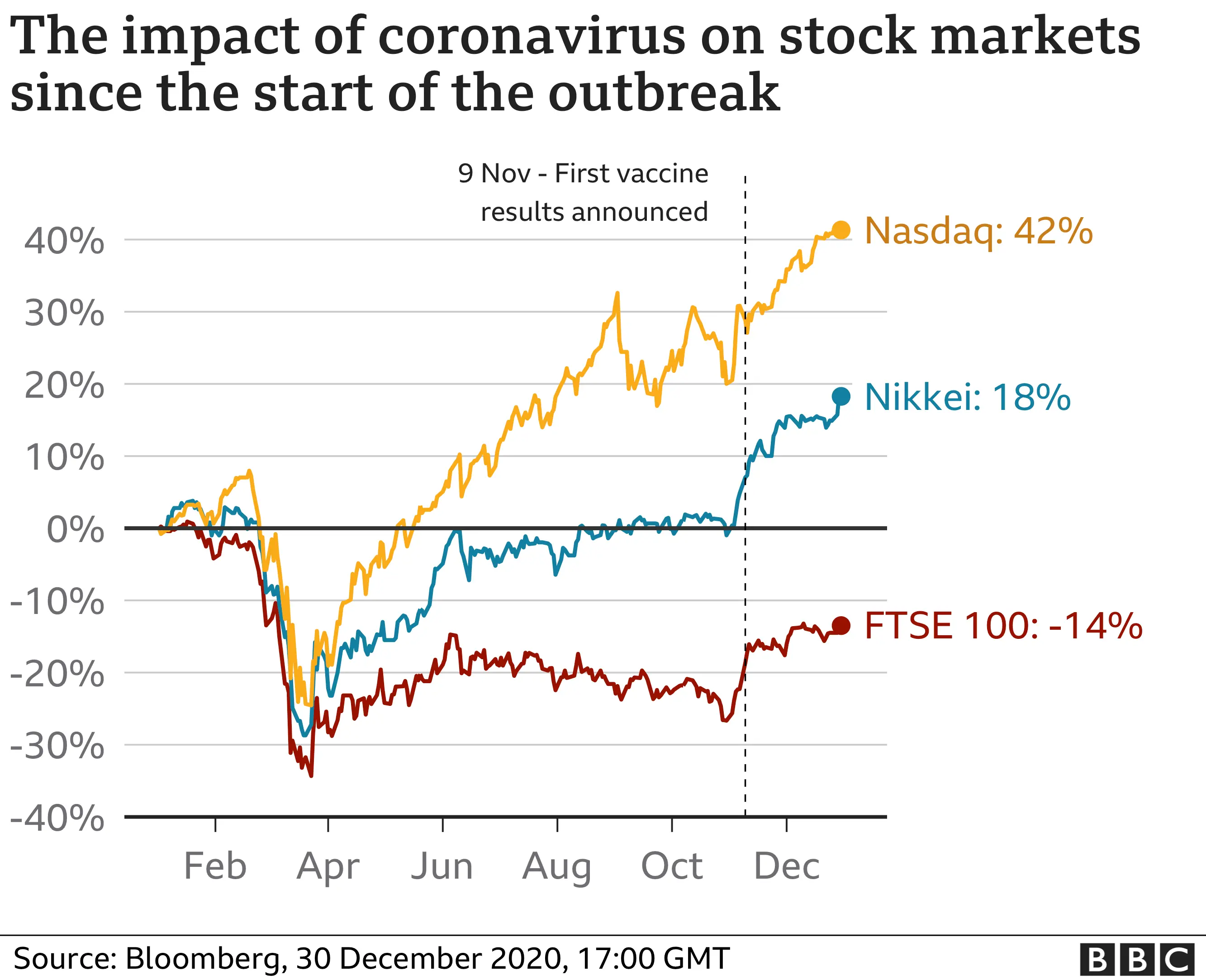
In the current market era, a handful of mega-cap technology companies exert an outsized influence on the major indices. When we see the Nasdaq climbing, it is often driven by stellar quarterly reports or optimistic forward guidance from leaders in the artificial intelligence (AI) and cloud computing space. These companies possess massive cash reserves and high margins, making them “safe havens” during periods of uncertainty. If these giants report strong revenue growth or cost-cutting efficiencies, they can lift the entire market single-handedly.
Resilience in Consumer Spending
Consumer discretionary and retail stocks provide a window into the health of the average household. If major retailers report strong earnings, it indicates that despite inflationary pressures, the consumer is still spending. Since consumer spending accounts for approximately 70% of the U.S. GDP, any sign of consumer resilience is a massive “green flag” for investors. A market rally is often a vote of confidence in the continued purchasing power of the public.
Forward Guidance and Profit Margins
Stock prices are forward-looking. A company could report mediocre current earnings, but if its management raises its “guidance” (expectations for the next quarter or year), the stock will likely soar. Today’s market strength often stems from a collective realization that corporate profit margins are expanding. Through the integration of automation and more efficient supply chains, many companies are proving they can maintain profitability even in a high-interest-rate environment.
Investor Psychology and Technical Momentum

The stock market is not a laboratory; it is a stadium filled with human emotion. Greed, fear, and the “Fear Of Missing Out” (FOMO) play significant roles in daily price action.
Breaking Through Technical Resistance Levels
Traders often look at “charts” to determine where a stock or index might go next. If the S&P 500 has been struggling to move past a certain price point (a “resistance level”) and finally breaks above it, it triggers a wave of automated buying. This technical breakout creates a self-fulfilling prophecy: the higher the price goes, the more “momentum” traders jump in, pushing the price even higher. Today’s gains could be the result of the market clearing a major psychological hurdle, such as a round number (e.g., 5,000 on the S&P) or a 200-day moving average.
Short Covering and the “Squeeze”
In a falling market, many institutional investors “short” stocks, betting that prices will go lower. However, if positive news hits the wires, these short-sellers must buy back shares to close their positions and limit their losses. This “short covering” creates a rapid surge in demand for shares, which accelerates the upward movement. Sometimes, the market isn’t up just because people are optimistic; it’s up because those who were pessimistic are being forced to buy.
Institutional Rebalancing and “Dry Powder”
Large institutional investors, such as pension funds and mutual funds, manage trillions of dollars. At various points in the month or quarter, they must rebalance their portfolios. If they have been sitting on high levels of cash—often referred to as “dry powder”—and they see a stabilization in the economy, they will begin to deploy that cash back into equities. This massive influx of institutional capital provides the “floor” for the market and can drive a sustained rally throughout the trading day.
External Factors: Geopolitics and Commodity Stability
The global economy is interconnected, and events thousands of miles away can dictate the direction of the New York Stock Exchange.
Stability in Energy Prices
Oil and gas prices are the “hidden tax” on the economy. When crude oil prices drop or stabilize, it lowers transportation costs for companies and leaves more disposable income in the pockets of consumers. A rally in the stock market often coincides with a period of stability in the energy sector. If geopolitical tensions in oil-producing regions show signs of de-escalation, the market views this as a reduction in systemic risk, leading to an increase in equity prices.
Global Trade and Currency Fluctuations
The strength of the U.S. Dollar also plays a role. While a strong dollar shows confidence in the U.S. economy, it can hurt the earnings of multinational corporations when they convert foreign profits back into dollars. If the dollar softens slightly against the Euro or Yen, it can provide a boost to the “big-cap” stocks that do significant business overseas. Furthermore, positive economic data from major trading partners like the Eurozone or China can lift global sentiment, benefiting domestic markets.
Navigating the Green: Strategic Takeaways for Investors
When the market is up, it is easy to get swept up in the excitement. However, for the disciplined investor, a “green day” is a time for reflection rather than impulsive action.
Avoiding the FOMO Trap
It is a common mistake to “chase” a rally. Buying stocks simply because they are going up today can lead to buying at a local peak. Successful investing in the “Money” niche requires a long-term perspective. Instead of reacting to daily fluctuations, investors should focus on their pre-defined asset allocation. If the market is up today, it might be a better time to evaluate your winners rather than rushing to buy more at higher prices.
The Importance of Diversification
A broad market rally often hides the fact that not all sectors are performing equally. While Tech might be leading the charge, Utilities or Healthcare might be lagging. Today’s upward movement is a reminder of why diversification is the “only free lunch” in finance. By holding a mix of sectors and asset classes, you ensure that your portfolio participates in the upside while remaining protected against the eventual—and inevitable—market pullbacks.

Rebalancing During Rallies
For those practicing active portfolio management, a significant market upswing provides an opportunity to rebalance. If your target allocation is 60% stocks and 40% bonds, a major rally might push your stock weight to 65%. Selling a small portion of your gains to move back to your target allocation allows you to “sell high” and maintain your risk profile, ensuring that you are prepared for whatever the market brings tomorrow.
In conclusion, the reason the stock market is up today is rarely a simple answer. It is a tapestry woven from cooling inflation data, robust corporate earnings, technical momentum, and a resilient global consumer. For the savvy investor, understanding these underlying forces is the key to moving beyond the “noise” of daily price action and building a robust, long-term financial future.
aViewFromTheCave is a participant in the Amazon Services LLC Associates Program, an affiliate advertising program designed to provide a means for sites to earn advertising fees by advertising and linking to Amazon.com. Amazon, the Amazon logo, AmazonSupply, and the AmazonSupply logo are trademarks of Amazon.com, Inc. or its affiliates. As an Amazon Associate we earn affiliate commissions from qualifying purchases.