
In the fast-paced world of global finance, the question “how did the stock market do yesterday?” is more than just a casual inquiry; it is a fundamental ritual for investors, business leaders, and personal finance enthusiasts alike. The performance of the equity markets on any given day serves as a snapshot of collective economic sentiment, a reaction to geopolitical shifts, and a report card for the world’s largest corporations. However, understanding the true meaning behind the daily fluctuations requires more than a glance at a green or red arrow. To gain genuine insight, one must delve into the indices, the catalysts, and the broader context of the financial landscape.
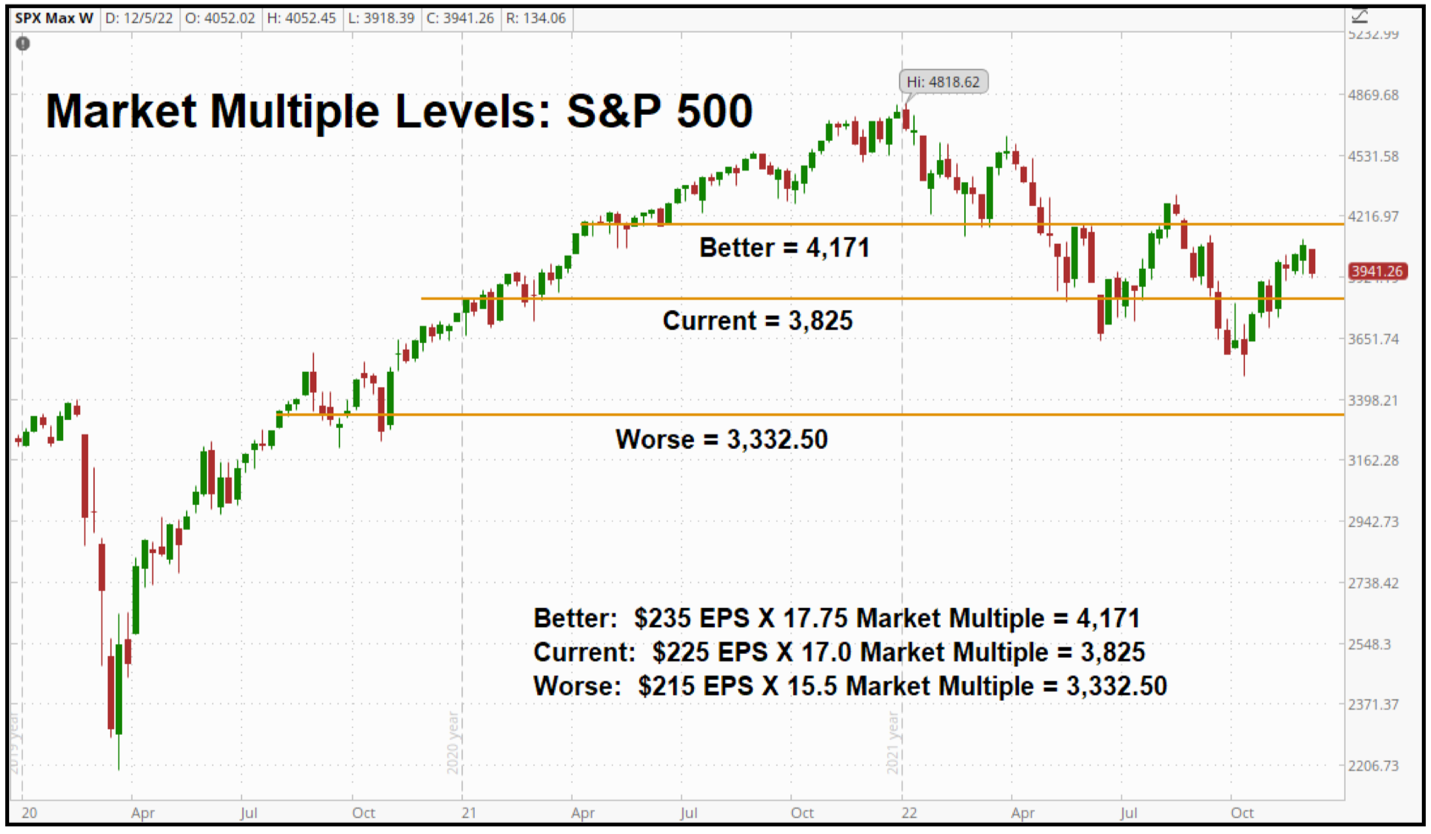
Decoding the Major Indices: The Pulse of the Market
When news outlets report on how the market performed, they are typically referring to the movement of major indices. These indices act as benchmarks, grouping together various stocks to provide a representative sample of the market’s overall health. Understanding the nuance of each index is the first step in interpreting yesterday’s data.
The S&P 500: The Standard Benchmark
The Standard & Poor’s 500 is arguably the most important metric for American investors. Comprising 500 of the largest publicly traded companies in the U.S., it covers approximately 80% of the available market capitalization. If the S&P 500 was up yesterday, it generally signifies a broad sense of confidence across multiple sectors, including healthcare, finance, and consumer staples. Because it is market-cap weighted, the performance of massive companies like Apple or Microsoft has a disproportionate impact on the index, making it a reflection of the “heavyweights” of the economy.
The Dow Jones Industrial Average: The Blue-Chip Indicator
The Dow Jones Industrial Average (DJIA) is the oldest and perhaps most famous index, consisting of 30 “blue-chip” companies. Unlike the S&P 500, the Dow is price-weighted, meaning stocks with higher share prices influence the index more than those with lower prices. When you look at yesterday’s Dow performance, you are looking at the stability and sentiment surrounding established industrial and financial giants. While it is less representative of the total market than the S&P 500, it remains a vital psychological indicator for retail investors.
The Nasdaq Composite: The Growth and Tech Narrative
If yesterday’s headlines focused on a massive surge or a steep decline in technology stocks, the Nasdaq Composite was likely the center of attention. This index is heavily weighted toward the technology, biotechnology, and communication sectors. It serves as a barometer for “risk-on” or “risk-off” sentiment. A strong day for the Nasdaq usually suggests that investors are optimistic about future growth and innovation, whereas a sharp drop might indicate concerns over interest rates or overvaluation in the tech space.
Understanding the Drivers Behind Daily Fluctuations
The stock market does not move in a vacuum. Every uptick and downtick yesterday was the result of millions of participants processing information in real-time. To understand why the market behaved the way it did, we must look at the specific catalysts that drive price action.
Economic Indicators and Central Bank Policy
One of the most frequent reasons for market volatility is the release of economic data. If yesterday saw the release of the Consumer Price Index (CPI) or employment figures, the market was likely reacting to what those numbers mean for inflation and labor health. Furthermore, investors are constantly “Fed-watching.” Any signals from the Federal Reserve regarding interest rate hikes or cuts can cause immediate shifts. High interest rates generally make borrowing more expensive for companies, which can suppress stock prices, while the prospect of rate cuts often fuels a market rally.
Corporate Earnings and Sector-Specific News
We are currently in an era where “earnings season” can make or break market momentum. If a major company—particularly one in the “Magnificent Seven”—reported quarterly results yesterday, its individual performance could have pulled the entire index up or down. Positive earnings surprises suggest corporate resilience, while missed targets or lowered guidance can trigger a sell-off. Beyond earnings, regulatory news, such as a new antitrust lawsuit or a breakthrough in medical research, can cause specific sectors like Tech or Healthcare to diverge from the rest of the market.
Geopolitical Events and Global Sentiments
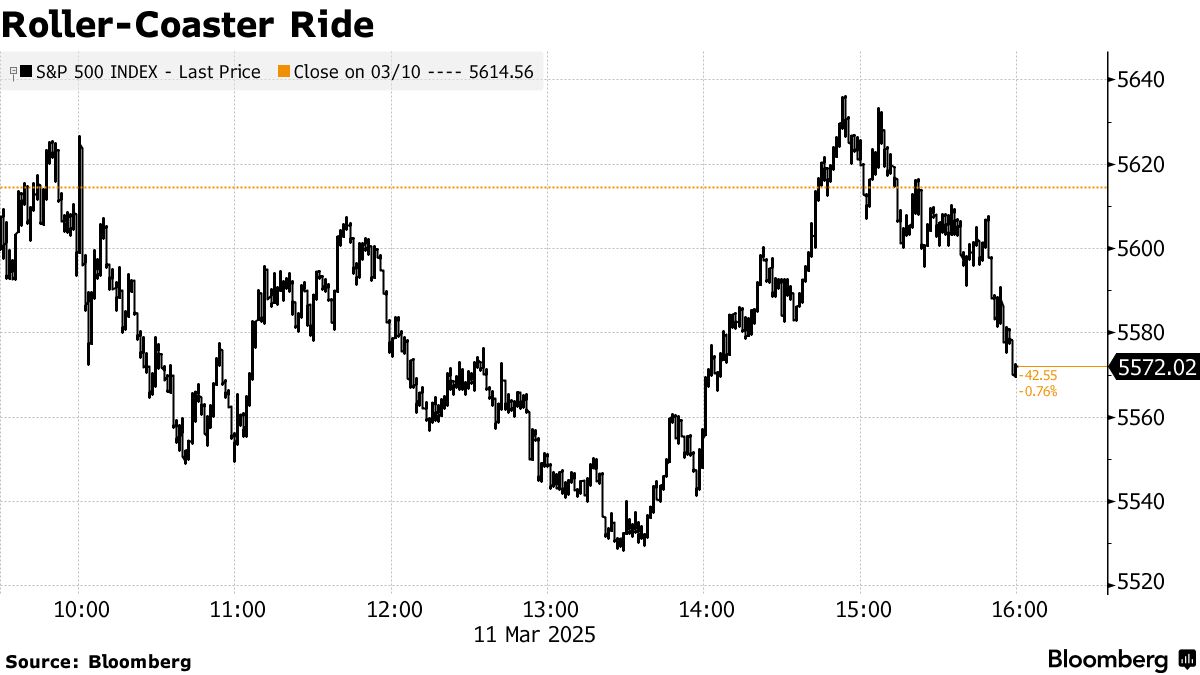
The modern financial system is inextricably linked across borders. A political upheaval in Europe, a change in oil production quotas in the Middle East, or trade negotiations in Asia can all influence how the U.S. market closes. Geopolitical instability often leads to a “flight to safety,” where investors pull money out of stocks and move it into gold or government bonds. If yesterday’s market was particularly volatile, it is often helpful to look at global news headlines to see if an external shock disrupted the status quo.
Market Breadth and Technical Indicators: Beyond the Headlines
A single number—the percentage change in an index—only tells half the story. To truly understand how the stock market did yesterday, sophisticated investors look at market “breadth” and various technical indicators that reveal the internal strength of the move.
Advance-Decline Ratios and Trading Volume
Market breadth refers to how many individual stocks participated in the day’s move. If the S&P 500 was up 1%, but only 100 stocks rose while 400 fell, the market’s “gain” is considered “thin” and potentially unsustainable. Conversely, a “broad-based rally,” where the majority of stocks in an index rise, is a much healthier sign of market strength. Additionally, trading volume—the total number of shares traded—provides context. A large price move on high volume indicates strong conviction among institutional investors, whereas a move on low volume might be a statistical anomaly with little staying power.
Volatility and the VIX Index
Commonly known as the “fear gauge,” the CBOE Volatility Index (VIX) measures the market’s expectation of 30-day forward-looking volatility. If the VIX spiked yesterday, it means investors are buying “insurance” in the form of options, signaling nervousness about the immediate future. Monitoring the relationship between the VIX and the major indices helps determine if yesterday’s price action was driven by orderly trading or by panic and uncertainty.
Sector Rotations: Who Won and Who Lost?
Looking at the “Heat Map” of yesterday’s performance reveals where the money is moving. Sometimes the overall market is flat, but a massive rotation is happening under the surface. For instance, investors might be selling “Growth” stocks (like high-flying tech) and buying “Value” stocks (like utilities or consumer staples). This sector rotation tells a story about where investors think the economy is headed. If defensive sectors like Utilities and Healthcare outperformed yesterday, it suggests a defensive posture among market participants.
Putting “Yesterday” into Long-Term Perspective
While it is important to stay informed about daily market movements, the most successful investors understand that “yesterday” is just one data point in a much larger trend. Managing one’s personal finances requires a balance between staying informed and avoiding the pitfalls of short-term emotional reactions.
The Danger of Short-Term Reactionism
The human brain is hardwired to seek patterns and respond to perceived threats. When the market has a “bad” day, the instinct is often to sell to prevent further losses. However, data historically shows that some of the market’s best days follow its worst. Reacting to yesterday’s performance by making drastic changes to a long-term portfolio often results in “buying high and selling low.” In the world of investing, discipline usually yields better results than agility.
Analyzing Trends vs. Daily Noise
Financial experts often distinguish between “signal” and “noise.” Daily fluctuations are frequently noise—random movements based on temporary sentiment or minor news. The “signal” is the long-term trajectory of corporate earnings, economic growth, and innovation. To determine if yesterday’s performance matters, one must ask if the fundamental reasons for owning an investment have changed. A 2% drop because of a misinterpreted comment by a central banker is noise; a 2% drop because a company’s core product has become obsolete is a signal.

How to Adjust Your Strategy Without Overreacting
If yesterday’s market performance has made you uneasy, the solution is rarely a total exit from the market. Instead, it serves as a prompt to review your asset allocation. Are you over-leveraged in one sector? Does your portfolio match your risk tolerance? Use daily market updates as a tool for “rebalancing” rather than “reacting.” If a specific sector has grown to represent too much of your portfolio due to a long rally, a day of consolidation might be the perfect time to lock in some profits and move them into more stable assets.
In conclusion, “how the market did yesterday” provides a fascinating look into the immediate psyche of the global economy. By breaking down the performance into specific indices, identifying the underlying economic drivers, and analyzing market breadth, you can transform a simple percentage change into a comprehensive financial narrative. Remember, the market is a marathon, not a sprint; while yesterday’s results provide the context for today’s decisions, it is your long-term strategy that will ultimately determine your financial success.
aViewFromTheCave is a participant in the Amazon Services LLC Associates Program, an affiliate advertising program designed to provide a means for sites to earn advertising fees by advertising and linking to Amazon.com. Amazon, the Amazon logo, AmazonSupply, and the AmazonSupply logo are trademarks of Amazon.com, Inc. or its affiliates. As an Amazon Associate we earn affiliate commissions from qualifying purchases.