
Securing a loan is often the bridge between a financial aspiration and its realization. Whether you are looking to purchase your first home, expand a small business, or consolidate high-interest debt, the approval process can feel like a daunting gauntlet of scrutiny. However, loan approval is not a matter of luck; it is a calculated assessment of risk conducted by financial institutions. By understanding the mechanics of lending and optimizing your financial profile, you can shift the odds significantly in your favor.
In the modern economic landscape, lenders utilize sophisticated algorithms and traditional manual underwriting to determine your “creditworthiness.” To navigate this successfully, you must present a profile that minimizes perceived risk while demonstrating a consistent capacity for repayment. This guide explores the strategic steps required to get approved for a loan, from the foundational elements of credit health to the nuances of the application process.
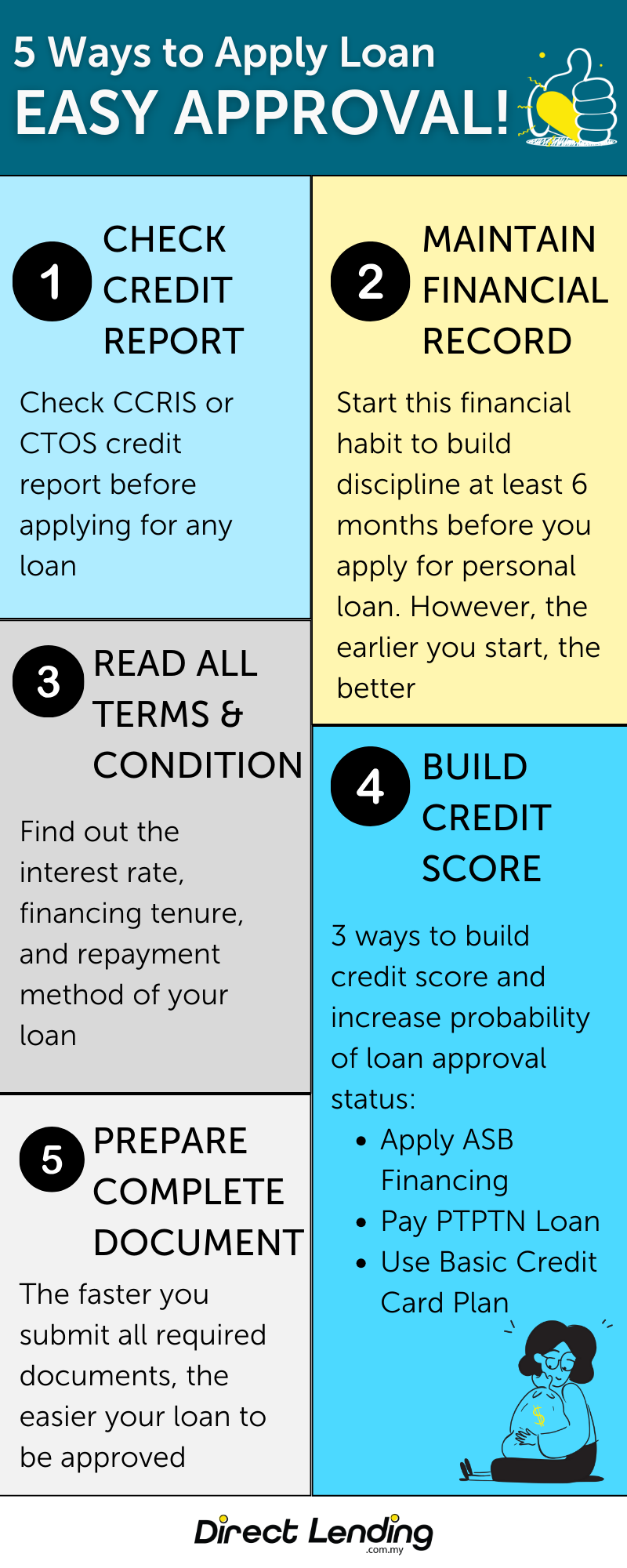
Strengthening Your Core Financial Profile
The journey to loan approval begins long before you fill out an application. Lenders look for a history of responsibility and a present state of stability. Your financial profile is the primary evidence they use to predict your future behavior.
Understanding and Improving Your Credit Score
Your credit score is arguably the most influential factor in the loan approval process. Most lenders rely on FICO scores, which range from 300 to 850. A higher score not only increases your chances of approval but also unlocks lower interest rates, saving you thousands of dollars over the life of a loan.
To optimize your score, you must understand its components. Payment history accounts for 35% of your score, making on-time payments non-negotiable. Credit utilization—the ratio of your outstanding balances to your total credit limits—accounts for 30%. Financial experts recommend keeping this ratio below 30%, though below 10% is ideal for those seeking “Excellent” status. Before applying for a loan, check your credit report for errors. Disputing inaccuracies regarding late payments or unauthorized accounts can provide an immediate boost to your score.
Managing Debt-to-Income (DTI) Ratios
While the credit score tells lenders how you handle debt, the Debt-to-Income (DTI) ratio tells them how much more debt you can realistically afford. DTI is calculated by dividing your total monthly debt obligations by your gross monthly income.
Lenders typically look for a DTI ratio of 36% or lower, though some mortgage programs allow up to 43% or higher under specific conditions. If your DTI is too high, you represent a “default risk,” as any minor financial setback could make it impossible for you to meet your obligations. Prior to applying for a major loan, consider paying down revolving credit card debt or avoiding new large purchases (like a new car) that would add to your monthly liabilities.
The Role of Employment History and Income Stability
Lenders seek “repayment certainty.” This is why a stable employment history is vital. Generally, lenders prefer to see at least two years of consistent employment in the same field or with the same employer.
If you are self-employed or a gig-economy worker, the burden of proof is higher. You will likely need to provide at least two years of federal tax returns to prove that your income is not only sufficient but also consistent. Sudden gaps in employment or frequent career shifts can be red flags, suggesting that your income stream might be interrupted during the term of the loan.
Choosing the Right Financial Product
Not all loans are created equal, and applying for the wrong type of credit can lead to a swift rejection. Understanding the nuances of different loan products allows you to align your needs with the lender’s requirements.
Secured vs. Unsecured Loans
One of the first decisions you will face is whether to pursue a secured or unsecured loan. A secured loan is backed by collateral, such as a home, a car, or a savings account. Because the lender can seize the asset if you fail to pay, these loans are easier to get approved for and carry lower interest rates.
Unsecured loans, such as personal loans or credit cards, are backed only by your promise to pay. Because the risk to the lender is higher, the approval criteria are much stricter. If your credit score is in the “fair” range, you might find more success applying for a secured product to build a positive history before moving toward unsecured options.
Identifying the Purpose of the Loan
Lenders want to know what the money is for because the purpose of the loan influences the risk. A “mortgage” is a specific product for real estate with its own set of federal regulations. A “personal loan” is more flexible but may have higher rates.
If you apply for a business loan, the lender will examine your business plan and cash flow projections in addition to your personal credit. Aligning your application with the specific intent of the loan ensures that you are being evaluated against the correct benchmarks. Applying for a general personal loan to start a high-risk business, for example, might lead to a rejection if the lender feels the risk profile of a startup doesn’t match the terms of a personal line of credit.
Comparing Interest Rates and Loan Terms
The “cost” of a loan is determined by the interest rate and the term length. While your goal is approval, your secondary goal should be affordability. A 72-month car loan might have a lower monthly payment than a 48-month loan, but you will pay significantly more in interest over time.

Furthermore, some lenders have “minimum” requirements that others do not. Some may require a minimum loan amount of $5,000, while others specialize in small-dollar lending. Researching these parameters beforehand prevents you from wasting time on applications that don’t fit your specific needs.
Mastering the Application Process
Once your finances are in order and you have selected a product, the actual application process begins. Precision and transparency are your greatest allies during this stage.
Gathering Essential Documentation
The quickest way to stall a loan approval is to submit an incomplete application. Lenders require “verification,” which is the process of proving that the numbers you wrote on your application are accurate.
Standard documentation usually includes:
- Proof of Identity: Government-issued ID or passport.
- Proof of Income: The last 30 days of pay stubs and the last two years of W-2s or 1099s.
- Bank Statements: Usually the last two to three months of statements for all checking and savings accounts.
- Tax Returns: Typically the last two years of federal filings.
- Asset Documentation: Information on investment accounts, 401(k)s, or other real estate holdings.
Pre-Qualification vs. Pre-Approval
It is important to understand the difference between these two terms. Pre-qualification is a preliminary estimate based on self-reported data. It gives you an idea of what you might qualify for, but it carries no legal weight.
Pre-approval, however, involves a hard credit pull and a preliminary review of your documentation. A pre-approval letter is a powerful tool, especially in real estate, as it tells sellers and lenders that a financial institution has already vetted your finances and is committed to lending you a specific amount under certain conditions. Whenever possible, seek pre-approval to identify any potential hurdles early in the process.
Avoiding Common Application Pitfalls
Many applicants sabotage their approval chances during the final stages. One major mistake is opening new credit accounts or making large purchases between the time of application and the final closing. This changes your DTI ratio and can trigger a re-evaluation of your file.
Additionally, avoid making large, unexplained deposits into your bank accounts. Lenders are required by law to track the source of funds to prevent money laundering. If a family member gives you money for a down payment, ensure you have a “gift letter” documenting that the money is not a loan that needs to be repaid.
Navigating the Lender Landscape
Where you apply can be just as important as how you apply. Different institutions have different “risk appetites” and specialized niches.
Traditional Banks vs. Credit Unions
Traditional big-box banks offer convenience and a wide array of products, but their approval criteria are often rigid. They use standardized scoring models that leave little room for nuance.
Credit unions, on the other hand, are member-owned cooperatives. Because they are non-profit entities, they often offer lower interest rates and more personalized service. Credit unions are frequently more willing to look at the “whole person” rather than just a credit score, making them an excellent choice for individuals with unique financial situations or those who have an established relationship with the institution.
The Rise of Online Lenders and FinTech
The digital revolution has introduced a wave of FinTech (Financial Technology) lenders. These companies often use alternative data—such as utility payment history or education level—to determine creditworthiness.
Online lenders are known for speed. In many cases, you can receive an approval decision and funding within 24 to 48 hours. However, be cautious of the interest rates and fees. While convenient, some online “fast-cash” lenders charge higher APRs than traditional banks. Always read the fine print regarding origination fees and prepayment penalties.
Negotiating Your Way to Better Terms
Many people don’t realize that loan terms can often be negotiated, especially if you have a strong financial profile. If one lender offers you a specific rate, you can take that quote to another lender to see if they can beat it.
Negotiation isn’t just about the interest rate. You can also negotiate the waiver of certain fees, such as application fees or processing charges. By positioning yourself as a low-risk, high-value client, you gain the leverage necessary to secure the most favorable terms possible.

Conclusion: Maintaining Long-Term Financial Health
Getting approved for a loan is a significant milestone, but it should be viewed as part of a larger financial strategy. The goal is not just to get the money, but to manage the debt in a way that enhances your overall net worth and financial stability.
By maintaining a high credit score, keeping your debt levels manageable, and choosing the right lending partners, you transform the loan approval process from a stressful hurdle into a predictable step toward your financial goals. Remember, a loan is a tool; when used wisely, it is an engine for growth, but when handled poorly, it can become a burden. Approach your next application with the diligence and preparation of a savvy financial manager, and the “approved” status will follow naturally.
aViewFromTheCave is a participant in the Amazon Services LLC Associates Program, an affiliate advertising program designed to provide a means for sites to earn advertising fees by advertising and linking to Amazon.com. Amazon, the Amazon logo, AmazonSupply, and the AmazonSupply logo are trademarks of Amazon.com, Inc. or its affiliates. As an Amazon Associate we earn affiliate commissions from qualifying purchases.