
Determining your borrowing capacity is one of the most critical steps in financial planning. Whether you are eyeing a new home, planning to upgrade your vehicle, or seeking a personal loan to consolidate debt, the question “how much loan do I qualify for?” is the starting point of your journey. Loan qualification is not a singular, static number; it is a dynamic calculation performed by lenders based on your financial history, current income, and the prevailing economic climate. Understanding the variables that go into this equation allows you to step into a bank or apply online with the confidence of a well-informed borrower.
The Fundamental Pillars of Loan Qualification
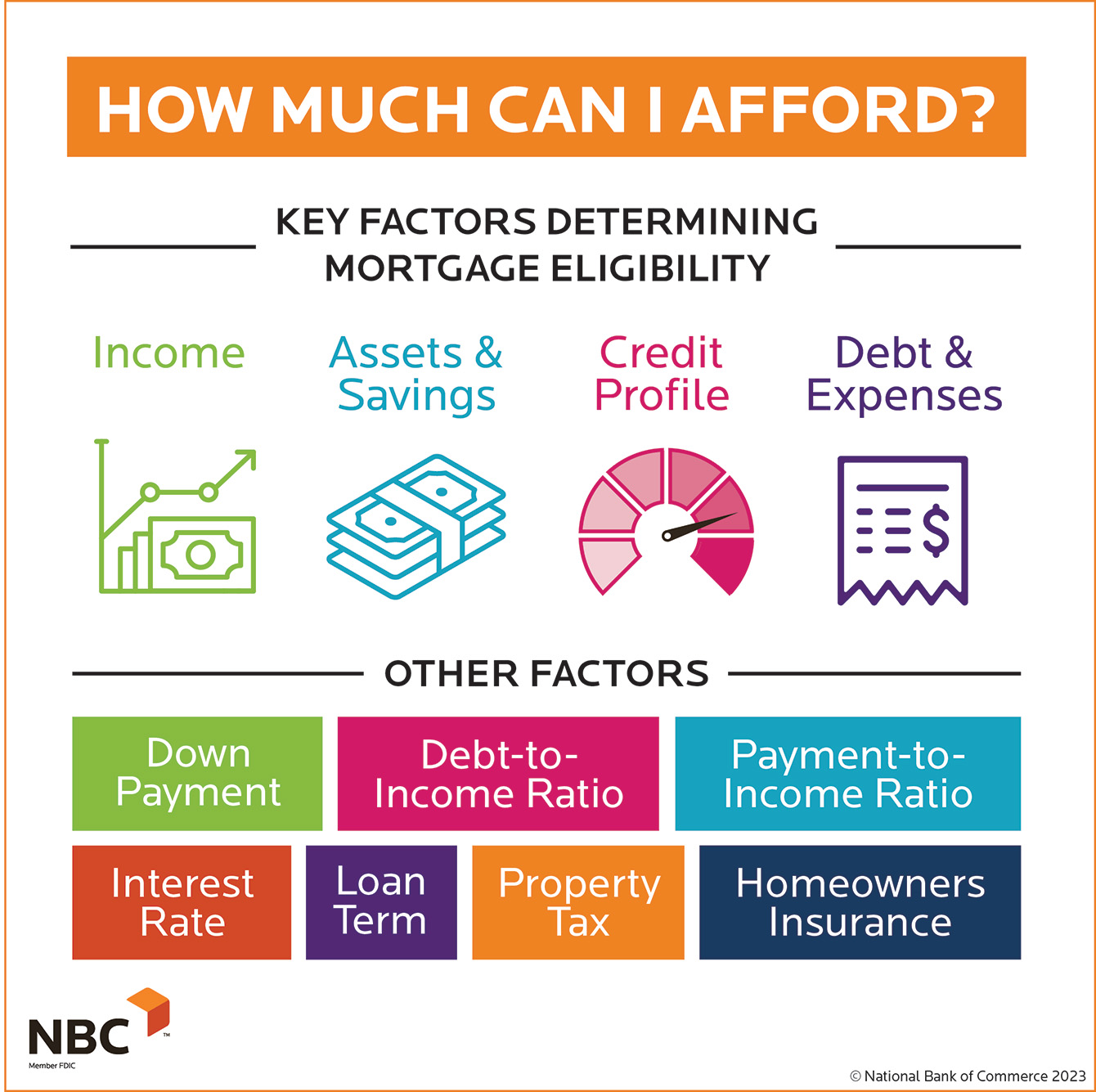
Before a lender decides on a specific dollar amount, they evaluate your “borrower profile.” This profile is built on several key pillars that represent your reliability and your capacity to repay the debt.
Credit Score: Your Financial Reputation
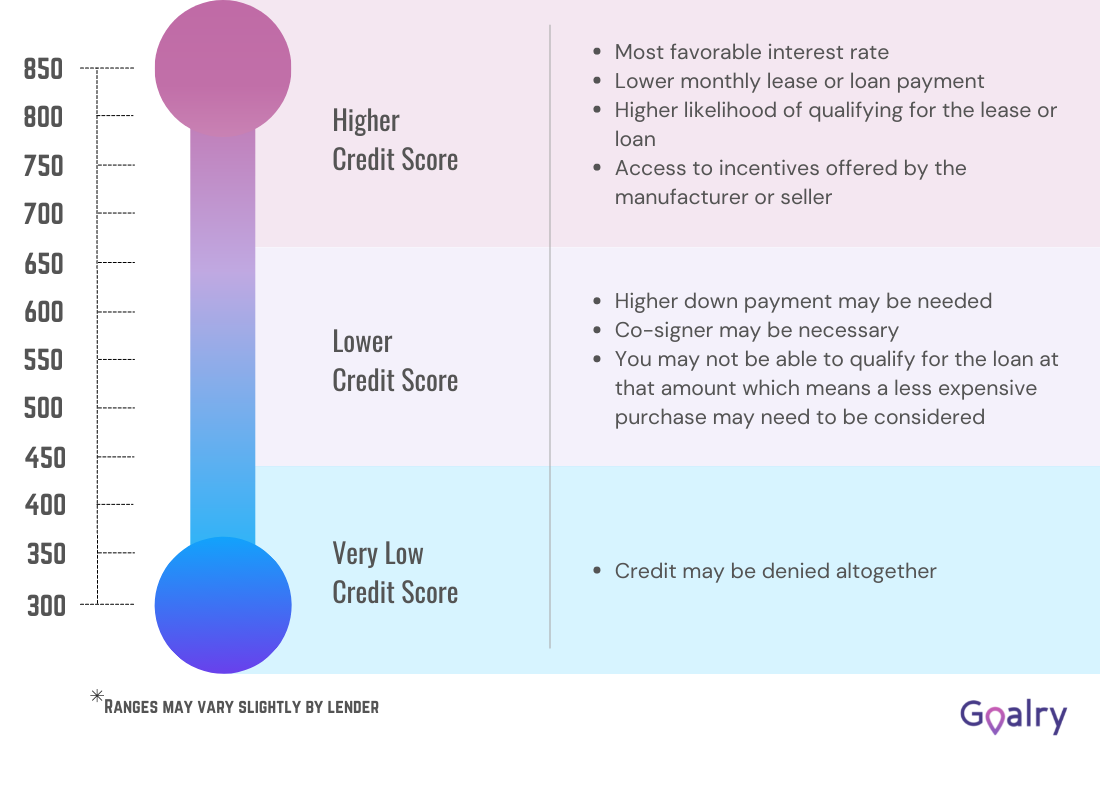
Your credit score is arguably the most influential factor in determining loan qualification. In the United States, FICO scores ranging from 300 to 850 are the standard. A high score (typically 740 and above) signals to lenders that you have a history of responsible credit management, which often translates to higher loan limits and lower interest rates. Conversely, a lower score may limit the amount you can borrow or result in higher costs of borrowing, as the lender views you as a higher risk. Lenders look for patterns: do you pay your bills on time? Do you maintain low balances on your credit cards? These behaviors dictate the “trust” a lender places in you.
Debt-to-Income (DTI) Ratio: The Magic Number
While your credit score tells a lender if you will pay back a loan, your Debt-to-Income (DTI) ratio tells them if you can afford to. This ratio is calculated by dividing your total monthly debt obligations (including the projected new loan payment) by your gross monthly income. Most lenders prefer a DTI ratio below 36%, although some mortgage programs allow for ratios as high as 43% or even 50% in specific circumstances. A lower DTI indicates that you have a healthy cushion between your income and your expenses, making you a much more attractive candidate for a larger loan.
Employment History and Income Stability
Lenders seek consistency. A steady employment history, usually spanning at least two years in the same field or with the same employer, provides assurance that your income stream is reliable. For those who are self-employed or work in the “gig economy,” qualification can be more complex. In these cases, lenders typically require at least two years of tax returns to verify an average annual income. The goal is to ensure that the income you are using to qualify for the loan is not a temporary spike but a sustainable financial foundation.
Understanding Different Loan Types and Their Specific Criteria
Not all loans are created equal. The amount you qualify for can vary significantly depending on the type of financial product you are seeking, as different assets carry different levels of risk for the lender.
Mortgages: The Most Rigorous Process
Mortgage qualification is generally the most stringent because of the high dollar amounts and the long-term nature of the commitment. Lenders use “front-end” and “back-end” ratios. The front-end ratio focuses specifically on housing costs (principal, interest, taxes, and insurance), usually capped at 28% of your gross income. The back-end ratio includes all other debts. Furthermore, the loan-to-value (LTV) ratio—the amount of the loan compared to the appraised value of the home—plays a massive role. If you have a 20% down payment, you are often eligible for a larger total loan amount than someone with only 3.5% down.
Personal Loans: Flexibility and Risk
Personal loans are often unsecured, meaning they are not backed by collateral like a house or a car. Because of this, qualification is heavily weighted toward your credit score and income. Since the lender has no asset to seize if you default, they are more conservative with the amounts they offer. You might qualify for a $500,000 mortgage but only a $40,000 personal loan, even with excellent credit, simply because the risk profile of an unsecured loan is higher.
Auto Loans: Collateral-Based Borrowing
Auto loans are generally easier to qualify for than mortgages because the loan is secured by the vehicle itself. However, the amount you qualify for is strictly limited by the value of the car. Lenders rarely provide a loan for more than the car’s “book value.” Your qualification in this niche is often a balance between the monthly payment you can afford and the total purchase price of the vehicle, with interest rates playing a major role in how much car your monthly budget can actually buy.
How to Calculate Your Maximum Loan Amount
While every lender has a proprietary algorithm, you can estimate your own qualification limit using a few standard industry formulas. This self-assessment prevents “sticker shock” when you finally meet with a loan officer.
The 28/36 Rule for Housing
As a rule of thumb, many financial institutions follow the 28/36 rule. This states that a household should spend no more than 28% of its gross monthly income on total housing expenses and no more than 36% on all total debt obligations. To find your number, multiply your gross monthly income by 0.28. If you earn $6,000 a month, your maximum suggested housing payment is $1,680. Then, check your total debt (credit cards, student loans, etc.) to ensure it doesn’t exceed $2,160 (36% of $6,000) when the new loan is added.
Using Online Loan Calculators Effectively
Online calculators are excellent tools for playing with “what-if” scenarios. By inputting your desired monthly payment, interest rate, and loan term, you can work backward to see the total loan amount. It is important to use realistic interest rates based on current market trends and your specific credit tier. A 1% difference in interest rates can change your borrowing power by tens of thousands of dollars over the life of a 30-year loan.
Factoring in Interest Rates and Loan Terms
The “amount” you qualify for is inextricably linked to the interest rate and the length of the loan. A 15-year loan will have higher monthly payments than a 30-year loan for the same principal amount. Therefore, you might “qualify” for a $300,000 loan over 30 years but only a $180,000 loan over 15 years, because your monthly income can only support a certain payment threshold. Always consider the “total cost of borrowing” rather than just the principal amount.
Strategies to Increase Your Borrowing Power
If you find that your current qualification limit is lower than you need, there are several strategic moves you can make to improve your standing in the eyes of a lender.
Improving Your Credit Mix and Utilization
One of the fastest ways to boost your credit score—and thus your loan qualification—is to lower your credit utilization ratio. This is the amount of credit you are using compared to your total limits. Aiming for a utilization rate below 10% can significantly improve your score. Additionally, having a “mix” of credit (such as a credit card, a small installment loan, and a previous auto loan) shows lenders you can handle different types of financial responsibilities.
Reducing Existing Liabilities
Because the DTI ratio is so critical, paying off a small balance can have a disproportionately large impact on your borrowing power. For example, paying off a car loan that has only six months of payments left can suddenly free up hundreds of dollars in your monthly budget, allowing that “room” to be used for a larger mortgage or personal loan.
Adding a Co-signer or Increasing Down Payments
If your individual income or credit is the limiting factor, a co-signer with a strong financial profile can bridge the gap. A co-signer takes on equal responsibility for the debt, which reduces the lender’s risk and can significantly increase the total loan amount. Similarly, for secured loans like mortgages, increasing your down payment reduces the lender’s LTV risk, which may allow you to qualify for a more expensive property even if the loan amount itself stays the same.
Avoiding the “Max Loan” Trap: Borrowing Responsibly
Just because a bank says you qualify for a certain amount does not necessarily mean you should borrow it. There is a distinct difference between “qualification” and “affordability.”
Qualification vs. Affordability
Lenders base their qualification on your gross income (before taxes), but you pay your bills with your net income (after taxes). This discrepancy can lead to being “house poor” or “car poor,” where you have a beautiful asset but no liquid cash for savings, travel, or emergencies. A professional financial plan should always look at your net cash flow. If a lender qualifies you for a $2,500 monthly payment, but your budget only allows for $2,000 after factoring in lifestyle expenses, the lower number is your true limit.
Preparing for Hidden Costs
A loan amount is only part of the story. When qualifying for a loan, you must also account for closing costs, origination fees, appraisal fees, and insurance. On a mortgage, these can easily equal 2% to 5% of the total loan. If you qualify for a $400,000 loan but have zero savings for closing costs, you may find yourself unable to finalize the deal. Always ensure you have a “liquidity buffer” that exists outside of the loan amount.

Building an Emergency Buffer
Finally, your borrowing strategy should never exhaust your entire financial reserve. Before taking on a new loan, ensure you have an emergency fund covering 3–6 months of expenses. If you borrow to your maximum limit and then face a job loss or medical emergency, the lack of a buffer can lead to default, which will severely damage the very credit score you worked so hard to build. True financial power comes not from borrowing as much as possible, but from borrowing exactly what you need to achieve your goals while maintaining total control over your financial future.
aViewFromTheCave is a participant in the Amazon Services LLC Associates Program, an affiliate advertising program designed to provide a means for sites to earn advertising fees by advertising and linking to Amazon.com. Amazon, the Amazon logo, AmazonSupply, and the AmazonSupply logo are trademarks of Amazon.com, Inc. or its affiliates. As an Amazon Associate we earn affiliate commissions from qualifying purchases.